How to Tell When Trichomes Are Ready for Harvest

Trichome maturity signals: Trichomes on cannabis flowers are ready for harvest when they shift from clear to milky white, with some turning amber. This stage indicates peak potency and flavor, ensuring optimal THC levels. Expert growers emphasize the importance of observing these changes to maximize the plant’s potential. Using a trichomes harvest chart can aid in identifying the precise moment for harvesting.
Trichomes, the resinous glands on cannabis, are crucial for determining harvest time. These tiny structures are rich in terpenes like myrcene and caryophyllene, which influence aroma and effects. Harvesting when trichomes are milky white with some amber ensures a balance of potency and flavor. This stage typically occurs around 8-9 weeks into flowering, depending on the strain.
Recommended Strains
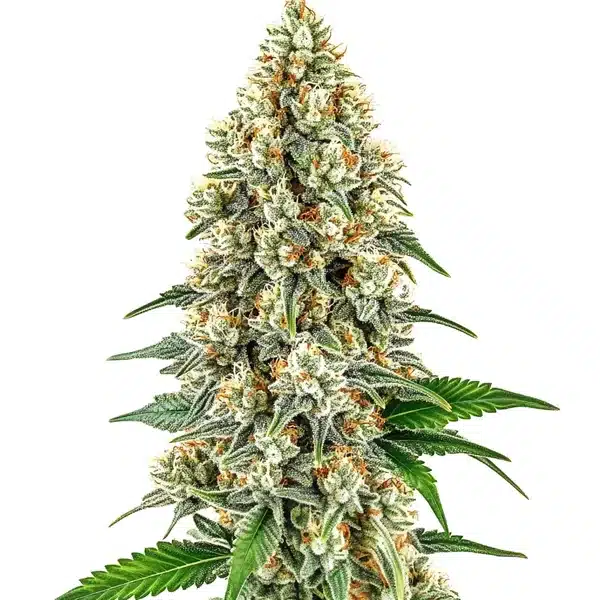
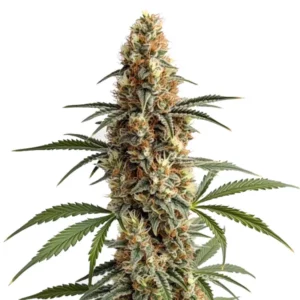
Cinderella 99

|
THC | 13% - 17% (Medium) |

|
Type | Feminized |

|
Yield | High |

|
Phenotype | 20% Indica / 80% Sativa |
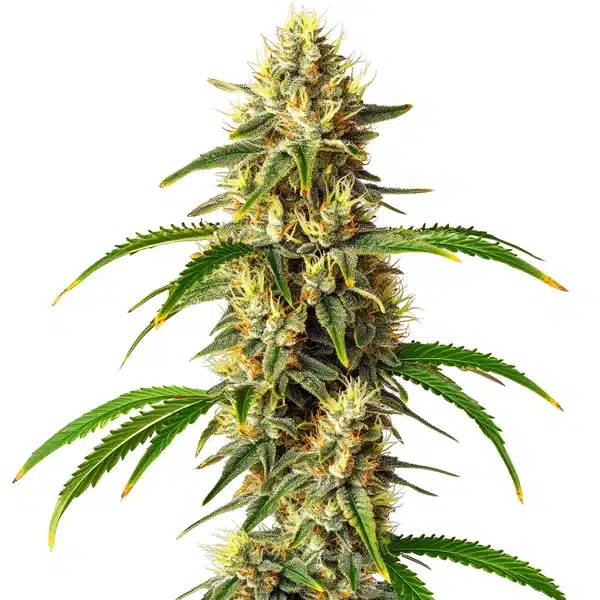
Critical Auto
|
|
THC | 10% - 14% (Low) |
|
|
Type | Autoflowering |
|
|
Yield | Medium |
|
|
Phenotype | 70% Indica / 30% Sativa |
Trichomes: The Key to Harvest Timing
What Are Trichomes?
Trichomes are microscopic, hair-like structures found on cannabis flowers and leaves. They serve as the plant’s defense mechanism against pests and environmental stress. These glands produce cannabinoids, terpenes, and flavonoids, which contribute to the plant’s psychoactive and therapeutic properties. The density and appearance of trichomes can vary based on genetics and growing conditions.
Trichomes are categorized into three types: bulbous, capitate-sessile, and capitate-stalked. The latter is the most significant for cannabis cultivation, as it contains the highest concentration of cannabinoids. Expert growers note that trichome development is influenced by factors such as light exposure, nutrient availability, and humidity levels.
Trichomes’ Function in Cannabis Cultivation
Trichomes play a vital function in the cannabis plant’s lifecycle. They protect against UV rays and herbivores while also attracting pollinators with their aromatic compounds. In terms of cultivation, trichomes are the primary source of cannabinoids like THC and CBD, which are extracted for various products.
Experienced cultivators recognize that trichomes are indicators of plant health and maturity. Monitoring trichome color and structure helps in determining the optimal harvest time, ensuring maximum yield and potency. A USB microscope for trichomes is often used for a detailed examination, allowing growers to make informed decisions.
Promos & Deals
Signs Trichomes Are Ready for Harvest
Trichomes Ready Harvest: Key Indicators
Identifying when trichomes are ready for harvest involves observing their color and opacity. Initially clear, trichomes turn milky white as they mature, with some becoming amber. This change indicates peak cannabinoid production. A trichomes harvest chart can be invaluable in determining the right harvest time.
Amber trichomes suggest a higher concentration of CBN, which can lead to more sedative effects. Growers aiming for a balanced high should harvest when 70-90% of trichomes are milky, with 10-30% amber. This stage ensures a mix of THC potency and therapeutic benefits.
Differences Between Indoor and Outdoor Trichomes
When examining outdoor cannabis, pictures of trichomes ready for harvest outdoor can provide insights into environmental impacts on trichome development. Outdoor plants often have denser trichomes due to natural stressors like wind and pests.
Indoor-grown cannabis benefits from controlled conditions, resulting in more uniform trichome development. The growing community has communicated that indoor trichomes tend to be more consistent in color and size, allowing for more precise harvest timing.
Tools for Examining Trichomes
Using a USB Microscope for Trichomes
A USB microscope for trichomes offers a detailed view necessary for accurate assessment. These devices magnify trichomes up to 1000x, revealing their color and opacity. This level of detail helps growers decide the optimal harvest time.
Many cultivators share that using a microscope prevents premature harvesting, which can result in lower THC levels. A common mistake is relying solely on visual inspection without magnification, leading to suboptimal potency.
Visual Guide to Trichomes and Pistils
Pictures of Trichomes Ready for Harvest
Many growers share their experiences on platforms like Reddit, where pictures of trichomes ready for harvest reddit are discussed. These images provide valuable insights into the visual cues of trichome maturity.
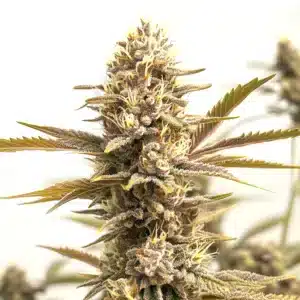
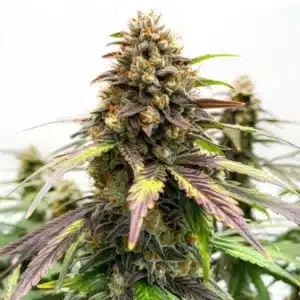
A close up of trichomes ready for harvest reveals the critical changes in color and structure. Observing these details helps in making informed harvesting decisions, ensuring the best quality yield.
Pictures of Pistils Ready to Harvest
Identifying the right moment involves examining pictures of pistils ready to harvest. Pistils change from white to orange or brown as the plant matures, signaling readiness for harvest.
Experienced growers report that pistils’ color change complements trichome observations, providing a comprehensive view of the plant’s maturity. This dual assessment minimizes the risk of harvesting too early or late.
| Feature | Critical Auto | Cinderella 99 | GG4 |
|---|---|---|---|
| THC Content | 10-14% | 13-17% | 27% |
| Dominant Terpene | Myrcene | Limonene | Humulene |
| Flowering Time | 8 – 10 weeks | 8 – 10 weeks | 8 – 10 weeks |
| Yield (Indoor) | 1.15 – 1.31 oz/ft² | 1.64 oz/ft² | 1.64 – 1.97 oz/ft² |
| Effect | Happy, Relaxed, Talkative | Creative, Focused, Hungry | Happy, Relaxed, Talkative |
Professional Tips for Harvesting
- Monitor trichomes closely with a USB microscope, ensuring 70-90% are milky. This stage guarantees peak THC levels and balanced effects.
- Maintain 50-60% humidity during the last weeks of flowering to enhance trichome production. Excess humidity can lead to mold.
- Use a trichomes harvest chart to track maturity stages. This visual guide minimizes the risk of premature harvesting.
- Avoid harvesting solely based on pistil color; always cross-reference with trichome observations for accuracy.
- Implement a 48-hour dark period before harvest to boost resin production. This technique is favored by many expert growers.
- Ensure proper drying conditions post-harvest: 60°F (15°C) and 55% RH to preserve terpenes and cannabinoids.
FAQs About Trichomes and Harvesting
How can I tell if my trichomes are ready for harvest?
Trichomes are ready for harvest when they transition from clear to milky white, with some turning amber. This indicates peak THC levels. Typically, 70-90% milky and 10-30% amber trichomes are ideal. Using a USB microscope can aid in accurately assessing trichome maturity.
What visual signs indicate that buds are ready to harvest?
Buds are ready to harvest when pistils turn from white to orange or brown, and trichomes are mostly milky with some amber. This stage ensures optimal potency and flavor. A close examination of trichomes with a microscope provides the most reliable indication of readiness.
During which week do cannabis buds typically fatten the most?
Cannabis buds typically fatten the most during weeks 6-7 of the flowering stage. During this period, plants focus on resin and cannabinoid production. Maintaining optimal nutrient levels and environmental conditions is crucial for maximizing bud size and density.
What percentage of amber trichomes is ideal before harvesting?
For a balanced effect, aim for 10-30% amber trichomes before harvesting. This percentage indicates a mix of THC and CBN, offering both psychoactive and sedative effects. Harvesting at this stage ensures a well-rounded high and maximizes the plant’s therapeutic potential.
Do trichomes mature after harvest?
Trichomes do not mature after harvest; they begin to degrade. Proper drying and curing are essential to preserve cannabinoid and terpene profiles. Maintaining 60°F (15°C) and 55% RH during the curing process helps prevent degradation and preserves quality.