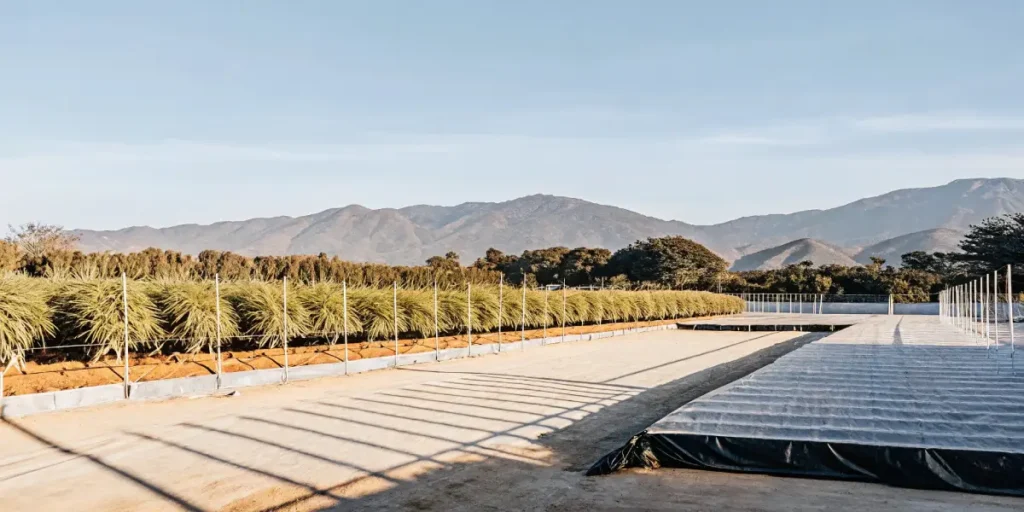
Best Strains to Grow in India

Indian weed strains: These strains are primarily ancient landraces from the Indian subcontinent, adapted into global hybrids. They are divided geographically, with equatorial sativas in the south and pure indicas, often used for hashish or charas, in the north. This division highlights their unique adaptability and historical significance in cannabis cultivation.
Indian Weed Strains: Best Choices for Cultivation
Indian weed strains are celebrated for their unique terpene profiles and adaptability to diverse climates. These strains, such as GG4 and Amnesia Haze, are known for their rich myrcene and caryophyllene content, offering distinct earthy and spicy aromas. With flowering times ranging from 8 to 10 weeks, they are suitable for India’s varied environments.
Recommended Strains
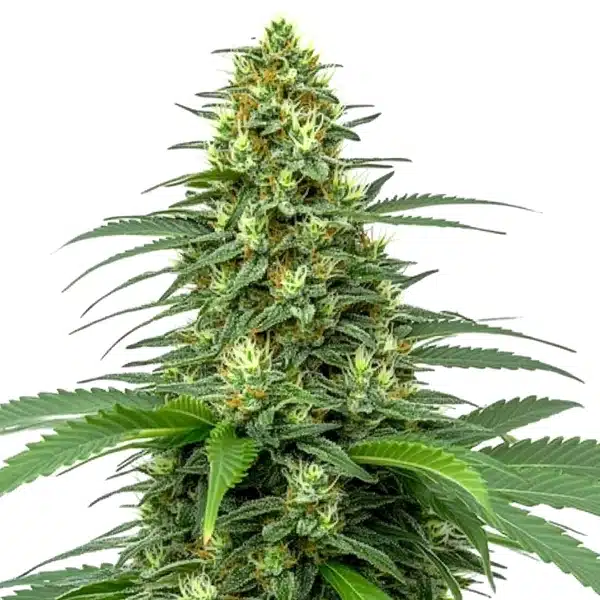
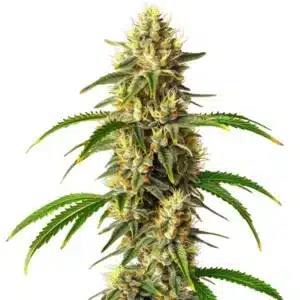
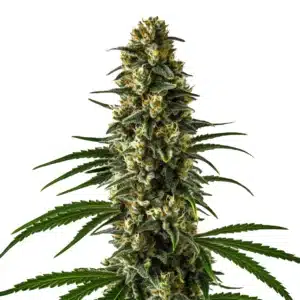
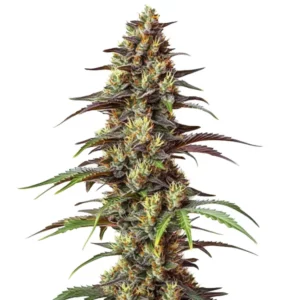
Amnesia Auto

|
THC | 10% - 19% (Medium) |

|
Type | Autoflowering |

|
Yield | High |

|
Phenotype | 30% Indica / 70% Sativa |
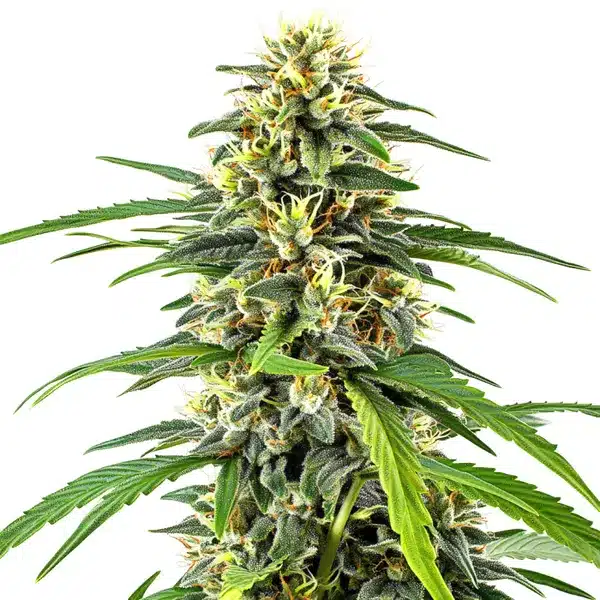
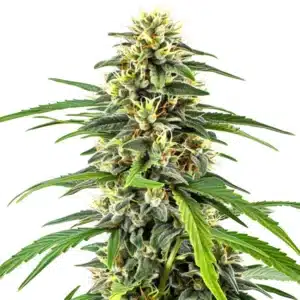
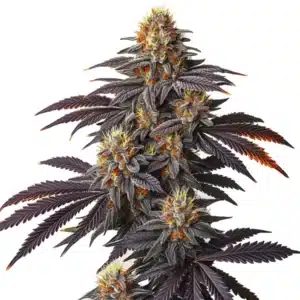
Amnesia Haze
|
|
THC | 18% - 22% (Medium) |
|
|
Type | Feminized |
|
|
Yield | High |
|
|
Phenotype | 30% Indica / 70% Sativa |
Indian Weed Strains: Historical and Modern Perspectives
Historical Significance of Indian Landraces
Indian landrace strains have a rich history, deeply rooted in the cultural and spiritual practices of the region. These strains, like the famed Kerala Gold, have been cultivated for centuries, adapting to the diverse climates of India. Their genetic stability and unique cannabinoid profiles make them a cornerstone in the development of modern hybrids.
Typically, these landraces exhibit THC levels ranging from 12% to 18%, with a notable presence of terpenes such as myrcene (0.5-1%) and pinene (0.2-0.5%). These compounds contribute to their distinctive earthy and pine aromas, enhancing their appeal among traditional users and modern breeders alike.
Modern Adaptations of Indian Strains
Modern cannabis breeding has seen Indian strains crossbred with global varieties to enhance yield and potency. This adaptation process has led to the creation of hybrids like GG4, which combines the resilience of Indian genetics with the potency demanded by contemporary consumers.
For instance, GG4 boasts a THC content of 25-28%, with dominant terpenes such as caryophyllene (0.5-0.8%) and limonene (0.3-0.6%), offering a complex aroma of spice and citrus. These hybrids are designed to thrive in both indoor and outdoor settings, making them versatile for various cultivation practices.
Promos & Deals

Best Weed Strains for Indian Climate
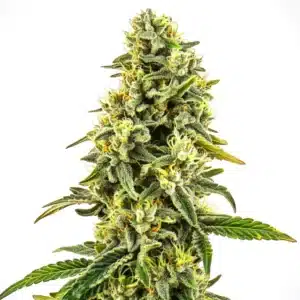
GG4: Resilient and Potent
GG4 is a standout strain for Indian growers, known for its resilience to high humidity and temperature fluctuations. Its genetic lineage ensures a robust plant structure, capable of producing dense, resinous buds that are highly sought after for their potency.
This strain typically yields 1.5-2 oz/ft² (450-600 g/m²) indoors and thrives in temperatures of 68-77°F (20-25°C). Its flowering period of 8-9 weeks allows for multiple harvests in a single growing season, maximizing productivity.
Critical Mass: High Yields and Robustness
Critical Mass is favored for its massive buds and high yield potential, making it ideal for growers aiming to maximize their harvest. This strain is particularly resilient to the heat of Indian summers, thanks to its indica-dominant genetics.
With THC levels around 19-22% and a flowering time of 7-8 weeks, Critical Mass offers a quick turnaround. Its terpene profile includes myrcene (0.6-0.9%) and humulene (0.3-0.5%), providing a rich, earthy aroma with hints of spice.
Amnesia Haze: Sativa Excellence
Amnesia Haze is a sativa-dominant strain that thrives in the warm climates of India. Its uplifting effects and citrusy aroma make it a favorite among those seeking an energizing experience.
This strain features THC levels of 20-24%, with limonene (0.4-0.7%) and terpinolene (0.2-0.4%) as dominant terpenes. Its longer flowering period of 10-12 weeks is offset by its high yield potential, making it a worthwhile investment for patient growers.
Indian Cannabis Strains: Environmental Considerations
Growing Indian cannabis strains requires understanding their environmental needs. Optimal daytime temperatures range from 20°C to 25°C (68°F to 77°F), with a nighttime drop of 8°C to 11°C to mimic natural conditions. Humidity levels should be maintained at 60% to 70% during the vegetative stage, dropping to 40% to 50% during flowering to prevent bud rot.
Proper lighting is crucial, especially for photoperiod strains like Amnesia Haze. A strict 12/12 light/dark cycle is necessary to induce flowering, ensuring plants receive 12 hours of uninterrupted darkness. This mimics the natural photoperiod of their native habitats, promoting healthy growth and maximizing yield potential.
| Feature | GG4 | Critical Mass | Amnesia Haze |
|---|---|---|---|
| THC Content | 25-28% | 19-22% | 20-24% |
| Dominant Terpene | Caryophyllene | Myrcene | Limonene |
| Yield (Indoor) | 1.5-2 oz/ft² (450-600 g/m²) | 2-2.5 oz/ft² (600-750 g/m²) | 1-1.5 oz/ft² (300-450 g/m²) |
| Flowering Time | 8-9 weeks | 7-8 weeks | 10-12 weeks |
| Climate Suitability | High Humidity | Heat Resistant | Warm Climates |
Professional Tips for Growing Indian Weed Strains
Use SCROG technique for GG4 to manage height and maximize light exposure, enhancing yield and bud quality.
Maintain 68-77°F (20-25°C) for optimal growth. Temperatures above 80°F (27°C) can stress plants, reducing yield and potency.
Ensure 58-62% RH during curing to preserve terpenes. Below 55% can dry buds too quickly, above 65% risks mold.
Use a 12/12 light schedule for photoperiod strains like Amnesia Haze to induce flowering. Inconsistent lighting can delay bloom.
Apply N:P:K 3:1:2 during vegetative stage for robust growth. Imbalance can stunt development or cause nutrient burn.
Monitor EC levels at 1.2-1.5 during flowering for nutrient uptake. High EC can lead to salt buildup, affecting plant health.
FAQs on Indian Weed Strains
Which is the best weed in India?
The best weed in India often includes strains like GG4 and Amnesia Haze, known for their resilience and potency. GG4, with THC levels of 25-28%, offers a balanced high, while Amnesia Haze provides an uplifting sativa experience with 20-24% THC. Both are well-suited for India’s climate.
What strain is good for seizures?
Strains high in CBD, like Auto CBD Cheese, are often recommended for managing seizures. This strain offers a balanced THC:CBD ratio, typically 1:1, providing therapeutic effects without strong psychoactivity. Always consult a healthcare professional before using cannabis for medical conditions.
What is Indian weed called?
Indian weed is often referred to as “bhang” or “charas,” depending on its form. Bhang is a traditional edible preparation, while charas is hand-rolled hashish. Both have been used in cultural and religious contexts for centuries, showcasing the plant’s deep roots in Indian history.
How does climate affect cannabis growth in India?
India’s diverse climate impacts cannabis growth significantly. Strains like Critical Mass, which can withstand high temperatures and humidity, are ideal. The flowering period can be influenced by monsoon patterns, requiring careful planning to avoid mold and maximize yield.
Can Indian strains be grown indoors?
Yes, Indian strains can be successfully grown indoors with controlled environments. Maintaining temperatures between 68-77°F (20-25°C) and using a 12/12 light schedule for flowering are crucial. Indoor cultivation allows for year-round growth, independent of external climate conditions.