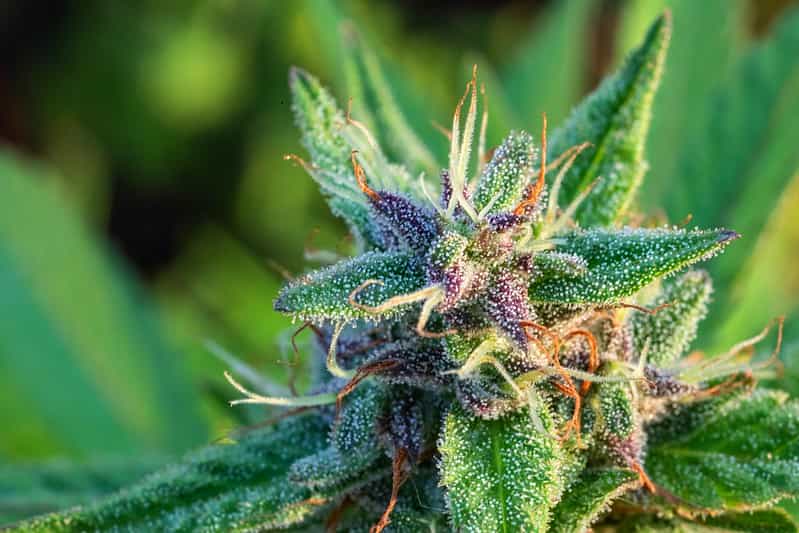
Best Haze Strains: Top 10 Haze Varieties, Effects and Cultivation

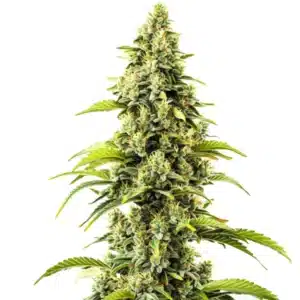
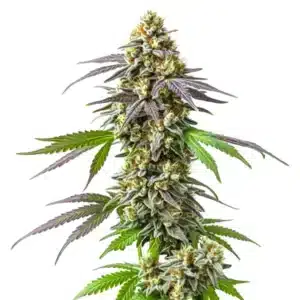
Haze is a legendary, sativa-dominant cannabis family born in Santa Cruz, California in the 1970s. It is loved for an energizing, cerebral high and a complex sweet-spicy citrus flavor, and its genetics underpin countless modern hybrids. Below are the 10 best haze strains you can grow, plus their effects and grow tips.
Haze strains are known for complex terpene profiles led by limonene and myrcene, behind their citrus and earthy aromas. They flower longer than most, usually 10-12 weeks, but reward the patience with vigorous growth and big yields. That combination is why haze remains a cornerstone of cannabis breeding.
Recommended Strains

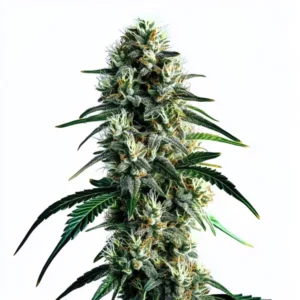
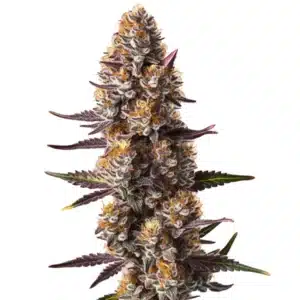
Super Lemon Haze

|
THC | 19% (Medium) |

|
Type | Feminized |

|
Yield | High |

|
Phenotype | 20% Indica / 80% Sativa |
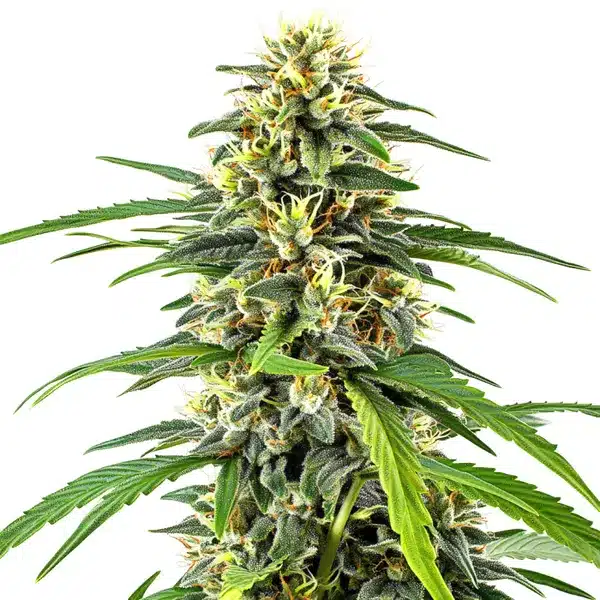
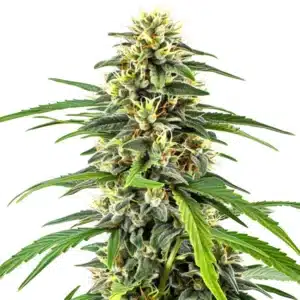
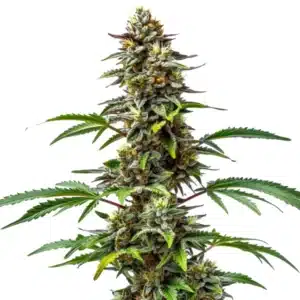
Amnesia Haze
|
|
THC | 18% - 22% (Medium) |
|
|
Type | Feminized |
|
|
Yield | High |
|
|
Phenotype | 30% Indica / 70% Sativa |
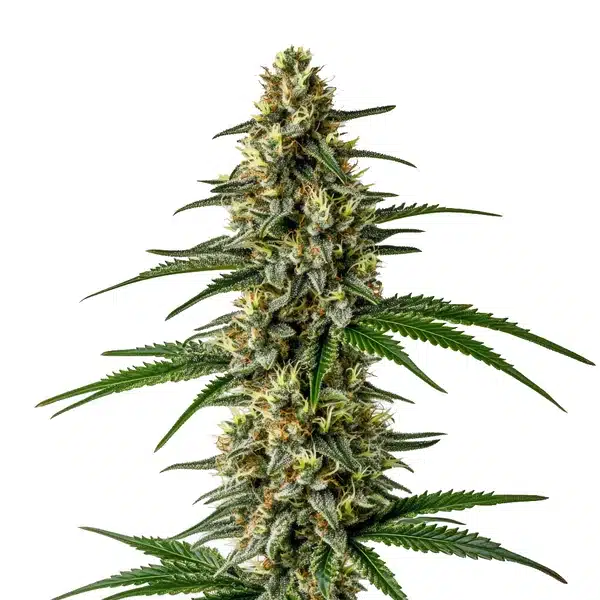
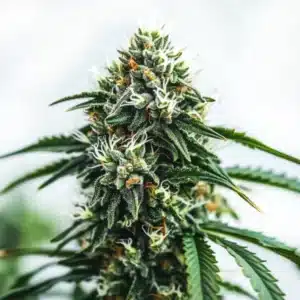
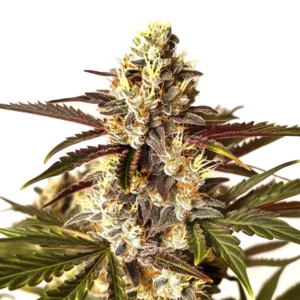
Mexican Haze
|
|
THC | 15% - 23% (Medium) |
|
|
Type | Feminized |
|
|
Yield | High |
|
|
Phenotype | 30% Indica / 70% Sativa |
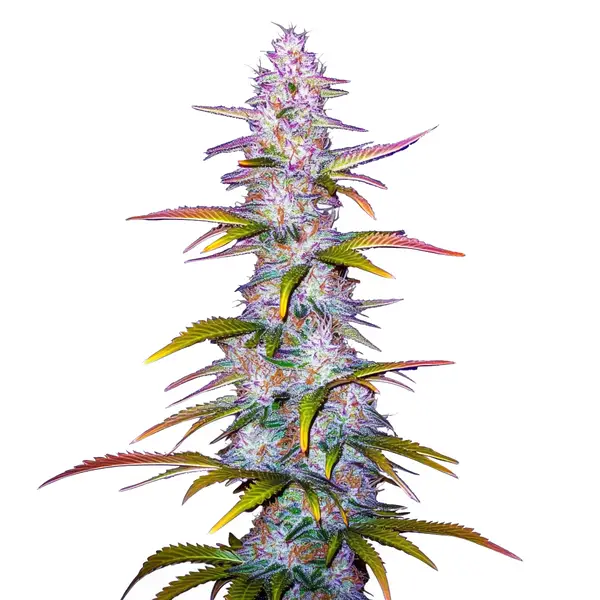
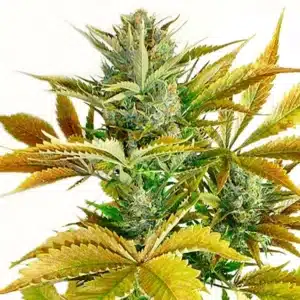
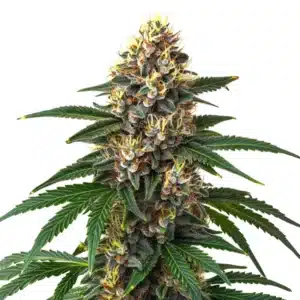
Jack Horror
|
|
THC | 22% - 24% (High) |
|
|
Type | Feminized |
|
|
Yield | Medium |
|
|
Phenotype | 40% Indica / 60% Sativa |
Origins and Characteristics of Haze Strains
What Is a Haze Strain?
Haze strains are mostly sativa-dominant varieties known for uplifting, energizing effects. They come from a blend of landraces from Colombia, Mexico, Thailand and South India, with roots going back to the 1970s, and that rich genetic background is why haze became a cornerstone for so many modern hybrids. Potency-wise most test between 18% and 24% THC, with citrus-and-spice terpene profiles led by limonene and myrcene that shape both aroma and effect.
What really defines haze is the experience. The aroma leans spicy, incense-like and citrusy with earthy undertones, and the high is famously cerebral: energetic, talkative and creative rather than sedating. That signature effect made the original Haze the backbone of countless modern sativas, from Super Silver Haze to Amnesia, which is why the name still signals a bright, uplifting smoke decades later.
Top 10 Haze Strains
- Super Silver Haze – 22-24% THC, sweet-spicy, balanced daytime classic.
- Amnesia Haze – 18-22% THC, citrusy and euphoric.
- Super Lemon Haze – zesty lemon flavor and an uplifting buzz.
- Neville’s Haze – one of the strongest, intensely cerebral (for experienced growers).
- Jack Horror – 22-24% THC, piney and creative.
- Purple Haze – fruity, colorful and euphoric.
- Mexican Haze – a bright, easygoing sativa landrace haze.
- California Haze – 22-24% THC, sweet and potent.
- Strawberry Haze – sweet berry flavor with a mellow lift.
- Bubblegum Haze – candy-sweet and smooth.
For something different, also look at Scrambler Haze (up to 30-36% THC) and the high-CBD CBD Haze.
Of the list, Super Silver Haze and Amnesia Haze are the most iconic. Super Silver Haze pairs a sweet-spicy aroma with a balanced daytime high, while Amnesia Haze brings a citrusy taste and a euphoric, uplifting effect that recreational users love. Whichever you grow, keep them at 68-77°F (20-25°C) and 40-50% humidity in flowering for the best results.
The Strongest Haze Strain
If you want the strongest haze strain, Neville’s Haze is the usual pick, with a powerful, long-lasting cerebral high. Its lineage combines original Haze genetics with Northern Lights for extra potency and resilience, and its flavor leans piney and citrusy. For sheer THC, Scrambler Haze pushes even higher, up to 30-36%.
How Long Do Haze Strains Take to Flower?
Patience is part of the deal with haze. Most haze strains take 10-14 weeks to flower, noticeably longer than the 8-9 weeks of many indicas, and they stretch tall during that time. The upside is a big, resinous, high-terpene harvest; the downside is the wait and the vertical space, which is why fast or auto haze versions exist for growers who want the flavor on a shorter timeline.
That long bloom comes straight from their equatorial sativa landrace roots, which never evolved to rush. You can manage it by budgeting extra time and a little more vegetative growth, keeping the grow warm and bright, and controlling the tall stretch with training. If the 10-14 week wait is a dealbreaker, modern haze hybrids and autoflowering haze crosses finish far faster while keeping much of the classic flavor.
Are Haze Strains Good for Beginners?
Classic haze strains are rewarding but not the easiest first grow: the long flowering, tall stretch and preference for warm, bright conditions ask for some experience. Beginners who love the haze effect are usually better off starting with a stabilized haze hybrid or an autoflowering haze, which keep the uplifting high while being more forgiving and quicker to finish.
The sticking points are the height, the long flowering window and a preference for warm, bright conditions, plus a higher mold risk late in a damp season because of their dense, drawn-out bloom. A first-time grower can absolutely succeed with haze, but a hardier hybrid or an autoflowering haze is a gentler starting point, with the pure landrace hazes saved for once you have a cycle or two under your belt.
Promos & Deals
Growing Haze Strains: Key Points
Haze plants are vigorous feeders and love light. Because they photosynthesize heavily, a CO2-enriched environment (especially in veg) boosts growth, giving you bigger, stronger plants. Their long flowering also means they benefit from a stable, well-lit setup from start to finish.
Airflow matters too. Good ventilation supports healthy transpiration, which helps the plant regulate temperature and take up nutrients, and it keeps humidity down around the dense, tall colas haze produces, lowering the risk of mold and bud rot.
| Feature | Super Silver Haze | Amnesia Haze | Purple Haze |
|---|---|---|---|
| THC content | 18-22% | 20-24% | 14-18% |
| Dominant terpene | Limonene | Myrcene | Caryophyllene |
| Yield (indoor) | High | High | Medium-high |
| Flowering time | 10-11 weeks | 8-10 weeks | 8-10 weeks |
| Flavor profile | Sweet, spicy | Citrus, earthy | Fruity, spicy |
Professional Tips for Growing Haze Strains
- Keep soil pH at 6.0-6.5; the wrong pH causes nutrient deficiencies.
- Maintain 68-77°F (20-25°C); above 80°F (27°C) stresses plants and cuts yield.
- Use a 12/12 light schedule in flowering; changing it delays flowering.
- Hold humidity at 40-50% in flowering; higher risks mold, lower can stunt growth.
- Feed an N:P:K ratio of 1:3:2 in flowering to support bud formation.
- Use SCROG to manage tall, stretchy haze plants and even out light exposure.
FAQs About Haze Strains
Is haze a sativa or indica?
Haze is predominantly sativa, known for energizing, cerebral effects rather than sedation. Most haze strains test 18-24% THC, so the high is potent and heady. They are ideal for daytime use, delivering uplifting, creative effects without the couch-lock you get from indica-dominant strains.
What is the haze strain good for?
Haze strains are great for daytime use, boosting energy, focus and creativity with a potent cerebral high (18-24% THC). Many people reach for them when they want to feel social and upbeat rather than sedated. They are best suited to activities, not winding down for sleep.
Are haze strains uplifting for daytime use?
Haze strains are best known for an uplifting, energizing feel, which is why many people enjoy them during the day rather than at night. Their bright, cerebral effect is the opposite of a sedative indica. They are not a medical treatment, so for any health concern, speak with a healthcare professional.
How do you store haze strains for freshness?
Store haze flower in airtight glass containers at 58-62% relative humidity and 59-70°F (15-21°C), out of direct light. High humidity invites mold, while too little dries the buds out and dulls the aroma. Done right, this keeps haze’s citrusy terpenes and potency intact for months.
What makes haze strains unique?
Haze strains stand out for their complex, citrus-spicy terpene profiles and strongly sativa-dominant, energizing high (18-24% THC). Add their long flowering, tall stretchy structure and legendary status as the backbone of modern sativas, and it is easy to see why haze remains a connoisseur favorite.