When Does Outdoor Cannabis Flowering Start in California?

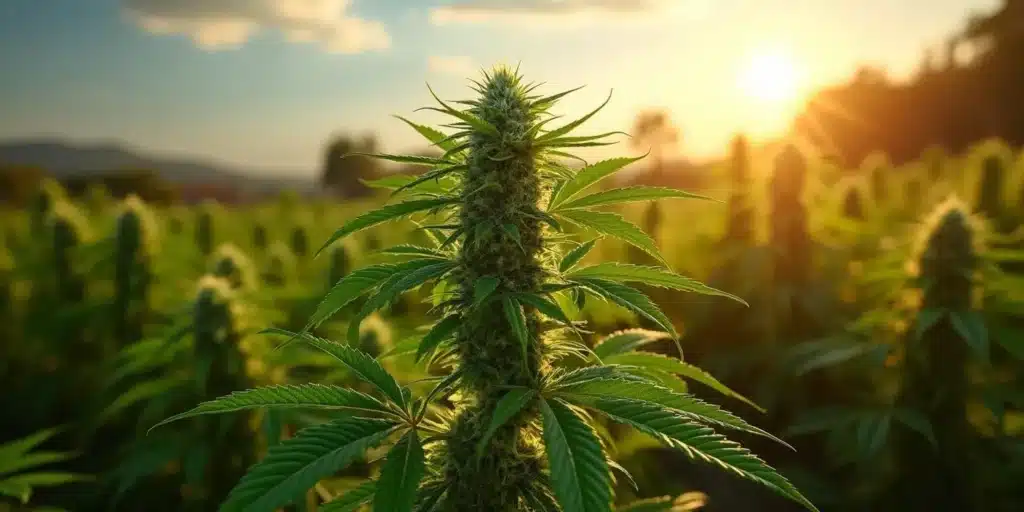
Outdoor cannabis flowering in California: Typically starts from late July to early August as daylight hours decrease. This shift follows the summer solstice when days begin to shorten. Most plants reach full bloom by mid-August. In Southern California, flowering often starts earlier due to regional climate conditions, while Northern California may experience a slightly delayed onset.
In California, the outdoor growing season offers unique opportunities for cannabis cultivators. As the days grow longer, cannabis plants enter a vigorous vegetative phase. The state’s microclimates affect the flowering stage, with Southern California often seeing the first signs of flowering stage outdoors. Recognizing these regional differences is key to maximizing yield and quality.
Recommended Strains

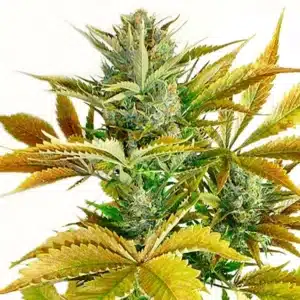
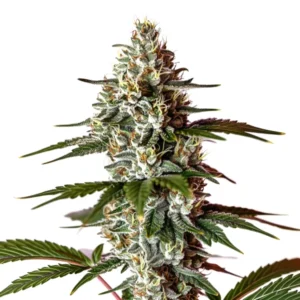
Banizzle

|
THC | 25% - 30% (High) |

|
Type | Feminized |

|
Yield | High |

|
Phenotype | 55% Indica / 45% Sativa |

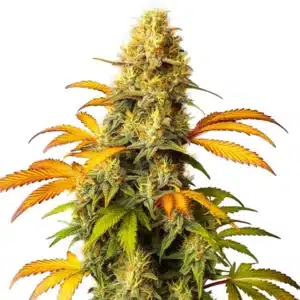
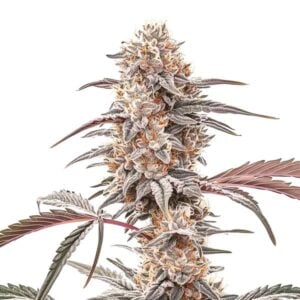
Black Cherry Soda
|
|
THC | 15% - 20% (Medium) |
|
|
Type | Feminized |
|
|
Yield | Low |
|
|
Phenotype | 50% Indica / 50% Sativa |
Photoperiod Impact on Flowering
How Daylight Hours Affect Flowering
In California, cannabis plants thrive under the long daylight hours of spring and early summer, receiving between 13 to 18 hours of light daily. This period of extended daylight supports robust vegetative growth. However, as the summer solstice passes in late June, daylight hours begin to decrease, signaling the start of the flowering stage. This change in the photoperiod triggers hormonal changes within the plant, preparing it for flower production.
Typically, the first signs of flowering stage outdoors become visible around late July to early August. During this time, daylight hours drop to approximately 12-14 hours, which is crucial for the transition from vegetative growth to flowering. This photoperiod sensitivity is essential for growers to understand when planning their cultivation schedule.
Regional Differences in Flowering Times
Southern California’s climate often leads to an earlier flowering start compared to Northern California. The warmer temperatures and slightly longer growing season in the south can result in plants beginning to flower as early as late July. In contrast, Northern California may see flowering commence in early to mid-August. Recognizing these regional differences allows growers to tailor their strategies accordingly.
For instance, growers in Southern California might plant later to manage plant size, while those in Northern California can take advantage of the longer daylight to maximize growth before flowering. This regional adaptation is vital for optimizing both yield and quality.
Promos & Deals
Environmental Factors Influencing Flowering
Managing Temperature and Humidity
Temperature plays a significant role in the outdoor cannabis flowering stage. Ideal temperatures range from 70°F to 85°F (21°C to 29°C) during the day, with cooler nights. Extreme heat can stress plants, potentially delaying flowering or affecting bud quality. Conversely, sudden cold snaps can trigger premature flowering, impacting yield.
Humidity levels also need careful management. During flowering, aim for relative humidity between 40-50%. High humidity can promote mold and mildew, which are detrimental to bud quality. In California’s typically dry climate, maintaining this balance can be challenging but is crucial for a successful harvest.
Identifying Pre-Flowers and Bud Development
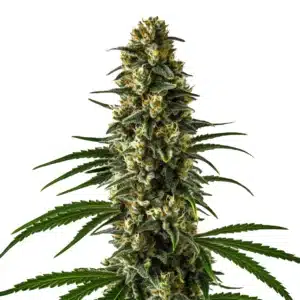
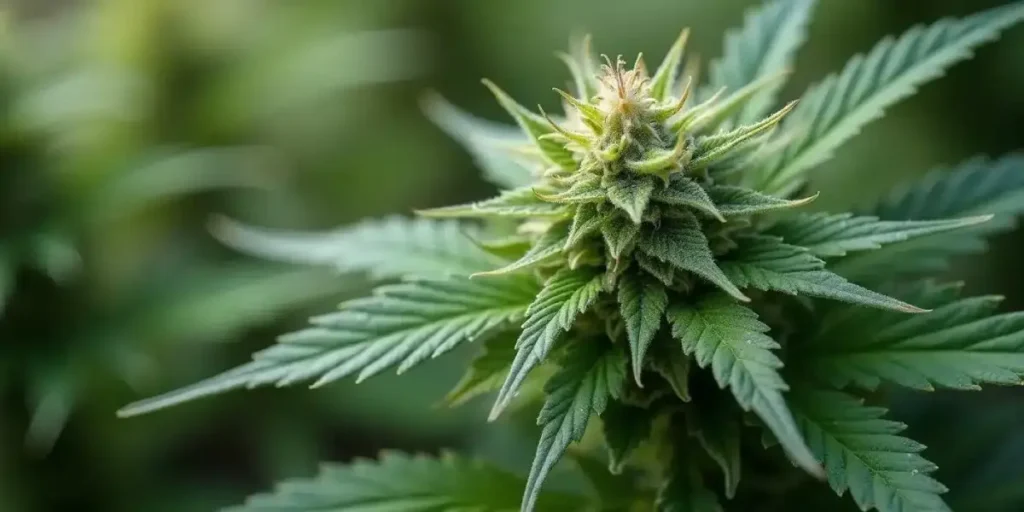
As flowering begins, cannabis plants exhibit distinct changes. Female plants develop white pistils, while male plants form pollen sacs. Early identification of these pre-flowers is crucial for growers focused on bud production, as removing male plants prevents pollination and ensures seedless buds.
Regular monitoring during this stage helps manage the garden effectively, allowing for timely interventions if issues arise. This proactive approach is essential for maximizing both yield and quality of the final harvest.
How Temperature and Humidity Affect Metabolism
Temperature and humidity directly influence the plant’s metabolic rate. During the day, temperatures above 29°C (85°F) can inhibit photosynthesis, reducing carbohydrate production. Nighttime temperatures should drop by 8°C – 11°C to stimulate proper respiration and energy use. Humidity impacts transpiration rates, affecting nutrient uptake and overall plant health. Maintaining optimal conditions ensures efficient metabolism and robust growth.
CO2 Levels and Their Role in Flowering
CO2 is a critical component of photosynthesis, the process by which plants convert light into energy. In outdoor settings, CO2 levels are naturally higher, promoting vigorous growth. During flowering, ensuring adequate CO2 helps maximize bud development and potency. In urban areas, where pollution might affect air quality, supplemental CO2 can enhance plant performance.
| Feature / Merkmal | Durban Poison Fast Version | Bruce Banner Regular | Amnesia Haze Autoflower F1 |
|---|---|---|---|
| THC Content | 22-25% | 24-29% | 20-24% |
| Dominant Terpene | Terpinolene | Caryophyllene | Myrcene |
| Flowering Time | 7-8 weeks | 8-10 weeks | 9-10 weeks |
| Yield | 1.8 oz/ft² (550 g/m²) | 2.0 oz/ft² (600 g/m²) | 1.5 oz/ft² (450 g/m²) |
| Climate Suitability | Warm, Dry | Temperate | Cool, Humid |
Professional Tips for Outdoor Flowering Success
- Maintain 70°F to 85°F (21°C to 29°C) during the day. Temperatures outside this range can stress plants, delaying flowering.
- Keep relative humidity between 40-50% during flowering to prevent mold. Use fans to improve airflow.
- Monitor daylight hours closely. Transition to flowering nutrients when daylight drops below 14 hours.
- Remove male plants promptly to prevent pollination. This ensures seedless, high-quality buds.
- Use phosphorus-rich nutrients during flowering to support bud development. Avoid nitrogen-heavy fertilizers.
- Regularly inspect plants for pests. Early detection can prevent infestations that affect bud quality.
FAQs about Outdoor Cannabis Flowering in California
When should I start removing fan leaves during flowering?
Begin removing fan leaves in the early flowering stage, around week 3, to improve light penetration. This helps increase airflow and reduce humidity levels. Remove only a few leaves at a time to avoid stressing the plant. Aim to maintain a balance, ensuring the plant still has enough leaves for photosynthesis.
What flowers bloom in October in California?
In California, many flowers bloom in October, including marigolds and chrysanthemums. These flowers thrive in the mild fall climate, providing vibrant colors. Marigolds, for instance, flourish in temperatures between 65°F and 75°F (18°C to 24°C). They require well-drained soil and full sunlight to reach their full potential.
What fertilizer makes buds bigger?
Fertilizers high in phosphorus and potassium, such as a 1:3:2 NPK ratio, promote larger buds. These nutrients support energy transfer and cell division, crucial for bud development. Avoid excessive nitrogen during flowering as it can lead to leafy growth rather than bud production.
What should week 3 of flowering look like?
By week 3 of flowering, cannabis plants should display noticeable bud formation with dense clusters of pistils. Leaves should be vibrant green, and the plant should be free of nutrient deficiencies. Ensure adequate light and nutrient supply to support continued bud development and prevent stunted growth.
How can I prevent mold during the flowering phase?
To prevent mold, maintain humidity levels below 50% and ensure good airflow around your plants. Use fans to circulate air and avoid overcrowding plants. Inspect plants regularly for signs of mold, especially during wet weather. Consider using organic fungicides as a preventative measure.