What’s the Connection Between Cannabis Transpiration and Yield? Guide

Growing cannabis is both an art and a science. From first-time seed buyers to seasoned cultivators, knowing the processes that affect your plants is crucial. One such process is transpiration. This natural mechanism plays a significant role in the yield of your cannabis plants. But what’s the connection between cannabis transpiration and yield? In short, transpiration regulates water movement, nutrient uptake, and temperature balance—factors that directly influence plant growth, bud density, and final harvest quality. Let’s dive into the details.
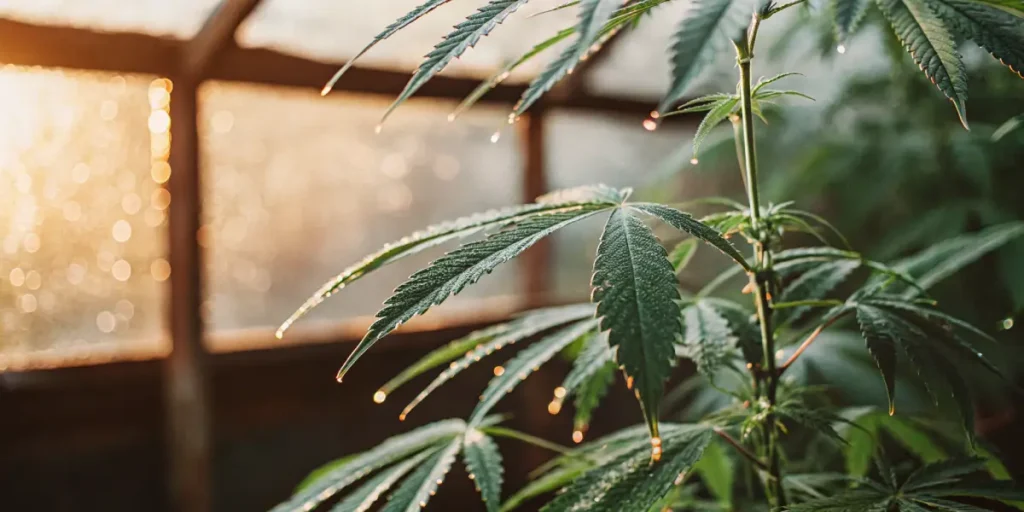
Transpiration is the process by which cannabis plants release water vapor into the air through small openings in their leaves called stomata. This process is vital for maintaining plant health and directly influences yield. When your cannabis plants transpire efficiently, they can uptake nutrients more effectively, which is key to robust growth and bountiful harvests.
Recommended Strains

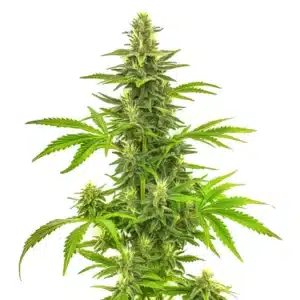
GG4

|
THC | 27% (High) |

|
Type | Feminized |

|
Yield | High |

|
Phenotype | 40% Indica / 60% Sativa |
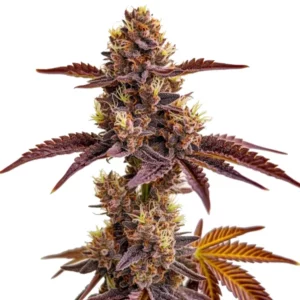
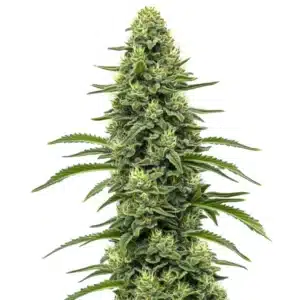
Gorilla Sherbet
|
|
THC | 26% - 30% (High) |
|
|
Type | Feminized |
|
|
Yield | High |
|
|
Phenotype | 70% Indica / 30% Sativa |
In your grow room, creating the right environment for transpiration can make all the difference. From strain selection to monitoring humidity levels, each decision can influence how well your plants transpire. Let’s break down these factors and see how they impact your cannabis yield.
Knowing Cannabis Transpiration
Transpiration serves several key functions in cannabis plants. It helps regulate temperature, facilitates nutrient uptake, and maintains cell turgor, which is essential for keeping plants upright and strong. When transpiration is optimized, your plants are more likely to thrive and produce higher yields. Knowing what’s the connection between cannabis transpiration and yield? is crucial — efficient transpiration directly influences nutrient absorption and energy distribution, leading to stronger growth, better bud formation, and ultimately, superior harvests.
The Process of Transpiration
Transpiration begins when water is absorbed by the roots and transported through the plant to the leaves. Here, it evaporates into the atmosphere through the stomata. This process creates a pull that draws more water and nutrients from the soil into the plant. Without effective transpiration, this nutrient flow is disrupted, which can limit growth.
Environmental conditions such as temperature and humidity can significantly affect transpiration rates. High temperatures can increase the rate of transpiration, leading to potential issues like nutrient burn if not managed correctly. Conversely, low temperatures can slow down the process, reducing nutrient uptake.
Factors Affecting Transpiration
Various factors influence how well and how much your cannabis plants transpire. These include light intensity, air movement, and soil moisture. More light and airflow generally increase transpiration rates, while dry soil can limit it. Balancing these factors is crucial for optimal plant health.
An often-overlooked factor is the strain of cannabis you are growing. Some strains have evolved to manage transpiration more efficiently than others. For example, GG4, with its robust growth characteristics, can tolerate and thrive under high-transpiration conditions.
Promos & Deals
Transpiration and Its Impact on Yield
The connection between transpiration and yield is profound. When your cannabis plants transpire efficiently, they can access and utilize nutrients and water more effectively. This leads to healthier plants and, ultimately, higher yields. However, it’s a delicate balance, as excessive transpiration can also lead to stress.
Cannabis Transpiration Impact on Yield
Healthy transpiration levels ensure that your plants are in prime condition to grow and produce. By maintaining the right balance of environmental conditions, your plants can maximize yield potential. This is particularly true for heavy-yielding strains like Gorilla Sherbet, which thrive under optimal transpiration conditions.
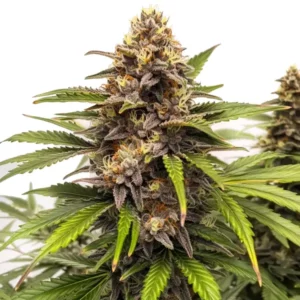
Strains like Purple Lemonade Autoflower are more adaptable to varying transpiration rates, making them a great choice for growers who may not have perfect control over their growing environment. Their resilience can lead to satisfactory yields even under less-than-ideal conditions.
Optimizing Transpiration for Better Yields
- Monitor humidity levels: Keep the relative humidity in your grow room between 50-70% depending on the growth stage.
- Control temperature: Aim for temperatures between 70°F to 85°F to promote healthy transpiration.
- Ensure proper ventilation: Good airflow prevents stagnant air, reducing the risk of mold and pests.
- Select suitable strains: Choose strains known for their robust growth and adaptability to your environment.
By paying attention to these factors, you can create an ideal environment for your cannabis plants to transpire effectively, thus enhancing your yield. Remember, each strain has its preferences, so tailor your approach accordingly.

Tips for Managing Transpiration
Managing transpiration involves observing your plants and adjusting environmental conditions as necessary. It’s about creating a stable environment where your plants can thrive. Here are some practical tips to help you manage transpiration effectively.
Using Technology to Monitor Conditions
Invest in quality hygrometers and thermometers to keep tabs on your grow room’s humidity and temperature. These tools are invaluable for making real-time adjustments to ensure optimal transpiration rates. Automated systems can also help by regulating conditions automatically.
Digital meters for checking soil moisture can further assist in maintaining the right balance for transpiration. These tools help prevent over or under-watering, which can impact how well your plants transpire.
Strain Selection for Optimal Transpiration
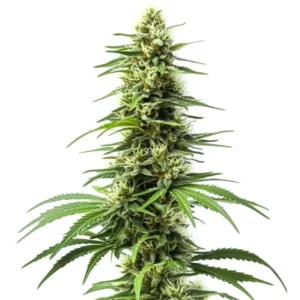
Choosing the right strain can make managing transpiration much easier. For example, Bruce Banner Fast Version is known for its resilience and ability to produce significant yields even in less controlled environments. This makes it a great choice for growers still mastering their environmental controls.
Meanwhile, strains like GG4 are favored for their robust growth and high yield potential, particularly when transpiration is optimized. Selecting strains that match your growing conditions can help you maximize your yield with less effort.
FAQs about What’s the connection between cannabis transpiration and yield?
How does cannabis transpiration affect yield?
Cannabis transpiration directly affects yield by influencing nutrient uptake and plant health. When transpiration is optimized, plants can absorb water and nutrients more efficiently, leading to robust growth and higher yields. If transpiration is too low or too high, it can stress plants, affecting their overall productivity.
Maintaining optimal conditions in your grow room, such as temperature and humidity, is crucial for effective transpiration. By doing so, you ensure that your plants are in the best possible environment to thrive and produce a plentiful harvest.
What environmental factors influence cannabis transpiration?
Several environmental factors affect transpiration, including temperature, humidity, light intensity, and air movement. High temperatures and light intensity increase transpiration rates, while high humidity can slow it down. Adequate air movement is also essential to prevent stagnation and promote healthy transpiration.
Adjusting these factors to suit your specific strain and growing conditions will help optimize transpiration. This balance is key to ensuring your plants remain healthy and productive throughout their growth cycle.
Which strains are best for high-transpiration environments?
Strains like GG4 and Gorilla Sherbet are well-suited for high-transpiration environments. These strains are known for their robust growth and resilience, allowing them to thrive even when transpiration rates are elevated. They can handle the increased nutrient uptake demands without stress.
If you’re growing in a high-transpiration setting, selecting strains like these can help you achieve better yields and healthier plants. They are better adapted to manage water and nutrient flow, making them ideal for experienced growers aiming for high yields.
What tools can help manage transpiration in a grow room?
To effectively manage transpiration, consider using hygrometers and thermometers to monitor humidity and temperature levels. These devices provide real-time data, enabling you to make necessary adjustments to maintain optimal growing conditions. Automated environmental control systems can also be beneficial.
Additionally, digital soil moisture meters can help you avoid over or under-watering, which impacts transpiration. By using these tools, you can create a stable environment conducive to healthy plant growth and maximize yield potential.
Can strain selection affect transpiration management?
Yes, strain selection significantly impacts how you manage transpiration. Different strains have varying tolerances and requirements for environmental conditions. Strains like Bruce Banner Fast Version and Purple Lemonade Autoflower are more adaptable to different transpiration rates and environmental conditions.
Choosing a strain that matches your growing conditions simplifies transpiration management and increases the likelihood of a successful harvest. Consider your environment and growing capabilities when selecting strains to ensure they align with your ability to maintain optimal growing conditions.