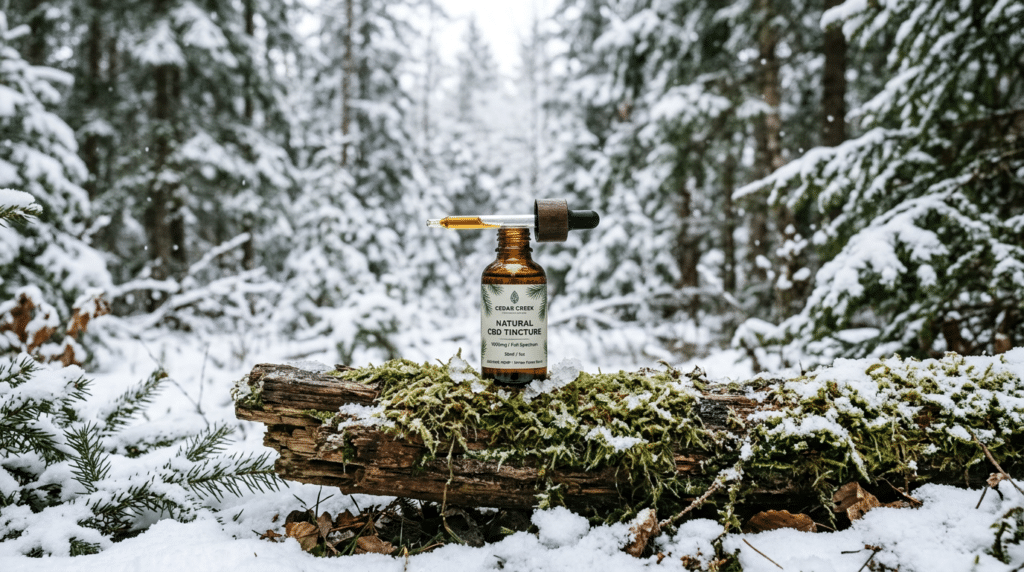
What THC Free CBD Really Means and Why the Hemp Strain Behind It Matters

Grab two THC-free CBD tinctures off any shelf. Same price point, same milligram count, identical labels. One works well. The other feels like nothing. Most people blame the brand or assume CBD just does not work for them.
The real answer usually traces back to a farm, specifically, back to the seed that went into the ground months before that bottle existed.
Recommended Strains

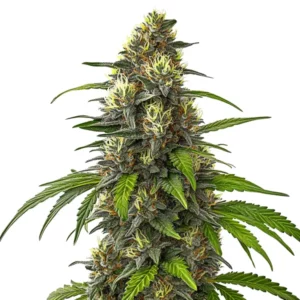
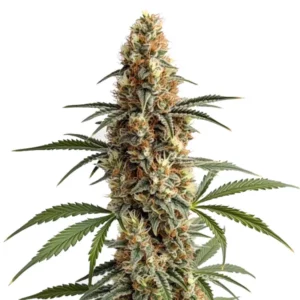
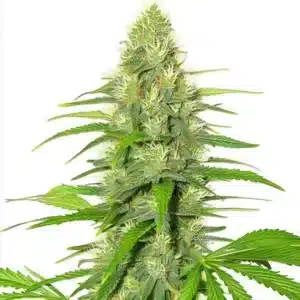
Fat Bastard

|
THC | 30% - 38% (High) |

|
Type | Feminized |

|
Yield | High |

|
Phenotype | 50% Indica / 50% Sativa |

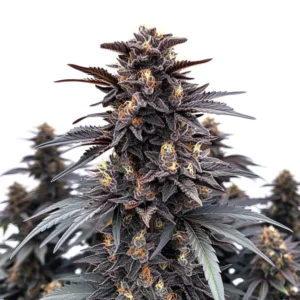
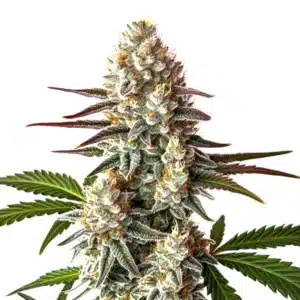
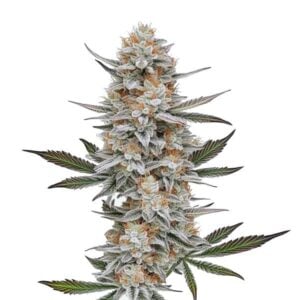
Cafe Racer
|
|
THC | 25% (High) |
|
|
Type | Feminized |
|
|
Yield | Medium |
|
|
Phenotype | 30% Indica / 70% Sativa |
What THC-Free CBD Actually Means
THC-free CBD refers to products where tetrahydrocannabinol has been either fully removed or reduced to undetectable levels, typically confirmed through third-party lab testing.
Two different products carry that label, and they are not the same thing:
- CBD Isolate: one compound, full stop. Everything except cannabidiol gets stripped away during processing. No terpenes, no minor cannabinoids, nothing alongside it.
- Broad-Spectrum: THC gets filtered out, but the rest of the plant’s profile stays. Other cannabinoids and terpenes remain in the extract.
Both are legitimate options depending on what someone needs. Drug testing concerns, personal preference, and sensitivity to psychoactive compounds are real reasons people choose THC-free. What the label does not address is what the product was built from before any of that processing happened. The National Center for Complementary and Integrative Health notes that CBD research is still an evolving field, which makes sourcing context more relevant than most buyers realize.
Promos & Deals
Why the Source Strain Is the Part Most Buyers Never Think About
The hemp cultivar a farmer selects determines the plant’s natural cannabinoid ratios, terpene density, and how much refinement the raw extract will need before it becomes a finished product.
Hemp genetics vary more than most people outside the cultivation world appreciate. Certain cultivars are specifically developed to produce high CBD output with naturally low THC from the start. Others land somewhere in the middle and need heavier processing to reach compliant levels.
Here is where it gets relevant to the buyer. Every refinement pass takes something. Terpenes drop out. Minor cannabinoids are reduced. The overall complexity of the plant’s chemistry gets thinner each time. A product that started with well-suited genetics needs far less of that intervention, and what survives into the finished extract reflects it.
How seed-level cultivation choices shape the end product is a conversation that happens constantly among growers. It almost never reaches the consumer.
How Hemp Farming Regions Affect CBD Quality
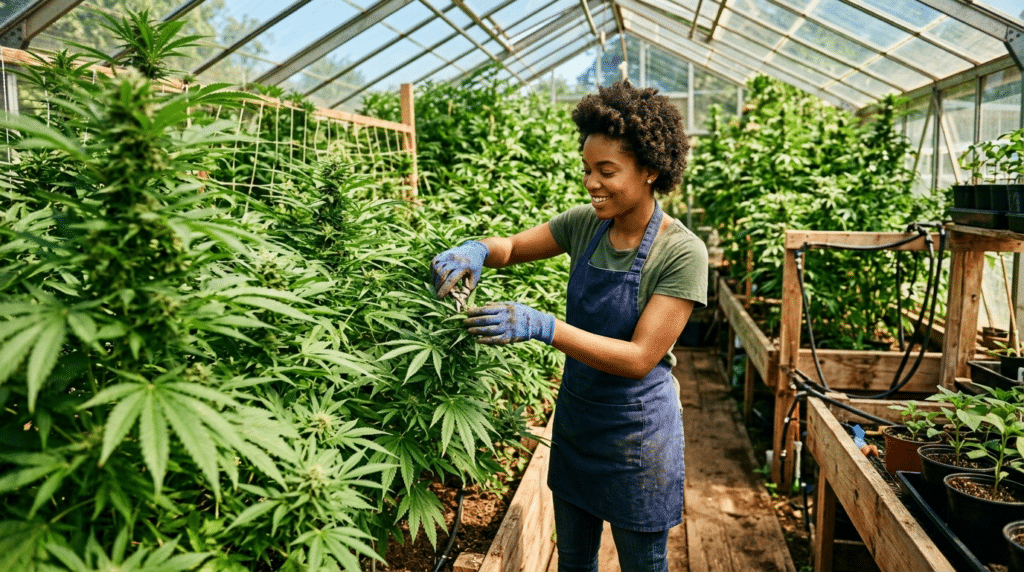
Where a hemp plant is grown influences its cannabinoid development just as much as its genetics, because soil composition, climate, and regional farming practices all shape what the plant produces.
California runs one of the stricter hemp regulation frameworks in the country. The farmers in the Sacramento Valley work within the framework of the legitimate supervision by the state, while the area itself has everything required in terms of the agricultural background, favorable climate, fertile soil, and efficient agricultural infrastructure.
Batch-to-batch variability is a quiet but persistent problem in the CBD space. A plant raised in predictable, well-managed conditions just produces a more reliable cannabinoid profile. Less swing in the source material means less swing in what ends up extracted from it. In states like California, where state-licensed weed delivery Sacramento operates under strict local rules, the accountability layer around product sourcing is more developed than in most markets.
The Real Difference Between Isolate and Broad-Spectrum
CBD isolate means a product containing only cannabidiol and nothing else, whereas broad spectrum keeps the rest of the chemicals found in the plant without THC.
The use of isolate is rather simple: one substance, a stable dosage, and clear results seen from lab tests. Isolate takes out all guesswork about THC content.
Broad-spectrum is more complicated, and genetics play into it more directly. The idea behind broad-spectrum is that keeping other cannabinoids and terpenes alongside CBD allows for something researchers call the entourage effect, where compounds potentially work better in combination than in isolation. Whether that holds depends on what the source plant actually brought to the process.
A cultivar with limited terpene expression does not improve at the extraction stage. Whatever was not there to begin with does not show up later.
How Terpenes Shape the Experience of a THC-Free Product
Terpenes are the aromatic compounds found in hemp that vary significantly by cultivar and directly influence how a CBD product feels in use.
Two products. Same milligrams. Same label. One person finds it relaxing, another finds it sharpening. Terpenes are usually the explanation nobody offers.
A myrcene-heavy source strain tends to produce something that pulls toward calm. Pinene-forward genetics lean the other direction, more clarity, less sedation. None of that appears on the label, but it shapes the experience completely. Understanding how cannabis strains behave is baseline knowledge in cultivation circles. It rarely makes it into retail conversations.
Breeders working with white hemp cultivars pay close attention to terpene consistency for exactly this reason. You cannot breed for a predictable experience without breeding for consistent terpene expression first.
What to Actually Look for When Buying THC-Free CBD
A current certificate of analysis, a clear product type distinction, and some transparency about the hemp source are the three things worth verifying before purchasing any THC-free CBD product.
Most people skip all three and just read the front label. Here is what actually checking them involves:
- Certificate of Analysis: find the cannabinoid panel. CBD, THC, CBG, and CBN should all be listed. Check the sample date; anything older than 12 months is worth questioning. The lab should be an independent ISO-accredited facility, not something the brand operates internally. No date or in-house testing? Keep looking.
- Product Type: isolate or broad-spectrum. One question, but the answer changes what a product can and cannot do.
- Hemp Source: most brands say nothing here. A brand that can name the region and cultivar their hemp came from is offering real information. It is uncommon, which is part of why it signals something.
Frequently Asked Questions
Is THC-free CBD the same as CBD isolate?
However, not quite similar, despite being viewed similarly by people. Isolate eliminates all other components aside from cannabidiol. On the other hand, broad-spectrum extracts only eliminate THC, retaining other natural compounds in the plant. Both are tagged as THC-free products.
Can THC-free CBD still show up on a drug test?
Should not, if the product is properly made and verified. That word “should” carries some weight, though. Manufacturing cross-contamination is a real issue at the lower end of the market. A current third-party COA is what actually backs up the label claim, not the label itself.
Does the hemp strain affect a THC-free CBD product?
In a significant way. The genetics establish the cannabinoid and terpene composition prior to extraction. A strain with a natural tendency towards a low THC composition would require minimal processing to achieve THC-free status.
What is the entourage effect, and does it apply to THC-free CBD?
The entourage effect is the concept that cannabinoids and terpenes have a higher effectiveness when combined compared to when used individually. The entourage effect can be applicable in cases where the product is broad-spectrum and the two components mentioned are able to retain their effectiveness despite the removal of THC.
Is THC-free CBD legal to order for delivery in California?
Yes. CBD products derived from industrial hemp and containing less than 0.3% THC are legal in California. Delivery is regulated by both the state and local jurisdictions like Sacramento. In this state, regulations are more elaborate compared to those in other states.
How do I know if a THC-free CBD product is actually good quality?
Third-party COA that is current. Clear answer on isolate versus broad-spectrum. Some actual information about hemp sourcing. Brands that provide all three without being asked are usually the ones with nothing to hide. Brands that avoid any of it tend to have a reason for that, too.