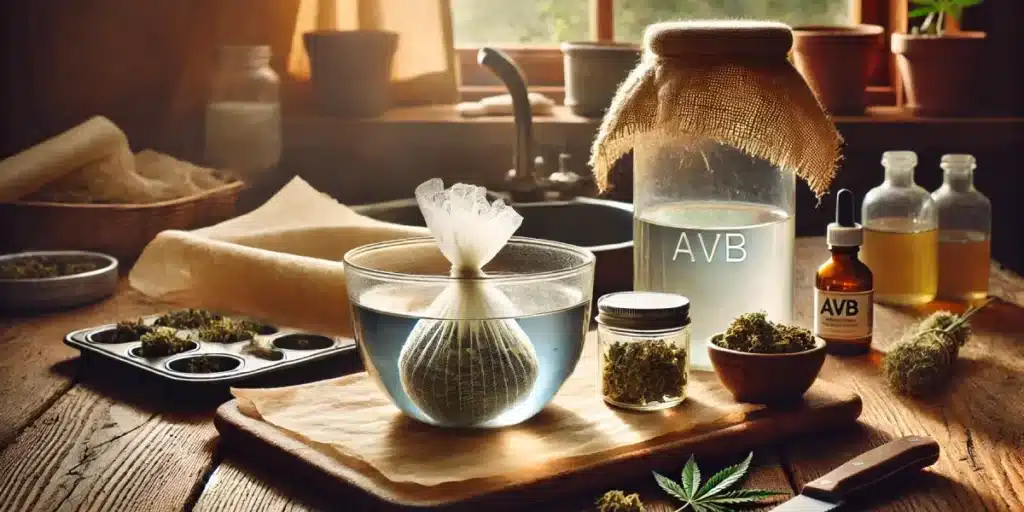
How to Water Cure AVB: Step-by-Step Process

Water cure AVB is a method to enhance the quality of already vaped bud by removing unwanted flavors and impurities. Soaking AVB in water for 24 hours, with water changes every 6-8 hours, preserves cannabinoids while improving taste. This process maximizes cannabis value, offering a sustainable and cost-effective option for enthusiasts.
Water curing AVB transforms your already vaped bud into a more palatable and versatile product. By removing harsh flavors and impurities, you can elevate the quality of your cannabis experience. This process not only improves taste but also ensures that your AVB retains its cannabinoids, making it ideal for edibles or smoking.
Recommended Strains
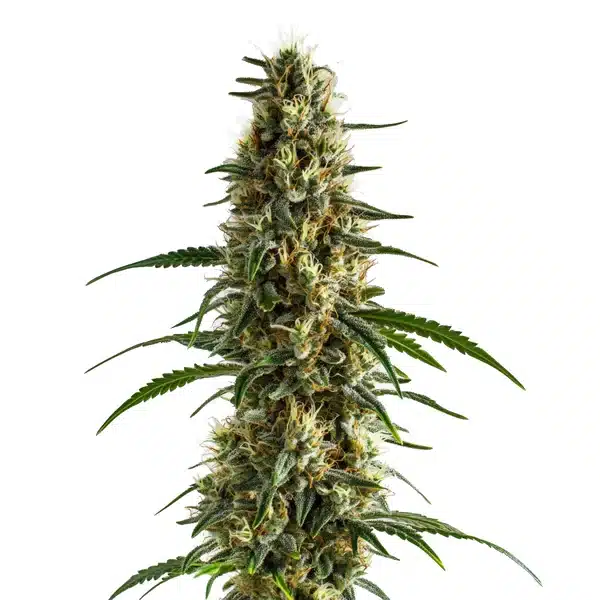
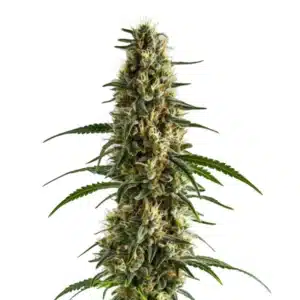
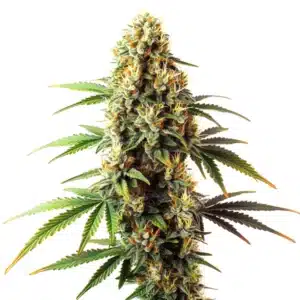
Clementine

|
THC | 18% - 22% (Medium) |

|
Type | Feminized |

|
Yield | Medium |

|
Phenotype | 30% Indica / 70% Sativa |
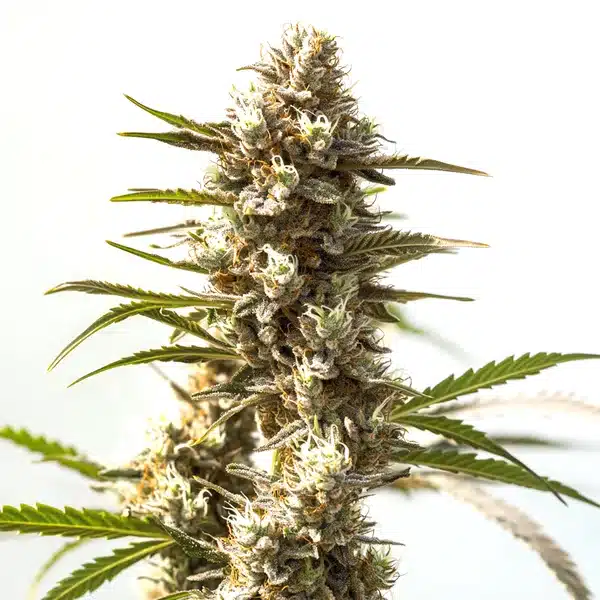
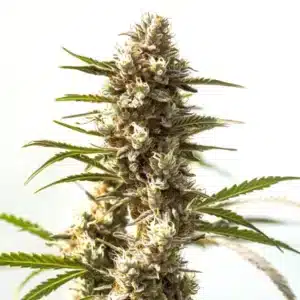
Power Plant
|
|
THC | 13% - 21% (Medium) |
|
|
Type | Feminized |
|
|
Yield | High |
|
|
Phenotype | 40% Indica / 60% Sativa |
What is AVB and Why Water Cure It?
Understanding AVB
Already Vaped Bud (AVB) is the residue left after vaporizing cannabis. Although it appears spent, AVB retains cannabinoids like THC and CBD. However, the flavor is often compromised due to the vaping process. This leftover material can still be valuable if properly processed.
AVB typically contains 20-30% of its original cannabinoid content. This makes it a worthwhile resource for those looking to maximize their cannabis investment. The challenge lies in removing the unpleasant taste without losing potency.
Benefits of Water Curing
Water curing AVB significantly improves its flavor and usability. By soaking AVB in water, you can wash away water-soluble compounds like chlorophyll, which contribute to its bitter taste. This leaves behind a cleaner product that retains its psychoactive properties.
This process not only enhances the taste but also increases the versatility of AVB. Whether used in edibles, oils, or smoked, water-cured AVB provides a smoother experience. The method is eco-friendly, reducing waste and maximizing your cannabis use.
Promos & Deals

Step-by-Step Guide to Water Curing AVB
Materials Needed
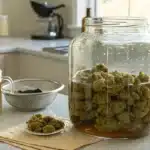
Before starting, gather the following materials: a large bowl or container for soaking, cheesecloth or a fine mesh strainer to hold the AVB, clean filtered water, and a baking sheet with parchment paper for drying. These items ensure a straightforward and efficient process.
Using filtered water is crucial to avoid introducing impurities. A cheesecloth or fine mesh strainer keeps the AVB contained while allowing water to pass through. This setup facilitates easy handling and effective curing.
Preparing and Soaking AVB
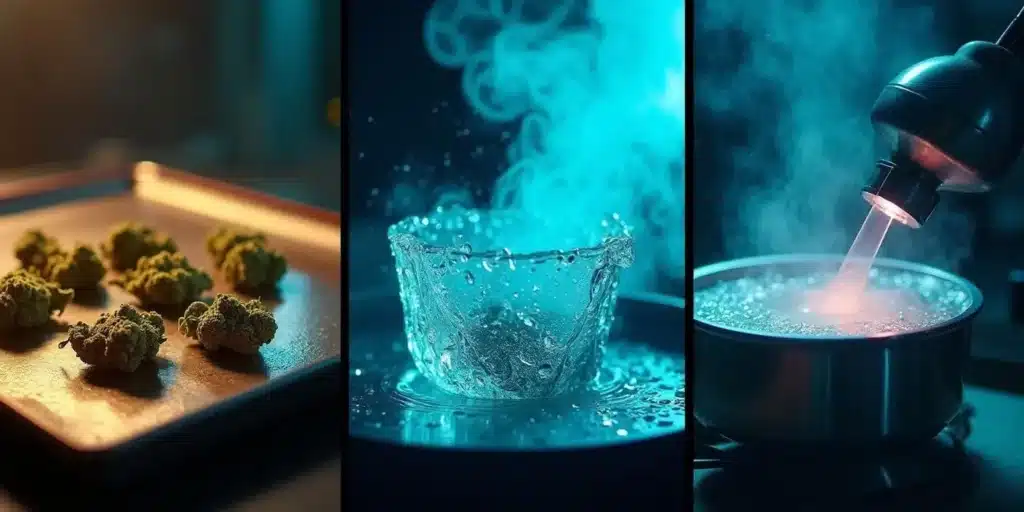
Begin by placing your AVB into the cheesecloth or mesh bag. Submerge it in a bowl of cool, filtered water. Allow it to soak for 24 hours, changing the water every 6-8 hours. Each change helps remove more impurities, evident by the water turning murky.
Ensure the AVB remains fully submerged throughout the soaking period. For larger batches, use a larger container and more water. This step is crucial for achieving maximum results and a cleaner final product.
Rinsing and Drying Process
After 24 hours, remove the AVB bag from the water and rinse it under cool running water. This final rinse eliminates any remaining impurities. Spread the rinsed AVB on a baking sheet lined with parchment paper to dry.
Allow the AVB to air-dry in a warm, well-ventilated area. Alternatively, use an oven set to 200°F (93°C) to speed up drying. Check every 20-30 minutes, stirring occasionally to prevent uneven drying or overheating.
Enhancing the Curing Process
To further enhance the water curing process, consider using a French press for smaller batches. The French press method allows for easy water changes and minimizes mess. Simply place your AVB in the press, fill with cool water, and let it sit for 24 hours. Change the water every 6-8 hours by pressing and draining. This method ensures thorough impurity extraction and is particularly effective for small quantities.
For those with larger batches, the traditional soaking method remains the most effective. The key is to maintain a consistent water temperature of 68-72°F (20-22°C) to prevent cannabinoid degradation. Avoid using hot water, which can reduce potency.
| Feature | Water Cure | Alcohol Extraction | AVB Tea |
|---|---|---|---|
| Time Required | 24-48 hours | 2-4 hours | 15-30 minutes |
| Potency Retention | High | Medium | Low |
| Flavor Improvement | Significant | Moderate | Minimal |
| Ease of Use | Moderate | Challenging | Easy |
| Cost Effectiveness | High | Medium | Low |
Alternative Methods: French Press and More
Water Cure AVB French Press Method
The French press method offers a convenient alternative for water curing AVB. Place your AVB in the press, fill with cool water, and let it sit for 24 hours. This method allows for easy water changes by simply pressing and draining the water.
Repeat the water change every 6-8 hours. The French press method is efficient and minimizes mess, making it an excellent option for small batches. It also ensures thorough extraction of impurities.
Comparing Methods
While the French press method is convenient, it may not be suitable for large quantities of AVB. For those dealing with larger batches, the traditional soaking method might be more effective. Each method has its advantages depending on your needs.
Consider your batch size and available equipment when choosing a method. The goal is to maximize the quality and usability of your AVB with minimal hassle.
Professional Tips for Water Curing AVB
- Maintain a water temperature of 68-72°F (20-22°C) during the soak to prevent cannabinoid degradation. Avoid using hot water, which can reduce potency.
- Change the water every 6-8 hours to ensure thorough removal of impurities. Skipping this step can result in an incomplete cure.
- Use filtered water to avoid introducing new impurities. Tap water may contain minerals that affect the curing process.
- Ensure AVB is fully submerged during soaking. Floating material may not cure properly, leading to uneven results.
- Dry AVB completely before storage to prevent mold. Moisture can lead to spoilage, compromising your product’s quality.
- Store cured AVB in an airtight container in a cool, dark place. This preserves potency and prevents degradation over time.
FAQs About Water Curing AVB
Is water curing AVB worth it?
Water curing AVB is worth it for those looking to improve the taste and usability of their cannabis. The process retains cannabinoids while removing unpleasant flavors, making it ideal for edibles or smoking. With a 24-48 hour commitment, the benefits of a cleaner, more versatile product are significant.
How to water cure AVB?
To water cure AVB, place it in a cheesecloth or mesh bag and soak in cool, filtered water for 24 hours. Change the water every 6-8 hours to remove impurities. After soaking, rinse thoroughly and dry completely. This process enhances flavor and retains potency.
Do I dehydrate my AVB after water curing?
Yes, dehydrating AVB after water curing is essential to prevent mold and spoilage. Spread it on a baking sheet and air-dry in a warm, ventilated area, or use an oven at 200°F (93°C). Ensure it is fully dry before storing to maintain quality.
Is AVB fully decarbed?
AVB is partially decarbed through the vaping process, which activates cannabinoids like THC. However, the extent of decarboxylation depends on vaping temperature and duration. Typically, AVB retains enough potency for use in edibles without further decarboxylation.
Can I use water-cured AVB in edibles?
Yes, water-cured AVB is excellent for edibles. The process removes bitter flavors, making it suitable for cooking or baking. With cannabinoids already activated, it integrates easily into recipes, providing a cleaner taste and consistent potency.