How CBD Roll-On Oil Supports Post-Workout Recovery

Whether you’re lifting, marathon training, or easing back into a routine, soreness is almost inevitable. So does rubbing a CBD roll-on onto tired muscles actually help or is it just a pleasant ritual? Here’s an honest look at where it fits.
Some discomfort is a normal part of getting stronger, but lingering aches and stiff joints can make it harder to stay consistent. Many active people now reach for topical wellness products as part of their recovery, and CBD roll-on oil has become one of the more popular options. Easy to apply and built for targeted use, it offers a convenient way to look after tired muscles and joints after exercise.
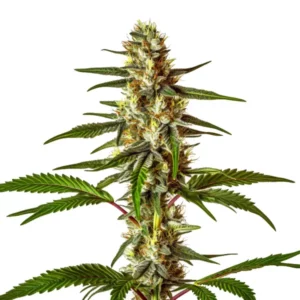
Recommended Strains

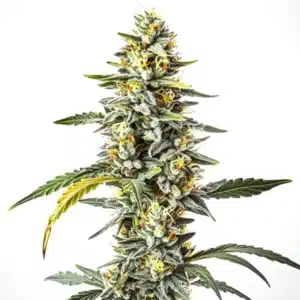
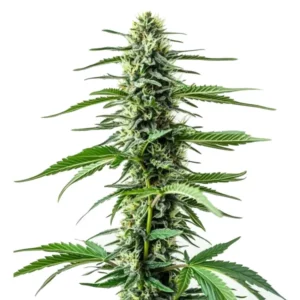
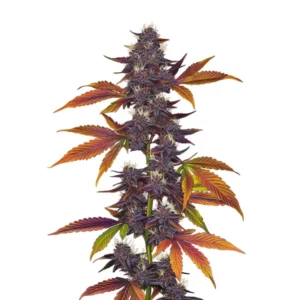
CBD 1-CA (1:20)

|
CBD | 18% – 20% (Medium) |

|
Type | CBD Feminized |

|
Yield | Medium |

|
Phenotype | 40% Indica / 60% Sativa |
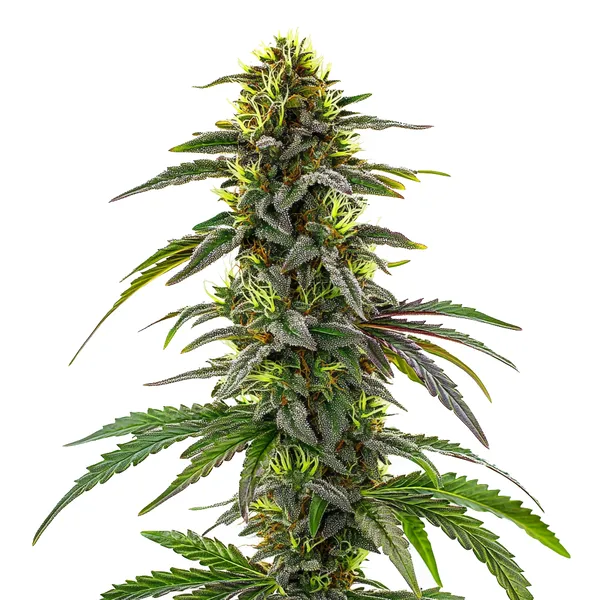
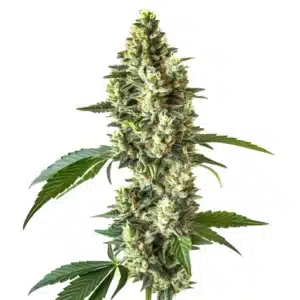
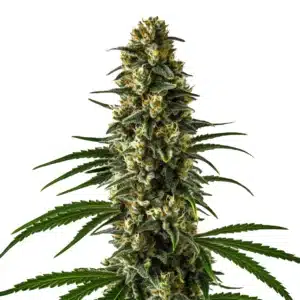
CBD Cafe Racer
|
|
CBD | 8% – 10% (Low) |
|
|
Type | CBD Feminized |
|
|
Yield | High |
|
|
Phenotype | 40% Indica / 60% Sativa |
Why Recovery Matters as Much as the Workout
Exercise puts real stress on muscles, tendons and joints. During strength or endurance work, tiny muscle fibres pick up microscopic damage. That sounds alarming, but it’s normal and it’s exactly how muscles rebuild stronger.
The side effect is soreness. That familiar next-day ache has a name, delayed onset muscle soreness (DOMS), and it typically shows up 24 to 72 hours after a session. Recovery is simply the time your body needs to repair those tissues. Alongside sleep, hydration, good nutrition and mobility work, topical products can be one part of a well-rounded recovery strategy.
What Is CBD Roll-On Oil?
Start with the basics, because the format matters. CBD, or cannabidiol, is a naturally occurring compound from the hemp plant. Unlike THC, it doesn’t produce an intoxicating or “high” effect.
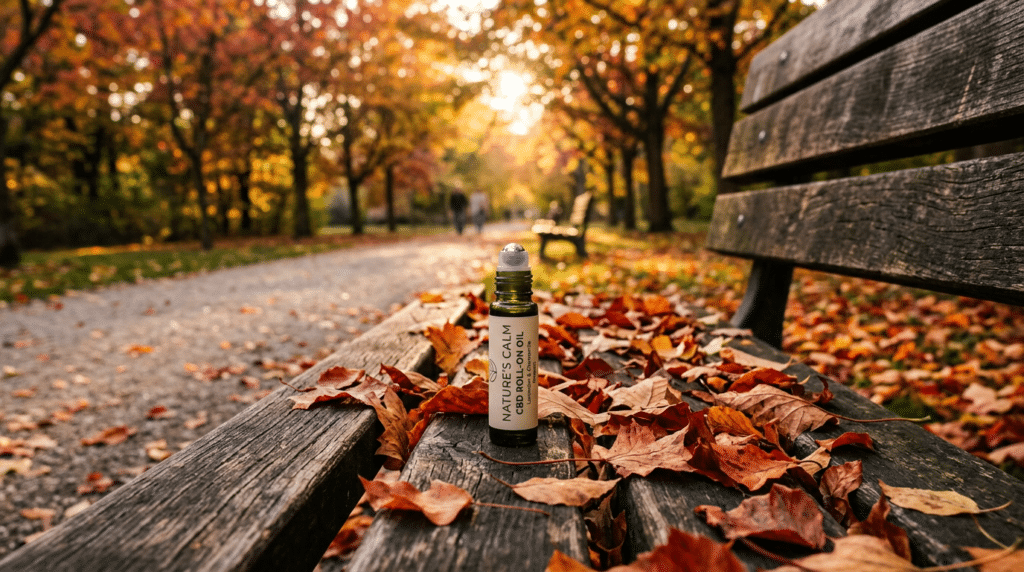
A CBD roll-on combines cannabidiol with a carrier oil, and often adds ingredients like menthol, peppermint, eucalyptus or arnica. The rollerball applicator makes it easy to apply directly to a sore or stiff area, with no residue left on your hands. It’s a topical, meaning it’s designed to work locally on the spot you rub it into rather than travelling through your whole system.
Promos & Deals

Does CBD Roll-On Help Muscle Recovery?
Research on topical CBD is still developing, but there are several practical reasons active people fold it into their routine.
Targeted Application
Unlike something you swallow, a roll-on goes exactly where the discomfort is. That lets you focus on specific muscles or joints after training, the shoulders, knees, calves or lower back, rather than applying a product across your whole body for one sore spot.
A Cooling, Comforting Sensation
Many roll-ons include cooling ingredients like menthol or peppermint oil, which create an immediate soothing sensation. That can be especially welcome after weight training, a long run, a ride or a high-intensity session and the act of rolling it on adds a little massage to the area too.
Support for a Consistent Routine
Recovery is more about habits than any single product. Applying a roll-on after training can become a simple cue that anchors the rest of your routine, sitting alongside stretching, foam rolling, hydration and nutrition. Consistency is what helps you come back to the next session feeling readier.
What the Research Actually Says
Here, honesty matters more than hype. Research into topical CBD is encouraging but still evolving, and anyone promising guaranteed results is getting ahead of the evidence. Recent reviews published in the American Journal of Clinical Dermatology suggest that topical CBD has potential anti-inflammatory, antioxidant, and moisturising properties that may support skin recovery and comfort after physical activity.
At the same time, researchers emphasise that clinical evidence remains limited, and that more high-quality human studies are needed to fully understand its effectiveness.
A few honest takeaways from the wider evidence:
- The effect appears strongest on how sore people feel, rather than on lab measures of muscle damage.
- Results seem to depend on the type of exercise and how trained a person already is.
- Topical application is well suited to targeting a specific area.
- CBD is generally reported to be well tolerated, with a good safety profile.
In short, the research supports cautious optimism about comfort, not a miracle cure.
How to Use It: Common Areas to Apply
Most people use a roll-on on the spots that tend to take the load during training, including:
- Neck and shoulders
- Lower back
- Knees and elbows
- Wrists and ankles
- Calves and thighs
Always follow the product directions, and avoid applying it to broken or irritated skin.
How to Choose a Quality CBD Roll-On
Not all CBD products are made to the same standard, and the label doesn’t always match what’s inside. This is where a little care makes the difference between a fair trial and a waste of money.
The single most important thing to look for is third-party lab testing (a Certificate of Analysis), which verifies the actual CBD content and screens for contaminants like heavy metals, pesticides and residual solvents. Choosing a quality CBD Roll On Oil from a transparent brand is what lets you trust that what’s on the label is what’s in the bottle.
CBD For Life is one brand that makes topical CBD products designed for targeted use on muscles and joints. Beyond the lab report, favour a clearly stated CBD amount, hemp from reputable growers, a transparent ingredient list, and minimal unnecessary additives.
Make Recovery a Complete Strategy
A roll-on is a useful addition to the toolkit, but it works best as one part of a broader approach. It pairs naturally with:
- A proper warm-up before exercise
- Gentle stretching afterwards
- Adequate hydration and a protein-rich, balanced diet
- Enough sleep, and rest days when you need them
These are the habits that genuinely drive recovery and lower the risk of overuse injuries. The roll-on layers comfort on top of them rather than replacing them.
Frequently Asked Questions
Does CBD roll-on actually work for sore muscles?
Current research points to cautious optimism rather than certainty. Topical CBD may ease how sore an area feels after training and offers a convenient, targeted way to support comfort. Clinical evidence in humans is still limited, though, so treat it as one helpful recovery aid, not a guaranteed or medical solution.
Will a CBD roll-on make me feel high?
No. CBD is non-intoxicating and does not produce the “high” associated with THC. A roll-on is also a topical, designed to work locally on the area you rub it into rather than travelling through your whole system, so you can use it before or after training without any impairment.
Where should I apply CBD roll-on after a workout?
Most people target the areas that take the most load in training: the neck and shoulders, lower back, knees, elbows, wrists, ankles, calves and thighs. Roll it directly onto the sore or stiff spot and follow the product directions. Avoid applying it to broken, cracked or irritated skin.
How do I choose a good CBD roll-on?
Prioritise third-party lab testing, shown as a Certificate of Analysis, which confirms the actual CBD content and screens for contaminants like heavy metals, pesticides and residual solvents. Beyond that, look for a clearly stated CBD amount, hemp from a reputable source, a transparent ingredient list and minimal unnecessary additives.
Is a CBD roll-on enough on its own for recovery?
No single product carries recovery on its own. A roll-on works best as one part of a complete routine that includes a proper warm-up, gentle stretching, hydration, balanced protein-rich nutrition and enough sleep. It layers comfort on top of those habits, which are what genuinely repair tissue and lower injury risk.