What is a Kush? Cannabis Origins Explained

Kush cannabis origins: Kush strains are a group of potent Cannabis indica varieties that trace their lineage to the Hindu Kush mountain range, spanning Afghanistan and Pakistan. Known for their high THC content, often exceeding 25%, these strains provide deep relaxation and stress relief. Expert cultivators appreciate Kush for its resilience in harsh climates, making it a staple in both medical and recreational markets.
Kush strains are renowned for their unique terpene profiles, including myrcene and limonene, which contribute to their distinct aromas and flavors. These strains typically flower in 8-10 weeks, making them a favorite among growers seeking quick turnarounds. The robust genetics of Kush allow it to thrive in various environments, from indoor setups to outdoor gardens.
Recommended Strains
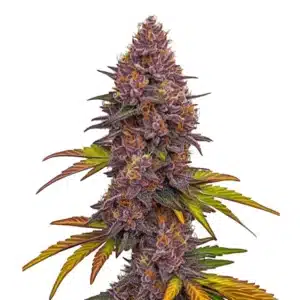
Grizzly Purple Auto

|
THC | 9% - 13% (Low) |

|
Type | Autoflowering |

|
Yield | Low |

|
Phenotype | 80% Indica / 20% Sativa |
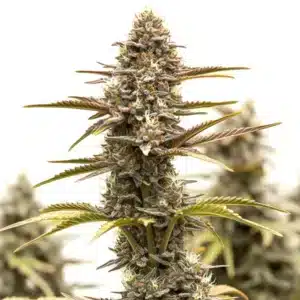
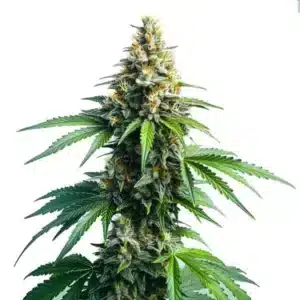
Grizzly Purple Kush
|
|
THC | 15% - 20% (Medium) |
|
|
Type | Feminized |
|
|
Yield | High |
|
|
Phenotype | 70% Indica / 30% Sativa |
What is a Kush?
Origins and Definition
Kush strains originate from the Hindu Kush mountain range, a region known for its rugged terrain and diverse climate. This area has naturally selected cannabis plants with robust genetics capable of withstanding harsh conditions. These strains are predominantly indica, characterized by their short stature and broad leaves.
The unique genetic makeup of Kush strains includes high levels of THC, often ranging from 20% to 30%, and a rich terpene profile. Myrcene, a dominant terpene in Kush, ranges from 0.5% to 1.5%, contributing to its earthy aroma and enhancing THC’s psychoactive effects by facilitating its passage through the blood-brain barrier.
These genetic traits make Kush strains particularly resilient to environmental stressors, such as temperature fluctuations and pests. The robust nature of these plants allows them to thrive in both controlled indoor environments and outdoor settings, where they can benefit from natural sunlight and airflow.
Additionally, the high THC content and unique terpene profiles of Kush strains make them highly sought after in the cannabis market. The interplay between these compounds creates a complex and enjoyable experience for users, characterized by a balance of relaxation and euphoria.
History of Kush
The history of Kush is deeply rooted in the Hindu Kush region, where local farmers have cultivated these strains for centuries. The harsh climate and mountainous terrain have led to the development of resilient cannabis plants with unique characteristics. These early strains were brought to the Western world in the 1970s, where they gained popularity for their potent effects and distinctive flavors.
As cannabis culture evolved, breeders began crossing original Kush varieties with other popular strains, creating hybrids with enhanced flavors and effects. This breeding process has resulted in a diverse array of Kush hybrids, each with its own unique profile, such as the legendary OG Kush, which combines Hindu Kush landrace genetics with the potent Chemdog strain.
Throughout the 1980s and 1990s, Kush strains became a cornerstone of the cannabis breeding industry. Breeders capitalized on their robust genetics to create new hybrids that offered increased yields, improved pest resistance, and more complex terpene profiles. These advancements have solidified Kush’s reputation as a versatile and valuable component of the cannabis gene pool.
The global spread of Kush genetics has also contributed to the development of regional cannabis cultures. In places like California, Kush strains have become synonymous with high-quality cannabis, influencing both cultivation practices and consumer preferences. This cultural impact underscores the enduring legacy of Kush in the cannabis world.
Promos & Deals
Characteristics of Kush Strains
Visual and Aromatic Features
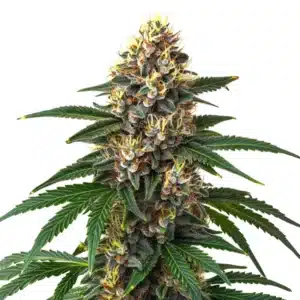
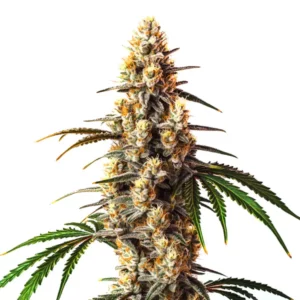
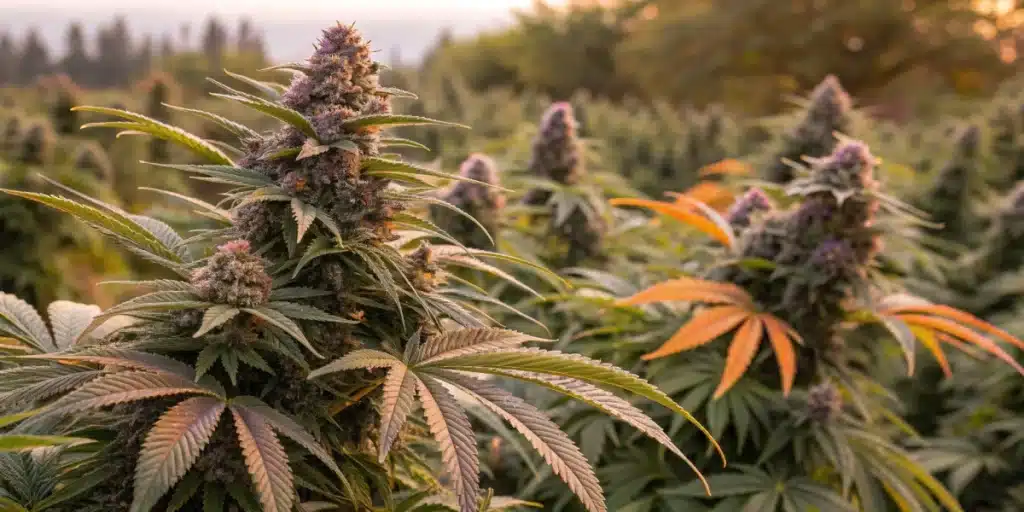
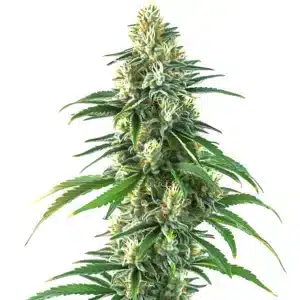
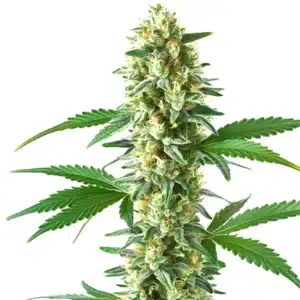
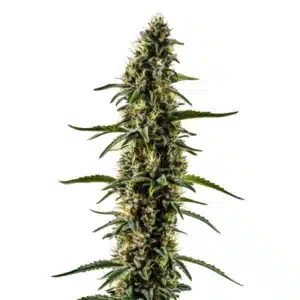
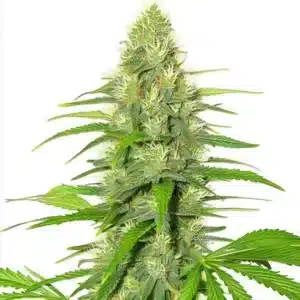
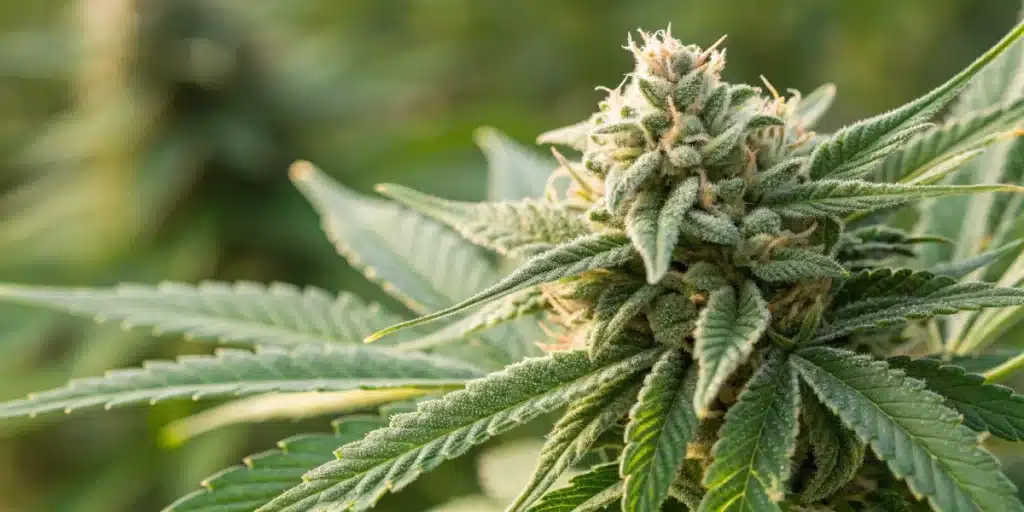
Kush strains are visually striking, often displaying deep green or purple hues with dense, resinous buds covered in trichomes. These trichomes are rich in cannabinoids and terpenes, contributing to the strain’s potency and aroma. The aromatic profile of Kush strains includes earthy, sweet, and spicy notes, with limonene providing a citrusy undertone.
The terpene profile of Kush strains is diverse, with myrcene (0.5-1.5%) and caryophyllene (0.3-0.5%) being prominent. Myrcene enhances the sedative effects of THC, while caryophyllene offers anti-inflammatory properties by interacting with CB2 receptors. This combination makes Kush strains ideal for relaxation and pain relief.
In addition to their aromatic qualities, the visual appeal of Kush strains plays a significant role in their popularity. The dense, trichome-laden buds are not only a sign of potency but also a testament to the plant’s health and vigor. These visual cues are often used by growers and consumers alike to assess the quality of a given strain.
The interplay of terpenes and cannabinoids in Kush strains also contributes to their therapeutic potential. For example, limonene’s citrus aroma is not only pleasing to the senses but also has been associated with mood enhancement and stress relief, further broadening the appeal of Kush strains to a diverse range of users.
THC Levels and Effects
Kush strains are known for their high THC content, often exceeding 25%, which contributes to their powerful psychoactive effects. These strains produce a calming, euphoric high that relaxes both the mind and body, making them ideal for evening use and stress relief. The entourage effect, resulting from the interaction of THC with terpenes like myrcene, enhances the overall experience.
Consumers appreciate the versatility of Kush strains, as they can provide both uplifting and sedative effects depending on the specific variety. This makes them suitable for a range of activities, from social gatherings to solitary relaxation. The high THC levels also make Kush strains popular among medical users seeking relief from chronic pain and insomnia.
The psychoactive effects of Kush strains are largely attributed to their high THC content, which interacts with the body’s endocannabinoid system. This interaction primarily occurs at the CB1 receptors in the brain, leading to the characteristic euphoric and relaxing sensations. The presence of terpenes like myrcene can modulate these effects, providing a more nuanced experience.
Furthermore, the therapeutic potential of Kush strains extends beyond their psychoactive effects. The combination of high THC levels and diverse terpene profiles makes these strains effective for managing a variety of symptoms, including pain, inflammation, and anxiety. This versatility has cemented Kush’s status as a staple in both recreational and medicinal cannabis markets.
| Feature | OG Kush | Purple Kush | Amnesia Kush Auto |
|---|---|---|---|
| THC Content | 20-25% | 22-27% | 18-22% |
| Flowering Time | 8-9 weeks | 8-9 weeks | 9-10 weeks |
| Dominant Terpene | Myrcene | Caryophyllene | Limonene |
| Yield | 1.5-2 oz/ft² (450-600 g/m²) | 1.2-1.8 oz/ft² (400-550 g/m²) | 1.3-1.7 oz/ft² (400-520 g/m²) |
| Height | 3-4 ft (90-120 cm) | 2-3 ft (60-90 cm) | 3-4 ft (90-120 cm) |
Professional Tips for Growing Kush
- Maintain 58-62% RH during curing. This range preserves terpene profiles and prevents mold growth. Avoid fluctuations that can lead to terpene degradation.
- Use a 12/12 light schedule for photoperiod Kush strains to induce flowering. This mimics natural light cycles and triggers bud development.
- Feed with N:P:K 1:3:2 during flowering. This ratio supports bud growth and enhances resin production, crucial for high THC levels.
- Keep temperatures between 68°F-77°F (20°C-25°C) during the day. This range optimizes photosynthesis and prevents heat stress, ensuring healthy growth.
- Monitor pH levels at 6.0-6.5 for soil grows. This range maximizes nutrient uptake and prevents deficiencies that can stunt growth.
- Ensure proper ventilation to maintain CO2 levels at 1200-1500 ppm. This concentration boosts photosynthesis and increases yield potential.
FAQs about Kush
Does Kush get you high?
Yes, Kush strains are known for their high THC content, often exceeding 25%, which results in a potent psychoactive effect. Users typically experience a relaxing and euphoric high, making Kush popular for both recreational and medicinal use.
What did Kush mean?
The term “Kush” originally refers to a region in the Hindu Kush mountains, where these cannabis strains were first cultivated. Over time, it has come to denote a quality category of cannabis known for its potency and rich flavors.
What makes a Kush?
Kush strains are characterized by their indica-dominant genetics, high THC levels, and unique terpene profiles. They typically have dense, resinous buds and a short, bushy growth pattern, with flowering times ranging from 8 to 10 weeks.
What’s so special about Kush?
Kush strains are special due to their robust genetics, high THC content, and rich aromatic profiles. They offer a deeply relaxing experience and are highly sought after in both recreational and medicinal cannabis markets for their consistent quality.
Can I use Kush in edibles?
Yes, Kush strains can be used in edibles. Their high THC content, often over 25%, makes them ideal for potent infusions. When making edibles, decarboxylate the cannabis at 220°F (104°C) for 30-45 minutes to activate the THC.