How to Grow Afghan Kush Strain

Afghan Kush is a legendary pure indica strain known for its potent sedative effects. It features a THC content ranging from 16% to 21%, making it ideal for pain relief and insomnia. This strain thrives in dry, mountainous climates, making it perfect for growers in similar environments. Cultivate Afghan Kush for its rich resin production and traditional hash-making potential.
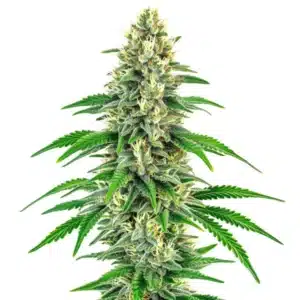
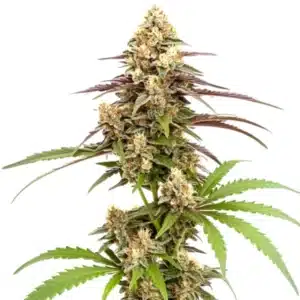
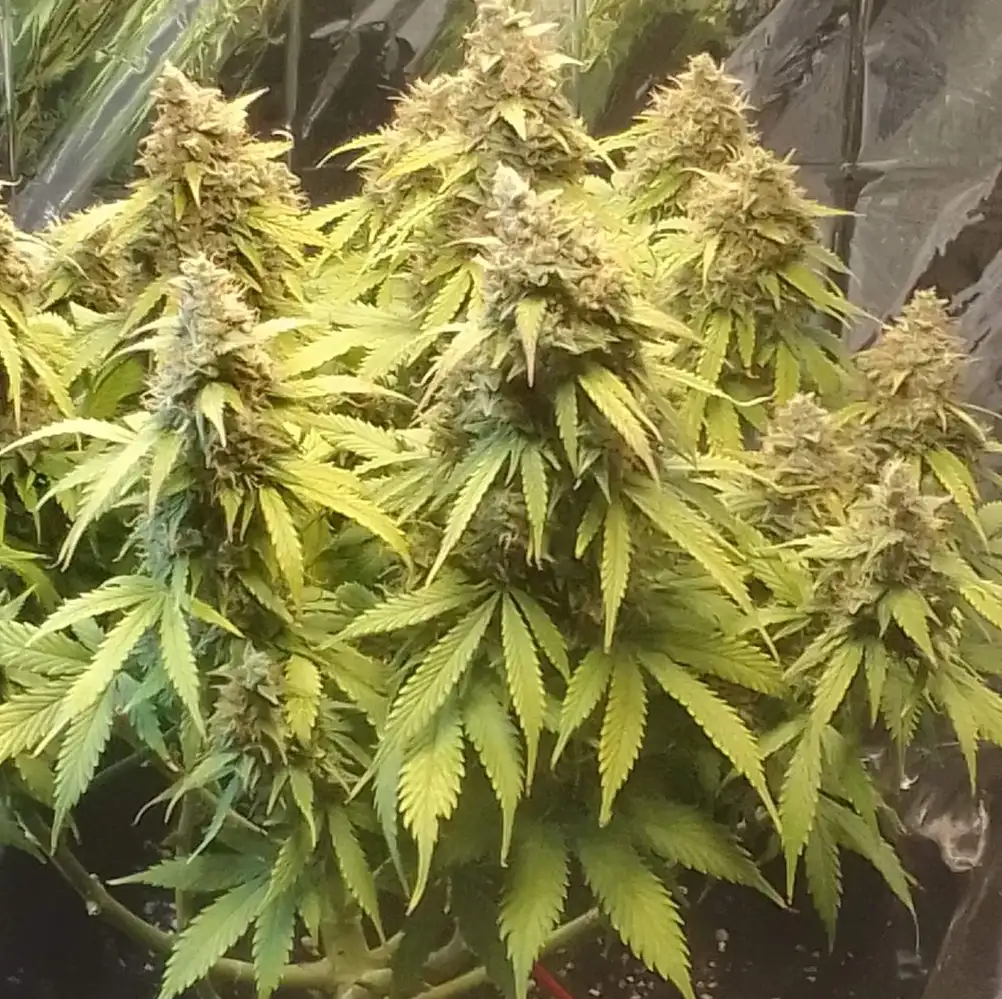
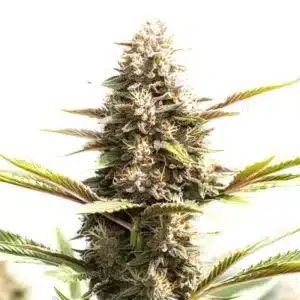
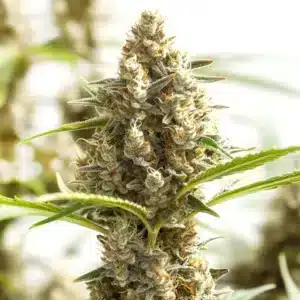
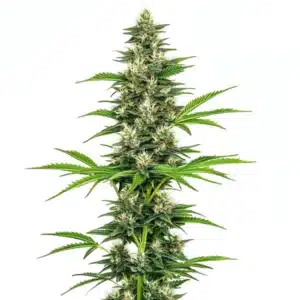
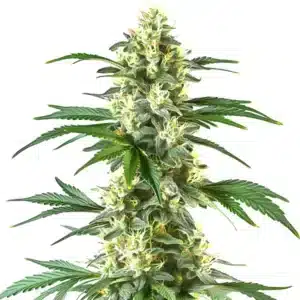
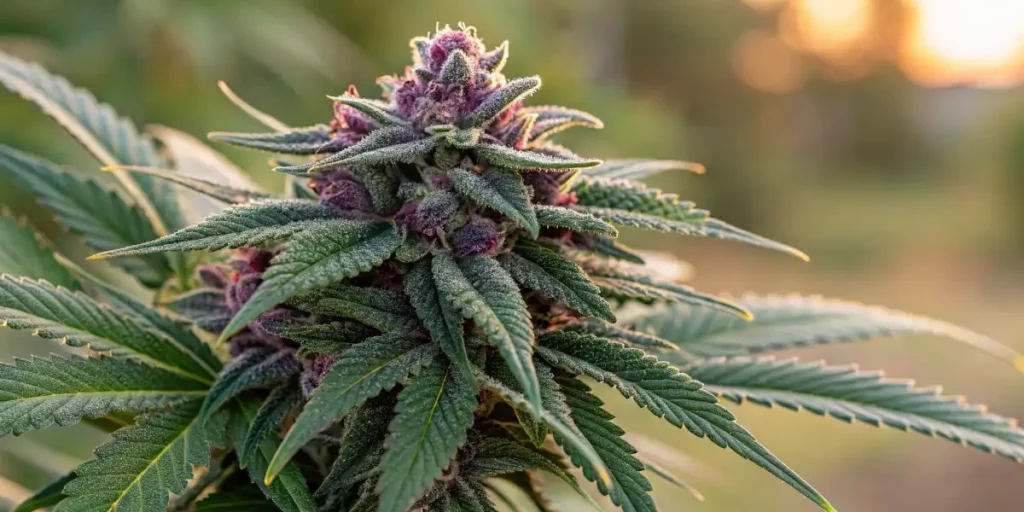
Afghan Kush is a pure indica strain originating from the Hindu Kush mountains, renowned for its earthy and pine aromas. Its dense buds are rich in terpenes like myrcene and caryophyllene, offering a unique sensory experience. Afghan Kush typically flowers in 7-8 weeks, making it a quick turnaround for growers seeking potent indica effects.
Recommended Strains
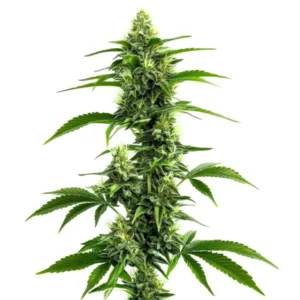
Afghan Kush

|
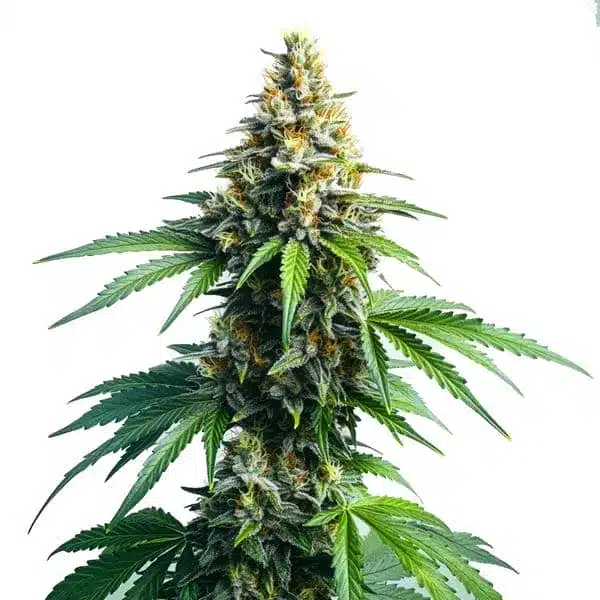
THC | 16% - 21% (Medium) |

|
Type | Feminized |

|
Yield | High |

|
Phenotype | 90% Indica / 10% Sativa |
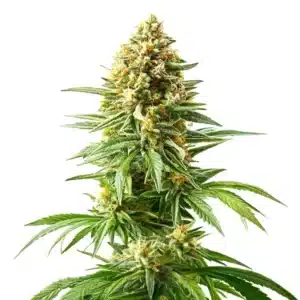
Agent Orange
|
|
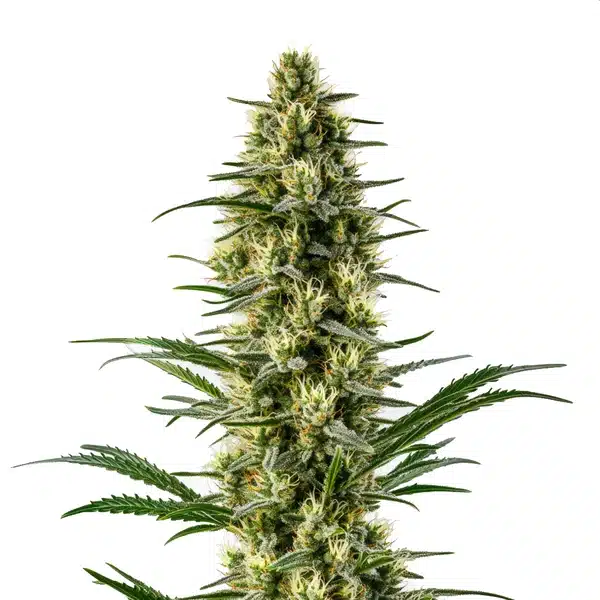
THC | 21% - 22% (Medium) |
|
|
Type | Feminized |
|
|
Yield | High |
|
|
Phenotype | 25% Indica / 75% Sativa |
Overview of Afghan Kush
Origin and History
Afghan Kush hails from the rugged terrains of the Hindu Kush mountain range, straddling the border between Afghanistan and Pakistan. This region’s harsh climate has naturally selected Afghan Kush seeds for its resilience, allowing it to thrive in dry, mountainous environments. As a landrace strain, it has remained genetically stable, preserving its pure indica lineage over centuries.
The strain’s history is deeply intertwined with traditional hash-making practices, owing to its rich resin production. Afghan Kush’s dense trichomes are ideal for producing high-quality hash, a staple in Middle Eastern and Central Asian cultures. Its historical significance as a cornerstone in hash production has cemented its reputation globally.
Afghan Kush’s genetic stability ensures consistent growth patterns, making it a reliable choice for cultivators. Its ability to withstand temperature fluctuations and resist pests adds to its appeal, particularly for growers in regions with similar climatic conditions.
Effects and Benefits of Afghan Kush
Afghan Kush is celebrated for its deeply relaxing and sedative effects, attributed to its pure indica genetics. The strain’s high THC content, ranging from 16% to 21%, makes it effective for alleviating pain, stress, and insomnia. Its calming effects are ideal for evening use, promoting restful sleep and relaxation.
In addition to its recreational benefits, Afghan Kush offers significant medicinal value. Its sedative properties make it a popular choice among medical cannabis users seeking relief from chronic pain, muscle spasms, and anxiety. The strain’s ability to induce deep body relaxation is particularly beneficial for those with sleep disorders.
The entourage effect, resulting from Afghan Kush’s terpene profile, enhances its therapeutic potential. Myrcene, present at 0.8-1.2%, contributes to its sedative effects by facilitating THC uptake. Caryophyllene, at 0.4-0.7%, adds anti-inflammatory benefits, interacting with CB2 receptors to reduce pain and inflammation.
Promos & Deals
Cultivating Afghan Kush
Indoor vs. Outdoor Growing
Afghan Kush thrives both indoors and outdoors, adapting well to various growing conditions. Indoors, it benefits from controlled environments where temperatures can be maintained between 68°F and 77°F (20°C – 25°C). Outdoor cultivation suits regions with dry, mountainous climates, mimicking its native environment.
Indoor growers should focus on providing strong LED or HPS lighting, ensuring 16-24 hours of light during the vegetative stage and a strict 12/12 photoperiod during flowering. This light schedule maximizes photosynthesis, promoting robust growth and bud development. Outdoor plants require ample sunlight and minimal rainfall to flourish.
Humidity control is crucial, particularly during the flowering phase. Maintain humidity levels at 60-70% during vegetative growth, reducing to 40-50% in flowering to prevent mold on dense buds. Proper ventilation and airflow are essential, especially indoors, to maintain these conditions.
Environmental Requirements
Afghan Kush’s environmental resilience is a key factor in its cultivation success. It tolerates temperature fluctuations, but stable conditions optimize growth. For indoor setups, maintain a temperature range of 68°F – 77°F (20°C – 25°C) and monitor humidity closely to prevent mold.
Soil quality significantly impacts Afghan Kush’s yield and potency. Use rich, organic soil with excellent drainage, or consider hydroponic systems for precise nutrient control. Maintain a pH level of 6.5 for soil and 5.5-6.5 for hydroponics to prevent nutrient lockout and ensure optimal nutrient uptake.
Lighting intensity is critical for maximizing yield. Aim for 800-1000 µmol/m²/s during peak flowering to enhance bud density and resin production. Monitor light distance to prevent light burn, adjusting as plants grow to maintain optimal photosynthesis.
| Feature | Afghan Kush | Alien Technology | California Hash Plant |
|---|---|---|---|
| THC Content | 16-21% | 16-19% | 8-12% |
| Flowering Time | 6-8 weeks | 8-10 weeks | 8-10 weeks |
| Yield (Indoor) | 1.47 – 1.64 oz/ft² | 450 – 500 g/m² | 1.15 – 1.47 oz/ft² | 350 – 450 g/m² | 1.64 – 1.8 oz/ft² | 500 – 550 g/m² |
| Terpene Profile | Caryophyllene | Valencene | Caryophyllene Oxide |
| Resistance | High | Medium | High |
Professional Tips for Growing Afghan Kush
- Maintain 68°F – 77°F (20°C – 25°C) for optimal growth. Fluctuations can stress plants, reducing yield and potency.
- Keep humidity at 40-50% during flowering. High humidity promotes mold, while low humidity can stunt bud development.
- Ensure 800-1000 µmol/m²/s lighting during peak flowering. Insufficient light reduces resin production and THC levels.
- Use organic soil with pH 6.5. Incorrect pH leads to nutrient lockout, affecting plant health and yield.
- Monitor trichomes with a magnifying tool. Harvest when trichomes are mostly cloudy with some amber for peak potency.
- Flush plants with pure water two weeks before harvest. This removes excess nutrients, enhancing flavor and smoothness.
FAQs about Afghan Kush
Is Afghan Kush strong?
Yes, Afghan Kush is considered strong due to its THC content ranging from 16% to 21%. This potency makes it effective for pain relief and relaxation. Its sedative effects are ideal for evening use, helping with insomnia and stress reduction. Afghan Kush’s strength is a key factor in its popularity among both recreational and medicinal users.
What does Afghan Kush smell like?
Afghan Kush has a distinct earthy and pine aroma, attributed to its terpene profile. Myrcene, present at 0.8-1.2%, contributes to its musky scent, while caryophyllene adds a hint of spice. This aromatic combination enhances the strain’s sensory appeal, making it a favorite among cannabis connoisseurs seeking a classic indica experience.
Why is it called Afghan Kush?
Afghan Kush is named after its origin in the Hindu Kush mountain range, which spans Afghanistan and Pakistan. This region’s unique climate and geography have shaped the strain’s characteristics, making it a resilient and potent indica. The name reflects its heritage and traditional use in hash production, highlighting its historical significance.
Is Afghani indica or sativa?
Afghani, including Afghan Kush, is a pure indica strain. It is known for its deeply relaxing and sedative effects, ideal for evening use. Indica strains like Afghan Kush are characterized by their dense buds and high resin production, making them popular for pain relief and stress reduction. Afghan Kush’s indica lineage ensures a full-body relaxation experience.
Can Afghan Kush be used in edibles?
Yes, Afghan Kush can be used in edibles, thanks to its high THC content of 16% to 21%. When decarboxylated, its cannabinoids become active, making it suitable for infusion into oils or butters. This process allows for the creation of potent edibles that offer the strain’s signature relaxing effects, ideal for those seeking long-lasting relief.