What Happens When Cannabis Nutrients Compete: Expert Insights

Nutrient competition in cannabis plants can lead to a variety of growth issues, affecting both first-time growers and seasoned cultivators. When the nutrients in your cannabis soil or hydroponic system aren’t balanced, your plants might not thrive as expected. This can be a frustrating experience, but knowing what happens when cannabis nutrients compete can help you prevent these problems.
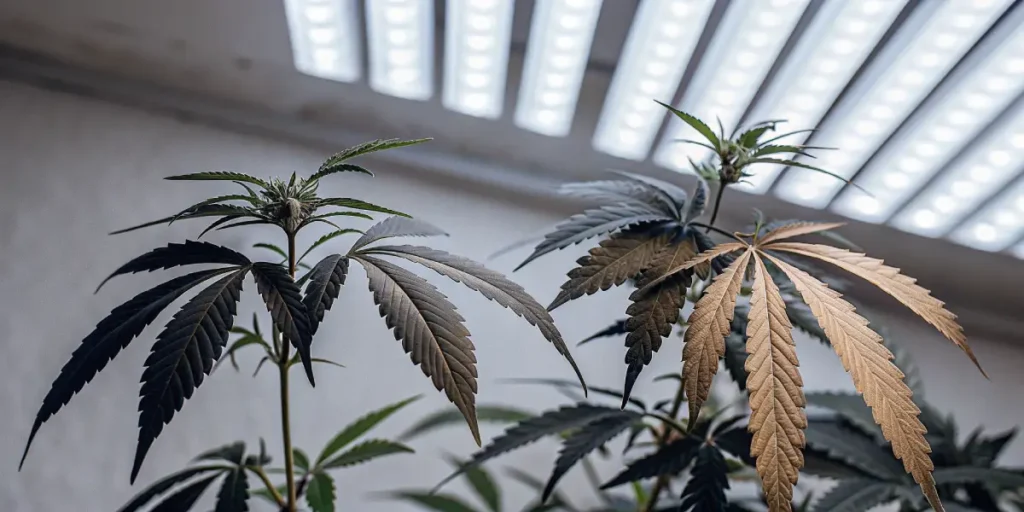
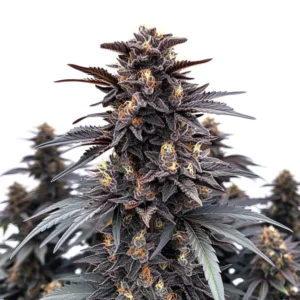
Imagine you’re growing a beautiful crop of cannabis, such as the celebrated Bruce Banner #3 from Blimburn Seeds. Everything seems fine until you notice the leaves turning yellow or developing spots. These could be signs of nutrient deficiency in cannabis plants, often caused by competing nutrients. It’s crucial to identify these symptoms early to ensure your plants receive the proper care.
Recommended Strains
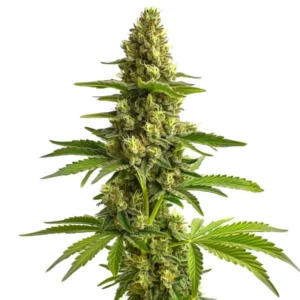
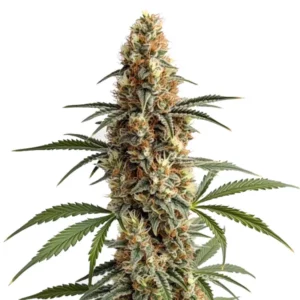
Bruce Banner #3

|
THC | 20% - 29% (High) |

|
Type | Feminized |

|
Yield | Medium |

|
Phenotype | 50% Indica / 50% Sativa |
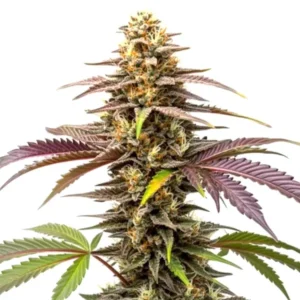
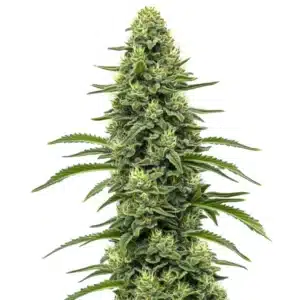
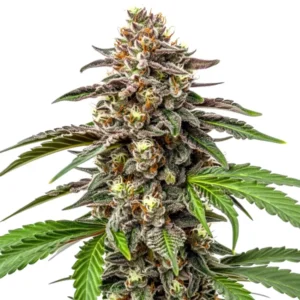
Z OG
|
|
THC | 16% - 20% (Medium) |
|
|
Type | Feminized |
|
|
Yield | Medium |
|
|
Phenotype | 75% Indica / 25% Sativa |
In this article, we dive into the effects of nutrient competition in cannabis plants and how to resolve cannabis nutrient imbalances. Whether you’re growing indoors or outdoors, knowing these concepts will help you achieve a successful harvest.
Common Causes of Nutrient Competition
Nutrient competition occurs when certain elements in the soil or nutrient solution overpower others. This can happen due to high levels of one nutrient, which can inhibit the absorption of others. For instance, too much calcium might prevent the uptake of magnesium, leading to nutrient deficiencies. Knowing what happens when cannabis nutrients compete is essential for preventing lockout issues and ensuring your plants absorb the full spectrum of minerals they need to thrive.
Growing cannabis strains like GG #4 from Blimburn Seeds requires careful attention to nutrient levels. If you’re using a pre-mixed nutrient solution, ensure it’s well balanced. Over-fertilizing can exacerbate the issue, so always follow the manufacturer’s guidelines.
Moreover, environmental factors such as temperature and humidity can also influence nutrient competition. High temperatures may increase transpiration rates, causing nutrients to be absorbed unevenly. Similarly, too much humidity can affect the plant’s ability to take up nutrients through its roots effectively, which can exacerbate cannabis growth issues due to nutrient competition.
It’s also important to consider the medium in which your cannabis plants are growing. Soil, coco coir, and hydroponic systems each have unique characteristics that can affect nutrient availability. Knowing the medium’s properties can help you make better decisions regarding nutrient management and prevent potential imbalances.
- Overuse of fertilizers can lead to nutrient lockout.
- pH imbalances can affect nutrient absorption.
- Improper watering techniques can wash away essential nutrients.
Promos & Deals

Identifying Cannabis Nutrient Lockout Symptoms
Cannabis nutrient lockout symptoms can manifest in various ways. Yellowing leaves, stunted growth, and brown spots are all common indicators. If you notice these signs, it’s important to act quickly to restore balance to your plants’ diet. Knowing what happens when cannabis nutrients compete is essential, as nutrient imbalances or incompatibilities can prevent your plants from absorbing key elements, ultimately leading to these visible deficiencies.
For example, if you’re growing the popular Zkittlez strain from Blimburn Seeds and notice these symptoms, check your pH levels first. Nutrient lockout often results from pH levels that are too high or too low, preventing your plants from absorbing key nutrients.
Additionally, a lack of new growth or a noticeable slowdown in plant development can be a sign of nutrient lockout. This occurs because the plant is unable to access the necessary nutrients for producing new leaves and stems, resulting in a stagnation of growth.
It’s also useful to understand that nutrient lockout can sometimes mimic other issues, such as pest infestations or environmental stress. Conduct a thorough examination of your plants to rule out these factors, ensuring that nutrient lockout is indeed the cause of the observed symptoms.
- Check soil or water pH levels regularly.
- Adjust nutrient concentrations based on plant needs.
- Monitor plant health and adjust care routines as necessary.
Effects of Nutrient Competition in Cannabis Plants
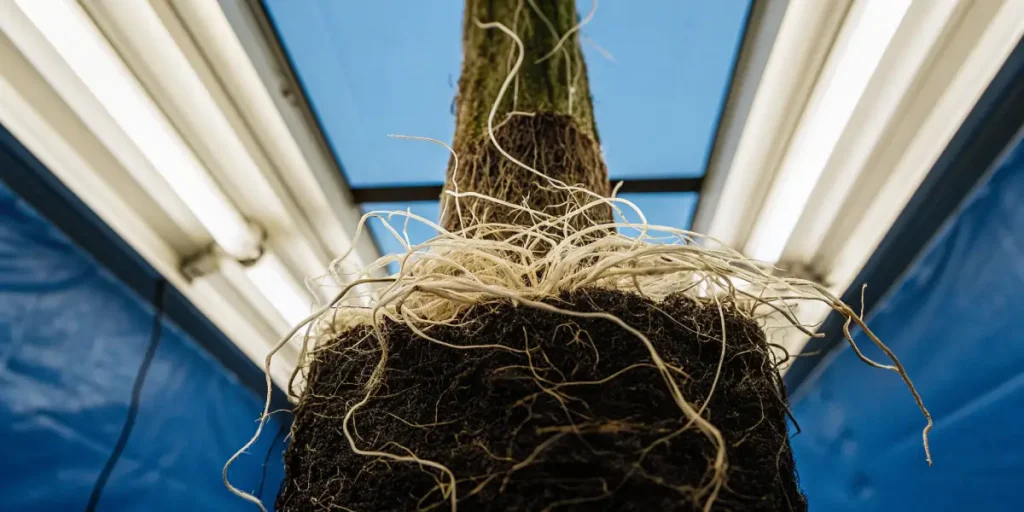
When nutrients compete, it can stunt your cannabis plant’s growth, reducing overall yield and quality. In extreme cases, it may even result in plant death. The effects of nutrient competition in cannabis plants vary depending on the strain and growing conditions. Knowing what happens when cannabis nutrients compete is essential for preventing deficiencies or toxicities and ensuring your plants receive a balanced nutrient profile at every stage.
Consider a situation where you’re cultivating Bruce Banner 3 or GG4. Both strains are known for their robust growth, but nutrient competition can hinder their development. To prevent issues, ensure your nutrient solution or soil mix is tailored to the specific needs of these high-performing strains.
Nutrient competition can also lead to a decrease in the plant’s ability to resist diseases and pests. A weakened plant is more susceptible to infestations and infections, which can further impact its health and productivity. Maintaining a balanced nutrient environment is crucial for optimizing plant resilience.
Furthermore, nutrient competition can alter the chemical profile of your cannabis plants, potentially affecting the concentration of cannabinoids and terpenes. This can result in a final product that doesn’t meet the desired potency or flavor profile, underscoring the importance of addressing nutrient imbalances promptly.
Resolving Cannabis Nutrient Imbalances
Resolving cannabis nutrient imbalances starts with identifying the root cause. Once you’ve pinpointed the issue, you can adjust your feeding routine accordingly. Whether it’s a pH problem or an imbalance in nutrient levels, correcting it will lead to healthier plants.
One practical approach is to flush your plants with pH-balanced water. This can help remove excess nutrients and reset the growing medium. For hydroponic systems, change the nutrient solution regularly to prevent buildup.
Besides to flushing, consider using a soil test kit to evaluate the nutrient levels in your growing medium. This can provide valuable insights into which nutrients are in excess or deficient, allowing you to make targeted adjustments to your feeding regimen.
Another strategy is to incorporate organic amendments or supplements into your nutrient program. Products such as kelp extract or compost tea can enhance nutrient availability and uptake, helping to resolve imbalances naturally without the risk of over-fertilization.
Signs of Nutrient Deficiency in Cannabis Plants
Recognizing signs of nutrient deficiency in cannabis plants is vital for timely intervention. Common deficiencies include nitrogen, phosphorus, and potassium, each presenting unique symptoms.
Nitrogen deficiency often results in yellowing leaves, while phosphorus deficiency can cause dark spots and a purplish hue. Potassium deficiency might cause leaf edges to appear burnt. Knowing these signs can help you address the root cause effectively.
Besides to the primary macronutrients, deficiencies in secondary nutrients like calcium and magnesium can also occur. Calcium deficiency may lead to distorted new growth, while a lack of magnesium often presents as interveinal chlorosis, where the spaces between leaf veins turn yellow.
Micronutrient deficiencies, such as zinc or iron, can also impact cannabis plants, though they are less common. Symptoms may include twisted or malformed leaves and overall poor plant vigor. Addressing these deficiencies promptly can help prevent long-term damage and ensure a healthy crop.

FAQs about what happens when cannabis nutrients compete
What are the main causes of cannabis nutrient lockout?
Cannabis nutrient lockout is primarily caused by imbalances in pH levels and excess nutrient concentrations. When the pH is outside the optimal range, it can prevent plants from absorbing nutrients efficiently. Similarly, over-fertilizing leads to nutrient saturation, which can block the uptake of other essential elements.
To prevent nutrient lockout, regularly monitor and adjust the pH of your soil or hydroponic system. Additionally, stick to recommended feeding schedules and avoid the temptation to over-fertilize, as more isn’t always better for your cannabis plants.
Another factor contributing to cannabis nutrient lockout symptoms is the use of poor-quality water. Tap water with high levels of chlorine or hard water with excessive mineral content can affect nutrient availability. Using filtered or distilled water can mitigate these issues.
Furthermore, environmental stressors such as temperature fluctuations or inadequate lighting can exacerbate nutrient lockout. Ensuring stable growing conditions is essential for maintaining nutrient balance and preventing lockout from occurring.
How can I tell if my cannabis plants are suffering from nutrient competition?
Signs of nutrient competition in cannabis plants include yellowing leaves, slowed growth, and the presence of brown or dark spots. Observing these symptoms early can help you adjust your growing practices before significant damage occurs. Regularly inspecting your plants for changes in appearance will keep you informed of any potential issues.
If you suspect nutrient competition, review your nutrient feeding schedule and check pH levels. Adjusting these factors can often resolve the issue and restore your plants to health, ensuring they continue to grow vigorously.
Additionally, inconsistent or uneven growth patterns, where some parts of the plant appear healthy while others do not, can indicate nutrient competition. This discrepancy often points to imbalances at the root level, affecting nutrient distribution throughout the plant.
It’s also beneficial to compare your plants to healthy specimens of the same strain. Noticing significant differences in size, color, or vigor can highlight nutrient competition problems that require immediate attention to prevent further complications.
What steps should I take to resolve nutrient imbalances in my cannabis plants?
To resolve nutrient imbalances, start by flushing your plants with pH-balanced water to remove excess nutrients. This helps reset the growing medium. For hydroponic setups, changing the nutrient solution can prevent buildup and restore balance.
Once you’ve flushed the system, adjust your nutrient solution to better match the plants’ needs. Using formulations specifically designed for cannabis at different growth stages can maintain balance and promote healthy growth, minimizing the risk of future imbalances.
Another effective step is to monitor your plants closely after making adjustments. Look for signs of recovery, such as new growth or improved color, which indicate that the changes are having a positive effect. Regular observation will help you fine-tune your approach over time.
It’s also crucial to maintain a consistent feeding schedule and avoid drastic changes. Gradual adjustments allow your plants to acclimate to new conditions, reducing the risk of shock or further nutrient imbalances. Consistency is key to long-term plant health and productivity.
Which Blimburn Seeds strains are most sensitive to nutrient competition?
While all cannabis strains can be affected by nutrient competition, some may be more sensitive than others due to their unique genetic makeup. Strains like Bruce Banner #3, GG #4, and Zkittlez from Blimburn Seeds are known for their robust growth but require careful nutrient management to reach their full potential.
Knowing the specific needs of your chosen strain can help you tailor your nutrient regimen to avoid competition and ensure a successful harvest. Always follow strain-specific guidelines and adjust based on plant performance.
Moreover, some strains, particularly those bred for high yields or specific cannabinoid profiles, may have heightened sensitivity to nutrient imbalances. These strains often demand precise nutrient management to achieve their desired characteristics and avoid cannabis growth issues due to nutrient competition.
It’s valuable to research the growth habits and preferences of each strain from Blimburn Seeds. Engaging with online forums or consulting with experienced growers can provide insights into the nutritional demands of specific strains, helping you optimize your cultivation practices.
Can nutrient competition affect cannabis yield and quality?
Yes, nutrient competition can significantly impact both the yield and quality of your cannabis crop. When nutrients compete, plants may not receive the essential elements needed for optimal growth, leading to reduced yields and lower potency.
By addressing nutrient competition early and maintaining a balanced nutrient environment, you can improve both the quantity and quality of your harvest. Regular monitoring and adjustments are key to achieving the best possible results from your cannabis plants.
Besides affecting yield, nutrient competition can also influence the overall health and appearance of your cannabis plants. Stressed plants may produce less resin and fewer trichomes, essential for potency and flavor, thus impacting the final product’s market value.
Additionally, prolonged nutrient competition can lead to long-term soil or medium degradation, affecting future growth cycles. Implementing preventive measures and maintaining soil health can safeguard against these adverse effects, ensuring sustainable cultivation practices.