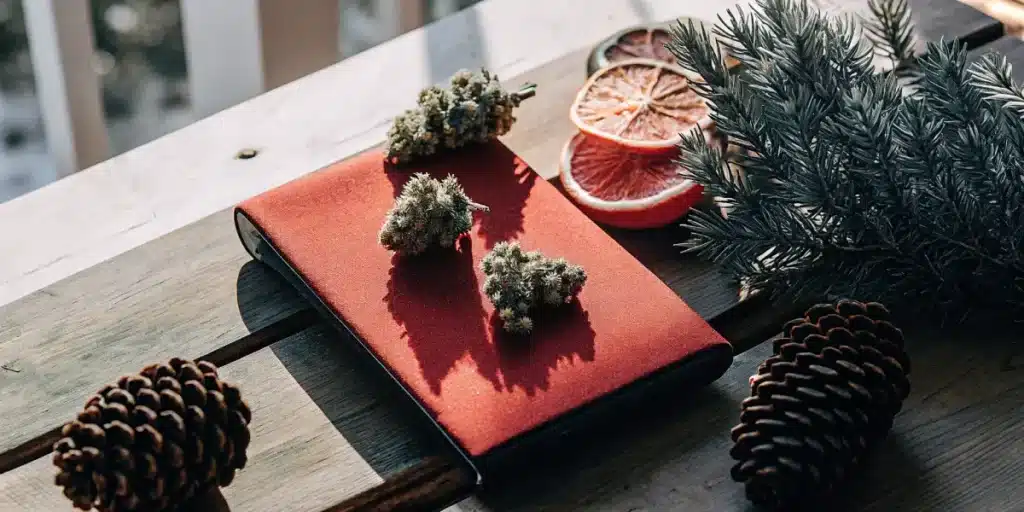
What Causes Weed to Smell Different? Discover the Factors

Terpenes and Environmental Factors: Cannabis scent varies due to terpenes, which are aromatic compounds found in cannabis. Factors like genetics, growing conditions, and curing processes also influence aroma. Terpenes such as myrcene and limonene contribute to earthy and citrus scents, respectively. Environmental conditions, including soil and humidity, further affect the scent profile, making each strain unique.
Ever noticed how cannabis plants emit a unique aroma? This distinct scent is primarily due to terpenes, which are aromatic compounds that define the fragrance of each strain. Terpenes not only affect smell but also influence the plant’s interaction with the environment. Additionally, the curing process and genetic makeup significantly impact the final aroma.
Recommended Strains
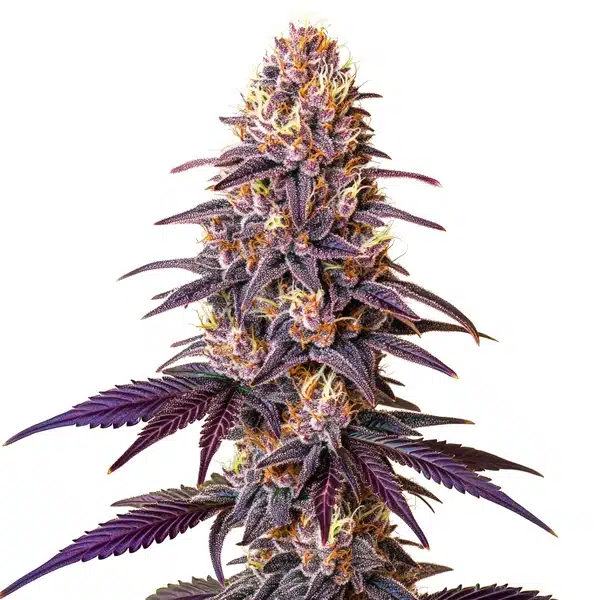
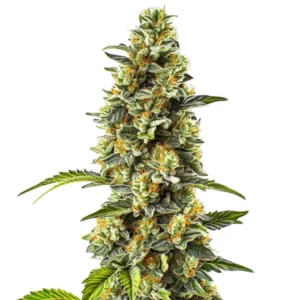
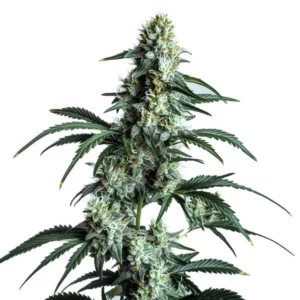
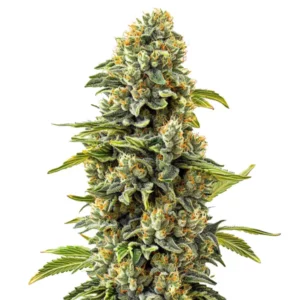
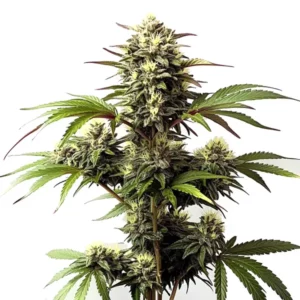
Lavender

|
THC | 20% (Medium) |

|
Type | Feminized |

|
Yield | Medium |

|
Phenotype | 60% Indica / 40% Sativa |

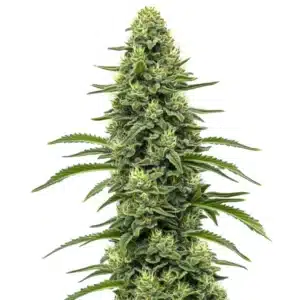
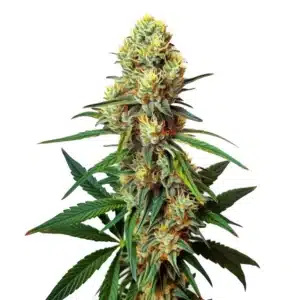
Super Lemon Haze
|
|
THC | 19% (Medium) |
|
|
Type | Feminized |
|
|
Yield | High |
|
|
Phenotype | 20% Indica / 80% Sativa |
Cannabis Aromas Explained
What Makes Weed Smell?
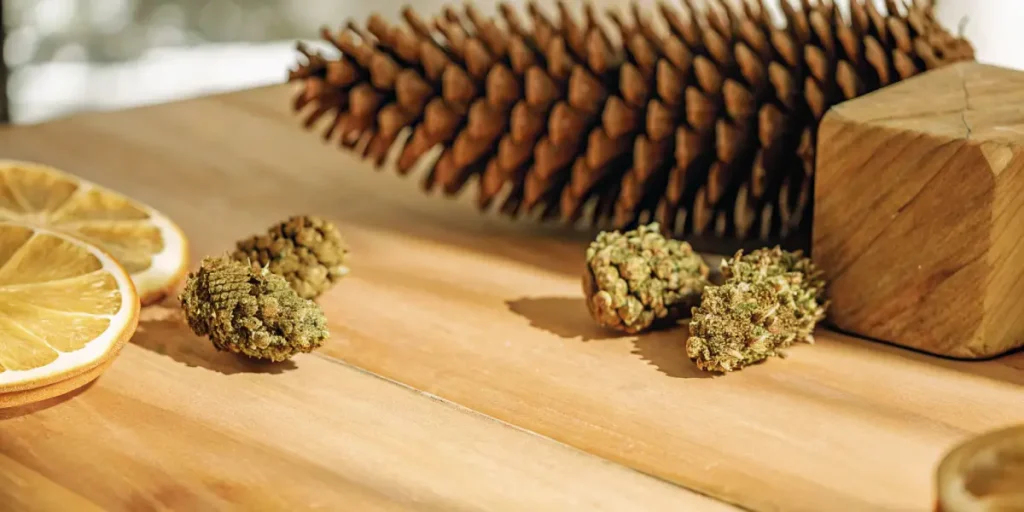
The scent of cannabis is largely determined by terpenes, which are volatile organic compounds found in the plant. These compounds are responsible for the diverse range of aromas that cannabis can produce, from earthy to fruity. Terpenes serve as a defense mechanism for the plant, protecting it from pests and herbivores.
Each cannabis strain has a unique terpene profile, which can include compounds like myrcene, limonene, and pinene. Myrcene, for example, contributes to an earthy aroma and can enhance THC’s psychoactive effects by increasing its permeability through the blood-brain barrier. Limonene offers a citrus scent and can elevate mood, while pinene provides a pine-like aroma and has anti-inflammatory properties.
Environmental and Genetic Influences
Environmental factors such as soil quality, temperature, and humidity significantly impact the aroma of cannabis. For instance, a strain grown in nutrient-rich soil with optimal humidity levels of 60-70% during vegetative growth will likely have a more pronounced scent than one grown in poor conditions. Additionally, genetic diversity plays a crucial role in determining a strain’s aromatic profile.
The curing process is another critical factor. Proper curing, which involves maintaining a temperature of 68-70°F (20-21°C) and a humidity level of 58-62%, allows terpenes to develop fully, enhancing the aroma. A poorly cured batch may lose its scent and potency over time, highlighting the importance of expert handling during and after harvest.
Promos & Deals
The Role of Terpenes in Cannabis Scent
Common Terpenes and Their Aromas
Terpenes are not exclusive to cannabis; they are found in many plants and contribute to their scent. In cannabis, terpenes like myrcene, limonene, and linalool are prevalent. Myrcene, present in concentrations of 0.8-1.2%, gives an earthy aroma and enhances the psychoactive effects of THC. Limonene, found in 0.5-0.8%, provides a citrusy scent and can elevate mood.
Linalool, which contributes floral notes, is present in concentrations of 0.3-0.6%. It is known for its calming effects and potential anti-anxiety properties. These terpenes not only define the aroma but also play a role in the entourage effect, where they interact with cannabinoids to influence the overall experience of consuming cannabis.
How Growing Conditions Affect Smell
Growing conditions, including light exposure and nutrient availability, directly affect terpene production. Adequate lighting, such as 800-1000 µmol/m²/s during peak flowering, ensures robust terpene synthesis. Nutrient management, with a balanced N:P:K ratio of 1:3:2 during flowering, supports terpene development and enhances aroma.
Improper nutrient levels can lead to undesirable chemical odors, underscoring the need for precise nutrient management. Environmental factors like air circulation and CO2 levels also influence aroma. Proper airflow prevents mold growth and supports healthy terpene production, ensuring a fragrant and potent harvest.
| Feature | Blue Dream | Super Lemon Haze | GG4 |
|---|---|---|---|
| THC Content | 18-22% | 20-25% | 25-30% |
| Dominant Terpene | Myrcene | Limonene | Caryophyllene |
| Aroma | Earthy, Sweet | Citrus, Sweet | Earthy, Sour |
| Effect | Relaxing, Euphoric | Uplifting, Energetic | Relaxing, Euphoric |
| Terpene Percentage | 1.0-1.5% | 1.2-1.7% | 1.5-2.0% |
Why Does Marijuana Smell Different Now?
Changes in Cultivation and Processing
The evolution of cannabis cultivation techniques has significantly altered the aroma profiles of modern strains. Advances in genetic breeding have led to the development of strains with enhanced terpene profiles, resulting in more diverse and intense aromas. Additionally, improvements in cultivation practices, such as controlled environments and optimized nutrient management, have further refined the scent profiles of cannabis.
The curing process has also evolved, with growers now employing more precise methods to preserve terpene content. Proper curing, which involves maintaining specific temperature and humidity levels, allows terpenes to reach their full potential, enhancing the aroma and flavor of cannabis. This shift towards meticulous post-harvest processing has contributed to the distinct scents of contemporary cannabis strains.
Why Does Dispensary Weed Smell Different?
Dispensary cannabis often smells different due to the standardized cultivation and processing methods used to ensure consistency and quality. These practices include precise control over environmental conditions, such as temperature and humidity, to optimize terpene production. Additionally, dispensaries prioritize proper curing and storage to preserve the aromatic integrity of their products.
However, the packaging and storage conditions in dispensaries can also influence the scent. Exposure to light and air can degrade terpenes over time, altering the aroma. To mitigate this, dispensaries use airtight containers and store cannabis in cool, dark environments to maintain its freshness and scent.
Professional Tips for Cannabis Aroma
- Maintain 58-62% RH during curing to preserve terpenes. Levels below 55% can halt terpene development, while above 65% can lead to mold growth within 48 hours. Always use a calibrated digital hygrometer.
- Store cannabis at 59-70°F (15-21°C) in airtight containers to prevent terpene degradation. Avoid exposure to light and air, which can reduce aroma intensity.
- Optimize light exposure to 800-1000 µmol/m²/s during flowering to enhance terpene synthesis. Insufficient lighting can lead to underdeveloped aromas.
- Use organic nutrients with a balanced N:P:K ratio of 1:3:2 during flowering to support terpene production. Over-fertilization can cause chemical odors.
- Monitor air circulation to prevent mold and promote healthy terpene production. Poor airflow can lead to stagnant air and reduced aroma quality.
- Choose strains with high terpene percentages for a more potent aroma. Strains like GG4 and Super Lemon Haze are known for their intense scent profiles.
FAQs About Cannabis Smell
Can you smell the difference between good and bad weed?
Yes, good weed typically has a strong, pleasant aroma due to high terpene content, while bad weed may smell musty or lack a distinct scent. A strong, fresh aroma often indicates well-cured cannabis. Conversely, a weak or unpleasant smell can suggest improper curing or storage, affecting the overall quality.
Is smellier weed more potent?
Not necessarily. While a strong aroma often indicates high terpene content, it doesn’t directly correlate with THC potency. Terpenes enhance the sensory experience but don’t determine THC levels. For potency, check the THC percentage, which can range from 15-30% in high-quality strains, regardless of aroma strength.
What does bad weed smell like?
Bad weed often smells musty, moldy, or like hay, indicating improper curing or storage. A lack of aroma can also suggest degradation of terpenes, reducing the quality and potency. Properly stored cannabis should retain its distinct scent, with terpenes contributing to a fresh, appealing aroma.
Does some weed smell less than others?
Yes, some strains naturally produce fewer terpenes, resulting in a milder aroma. Autoflowering strains, for example, often emit less scent than photoperiodic varieties. Environmental factors during cultivation, such as nutrient levels and light exposure, also influence the intensity of a strain’s aroma.
Why does my weed smell sour?
A sour smell in cannabis is often due to specific terpenes like limonene and myrcene, which can produce citrus and earthy notes. However, if the sourness is unpleasant, it could indicate improper curing or storage, leading to terpene degradation. Ensure proper storage to maintain aroma quality.