What Aw Causes Mold in Cannabis Storage?

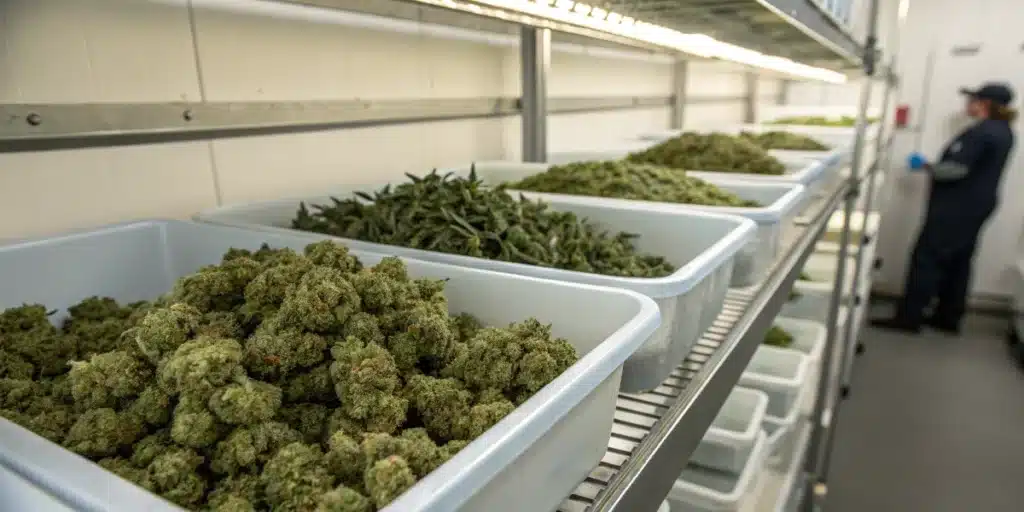
Water activity (aw) and mold risk: Mold in cannabis storage becomes a concern when water activity (aw) levels exceed 0.65, providing an ideal environment for mold spores to flourish. This threshold helps explain what aw causes mold in cannabis storage, as higher water activity creates conditions that support microbial growth. Keeping aw levels below 0.65 helps prevent mold growth, ensuring your cannabis remains fresh and potent. Monitoring and controlling these levels is crucial for maintaining the quality of stored cannabis.
Preserving cannabis quality during storage requires attention to terpenes and flowering time. Terpenes contribute to aroma and flavor, while flowering time affects potency. By knowing how these factors interact, you can maintain optimal storage conditions and prevent mold. This guide explores the role of water activity (aw) in mold prevention and offers expert insights for cannabis storage.
Recommended Strains

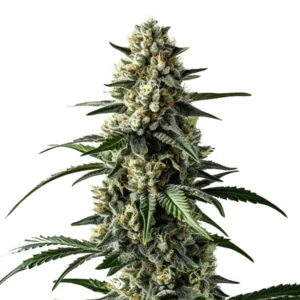
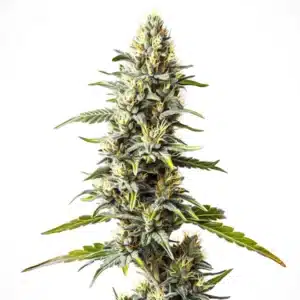
Northern Lights

|
THC | 17% (Medium) |

|
Type | Feminized |

|
Yield | High |

|
Phenotype | 90% Indica / 10% Sativa |

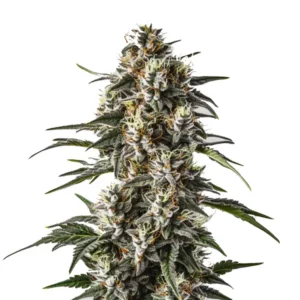
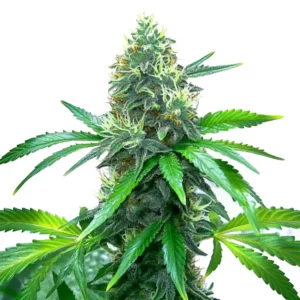
Blue Dream
|
|
THC | 17% - 24% (High) |
|
|
Type | Feminized |
|
|
Yield | High |
|
|
Phenotype | 50% Indica / 50% Sativa |
Water Activity (Aw) in Cannabis Storage
What is Water Activity (Aw)?
Water activity (aw) measures the free moisture available for microbial growth in cannabis. It’s a crucial parameter for storage, with levels above 0.65 promoting mold. Knowing what aw causes mold in cannabis storage is essential for maintaining product quality. Experienced growers report that maintaining aw between 0.55 and 0.65 is optimal for preventing mold while preserving cannabinoids and terpenes.
To measure aw, use a digital hygrometer. This tool helps ensure your cannabis remains within the safe range. Incorrect aw levels can lead to mold on hash and other cannabis products, compromising quality and safety.
How Aw Affects Mold Growth
Mold thrives in environments with high aw levels. When aw exceeds 0.65, conditions become favorable for mold spores to germinate and grow. This can lead to issues like bud rot, a common problem in improperly stored cannabis. Keeping aw low is essential to prevent mold on hash and other products.
Maintaining aw below 0.65 not only prevents mold but also preserves the potency and flavor of your cannabis. This balance ensures that your cannabis remains fresh and enjoyable for longer periods.
Promos & Deals

Common Cannabis Mold Types and Their Causes
Identifying White Mold on Buds
White mold on buds while drying is a common issue that can ruin your harvest. It appears as a powdery substance on the surface of buds. Experienced growers recommend maintaining humidity levels between 45% and 55% during drying to prevent this mold type.
White mold on buds pictures often show the characteristic powdery appearance. This mold can spread rapidly if conditions are favorable, making early detection and control crucial for preserving your crop.
Bud Rot vs Mold: Key Differences
Bud rot and mold are often confused but have distinct characteristics. Bud rot, or Botrytis, affects the interior of buds, turning them brown and mushy. Mold, on the other hand, typically appears on the surface. Both thrive in high humidity, but bud rot is more destructive.
To prevent bud rot vs mold, ensure proper airflow and maintain humidity levels below 60%. This reduces the risk of both conditions, keeping your cannabis healthy and mold-free.
Preventing Mold During Cannabis Storage
How to Control Aw Levels
Controlling aw levels is key to preventing mold on outdoor cannabis. Knowing what aw causes mold in cannabis storage is essential, as higher water activity levels can promote microbial growth. Use desiccants or humidity packs to maintain aw within the safe range of 0.55 to 0.65. Regularly check aw with a hygrometer to ensure conditions remain optimal.
Failure to control aw can lead to mold growth, compromising the quality and safety of your cannabis. By taking proactive measures, you can keep your stash fresh and potent.
How to Get Rid of Mold on Curing Buds
If mold develops on curing buds, act quickly to salvage your crop. Remove affected buds and increase airflow to reduce humidity. Many cultivators share that using a dehumidifier can help restore optimal conditions and prevent further mold growth.
While it’s possible to get rid of mold on curing buds, prevention is always better. Regular monitoring and maintaining proper aw levels are crucial for avoiding mold issues.
| Feature | GG4 | Blue Dream | Northern Lights |
|---|---|---|---|
| THC% | 27% | 17-24% | 17% |
| Dominant Terpene | Humulene | Myrcene | Myrcene |
| Aroma | Fruity, Pine, Spicy | Berry, Blueberry, Mango, Sweet | Earthy, Pine, Sweet |
| Effect | Happy, Relaxed, Talkative | Happy, Relaxed, Talkative | Focused, Happy, Relaxed |
| Resistance to Mold | High | Medium | High |
Professional Tips for Mold Prevention
- Maintain 58-62% RH during storage. Below 55% arrests terpene development; above 65% promotes Botrytis within 48h. Check with a calibrated digital hygrometer, never analog.
- Keep temperatures between 59-70°F (15-21°C) to prevent mold growth. Higher temperatures increase moisture retention and mold risk.
- Ensure proper airflow in storage areas to reduce humidity. Stagnant air can lead to mold development within days.
- Use desiccants or humidity packs to maintain aw between 0.55 and 0.65. This prevents mold while preserving cannabinoids and terpenes.
- Regularly inspect stored cannabis for signs of mold. Early detection allows for quick intervention and reduces crop loss.
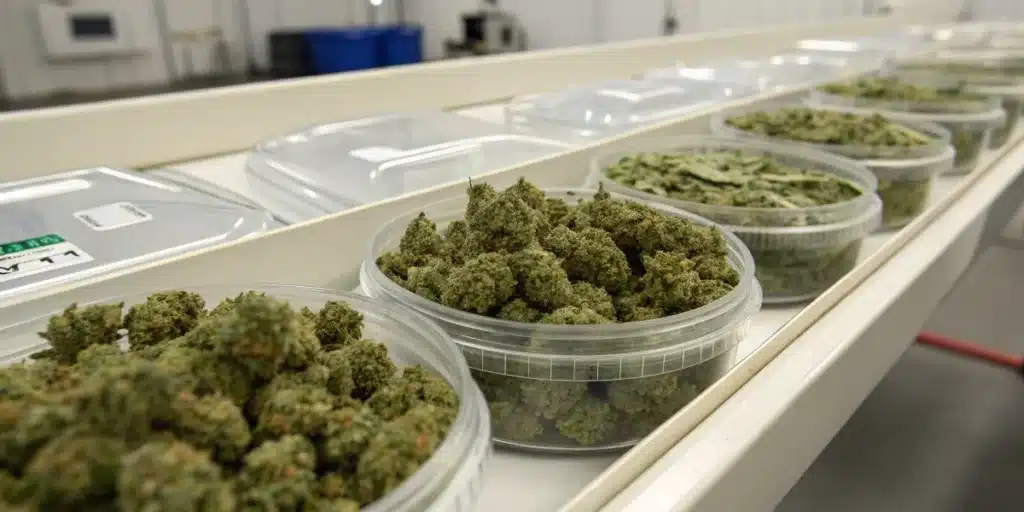
- Store cannabis in airtight containers to prevent moisture ingress. Glass jars with rubber seals are ideal for maintaining stable aw levels.
FAQs on Mold in Cannabis Storage
What causes mold in cannabis?
Mold in cannabis is primarily caused by high humidity and improper storage conditions. When relative humidity exceeds 65%, mold spores can germinate and spread rapidly. Ensuring proper airflow and maintaining humidity levels between 58-62% can help prevent mold growth.
Can you save moldy cannabis?
Salvaging moldy cannabis is challenging but possible. Remove affected areas and increase airflow to reduce humidity. However, consuming moldy cannabis can be harmful, so it’s often safer to discard it. Prevention is key, with regular inspections and maintaining proper storage conditions.
Can you save buds with powdery mildew?
Powdery mildew on buds can be treated by removing infected areas and improving airflow. Many cultivators recommend using organic fungicides as a preventive measure. However, severe infestations may require discarding the affected buds to ensure safety.
How do you prevent mold on outdoor cannabis?
Preventing mold on outdoor cannabis involves maintaining proper airflow and monitoring humidity levels. Use trellising to improve air circulation and prune plants to reduce density. Regular inspections and adjusting irrigation schedules can also help minimize mold risk.
What is the best way to store cannabis long-term?
The best way to store cannabis long-term is in airtight glass jars with humidity packs, maintaining 58-62% RH. Store in a cool, dark place with temperatures between 59-70°F (15-21°C). This prevents mold and preserves cannabinoids and terpenes for up to 12 months.