Weed Flavouring: Terpenes and Their Impact on Cannabis Taste

Quick answer: cannabis flavor comes mainly from terpenes, the aromatic compounds in the plant, and the best way to improve it is to protect those terpenes through genetics, careful growing, slow drying and proper curing. Some popular tricks, like flavoring buds with fruit or sweet water, do little; real flavor is grown and preserved, not added.
Below we break down the key terpenes, the growing steps that help, post-harvest handling and which methods are worth your time.
Recommended Strains
Blue OG

|
Type | Feminized |

|
THC | 13% - 19% (Medium) |

|
Phenotype | 60% Indica / 40% Sativa |

|
Yield | High |

Blue OG Regular
|
|
Type | Regular |
|
|
THC | 20% - 25% (High) |
|
|
Phenotype | 60% Indica / 40% Sativa |
|
|
Yield | High |
What Gives Weed Its Taste?
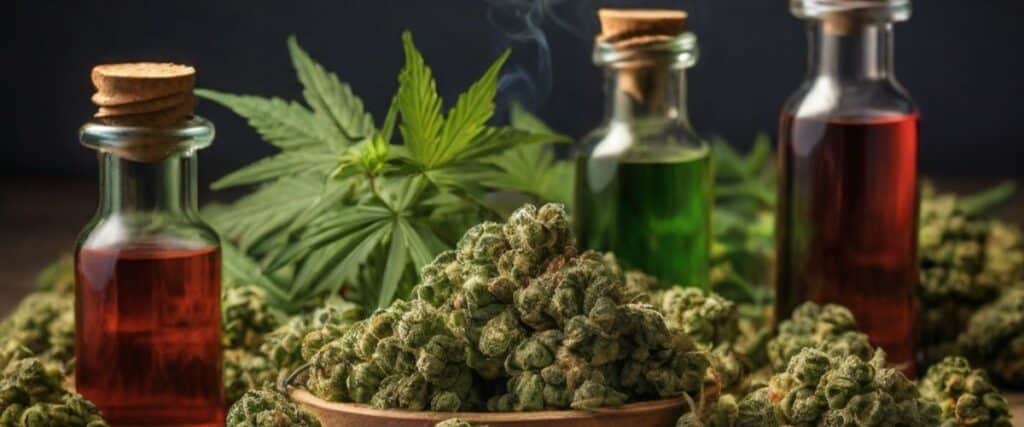
Flavor and aroma come from terpenes, the same class of compounds that give fruits, herbs and pine their scents. Each strain has its own terpene blend, which is why one bud tastes citrusy and another earthy or minty. Cannabinoids like THC are mostly flavorless, so when you taste weed, you are really tasting terpenes. Protecting them is the key to great flavor.
Pinene
Pinene smells like fresh pine and is one of the most common terpenes in nature. In cannabis it adds a sharp, forest-like note and is often linked to a clear, alert feeling.
Linalool
Linalool is the floral, lavender-like terpene. It brings a soft, sweet aroma and is commonly associated with calm, relaxing profiles. A little goes a long way in shaping a strain’s character.
Limonene
Limonene delivers bright citrus notes, think lemon and orange peel. It is one of the most recognizable cannabis terpenes and is often tied to uplifting, mood-lifting profiles.
Beta-Caryophyllene
Beta-caryophyllene is the spicy, peppery terpene also found in black pepper and cloves. It gives warmth and bite to the flavor and is unique among terpenes for interacting with the body’s cannabinoid system.
Myrcene
Myrcene is the most abundant terpene in many cannabis strains. It carries an earthy, musky, slightly fruity aroma, like ripe mango, and is often associated with relaxing, sedative-leaning effects. Strains high in myrcene tend to taste rich and earthy.
Promos & Deals

How to Improve Flavor Before Harvest
You cannot inject flavor into a plant, but you can help it build and keep more terpenes while it grows. The methods below support healthy terpene production. The single biggest factor, though, is still genetics: start with a flavorful strain.
Use Low-Stress Training (LST)
LST gently bends and ties branches to open the canopy so more light reaches more bud sites. Better light exposure supports healthier flowers and can improve resin and terpene development, which translates to stronger aroma and flavor at harvest. It is low-risk and beginner-friendly.
Ease Off Watering Near Harvest
Slightly reducing watering in the final days before harvest is a common technique some growers use to concentrate aromas, though it should be done carefully to avoid stressing the plant. The effect is subtle. Do not let plants wilt; the goal is a gentle taper, not drought.
Lower Temperatures in Late Flowering
Cooler night temperatures in the last couple of weeks can help preserve terpenes and sometimes bring out color. Keep the drop moderate and avoid cold, damp conditions that invite mold. Stable, slightly cool nights are the aim.
Flavored Water and Fruit Peels: A Myth to Skip
Adding flavored water, sugar or fruit peels will not meaningfully change how your buds taste. Plants do not absorb flavor compounds from water in a way that survives to the smoke, and sugary additives can harm plant health or attract pests. Real, lasting flavor comes from terpenes, so your effort is far better spent on genetics, light and curing.
Bloom Boosters and Nutrition
A balanced feed through flowering supports healthy, resinous buds, and some bloom supplements can help plants finish strong. Treat bold flavor claims on products with caution, and avoid overfeeding, which causes nutrient burn and harsh smoke. A clean late-flower feed and a proper flush routine matter more than any single additive.
Mycorrhizal Inoculation
Adding mycorrhizal fungi to the root zone can improve nutrient and water uptake, leading to healthier plants. Healthier plants tend to produce better resin and aroma, so this is a sound soil practice. It supports flavor indirectly, by improving overall plant vigor rather than adding taste directly.
UV Light
Some growers add a little UV light in late flowering, as UV stress may encourage the plant to produce more protective compounds, including terpenes and trichomes. Evidence is mixed and UV must be used carefully to avoid harming plants or yourself. Treat it as an advanced, optional tweak.

Improving Flavor After Harvest
What you do after harvest is where flavor is won or lost. Proper drying and curing preserve terpenes and smooth out harshness, turning good buds into great-tasting ones. Rush this stage and even the best genetics will disappoint.
Drying Weed
Dry buds slowly in a dark, cool room at moderate humidity, usually over 7-14 days. Slow drying protects delicate terpenes and prevents the grassy taste of a rushed dry. Good airflow without direct wind on the buds keeps things even and mold-free.
Curing Weed
Curing means storing dried buds in airtight jars, burping them daily at first to release moisture, then less often over several weeks. This slow process develops aroma, smooths the smoke and brings out the full flavor of the strain. A proper cure of two to four weeks or more makes a dramatic difference to taste.
The Cotton Ball Technique
A popular storage trick is to add a food-grade flavor to a cotton ball and place it in the jar, separated from the buds, to lightly scent them. This adds aroma to the storage jar rather than truly changing the flower, and results are subtle and temporary. Use food-safe materials and keep the cotton from touching the buds.
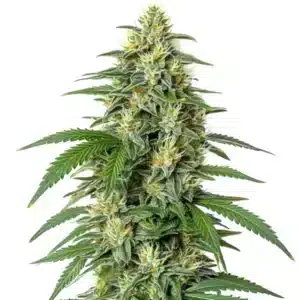
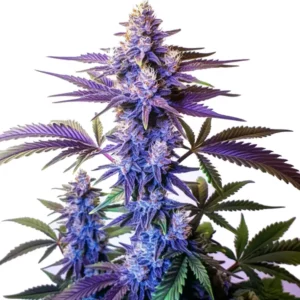
Flavorful Strain: Blue OG
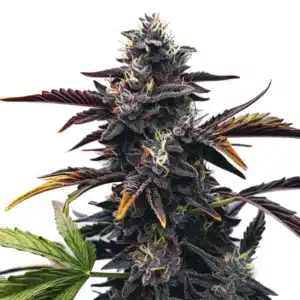
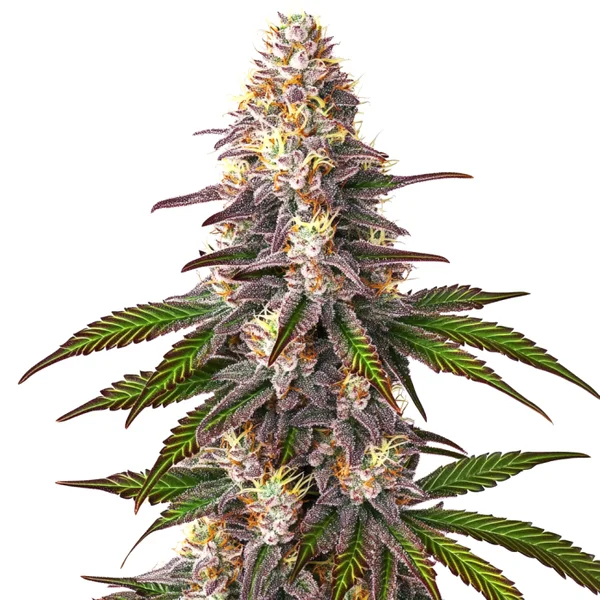
If you want flavor built in, start with genetics known for it. Blue OG is prized for a rich, sweet-and-earthy profile with berry and Kush notes, a good example of how the right strain does the flavor work for you. Grow it well, dry and cure it slowly, and the taste speaks for itself.
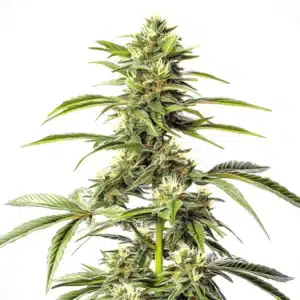
Flavorful Strain: Pineapple Auto
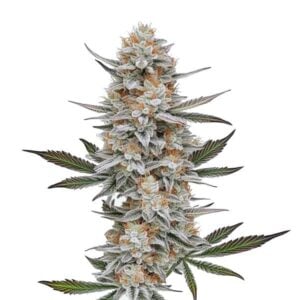
Pineapple Auto brings a bright, tropical pineapple aroma with sweet, fruity flavor, and as an autoflower it is fast and easy to grow. It is a great pick if you want standout taste without a long or complicated grow. As always, careful curing is what locks that fruity character in.
| Terpene | Aroma/flavor | Often associated with |
|---|---|---|
| Pinene | Fresh pine | Clear, alert feel |
| Linalool | Floral, lavender | Calm, relaxing |
| Limonene | Citrus | Uplifting mood |
| Beta-caryophyllene | Spicy, peppery | Warm, grounding |
| Myrcene | Earthy, musky, mango | Relaxing, sedative-leaning |

FAQs
Can you really add flavor to weed?
Not in the way many people think. You cannot inject lasting flavor into buds with fruit, sugar or flavored water. Real taste comes from the strain’s terpenes, preserved through good growing, slow drying and proper curing. Storage tricks like scented cotton balls add only a faint, temporary aroma.
What is the best way to improve cannabis flavor?
Start with a flavorful strain, grow it healthily with good light and balanced feeding, then dry slowly and cure in airtight jars for at least two to four weeks. Curing is the single biggest lever most growers underuse. Protecting terpenes, not adding flavor, is the goal.
Which terpene makes weed taste sweet or fruity?
Fruity, sweet notes often come from terpenes like limonene (citrus) and myrcene (earthy-mango), along with others such as terpinolene. The exact flavor depends on the strain’s full terpene blend, not one compound. Choose strains described as fruity, like tropical or berry profiles, for that taste.