Volatile Thiols in Cannabis Aroma Analysis

Volatile thiols: These compounds are pivotal in cannabis aroma analysis, significantly affecting the scent profile. Knowing volatile thiols in cannabis aroma analysis is especially important, as compounds like 3-methyl-2-butene-1-thiol contribute to the unique aromas of various strains. Knowing these volatile sulfur compounds can enhance breeding and cultivation practices, providing new opportunities for aroma optimization and improving consumer experience.
In the world of cannabis cultivation, terpenes and volatile compounds play a critical role in defining the aroma and flavor profiles of different strains. While terpenes are often highlighted, volatile thiols are equally significant, contributing unique scents that can enhance or alter the overall sensory experience. Knowing these compounds can lead to more refined cultivation techniques and improved strain development.
Recommended Strains


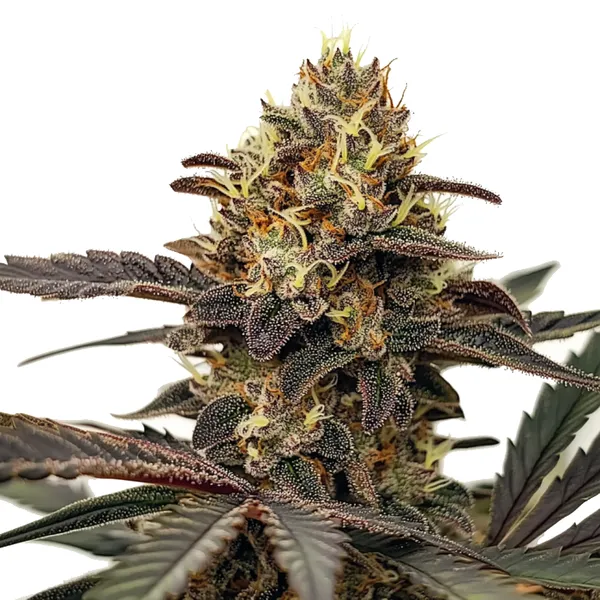
Cannabis Aroma Compounds
Volatile Thiols’ Influence
Volatile thiols are sulfur-containing compounds that significantly influence the aroma of cannabis. Knowing the function of volatile thiols in cannabis aroma analysis is essential for identifying the compounds responsible for skunky, earthy, and pungent scent profiles. These compounds, including 3-methyl-2-butene-1-thiol, are known for their potent aromatic characteristics. In cannabis, volatile thiols can be present in concentrations as low as parts per billion, yet they have a substantial impact on the overall aroma.
Experienced growers report that the presence of these thiols can enhance the complexity of a strain’s aroma, making it more appealing to consumers seeking unique sensory experiences. The growing community has communicated that strains with high volatile thiol content often command higher market prices due to their distinctive aromas.
Practical Application & Impact
Knowing the function of volatile thiols in cannabis aroma can aid cultivators in selecting strains that meet specific consumer preferences. By focusing on breeding practices that enhance these compounds, growers can develop strains with targeted aroma profiles. This approach not only satisfies consumer demand but also allows for the creation of niche products in a competitive market.
One practical tip is to monitor the curing environment closely. Maintain a relative humidity of 58-62% during curing to preserve volatile thiols. This prevents the loss of these compounds, which can occur if the humidity drops below 55%, leading to a less aromatic final product.
Promos & Deals
Volatile Sulfur Compounds
Influence on Aroma
Volatile sulfur compounds in cannabis are a diverse group of molecules that include thiols, sulfides, and other sulfur-containing compounds. These compounds are responsible for the pungent, sometimes skunky aromas associated with certain cannabis strains. In particular, prenylated volatile sulfur compounds are known to contribute to the complex aroma profiles of exotic cannabis varieties.
Many cultivators share that these compounds can be manipulated through breeding and cultivation techniques to enhance or suppress specific aroma characteristics. For instance, strains like GG4 are known for their rich resin production and unique aroma, partly due to their volatile sulfur compound content.
Practical Application & Impact
By knowing the influence of volatile sulfur compounds, growers can tailor their cultivation practices to optimize aroma profiles. Knowing the function of volatile thiols in cannabis aroma analysis also helps identify the compounds responsible for pungent, fruity, and skunky characteristics in certain strains. This includes selecting strains with desired sulfur compound levels and adjusting environmental conditions to promote the expression of these compounds. Such practices can lead to the development of cannabis products with distinct and desirable aromas.
Ensure that your growing environment maintains a temperature range of 68°F – 77°F (20°C – 25°C) to optimize the expression of volatile sulfur compounds. Deviating from this range can result in diminished aroma quality.
3-methyl-2-butene-1-thiol
Specific Role in Aroma Profile
3-methyl-2-butene-1-thiol is a key volatile thiol in cannabis that contributes to its distinctive aroma. This compound is often associated with the skunky scent found in certain strains. Its presence can be detected even at low concentrations, making it a potent contributor to the overall aroma profile.
Master growers have pointed out that the concentration of 3-methyl-2-butene-1-thiol can vary significantly between strains, influencing the final aroma. Strains with higher levels of this compound are often sought after for their strong and unique scent profiles.
Practical Application & Impact
For cultivators looking to enhance the presence of 3-methyl-2-butene-1-thiol, selecting strains with a genetic predisposition for high thiol production is essential. Additionally, optimizing environmental factors such as light intensity and nutrient availability can further promote the expression of this compound.
To maximize the production of 3-methyl-2-butene-1-thiol, maintain a light intensity of 800-1000 µmol/m²/s during peak flowering. This encourages the plant to produce more aromatic compounds, enhancing the final product’s scent profile.
Prenylated Volatile Sulfur Compounds
Impact on Cannabis Aroma
Prenylated volatile sulfur compounds are a subset of sulfur compounds that include prenylthiol. These compounds are known for their ability to enhance the complexity of cannabis aromas, contributing to the unique scent profiles of various strains. They are particularly prevalent in exotic cannabis varieties, where they drive the aroma differences that set these strains apart.
In artisanal cultivation circles, the presence of prenylated sulfur compounds is often seen as a marker of high-quality cannabis. These compounds can be selectively bred for, allowing growers to create strains with specific aroma characteristics that appeal to niche markets.
Practical Application & Impact
Growers aiming to enhance the presence of prenylated volatile sulfur compounds should focus on breeding practices that favor their production. Knowing the function of volatile thiols in cannabis aroma analysis can help cultivators identify the compounds responsible for pungent, fruity, and skunky aromas. This includes selecting parent strains known for high prenylthiol content and optimizing growing conditions to support their expression.
Maintain a nutrient ratio of N:P:K 1:3:2 during the flowering stage to support the production of prenylated sulfur compounds. This nutrient balance encourages the plant to focus its energy on producing aromatic compounds, leading to a more fragrant final product.
Skatole and Other Minor Compounds
Unique Contributions to Aroma
Skatole is one of the minor nonterpenoid volatile compounds that contribute to the aroma differences of exotic cannabis strains. Although present in small quantities, skatole can significantly influence the overall scent profile, adding depth and complexity to the aroma.
Many cultivators share that the presence of skatole and other minor compounds can enhance the uniqueness of a strain’s aroma, making it more appealing to consumers seeking distinctive sensory experiences. These compounds are often the focus of breeding programs aimed at developing new and unique cannabis varieties.
Practical Application & Impact
o capitalize on the unique contributions of skatole and other minor compounds, growers should focus on breeding practices that enhance their presence. This includes selecting strains with a genetic predisposition for high skatole production and optimizing environmental conditions to support their expression. Flavor-forward genetics like Zlushie are often appreciated for their complex aromatic profiles, making them ideal candidates for terpene-focused breeding and cultivation strategies.
Ensure that your curing environment maintains a temperature of 59-70°F (15-21°C) to preserve the integrity of skatole and other minor compounds. This prevents the loss of these volatile compounds, ensuring a more aromatic final product.
Professional Tips for Enhancing Cannabis Aroma
- Maintain 58-62% RH during curing to preserve volatile thiols. Below 55% arrests terpene development; above 65% promotes Botrytis within 48h. Check with a calibrated digital hygrometer, never analog.
- Ensure light intensity of 800-1000 µmol/m²/s at peak flowering to boost thiol production. Insufficient light can lead to underdeveloped aroma profiles.
- Control temperature between 68°F – 77°F (20°C – 25°C) to optimize volatile sulfur compound expression. Deviations can result in diminished aroma quality.
- Use a nutrient ratio of N:P:K 1:3:2 during flowering to support sulfur compound production. Imbalanced nutrients can hinder aroma development.
- Preserve skatole by curing at 59-70°F (15-21°C). Higher temperatures can cause volatile compound loss, reducing aroma complexity.
- Select strains with high genetic potential for thiol production. Strains like GG4 are known for their rich resin and unique aroma.
FAQs about volatile thiols in cannabis aroma analysis
What are volatile sulfur compounds in cannabis?
Volatile sulfur compounds in cannabis are molecules like thiols and sulfides that contribute to the plant’s aroma. These compounds, present in concentrations as low as parts per billion, significantly influence the scent profile, adding complexity and uniqueness to different strains.
How do volatile thiols affect cannabis aroma?
Volatile thiols impact cannabis aroma by contributing strong, distinctive scents often described as skunky or earthy. These compounds, including 3-methyl-2-butene-1-thiol, are crucial in defining the aroma profile, even in minute concentrations.
What is 3-methyl-2-butene-1-thiol and its importance?
3-methyl-2-butene-1-thiol is a volatile thiol that plays a key role in cannabis aroma. Known for its skunky scent, it enhances the overall aroma profile of strains, making them more appealing to consumers seeking unique sensory experiences.
What is the impact of prenylated sulfur compounds in cannabis?
Prenylated sulfur compounds, including prenylthiol, enhance cannabis aroma complexity. These compounds are prevalent in exotic strains, contributing to unique scent profiles that differentiate them from more common varieties.
What role does skatole play in the aroma of cannabis?
Skatole is a minor nonterpenoid volatile compound that adds depth to cannabis aroma. Present in small amounts, it significantly influences scent profiles, enhancing the uniqueness and appeal of exotic cannabis strains.