VOCs vs Mold Smell in Cannabis Drying Rooms: Key Differences

Odor identification in cannabis drying rooms: Differentiating VOCs vs mold smell in cannabis drying rooms is essential for quality control. VOCs emitted by cannabis plants often produce a skunky, pungent aroma, while mold typically creates a musty, damp odor that signals potential contamination risks. Knowing the differences between VOCs vs mold smell in cannabis drying rooms helps growers identify problems early and maintain product quality. According to experts, 30% of quality issues in drying rooms arise from misidentified odors, underscoring the need for precise odor identification to prevent contamination and quality degradation.
In cannabis drying rooms, terpenes play a significant role in aroma, with compounds like myrcene and limonene contributing distinct scents. While VOCs can enhance the sensory experience, mold presence can lead to musty odors and potential contamination. Ensuring optimal terpene preservation during drying is crucial, with temperatures ideally maintained between 68°F – 77°F (20°C – 25°C).
Recommended Strains

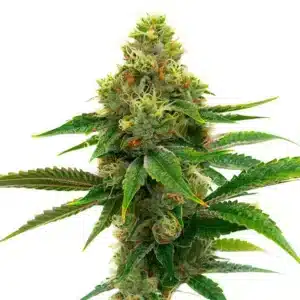
Mimosa XXL Auto

|
THC | 18% - 20% (Medium) |

|
Type | Autoflowering |

|
Yield | Medium |

|
Phenotype | 50% Indica / 50% Sativa |

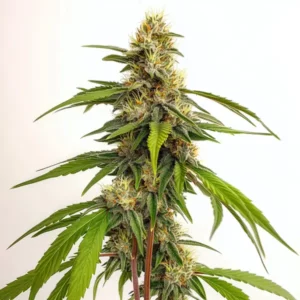
Sour Diesel Autoflower
|
|
THC | 16% - 23% (Medium) |
|
|
Type | Autoflowering |
|
|
Yield | Medium |
|
|
Phenotype | 40% Indica / 60% Sativa |
VOCs in Cannabis
What Are VOCs?
Volatile Organic Compounds (VOCs) are organic chemicals that easily vaporize at room temperature. In cannabis, VOCs include terpenes and other aromatic compounds that contribute to the plant’s distinctive aroma. These compounds are not only responsible for the scent but also play a role in the plant’s defense mechanisms against pests and environmental stressors.
VOCs in cannabis can vary significantly, with terpenes like myrcene and limonene often found in concentrations of 0.5-2.0%. These compounds evaporate during the drying process, influencing the final aroma profile of the dried cannabis. Proper ventilation and temperature control are essential to manage VOC emissions effectively.
Does Cannabis Emit VOCs?
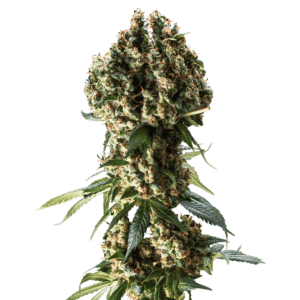
Cannabis plants emit a variety of VOCs, primarily terpenes, during their growth and drying phases. These emissions are more pronounced in strains with high terpene content, such as GG4, which is known for its pungent aroma. The concentration of these VOCs can be influenced by factors like genetics, growing conditions, and the drying environment.
Experienced growers note that maintaining a relative humidity of 55-60% and temperatures around 70°F (21°C) during drying can help preserve terpene content while minimizing excessive VOC emissions. Overexposure to high temperatures can lead to terpene degradation, reducing the overall quality of the final product.
Promos & Deals
Identifying Mold Smell in Drying Rooms
What Does Cannabis Mold Smell Like?
The presence of mold in cannabis drying rooms is often indicated by a distinct musty odor, reminiscent of damp environments. This smell is typically caused by the growth of mold species such as Aspergillus or Botrytis, which thrive in high humidity conditions. Mold not only affects the aroma but also poses health risks to consumers.
To prevent mold development, it’s crucial to maintain a humidity level below 65% and ensure adequate airflow within the drying space. Mold spores can proliferate rapidly, especially if the drying area is not properly ventilated. Regular inspections and environmental controls are essential to mitigate mold risks.
How to Prevent Mold in Drying Rooms
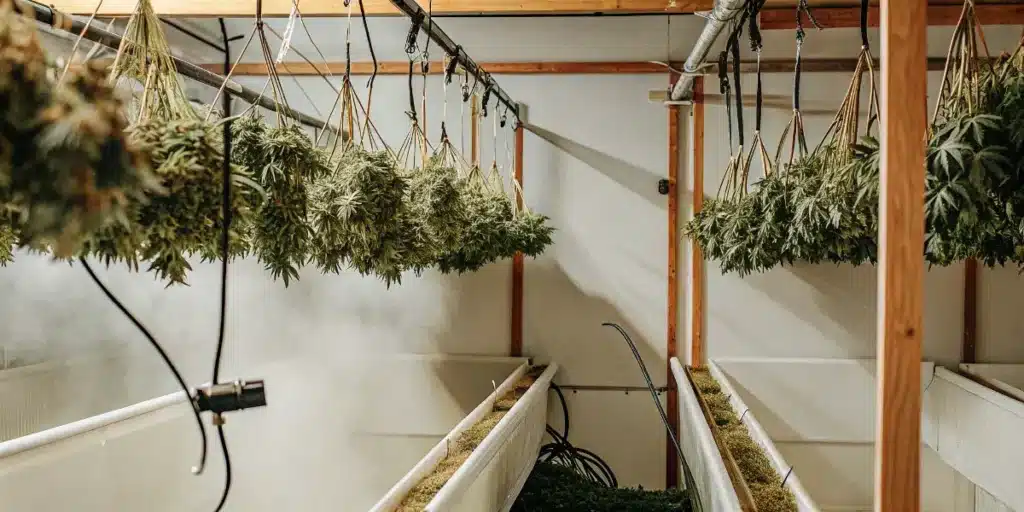
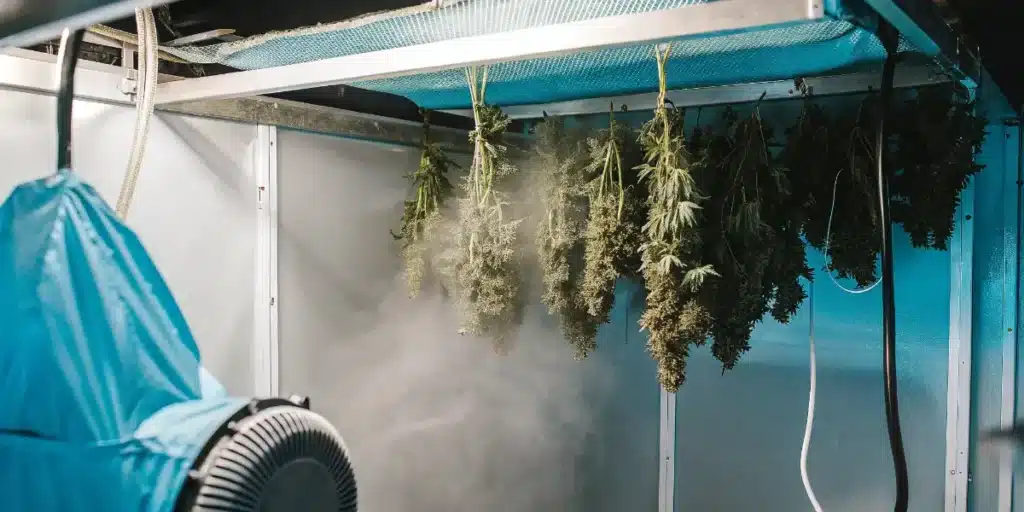
Preventing mold in cannabis drying rooms requires a proactive approach to environmental management. Keep humidity levels between 55-60% and temperatures at 68°F – 72°F (20°C – 22°C) to create an inhospitable environment for mold growth. Utilizing dehumidifiers and fans can aid in maintaining these conditions.
Experienced cultivators recommend using HEPA filters to capture airborne mold spores and prevent contamination. Additionally, regular cleaning of drying equipment and surfaces can reduce the risk of mold proliferation. Implementing these practices ensures the integrity and safety of the cannabis product.
VOCs vs Mold Smell: How to Differentiate
Do VOCs Smell Musty?
VOCs, while diverse in scent, do not typically exhibit a musty odor. Instead, they produce a range of aromas from citrusy to earthy, depending on the terpene profile. Musty smells are more indicative of mold presence, which can be detrimental to the quality and safety of cannabis.
To accurately differentiate between VOC and mold smells, consider the context and environment. A skunky or sweet aroma is likely due to VOCs, while a damp, earthy scent suggests mold. Using odor-neutralizing agents can help manage VOC emissions without masking mold issues.
Practical Tips for Odor Identification
Effective odor identification in drying rooms involves both sensory evaluation and environmental monitoring. Utilize digital hygrometers to track humidity levels and ensure they remain within the optimal range. Regularly inspect the drying area for signs of mold growth, such as discoloration or visible spores.
Incorporate carbon filters in your ventilation system to reduce VOC emissions and maintain air quality. By knowing the distinct characteristics of VOC and mold odors, you can implement targeted strategies to preserve cannabis quality and prevent contamination.
| Feature / Merkmal | GG4 | Sour Diesel Auto | Mimosa XXL Autoflower |
|---|---|---|---|
| THC Content | 27% | 16-23% | 18-20% |
| Dominant Terpene | Humulene | Bisabolol | Alpha-Pinene |
| Flavor | Fruity, Pine, Spicy | Citrus, Diesel, Herbal | Citrus, Fruity, Sweet |
| Flowering Time | 8-10 weeks | 8-10 weeks | 10-12weeks |
| Yield | 1.64 – 1.97 oz/ft² | 500 – 600 g/m² | 1.15 – 1.31 oz/ft² | 350 – 400 g/m² | 1.15 – 1.47 oz/ft² | 350 – 450 g/m² |
Professional Tips for Managing Odors in Drying Rooms
- Maintain 58-62% RH during drying to preserve terpenes and prevent mold. Excess humidity above 65% can lead to mold within 48 hours.
- Utilize carbon filters in ventilation systems to manage VOC emissions and maintain air quality.
- Regularly inspect drying rooms for mold signs, such as discoloration or musty odors, to prevent contamination.
- Use digital hygrometers to accurately monitor humidity levels and avoid analog devices, which can be inaccurate.
- Ensure proper airflow with fans to prevent stagnant air, which can promote mold growth.
- Calibrate environmental controls regularly to maintain consistent drying conditions and prevent quality issues.
FAQs on Odor Management in Cannabis Drying Rooms
What does cannabis mold smell like?
Cannabis mold emits a musty, earthy odor, similar to damp or wet environments. This smell is often a sign of mold growth, which can occur if humidity levels exceed 65%. Regular monitoring and maintaining optimal drying conditions can help prevent mold and its associated odors.
Does cannabis emit VOCs?
Yes, cannabis emits VOCs, primarily in the form of terpenes. These compounds contribute to the plant’s aroma and can vary in concentration from 0.5% to 2.0%. Proper drying conditions, such as maintaining temperatures around 70°F (21°C), can help manage VOC emissions.
Do VOCs smell musty?
No, VOCs typically do not smell musty. They produce a range of aromas, from citrusy to earthy, depending on the terpene profile. Musty smells are more indicative of mold presence, which requires different management strategies than VOC emissions.
How to tell if your house has VOCs?
Signs of VOC presence include strong, lingering odors and potential irritation to the eyes or respiratory system. In cannabis drying rooms, VOCs are often detected through their distinct aromas, such as skunky or sweet scents. Using odor-neutralizing agents can help manage these emissions.
How can I prevent mold in cannabis drying rooms?
To prevent mold, maintain humidity levels between 55-60% and ensure proper airflow. Use dehumidifiers and fans to control the environment, and regularly inspect for mold signs. Implementing these practices helps preserve cannabis quality and prevents contamination.