VOC Testing vs Terpene Testing in Cannabis

VOC and terpene testing: Knowing VOC testing vs terpene testing cannabis is essential for evaluating both product safety and quality. VOC testing identifies volatile organic compounds in cannabis, which can impact safety, purity, and storage stability. Terpene testing, on the other hand, focuses on aromatic compounds that influence the plant’s flavor, aroma, and effects. Both testing methods are essential for ensuring product consistency and consumer satisfaction, with VOCs being crucial for safety and terpenes for enhancing the overall user experience.
VOC testing and terpene testing are pivotal in assessing cannabis quality. While VOC testing targets volatile organic compounds, terpene testing zeroes in on the aromatic compounds that define flavor and effects. In 2023, experts noted that terpene profiles play a crucial role in user experience, underscoring the importance of both tests for consumers and producers alike.
Recommended Strains

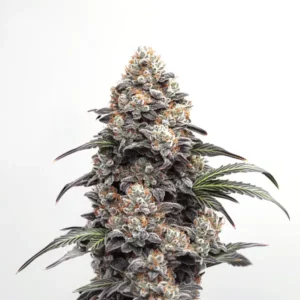
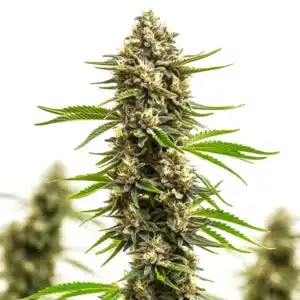
Permanent Marker

|
THC | 32% - 34% (High) |

|
Type | Feminized |

|
Yield | High |

|
Phenotype | 50% Indica / 50% Sativa |
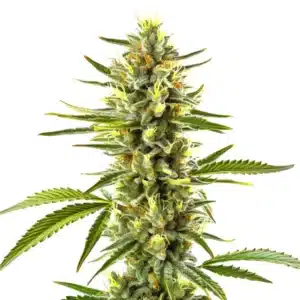
Lemon Kush
|
|
THC | 17% - 26% (High) |
|
|
Type | Feminized |
|
|
Yield | High |
|
|
Phenotype | 55% Indica / 45% Sativa |
Knowing VOC and Terpene Testing
What is VOC Testing?
VOC testing vs terpene testing cannabis involves analyzing different aspects of the plant’s chemical profile. VOC testing in cannabis focuses on identifying volatile organic compounds that may affect the plant’s safety and quality. These compounds, which can include solvents or pesticides, are measured in parts per million (ppm) to ensure they remain within safe limits. For example, the acceptable limit for certain VOCs is below 1 ppm to prevent potential health risks.
Experienced growers report that VOC testing is crucial in ensuring that cannabis products are free from harmful residues. This is particularly important in maintaining compliance with legal standards, which mandate rigorous testing to protect consumer safety. VOCs can also affect the aroma and taste of cannabis, making their regulation essential.
What is Terpene Testing?
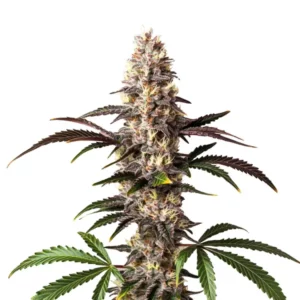
Terpene testing focuses on identifying the aromatic compounds in cannabis that contribute to its unique flavor and effects. These compounds, such as myrcene and limonene, are measured in percentages, with typical ranges being 0.5-2% for dominant terpenes. Terpene profiles can significantly influence the therapeutic and recreational effects of cannabis. Strains like Permanent Marker are especially valued for their complex terpene composition and intense aromatic profile, making them popular among both growers and consumers seeking flavorful cannabis experiences.
Master growers have pointed out that knowing terpene profiles can enhance the consumer experience by tailoring products to specific preferences. For instance, a strain with high myrcene content might offer a relaxing effect, while one rich in limonene could provide an uplifting experience. This testing is vital for product differentiation in a competitive market.
Promos & Deals

Key Differences Between VOC and Terpene Testing
Applications in Cannabis Industry
Knowing VOC testing vs terpene testing cannabis is essential for both producers and consumers. VOC and terpene testing serve different purposes within the cannabis industry. VOC testing is primarily concerned with safety, ensuring that products are free from harmful chemicals. This is essential for meeting regulatory standards and protecting consumer health. Terpene testing, however, is more focused on enhancing the sensory experience and therapeutic effects.
Many cultivators share that integrating both testing methods can lead to superior product quality. While VOC testing ensures safety, terpene testing allows producers to fine-tune the flavor and effects, catering to specific consumer demands. This dual approach can significantly boost a product’s market appeal.
Benefits of Each Testing Method
Impact on Cannabis Quality and Effects
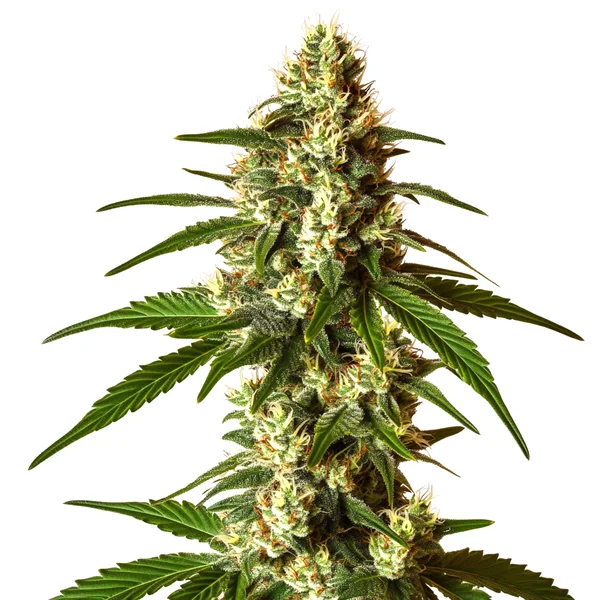
Both VOC and terpene testing have distinct impacts on cannabis quality. VOC testing ensures that the product is free of harmful chemicals, which is crucial for consumer safety. Terpene testing, meanwhile, enhances the product’s flavor and effects, providing a richer user experience. Citrus-forward strains like Lemon Kush are especially valued for their rich terpene profiles, making terpene preservation and analysis even more important for maintaining their signature aroma and effects.
The growing community has communicated that combining these tests can lead to higher consumer satisfaction. Knowing the differences between VOC testing vs terpene testing cannabis also helps producers better evaluate aroma, flavor complexity, and overall product quality. By ensuring safety and enhancing flavor and effects, producers can create products that stand out in the market. This dual focus can also help in building brand loyalty among consumers.
Professional Tips for Cannabis Testing
- Maintain VOC levels below 1 ppm to ensure product safety and compliance with regulations.
- Focus on terpene profiles with 0.5-2% to enhance flavor and effects, tailoring to consumer preferences.
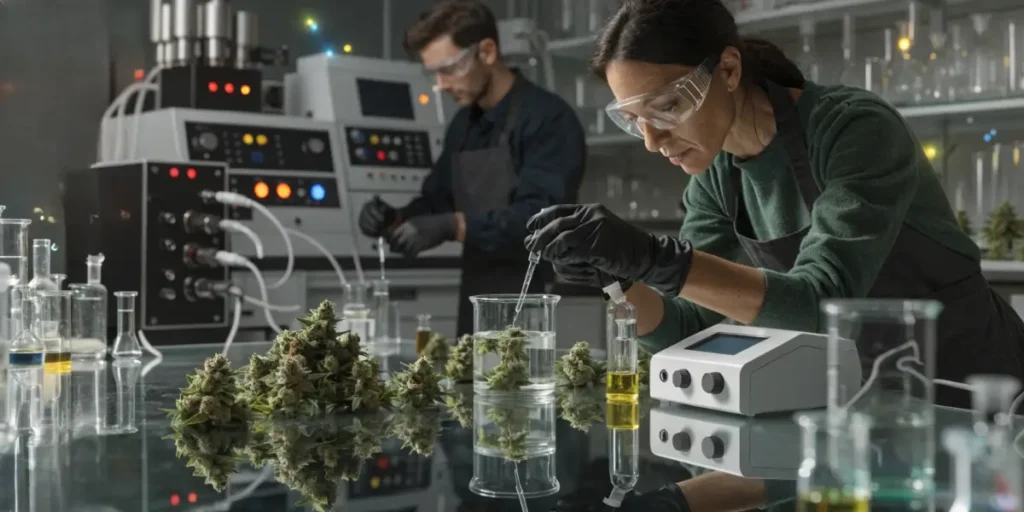
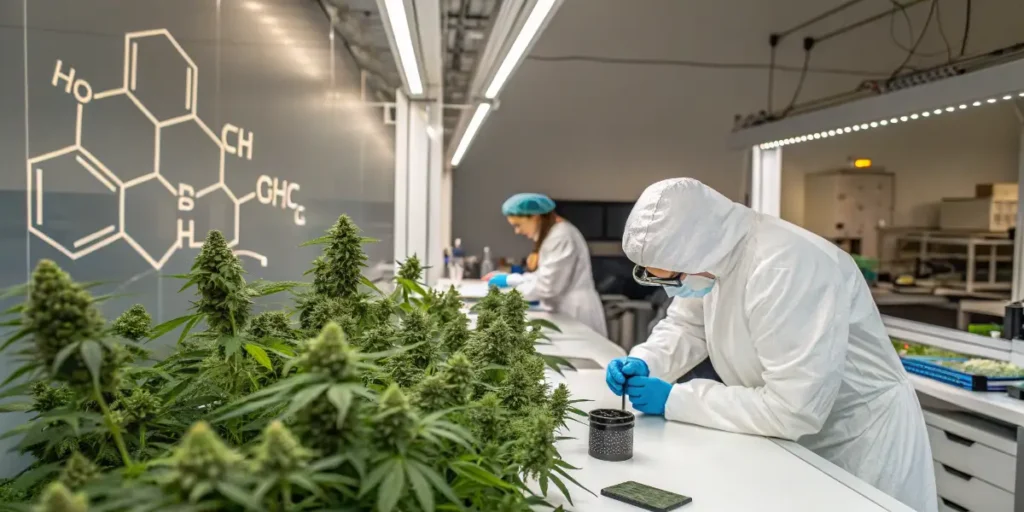
- Use a calibrated gas chromatograph for accurate VOC measurement, avoiding false positives.
- Analyze terpene profiles using mass spectrometry to ensure precise identification.
- Regularly update testing protocols to comply with changing legal standards and consumer expectations.
- Integrate both VOC and terpene testing in quality control to maximize product appeal and safety.
- Consider environmental factors such as humidity and temperature, which can affect terpene stability and VOC levels.
FAQs about VOC testing vs terpene testing cannabis
Are terpenes considered VOCs in cannabis testing?
Terpenes are indeed considered VOCs in cannabis testing. They are aromatic compounds that contribute to the plant’s scent and effects. Typically, terpenes are measured in percentages, ranging from 0.5% to 2% in various strains, influencing both flavor and therapeutic outcomes.
How is terpene testing conducted in cannabis?
Terpene testing in cannabis is conducted using gas chromatography or mass spectrometry. These methods identify and quantify terpenes, which can range from 0.5% to 2% in concentration. Accurate testing ensures consistent flavor profiles and enhances the consumer experience.
Can terpenes influence the psychoactive effects of cannabis?
Yes, terpenes can influence the psychoactive effects of cannabis. For example, myrcene enhances THC uptake, potentially intensifying effects. Terpenes typically range from 0.5% to 2%, and their interaction with cannabinoids can modify the overall experience.
Which cannabis terpenes are beneficial for arthritis?
Terpenes like beta-caryophyllene and myrcene are beneficial for arthritis. Beta-caryophyllene, found in concentrations of 0.5-1.5%, interacts with CB2 receptors to reduce inflammation, while myrcene, at 0.5-1.2%, offers analgesic properties.
What makes terpene testing essential in cannabis production?
Terpene testing is essential for ensuring flavor consistency and enhancing therapeutic effects. By identifying terpene profiles, which typically range from 0.5% to 2%, producers can tailor products to consumer preferences, boosting market appeal and satisfaction.