Unlock Proven Mycorrhizal Fungi and Nutrient Synergy in Cannabis

Mycorrhizal fungi are unsung heroes in the world of cannabis cultivation. These microscopic organisms form a symbiotic relationship with cannabis roots, enhancing nutrient uptake and boosting plant health. For both first-time cannabis seed buyers and seasoned growers, the partnership between mycorrhizal fungi and cannabis is a game-changer, especially when exploring mycorrhizal fungi and nutrient synergy in cannabis, a concept that highlights how these organisms significantly improve nutrient efficiency and overall plant vitality.
Imagine your cannabis roots as a network of tiny straws. Mycorrhizal fungi attach themselves to these straws and extend their reach. This means your plants can access more water and nutrients than ever before. The result? Healthier, more vibrant cannabis plants.
Recommended Strains
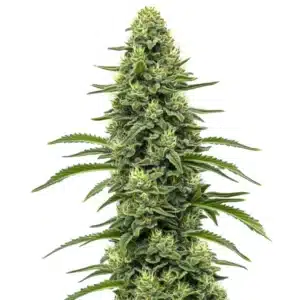
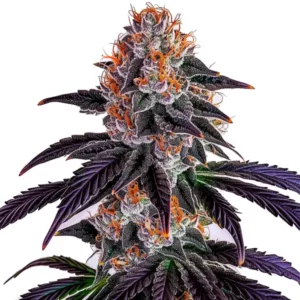
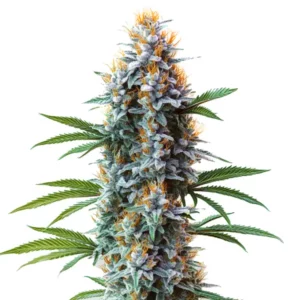
Gorilla Sherbet

|
THC | 26% - 30% (High) |

|
Type | Feminized |

|
Yield | High |

|
Phenotype | 70% Indica / 30% Sativa |
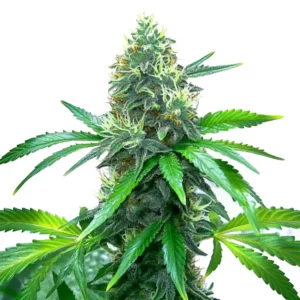
Blue Cheese
|
|
THC | 16% - 20% (Medium) |
|
|
Type | Feminized |
|
|
Yield | High |
|
|
Phenotype | 80% Indica / 20% Sativa |
Experienced growers know that mycorrhizal fungi and nutrient synergy in cannabis are crucial for thriving plants. Whether you’re growing indoors or in a sunny outdoor garden, these fungi can make a world of difference. Let’s dive into how these fungi can transform your cannabis cultivation.
The Benefits of Mycorrhizal Fungi in Cannabis Cultivation
One of the key benefits of mycorrhizal fungi in cannabis cultivation is their ability to enhance cannabis nutrient uptake. By colonizing the plant roots, these fungi increase the root surface area. This allows the cannabis plant to absorb more nutrients, such as nitrogen and phosphorus, from the soil.
Moreover, the mycorrhizal fungi and phosphorus synergy in cannabis plants is particularly noteworthy. Phosphorus is vital for energy transfer and photosynthesis in plants. Mycorrhizal fungi help break down phosphorus in the soil, making it more accessible for cannabis roots to absorb.
Another significant advantage of using mycorrhizal fungi is their contribution to soil structure and health. These fungi promote soil aggregation, which improves water retention and aeration. This creates an ideal environment for cannabis roots to thrive, further enhancing the plant’s growth potential.
Additionally, mycorrhizal fungi can help mitigate the impact of soil-borne pathogens. By forming a protective barrier around the roots, these fungi can reduce the risk of root diseases and promote a robust immune response in cannabis plants. This protective effect is a crucial component of the mycorrhizal fungi and nutrient synergy in cannabis.
Promos & Deals

Enhancing Cannabis Growth with Mycorrhizal Fungi
For those aiming to maximize their cannabis yield, incorporating mycorrhizal fungi into your growing regimen is a smart move. These fungi not only improve nutrient uptake but also enhance the plant’s overall resilience. This means your cannabis plants are better equipped to withstand stressors like drought or pest infestations.
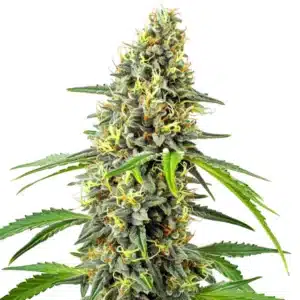
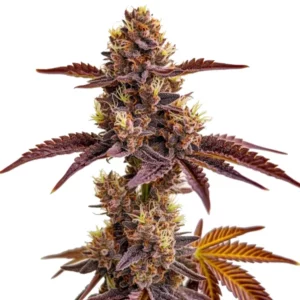
Consider strains like Gorilla Sherbet from Blimburn Seeds, which benefits immensely from this nutrient synergy. By pairing high-quality cannabis seeds with mycorrhizal fungi, you set the stage for robust growth and potent buds.
Enhancing cannabis growth with mycorrhizal fungi involves knowing the specific needs of your plants and tailoring your approach accordingly. By ensuring that the fungi have the right conditions to thrive, you can optimize their symbiotic relationship with your cannabis plants.
Moreover, the presence of mycorrhizal fungi can lead to a more efficient use of fertilizers. With improved nutrient uptake, you may find that your cannabis plants require less additional input, saving you time and resources while promoting sustainable cultivation practices.
How Mycorrhizal Fungi Enhance Cannabis Nutrient Uptake
Mycorrhizal fungi work like tiny miners, extracting nutrients from the soil and delivering them directly to the cannabis plant roots. This direct transfer system is incredibly efficient, allowing plants to access nutrients that might otherwise be out of reach.
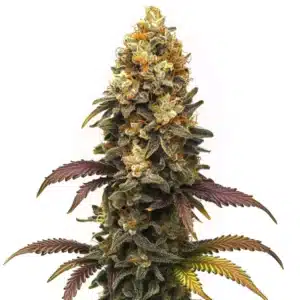
For example, the Blue Cheese strain from Blimburn Seeds thrives in environments where nutrient uptake is optimized. By using mycorrhizal fungi, growers can ensure that their Blue Dream plants receive all the nutrients they need to produce high-quality buds.
Knowing how mycorrhizal fungi enhance cannabis nutrient uptake can lead to more strategic cultivation practices. By facilitating the absorption of essential nutrients, these fungi support faster growth rates and more robust plant development.
Furthermore, the mycorrhizal network serves as a communication channel between plants, allowing them to share resources and signals. This networking capability can lead to healthier cannabis communities, where individual plants support each other in nutrient acquisition and stress resistance.
Practical Tips for Incorporating Mycorrhizal Fungi into Your Cannabis Grow
Incorporating mycorrhizal fungi into your grow doesn’t have to be complicated. One practical method is to apply a mycorrhizal fungi inoculant to your soil or growing medium. These products are readily available and easy to use, even for first-time growers.
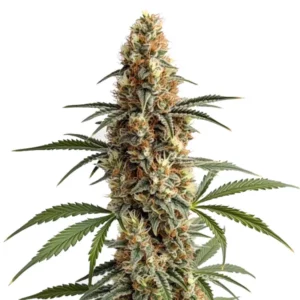
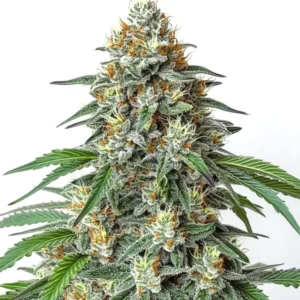
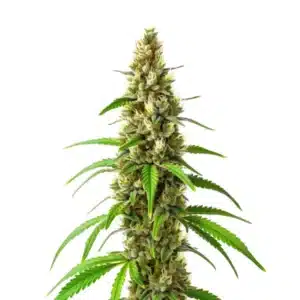
For instance, when growing the popular Amnesia Haze strain from Blimburn Seeds, using a mycorrhizal inoculant can significantly improve plant vigor and bud quality. Simply follow the instructions on the inoculant package for best results.
To effectively incorporate mycorrhizal fungi, it’s important to ensure that the inoculant reaches the root zone. Applying the fungi at the time of planting or transplanting can help establish a strong symbiotic relationship from the outset.
Another tip is to maintain a balanced soil environment that supports the fungi’s growth. Avoiding harmful chemicals and ensuring proper pH levels can help create the ideal conditions for these beneficial organisms, enhancing the role of mycorrhizal fungi in cannabis nutrient synergy.
FAQs
What is the function of mycorrhizal fungi in cannabis nutrient synergy?
Mycorrhizal fungi play a pivotal role by forming a symbiotic relationship with cannabis plant roots. This relationship enhances the plant’s ability to absorb nutrients, particularly phosphorus, which is crucial for growth and energy transfer.
These fungi extend the root system’s reach, allowing plants to access water and nutrients more efficiently. As a result, cannabis plants become more resilient and capable of producing high yields and potent flowers.
The function of mycorrhizal fungi in cannabis nutrient synergy is not only about nutrient uptake; it also involves improving the overall health of the plants. Healthy plants are more resistant to environmental stressors and can better allocate resources toward growth and reproduction.
Furthermore, mycorrhizal fungi contribute to the soil’s microbial diversity, which is essential for maintaining a balanced ecosystem. This diversity helps prevent the dominance of harmful pathogens, ensuring that cannabis plants can thrive without unnecessary competition.
How do mycorrhizal fungi and phosphorus synergy benefit cannabis plants?
The synergy between mycorrhizal fungi and phosphorus is essential for cannabis plants. Mycorrhizal fungi help break down phosphorus in the soil, making it more available for plant uptake. This is vital for energy transfer and photosynthesis.
Cannabis plants with access to adequate phosphorus tend to grow stronger and produce superior buds. By utilizing mycorrhizal fungi, growers can ensure their plants receive the phosphorus they need for optimal health and production.
Phosphorus availability is particularly critical during the flowering stage of cannabis growth, where energy demands are high. Mycorrhizal fungi and phosphorus synergy in cannabis plants ensure that nutrient supply meets these increased demands, leading to more abundant and potent yields.
Additionally, the presence of mycorrhizal fungi can improve the efficiency of phosphorus use, reducing the need for phosphorus-rich fertilizers. This not only benefits the plants but also promotes environmentally friendly farming practices by minimizing nutrient runoff and pollution.
Can mycorrhizal fungi be used with all cannabis strains?
Yes, mycorrhizal fungi can be used with all cannabis strains. Whether you’re growing an indica, sativa, or hybrid, these fungi can enhance nutrient uptake and improve overall plant health.
For example, strains like Gorilla Sherbet, Blue Cheese, and Amnesia Haze from Blimburn Seeds benefit from this nutrient synergy, resulting in more vigorous growth and higher-quality yields.
The versatility of mycorrhizal fungi makes them a valuable tool for any cannabis grower, regardless of their preferred strains or growing conditions. Their ability to adapt to different environments allows them to provide consistent benefits across a wide range of cannabis varieties.
Moreover, the integration of mycorrhizal fungi can complement other cultivation techniques, such as organic soil amendments or hydroponic systems, providing growers with a flexible approach to optimizing plant health and productivity.
How often should I apply mycorrhizal fungi to my cannabis plants?
The frequency of application depends on the specific product and growing conditions. Generally, applying mycorrhizal fungi inoculants at the beginning of the growth cycle is recommended for optimal results.
Reapplication may be necessary if you notice signs of nutrient deficiency or if you transplant your plants. Always follow the instructions on the inoculant package for the best guidance.
Regular monitoring of your plants can help you determine the need for additional applications of mycorrhizal fungi. Observing root health and growth patterns can provide insights into how mycorrhizal fungi enhance cannabis nutrient uptake over time.
Keep in mind that environmental factors such as soil type, temperature, and humidity can influence the effectiveness of mycorrhizal fungi. Adjusting the application frequency based on these variables can help maintain a productive and balanced cultivation environment.
Are there any downsides to using mycorrhizal fungi in cannabis cultivation?
While mycorrhizal fungi offer numerous benefits, there are a few considerations. Over-fertilization can disrupt the symbiotic relationship between the fungi and plant roots, so it’s important to use fertilizers judiciously.
Additionally, not all soils or growing mediums are conducive to mycorrhizal fungi. It’s essential to ensure that your growing environment supports these beneficial organisms for them to be effective.
Some growers may find that their existing soil conditions already support a healthy population of mycorrhizal fungi, making additional applications unnecessary. Knowing your soil’s baseline fungal activity can help you make informed decisions about supplementation.
Finally, while mycorrhizal fungi are generally beneficial, it’s crucial to source high-quality inoculants from reputable suppliers. This ensures that you’re introducing the right strains of fungi that are compatible with cannabis, maximizing the benefits of mycorrhizal fungi and nutrient synergy in cannabis cultivation.