Top Leaf Sap Extraction Methods for Cannabis Refractometer Tests

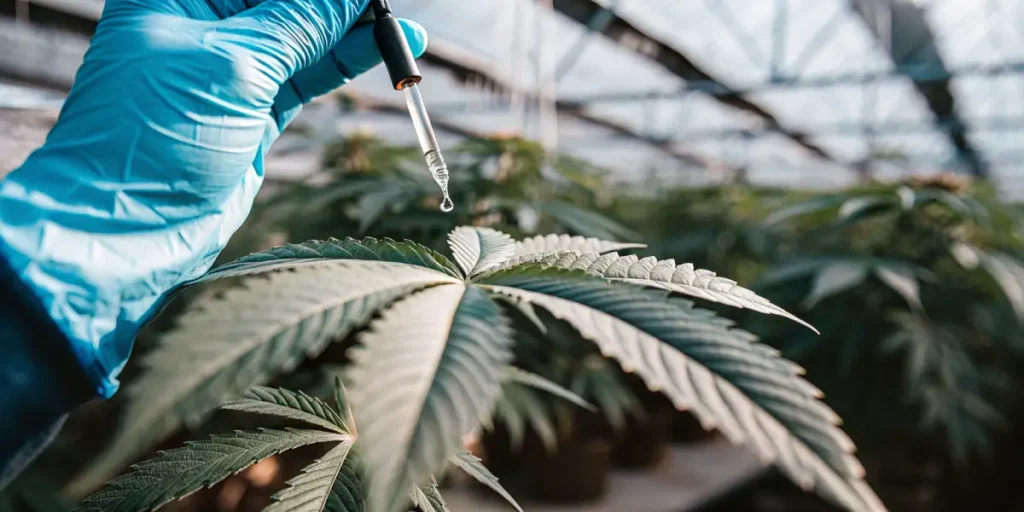
For cannabis growers, knowing plant health is crucial. Leaf sap extraction methods for cannabis refractometer tests provide a reliable means to measure nutrient levels. This process involves extracting sap from cannabis leaves and using a refractometer to analyze the plant’s health. It’s a simple yet effective way to ensure your plants receive the right nutrients at the right time.
When you test cannabis sap with a refractometer, you’re measuring the Brix level. This level indicates the sugar content, which correlates with nutrient availability and plant health. Experienced growers often rely on these tests to adjust their growing techniques accordingly. Whether you’re growing Blimburn Seeds Bruce Banner 3, Girl Scout Cookies, or Gelato, using the right leaf sap extraction method can make a significant difference.
Recommended Strains
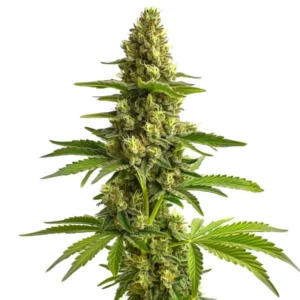
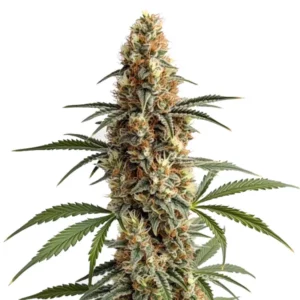
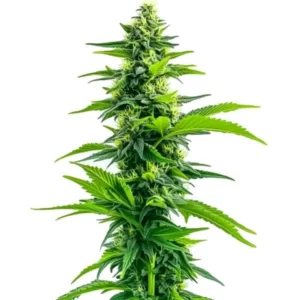
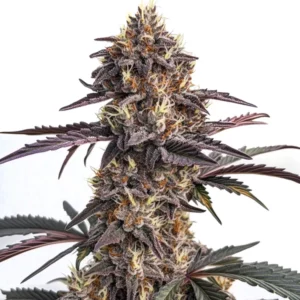
Bruce Banner #3

|
THC | 20% - 29% (High) |

|
Type | Feminized |

|
Yield | Medium |

|
Phenotype | 50% Indica / 50% Sativa |
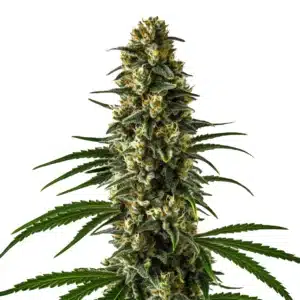
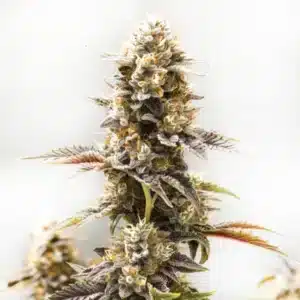
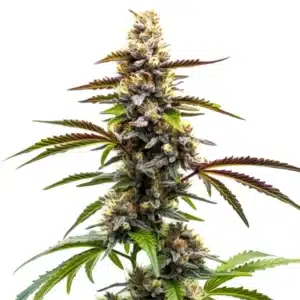
Girl Scout Cookies
|
|
THC | 18% - 25% (Medium) |
|
|
Type | Feminized |
|
|
Yield | High |
|
|
Phenotype | 60% Indica / 40% Sativa |
Cannabis leaf sap extraction techniques are varied, giving growers options to find what works best for them. These methods not only provide insights into plant health but also help optimize yields. Choosing the right method ensures you get accurate readings every time you perform refractometer testing for cannabis leaves.
Choosing the Right Tools for Sap Extraction
Having the right tools is essential for effective sap extraction. Growers often use items like garlic presses, pliers, or even custom-built sap extractors. Each tool has its pros and cons, and selecting the right one depends on your comfort and the quantity of sap you need.
A garlic press is a popular choice among beginners. It’s simple to use and requires little effort. However, for larger operations, specialized sap extractors might be more efficient. These tools provide consistent pressure, ensuring you extract the maximum amount of sap from each leaf.
Knowing the tools available for cannabis plant sap refractometer procedures can greatly enhance the accuracy of your testing. Different tools can affect the quality and quantity of sap extracted, impacting the reliability of your results. By experimenting with various tools, growers can find the perfect balance between efficiency and precision.
For those new to sap extraction methods for cannabis analysis, starting with manual tools can offer valuable insights into the process. As you gain experience, you might develop preferences for certain tools over others, which can streamline your testing routine. This adaptability is key to maintaining plant health as your growing operation evolves.
Manual Tools for Leaf Sap Extraction
Manual tools like garlic presses and pliers are perfect for small-scale operations. They are readily available and inexpensive. A garlic press works by squeezing the leaf, forcing out the sap into a collection container. It’s straightforward and effective for a handful of plants.
Pliers offer a bit more control. By adjusting the pressure, you can ensure that you don’t damage the leaf, which is crucial for accurate readings. With practice, pliers can be a reliable tool for sap extraction methods for cannabis analysis.
Garlic presses and pliers are ideal for hobbyists who are exploring cannabis leaf sap extraction techniques. These tools allow growers to learn the nuances of sap extraction without a significant financial investment. Furthermore, they provide a tactile experience that helps growers understand the delicate balance of applying just the right amount of pressure.
While manual tools are effective for small-scale grows, they can also teach valuable lessons about the characteristics of healthy leaves. Observing leaf texture and resilience during extraction can offer additional insights into the plant’s overall health, complementing the data obtained from refractometer testing for cannabis leaves.
Automated Sap Extraction Tools
For larger cannabis growing operations, automated tools can save time and effort. These machines extract sap quickly and efficiently, making them ideal for growers handling numerous plants. Automated extractors apply consistent pressure, ensuring uniform sap extraction across leaves.
One popular method involves using a hydraulic press. These machines provide precise control over pressure, yielding consistent results. While the initial investment is higher, the time saved can be invaluable, especially during peak growing seasons.
Automated tools are a game-changer for those managing extensive cannabis gardens. By reducing manual labor, they allow growers to focus on other critical aspects of plant care. This efficiency is particularly beneficial when cultivating high-demand strains like those from Blimburn Seeds, where quick adjustments can significantly impact yield and quality.
Moreover, automated systems can enhance the accuracy of measuring cannabis sap with a refractometer. By ensuring uniform sap extraction, these machines help maintain consistent Brix readings across numerous plants, providing a reliable foundation for informed decision-making in nutrient management.
Promos & Deals
Step-by-Step Guide to Leaf Sap Extraction
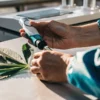
Regardless of the tool, the procedure remains fairly consistent. Begin by selecting healthy leaves from your cannabis plants. Choose leaves that are mature but not overly old, as they provide the most accurate sap readings.
Gently clean the leaves to remove any dust or debris. This ensures that the sap you extract is pure and free from contaminants. Next, using your chosen tool, apply pressure to the leaves to extract the sap. Collect the sap in a clean container for testing.
Knowing each step in the cannabis plant sap refractometer procedures is crucial for obtaining accurate results. Every stage, from leaf selection to sap collection, plays a vital role in ensuring the reliability of your readings. By paying attention to detail, growers can refine their techniques and enhance their overall growing practices.
Consistency in your approach to leaf sap extraction methods for cannabis refractometer tests can lead to more dependable data over time. This consistency is particularly important when monitoring changes in nutrient levels or plant health, enabling growers to track progress and make timely adjustments.
Preparing Leaves for Sap Extraction
The preparation stage is crucial for accurate results. Select leaves that are free from damage and disease. Healthy leaves deliver reliable sap readings, reflecting the true nutrient status of the plant.
Once selected, wash the leaves under running water. This step removes surface impurities, providing a clearer picture of the plant’s internal health. Pat the leaves dry with a clean cloth before proceeding with the extraction.
Thorough preparation is the foundation of successful leaf sap extraction methods for cannabis analysis. By ensuring that leaves are clean and undamaged, growers can minimize the potential for contaminants that might skew the results of their refractometer testing for cannabis leaves.
Attention to detail during preparation also allows growers to better understand the physical characteristics of healthy leaves. This knowing can be instrumental when selecting leaves in the future, fostering a more intuitive approach to cannabis leaf sap extraction techniques.
Extracting Sap from Cannabis Leaves
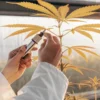
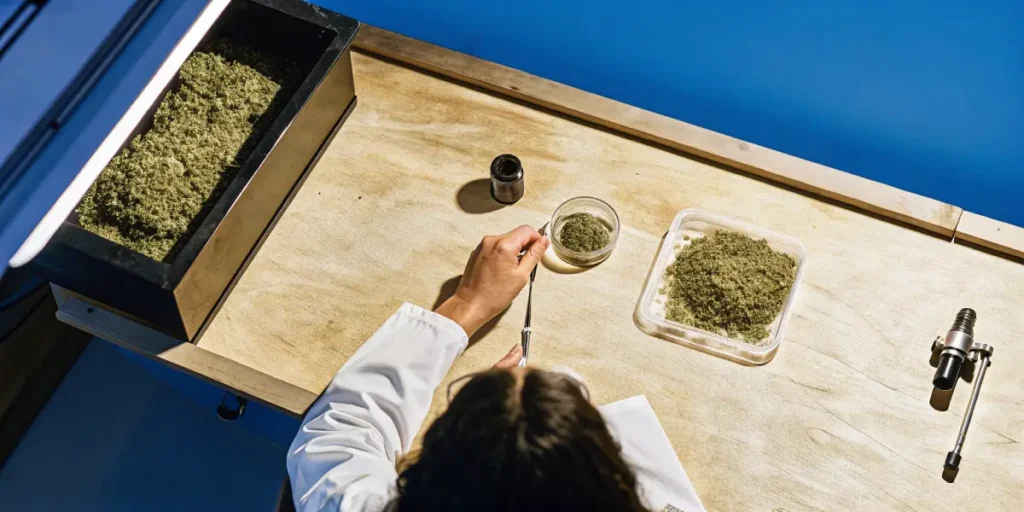
With clean leaves ready, begin the extraction. Position the leaf in your chosen tool, ensuring even pressure is applied. For manual tools, squeeze steadily until sap flows into your collection container. For automated tools, follow the manufacturer’s instructions for optimal results.
Collect the sap in a sterile container. Contamination at this stage can affect your readings. Transfer the sap to your refractometer for testing once you have enough for analysis.
Mastering the art of sap extraction is key to obtaining reliable data from your refractometer. The process requires a balanced approach to applying pressure, ensuring maximum yield without compromising leaf integrity. This skill becomes increasingly valuable as you scale your growing operations.
Furthermore, practicing efficient sap extraction methods for cannabis analysis can lead to more consistent results across different strains. Each variety, from Blimburn Seeds Gelato to Bruce Banner 3, may require slight adjustments in technique for optimal sap yield and accurate refractometer readings.
Analyzing Sap with a Refractometer
Once sap is collected, it’s time to use the refractometer. This device measures the Brix level, indicating the sugar and nutrient content of your cannabis plants. Accurate readings help you tailor your feeding schedule for optimal growth.
Place a few drops of sap onto the refractometer’s prism. Close the cover and look through the eyepiece. You’ll see a scale that indicates the Brix level. Higher Brix levels typically suggest healthier plants.
Interpreting the results from a refractometer can offer invaluable insights into your plant’s health. By knowing the correlation between Brix levels and nutrient availability, growers can make informed decisions about nutrient applications, enhancing overall plant performance.
Regular refractometer testing for cannabis leaves is essential for tracking changes in plant health over time. This practice allows you to identify trends and address potential issues before they become problematic, ensuring your crops thrive throughout their growth cycle.
FAQs on Leaf Sap Extraction Methods for Cannabis Refractometer Tests
Why is leaf sap extraction important for cannabis growers?
Leaf sap extraction provides insights into a cannabis plant’s health, offering a snapshot of its nutrient levels. By measuring cannabis sap with a refractometer, growers can adjust their nutrient regimen, ensuring optimal growth conditions. This proactive approach helps prevent deficiencies and maximizes yields.
For first-time growers, knowing the plant’s internal health can be daunting. However, by regularly using sap extraction methods for cannabis analysis, even beginners can make informed decisions. It’s a straightforward way to enhance your growing expertise and achieve better results.
Leaf sap extraction methods for cannabis refractometer tests are particularly beneficial for identifying and correcting nutrient imbalances. By pinpointing deficiencies early, growers can avoid potential setbacks and ensure that their plants receive the appropriate care and nutrition.
Additionally, these methods provide a non-invasive way to monitor plant health, making them a valuable tool for both novice and experienced growers. By integrating regular sap extraction and refractometer testing into their routine, growers can achieve more consistent outcomes and higher quality yields.
What are the best tools for sap extraction in small-scale operations?
For small-scale growers or hobbyists, manual tools like garlic presses and pliers are ideal. They are easy to use, inexpensive, and require minimal maintenance. These tools provide enough precision for a few plants, making them a great choice for personal grows.
As your operation expands, you might consider upgrading to more efficient tools. However, for those just starting with strains like Blimburn Seeds Girl Scout Cookies, manual tools offer a perfect balance of functionality and affordability.
Choosing the right tool for your sap extraction needs can greatly influence your efficiency and success. For small-scale operations, the simplicity and affordability of manual tools make them an excellent starting point. As you become more familiar with the process, you can begin to explore more sophisticated options.
Moreover, manual tools can serve as a stepping stone to knowing more complex cannabis leaf sap extraction techniques. By mastering the basics, growers can build a solid foundation that prepares them for larger-scale operations and the integration of automated systems.
How often should sap extraction tests be conducted?
Regular testing is key to maintaining plant health. Many growers conduct leaf sap extraction methods for cannabis refractometer tests weekly. This frequency provides a consistent knowing of nutrient levels and allows for timely adjustments.
During critical growth phases, such as flowering, more frequent testing might be necessary. Monitoring changes in Brix levels helps ensure that plants like Blimburn Seeds’ Bruce Banner receive optimal nutrition throughout their lifecycle.
The frequency of sap extraction tests can vary based on the specific needs of your plants and growing conditions. However, maintaining a regular testing schedule is crucial for early detection of potential issues and for making proactive adjustments to your nutrient regimen.
Incorporating regular sap extraction and refractometer testing into your routine can also provide valuable data over time. By tracking changes and trends, you can refine your growing strategies and optimize plant health and yield across multiple growing cycles.
Can sap extraction methods damage cannabis plants?
When performed correctly, sap extraction should not harm the plant. It’s important to use gentle techniques and the right tools. Damaging leaves can lead to inaccurate readings and potential plant stress.
By practicing careful extraction methods and selecting healthy leaves, you can minimize potential damage. This approach ensures that your plants remain healthy and continue to thrive, providing high-quality yields.
Ensuring that extraction techniques are gentle and precise is paramount to preserving plant health. Over time, growers can refine their skills to minimize any risk of damage, ensuring that the process remains both efficient and non-invasive.
Moreover, by using the appropriate tools and techniques, you can maintain the integrity of the leaves, ensuring accurate sap readings. This attention to detail is essential for achieving the best results from your refractometer testing for cannabis leaves.
What are the benefits of using a refractometer for cannabis analysis?
A refractometer provides a quick and accurate way to assess plant health. By measuring the Brix level, growers gain insights into sugar and nutrient content. This data helps in fine-tuning nutrient applications, optimizing plant growth.
For both novice and experienced growers, refractometer testing for cannabis leaves is an invaluable tool. It allows for real-time adjustments, ensuring that strains like Blimburn Seeds’ Gelato receive the best care possible, leading to robust growth and potent yields.
Using a refractometer as part of your cannabis cultivation toolkit can significantly enhance your growing outcomes. By providing immediate feedback on plant health, it empowers you to make informed decisions that directly impact plant vitality and yield.
Additionally, refractometer testing integrates seamlessly with other cannabis leaf sap extraction techniques, offering a comprehensive approach to plant health management. As a result, growers can achieve more consistent quality and potency across their crops, ultimately leading to greater success in their cannabis cultivation endeavors.