Cannabis Pistils: Role and Importance in Cultivation

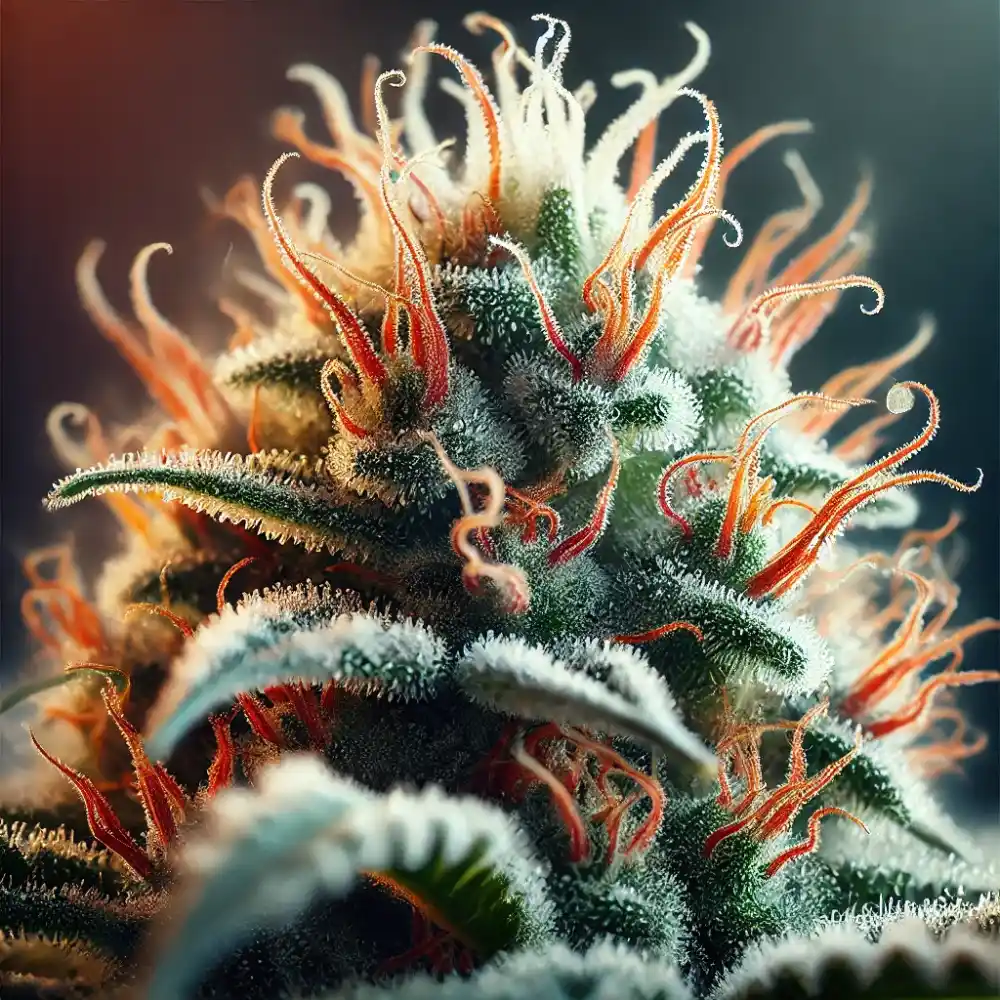
Essential Role of Cannabis Pistils: Cannabis pistils are thread-like structures vital for the reproduction of female cannabis plants. Their main role is to capture pollen in order to produce seeds. For growers, pistils are crucial for identifying plant sex and determining the optimal harvest time. These indicators help ensure successful cultivation outcomes.
Delving into the world of cannabis pistils reveals their significance beyond reproduction. These structures influence terpene profiles, impacting aroma and flavor. With a flowering time of 8-10 weeks, pistils also guide the timing for optimal harvest. Understanding their role in plant health can enhance your cultivation strategy, ensuring robust growth and high-quality yields.
Recommended Strains

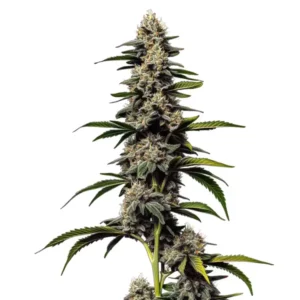
Alien OG

|
THC | 22% - 28% (High) |

|
Type | Feminized |

|
Yield | High |

|
Phenotype | 50% Indica / 50% Sativa |
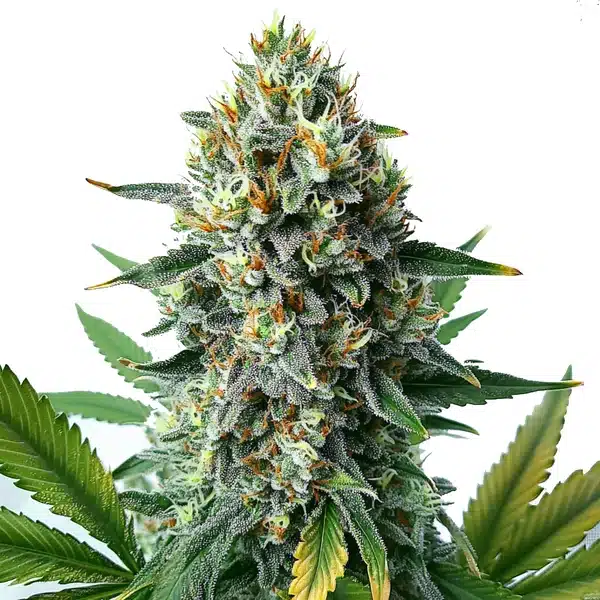
Alien OG Fast Version
|
|
THC | 14% - 16% (Medium) |
|
|
Type | Fast Flowering |
|
|
Yield | High |
|
|
Phenotype | 70% Indica / 30% Sativa |
What Are Cannabis Pistils?
Anatomy and Function of Pistils
Cannabis pistils are composed of three primary parts: the stigma, style, and ovary. The stigma is the sticky tip designed to catch pollen. It connects to the ovary via the style, a slender tube facilitating pollen travel. This structure is crucial for fertilization, leading to seed development within the ovary.
Female cannabis plants are distinguished by their pistils, unlike male plants, which produce pollen sacs. Hermaphroditic plants feature both reproductive organs. Identifying pistils early in the growth cycle is essential for determining plant sex and preventing unwanted pollination.
Pistils as Indicators for Harvest
Pistils serve as a visual cue for harvest readiness. As the cannabis plant matures, pistils transition from white to darker hues like orange or brown. When over 70% of pistils have darkened, it’s generally an indication of peak harvest time, maximizing potency and yield.
Monitoring pistil color is crucial, but not the sole indicator of harvest timing. Trichome development should also be considered for a comprehensive assessment. This dual approach ensures you capture the plant’s full cannabinoid profile.
Promos & Deals
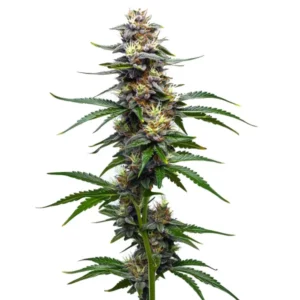
Do Pistils Contain THC?
Biological Role and THC Content
While pistils themselves do not contain significant levels of THC, they play an indirect role in cannabinoid production. The pistils’ function in reproduction supports the development of resinous flowers, where THC is concentrated. Understanding this biological process is key to optimizing cannabis potency.
THC levels are primarily found in the trichomes, the resinous glands on the flowers. These glands can contain THC levels ranging from 15% to 30%, depending on the strain. Pistils contribute to the overall health and development of these trichome-rich flowers.
Impact on Cultivation and Breeding
For breeders, pistils are a tool for selecting plants with desirable traits. By focusing on pistil health and development, cultivators can enhance the genetic potential of their crops. This includes targeting specific cannabinoid profiles and increasing resistance to environmental stresses.
Breeders often select plants with robust pistils to ensure vigorous growth and high cannabinoid content. This practice supports the development of new strains with unique characteristics, such as enhanced flavor or increased resilience.
| Feature | GG4 | Blue Dream Auto | Strawberry Banana |
|---|---|---|---|
| THC Content | 25-30% | 18-22% | 22-26% |
| Dominant Terpene | Caryophyllene | Myrcene | Limonene |
| Flowering Time | 8-9 weeks | 9-10 weeks | 9-10 weeks |
| Yield (g/m²) | 500-600 | 400-500 | 500-600 |
| Effect | Relaxing | Uplifting | Euphoric |
Pistils in Autoflowering Cannabis
Unique Characteristics of Autoflower Pistils
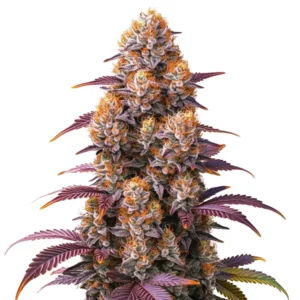
Autoflowering cannabis strains, like Sunset Purple Auto, develop pistils independently of light cycles. These strains transition from vegetative to flowering stages based on age, typically completing their lifecycle within 70-80 days from seed.
Pistils in autoflowers follow a similar color progression as photoperiod strains, beginning white and transitioning to darker shades as maturity approaches. This natural progression assists growers in timing their harvest for optimal results.
Optimizing Autoflower Cultivation
For autoflowers, maintaining consistent environmental conditions is crucial. Light schedules of 18/6 or 20/4 promote healthy growth. Temperatures should remain between 68°F and 77°F (20°C – 25°C) with humidity levels around 50-60% RH.
Autoflower pistils are sensitive to stress, so avoid over-fertilization. Use a balanced nutrient solution with an N:P:K ratio of 5:5:5 during the vegetative phase and 1:3:2 during flowering to support optimal development.
Environmental Factors Affecting Pistils
Light, Temperature, and Humidity Impacts
Environmental factors significantly influence pistil development. Light intensity, measured in µmol/m²/s, should reach 600-900 during flowering. Temperature control is essential; maintain 70°F to 80°F (21°C – 27°C) to prevent stress. Humidity levels should be kept at 40-50% RH to avoid mold growth and support healthy pistil formation.
Fluctuations in these parameters can lead to pistil discoloration or premature darkening, indicating stress. Consistent monitoring and adjustments ensure pistils develop properly, contributing to the plant’s overall health and yield.
Strategies for Managing Environmental Conditions
Invest in quality environmental control equipment. Use digital hygrometers and thermostats to maintain optimal conditions. Implementing a VPD (Vapor Pressure Deficit) strategy can enhance pistil health, aiming for 0.8-1.2 kPa during flowering.
Common mistakes include neglecting ventilation, leading to high humidity and mold. Ensure proper airflow with oscillating fans and exhaust systems to maintain ideal growing conditions.
Professional Tips for Cannabis Cultivation
- Maintain 58-62% RH during curing to preserve terpenes and prevent mold. Use digital hygrometers for accuracy.
- Ensure light intensity reaches 800-1000 µmol/m²/s during peak flowering to maximize photosynthesis and yield.
- Use a 12/12 light schedule for photoperiod strains to induce flowering, avoiding light leaks that can revert plants to vegetative state.
- Monitor soil pH levels, aiming for 6.0-6.5 to ensure nutrient uptake and prevent deficiencies.
- Employ a SCROG (Screen of Green) technique to enhance light penetration and increase bud production.
- Avoid over-watering; allow the top inch of soil to dry out between waterings to prevent root rot.
Frequently Asked Questions About Cannabis Pistils
Do white pistils mean the bud is still growing?
Yes, white pistils indicate that the cannabis buds are still maturing. As the plant progresses towards maturity, these pistils will darken. Typically, when 70-80% of pistils have changed color, it suggests that the buds are nearing their peak potency and are ready for harvest.
What do pistils look like when ready to harvest?
When ready to harvest, cannabis pistils will have turned from white to a darker color, such as orange or brown. This color change indicates that the plant has reached maturity, and the cannabinoid levels are at their peak. Harvesting at this stage ensures optimal potency and yield.
Do pistils always turn orange?
No, pistils do not always turn orange. While many strains exhibit orange pistils at maturity, others may develop red, brown, or even purple hues. The final color can vary based on the strain and environmental conditions, providing visual cues for harvest timing.
Is it okay to harvest with white pistils?
Harvesting with predominantly white pistils is not recommended, as it suggests the plant is not fully mature. Waiting until 70-80% of pistils have darkened ensures that the cannabinoid and terpene profiles have fully developed, resulting in a more potent and flavorful final product.
How do environmental factors affect pistil development?
Environmental factors like light, temperature, and humidity significantly impact pistil development. Optimal light intensity, consistent temperatures between 70°F and 80°F (21°C – 27°C), and humidity levels of 40-50% RH promote healthy pistil growth. Deviations can cause stress, affecting plant health and yield.