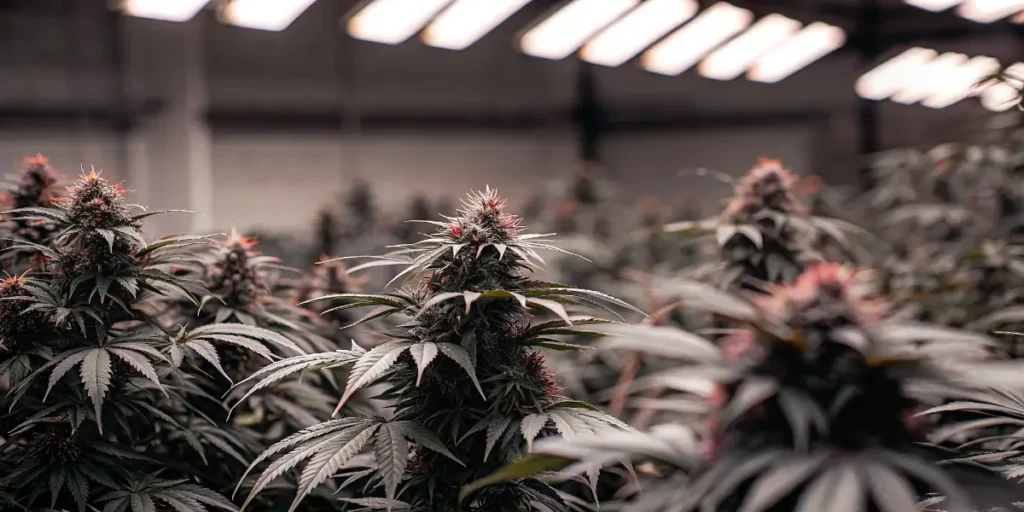
Techniques for Growing Pink or Purple Cannabis Buds

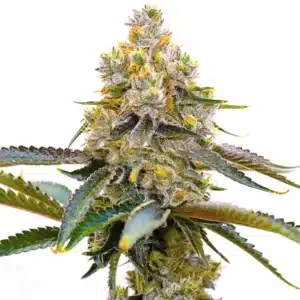
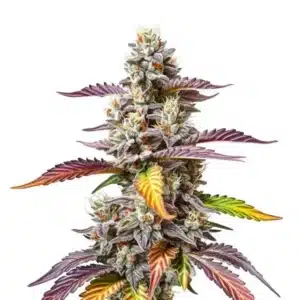
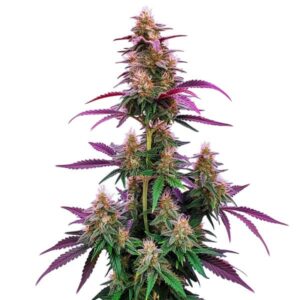
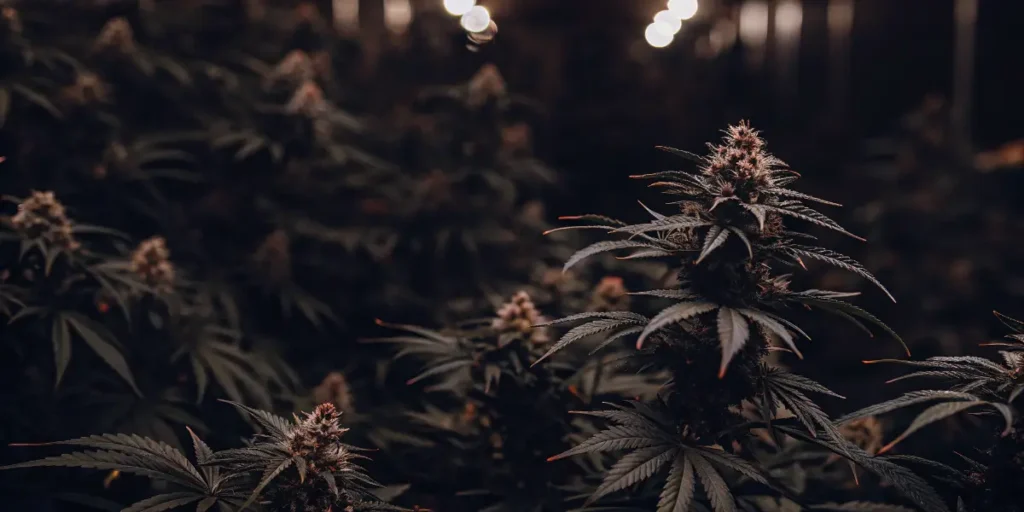
Enhancing Cannabis Pigmentation: To grow pink or purple cannabis buds, focus on environmental and nutrient adjustments. Lowering night temperatures to 50°F-60°F (10°C-15°C) can encourage anthocyanin production, the pigment responsible for these colors. Strains like Granddaddy Purple have a genetic predisposition for vibrant hues. Using specific nutrients and maintaining a pH of 6.0-6.5 optimizes color development.
When cultivating cannabis for vibrant pink or purple buds, terpene profiles and flowering time are crucial. Strains like Alaskan Purple, with its berry-like myrcene aroma, flourish in 8-9 weeks. Managing light exposure and humidity levels also plays a significant role in achieving these striking colors.
Recommended Strains

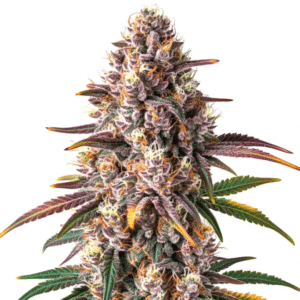
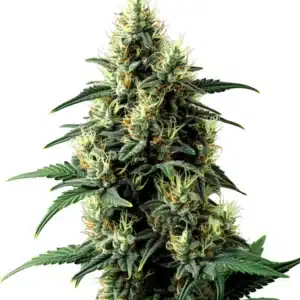
Alaskan Purple

|
THC | 15% - 20% (Medium) |

|
Type | Feminized |

|
Yield | Medium |

|
Phenotype | 70% Indica / 30% Sativa |

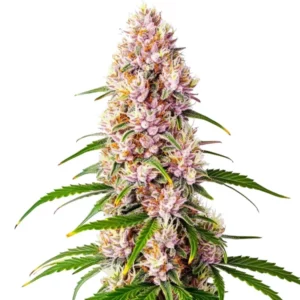
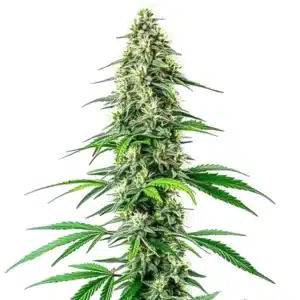
Purple Urkle
|
|
THC | 14% - 20% (Medium) |
|
|
Type | Feminized |
|
|
Yield | Medium |
|
|
Phenotype | 70% Indica / 30% Sativa |
Cannabis Pigmentation Insights
The Science Behind Pink and Purple Buds
Anthocyanins, the pigments responsible for pink and purple hues in cannabis, are influenced by both genetics and environmental factors. These pigments are more prevalent in strains with a genetic predisposition, such as Granddaddy Purple, which is known for its rich, vibrant colors. The production of anthocyanins is also triggered by cooler temperatures, particularly during the flowering stage.
Experienced growers report that maintaining nighttime temperatures between 50°F-60°F (10°C-15°C) can significantly enhance the production of anthocyanins. This temperature drop mimics fall conditions, encouraging the plant to produce more pigments. Additionally, a pH range of 6.0-6.5 is optimal for nutrient uptake, further supporting color development.
Cannabis Guide to Pigmentation
In the cannabis guide to achieving vibrant pigmentation, selecting the right strains is essential. Strains like Alaskan Purple and Purple Urkle are genetically inclined to produce deep purple hues. The growing community has communicated that these strains, when cultivated under optimal conditions, can yield buds with intense colors and robust flavors.
Master growers have pointed out that the use of specific nutrients, such as phosphorus and potassium, can also enhance the color intensity of cannabis buds. These nutrients support the plant’s metabolic processes, leading to larger, more colorful buds. It’s crucial to balance these nutrients carefully, as excess can lead to nutrient burn, affecting overall plant health.
Promos & Deals

Techniques for Growing Pink or Purple Cannabis Buds
Environmental Factors
To achieve pink or purple buds, environmental manipulation is key. Lowering temperatures during the night phase can induce the production of anthocyanins. This process is similar to how deciduous trees change color in autumn. Keeping night temperatures around 50°F-60°F (10°C-15°C) is ideal for promoting these pigments.
Light exposure also plays a critical role. Providing the right spectrum of light can boost anthocyanin production. Many cultivators share that using LED lights with a higher ratio of blue light can enhance color development. However, it’s important to avoid excessive light intensity, which can lead to bleaching and reduced pigment production.
Nutrient Strategies
Implementing the best nutrients for bigger buds is crucial for color enhancement. A balanced NPK ratio of 1:3:2 during the flowering stage supports both bud growth and color intensity. Phosphorus and potassium are particularly important as they facilitate the plant’s natural processes that lead to color development.
In artisanal cultivation circles, the use of organic nutrients is recommended to avoid chemical buildup that can affect the plant’s color and flavor. Organic options like bat guano and compost teas provide the necessary nutrients without the risk of chemical residue. Always ensure your nutrient solution is within the pH range of 6.0-6.5 to maximize effectiveness.
Watering Techniques
Proper watering techniques are essential for maintaining plant health and enhancing bud color. Overwatering can lead to nutrient lockout, preventing the plant from absorbing the necessary elements for color development. It’s crucial to allow the soil to dry out slightly between waterings to encourage root health.
Master growers have pointed out that the use of ice water purple buds technique can further enhance color. By watering with ice-cold water during the final weeks of flowering, you can shock the plant into producing more anthocyanins. This method should be used sparingly to avoid stressing the plant excessively.
Selecting the Right Strains
Top 10 Purple Strains
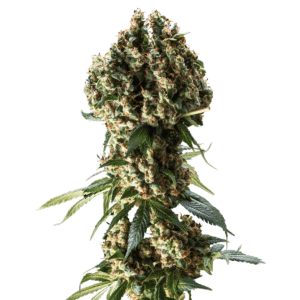
When aiming for purple buds, choosing the right strain is critical. Strains like Alaskan Purple, Purple Urkle, and Granddaddy Purple are renowned for their vibrant colors. These strains not only offer striking visuals but also deliver unique flavor profiles and potent effects.
Alaskan Purple, with its myrcene-dominant terpene profile, offers a sweet, berry-like aroma. Purple Urkle is known for its earthy, grape flavors, while Granddaddy Purple combines a complex mix of berry and grape notes. These strains are available at many Purple Buds Dispensaries, offering a reliable source for growers seeking vibrant colors.
Granddaddy Purple Strain Characteristics
Granddaddy Purple is a classic strain known for its deep purple hues and potent effects. It typically contains 17-23% THC, providing a relaxing, euphoric experience. The dominant terpene, myrcene, contributes to its sweet, grape-like aroma and enhances its sedative effects.
Experienced growers report that Granddaddy Purple thrives in cooler climates, where it can fully express its color potential. It’s crucial to maintain optimal growing conditions, including a pH range of 6.0-6.5 and a flowering time of 8-9 weeks, to achieve the best results.
Advanced Tips for Vibrant Colors
Ice Water Technique
The ice water technique involves watering your plants with ice-cold water during the last few weeks of flowering. This method can help intensify the purple hues by shocking the plant into producing more anthocyanins. However, it’s important to use this technique sparingly to avoid stressing the plant excessively.
Many cultivators share that this technique is most effective when combined with other environmental adjustments, such as lowering nighttime temperatures. By creating a controlled stress environment, you can enhance color without compromising plant health.
Avoiding Cannabis Foxtailing
Cannabis foxtailing can detract from the aesthetic appeal of your buds. This phenomenon occurs when buds grow in an elongated, spire-like fashion, often due to excessive light exposure or heat stress. To prevent foxtailing, maintain a consistent light schedule and avoid exposing plants to high temperatures.
Master growers have pointed out that keeping light intensity within the recommended range of 800-1000 µmol/m²/s can prevent foxtailing while promoting healthy bud development. It’s also important to monitor environmental conditions closely, adjusting as necessary to maintain optimal growth.
| Feature | Alaskan Purple | Purple Urkle | Granddaddy Purple |
|---|---|---|---|
| THC Content | 15-20% | 14-20% | 25% |
| Dominant Terpene | Myrcene | Terpinolene | Linalool |
| Flowering Time | 8-10 weeks | 8-10 weeks | 8-10 weeks |
| Optimal Temperature | 50°F-60°F | 50°F-60°F | 50°F-60°F |
| Color Intensity | High | Medium | Very High |
Professional Tips for Growing Pink or Purple Cannabis Buds
- Maintain 58-62% RH during the curing process. This range preserves terpene profiles and prevents mold growth.
- Use a pH meter to ensure your nutrient solution is between 6.0-6.5 for optimal nutrient uptake.
- Implement a 12/12 light schedule during flowering to promote bud development and color enhancement.
- Monitor soil moisture levels to prevent overwatering, which can lead to nutrient lockout.
- Introduce ice water during the final weeks of flowering to shock the plant into producing more anthocyanins.
- Avoid light intensities above 1000 µmol/m²/s to prevent foxtailing and maintain bud quality.
Frequently Asked Questions
What is the hardest strain to grow?
The hardest strain to grow often depends on environmental sensitivity and nutrient needs. Strains like Lambs Bread require precise humidity control, around 50-55% RH, and consistent temperatures of 70°F-80°F (21°C-27°C) to thrive. These strains demand advanced cultivation techniques and constant monitoring.
What is the strongest purple strain?
Granddaddy Purple is considered one of the strongest purple strains, with THC levels ranging from 17-23%. Its potent effects are complemented by a rich terpene profile, dominated by myrcene, which enhances its relaxing and sedative properties. This strain is ideal for evening use.
What does purple cannabis do?
Purple cannabis strains like Purple Urkle provide a unique sensory experience, often characterized by earthy and grape flavors. These strains typically offer calming effects, making them suitable for stress relief. The presence of anthocyanins also contributes to their antioxidant properties.
How to prevent cannabis foxtailing?
Prevent cannabis foxtailing by maintaining light intensity between 800-1000 µmol/m²/s and avoiding excessive heat. Consistent environmental conditions, including temperatures of 70°F-80°F (21°C-27°C), help ensure uniform bud development without the spire-like growth of foxtailing.
Which nutrients enhance cannabis color?
Phosphorus and potassium are key nutrients for enhancing cannabis color. A flowering NPK ratio of 1:3:2 supports anthocyanin production, leading to vibrant buds. Ensure the pH of your nutrient solution remains between 6.0-6.5 for optimal absorption and color development.