Calculating Electricity Costs for Indoor Cannabis Growing

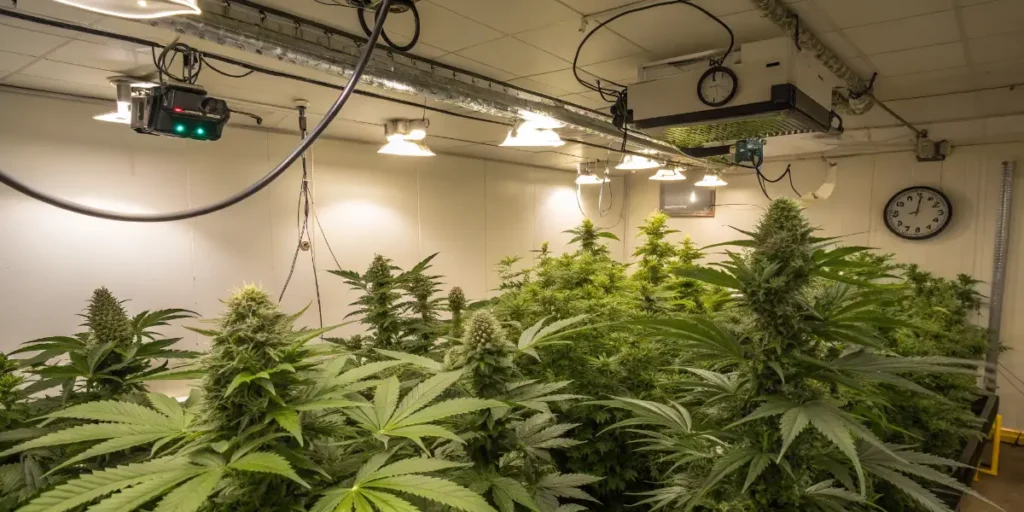
Electricity Cost Insight: Calculating electricity costs for indoor cannabis growing is essential for managing your budget effectively. By analyzing the power usage of your grow lights and equipment, you can determine monthly expenses. For example, running a 1000W grow light may cost approximately $30 monthly, depending on local electricity rates. Accurate cost estimation helps optimize your growing operation.
When cultivating cannabis indoors, knowing the terpene profile and flowering time of your chosen strains is crucial. Terpenes like Myrcene and Limonene not only influence aroma but also affect the plant’s growth and flowering period. Optimal flowering times range from 8-10 weeks, depending on the strain, impacting electricity consumption as lights and other equipment are used throughout this period.
Recommended Strains

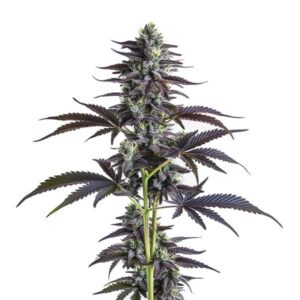
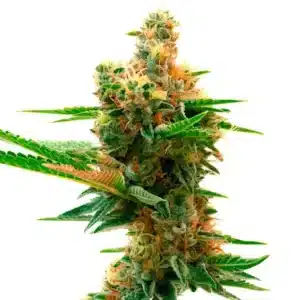
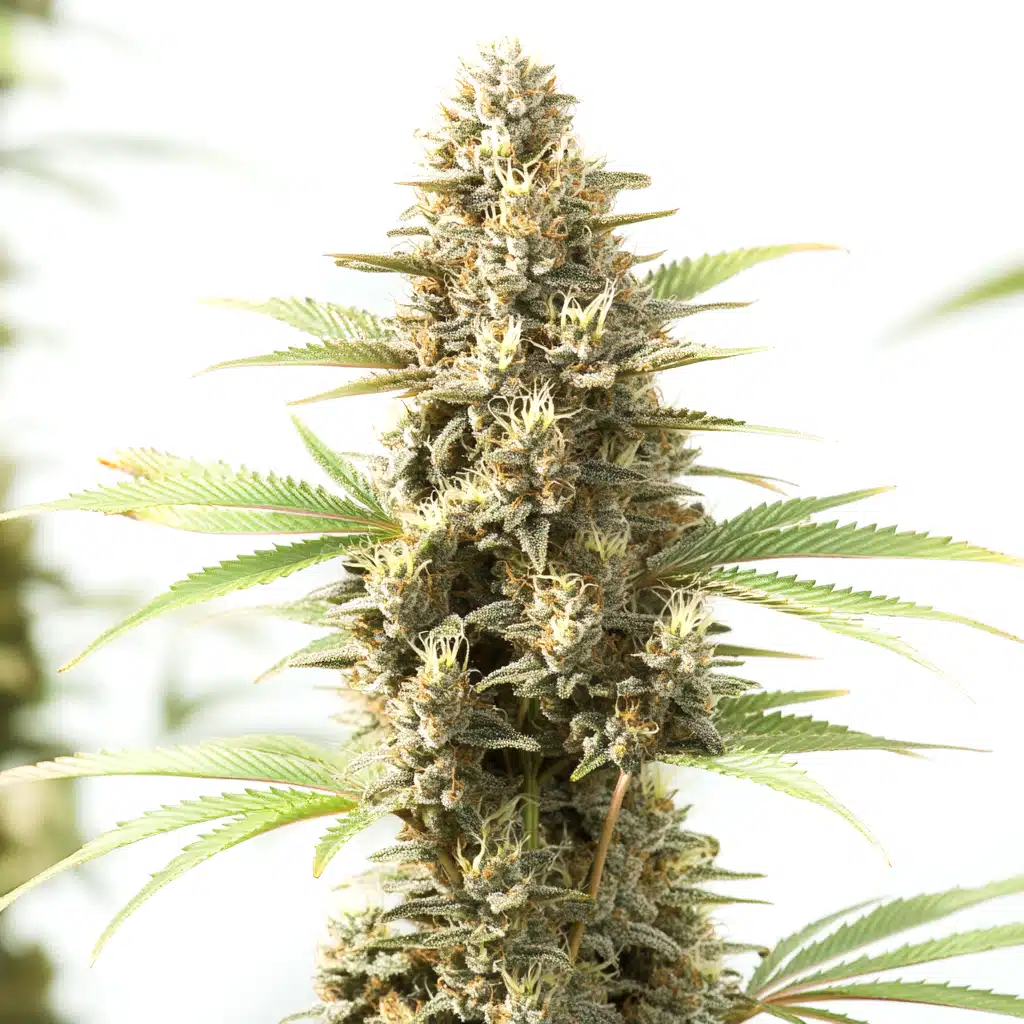
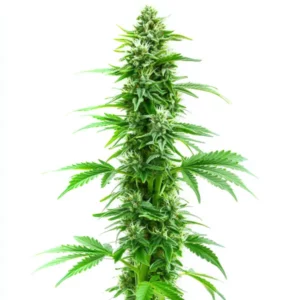
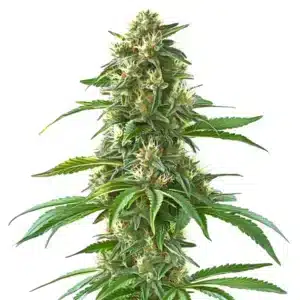
G13

|
THC | 16% - 21% (Medium) |

|
Type | Feminized |

|
Yield | High |

|
Phenotype | 70% Indica / 30% Sativa |
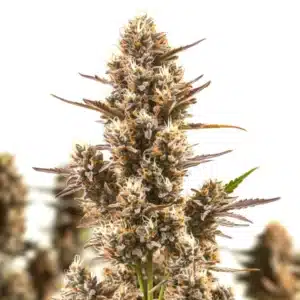
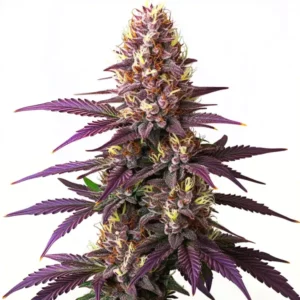
Kyle's Sweet Island
|
|
THC | 19% (Medium) |
|
|
Type | Feminized |
|
|
Yield | High |
|
|
Phenotype | 25% Indica / 75% Sativa |
Electricity Costs in Indoor Cannabis Growing
Factors Influencing Electricity Usage
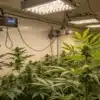
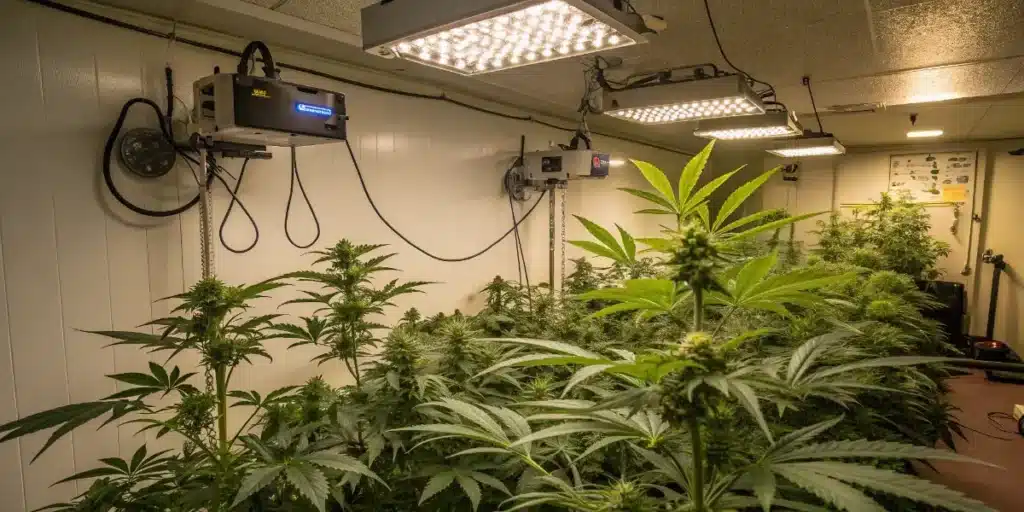
Electricity usage in indoor cannabis growing is influenced by several factors, including the type and number of grow lights, ventilation systems, and environmental controls. High-intensity discharge (HID) lights, for example, consume around 600-1000 watts each, significantly impacting electricity costs. Additionally, maintaining optimal temperature and humidity levels with HVAC systems further increases energy consumption.
Experienced growers report that using LED lights can reduce electricity usage by 30-50% compared to HID lights. LEDs offer efficiency by providing a full spectrum of light while generating less heat, which reduces the need for additional cooling systems. This efficiency not only lowers costs but also enhances plant growth by maintaining stable environmental conditions.
Practical Application & Impact
Implementing energy-efficient practices can significantly reduce electricity costs. For instance, using a grow light electricity cost calculator helps estimate expenses by inputting local electricity rates and equipment wattage. This tool allows growers to adjust their setups, optimizing energy use. Additionally, setting timers for lights and ventilation systems ensures they operate only when necessary, further cutting costs.
Master growers have pointed out that monitoring and adjusting the light schedule can save energy. A 12/12 light schedule during flowering, compared to a 24/0 vegetative schedule, reduces electricity use by 50%. This adjustment not only lowers costs but also mimics natural growth cycles, promoting healthier plants.
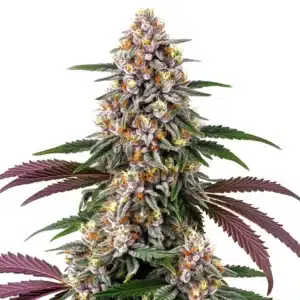
| Feature | Kyle’s Sweet Island | Banana Punch | G13 |
|---|---|---|---|
| THC Content | 19% | 17-20% | 16-21% |
| Dominant Terpene | Terpinolene | Myrcene | Valencene |
| Flowering Time | 8-10 weeks | 8-10 weeks | 8-10 weeks |
| Yield Indoor | 1.97 oz/ft² | 600 g/m² | 1.64 – 2.16 oz/ft² | 500 – 660 g/m² | 1.47 – 1.8 oz/ft² | 450 – 550 g/m² |
| Light Schedule | 18/6 veg, 12/12 flower | 18/6 veg, 12/12 flower | 18/6 veg, 12/12 flower |
Promos & Deals
Step-by-Step Guide to Calculating Electricity Costs
Using a Grow Light Electricity Cost Calculator
To accurately calculate electricity costs for indoor cannabis growing per plant or square foot, utilize a grow light electricity cost calculator. Input the wattage of your grow lights, the number of hours they run daily, and your local electricity rate. This tool provides a detailed estimate of monthly expenses, helping you budget effectively.
Many cultivators share that using a cannabis grow calculator alongside the electricity cost calculator offers a comprehensive view of potential expenses. This dual approach allows growers to fine-tune their setups, balancing energy use with optimal plant growth conditions.
How to Measure Electricity Usage by an Appliance
To measure electricity usage by an appliance, use a power meter. Plug the meter into the outlet, then connect your appliance. The meter will display the wattage used, allowing you to calculate daily and monthly electricity consumption. This data is crucial for identifying high-energy-use equipment and finding ways to reduce costs.
In artisanal cultivation circles, it’s common to overlook the cumulative impact of smaller devices like fans and humidifiers. Regularly monitoring these appliances ensures you’re not underestimating their contribution to your electricity bill.
Impact of Electricity Costs on Indoor Grow Yield
Electricity Costs and Yield Correlation
Electricity costs directly impact indoor grow yield. Higher energy expenses often correlate with more advanced lighting and environmental control systems, which can enhance plant growth and increase yields. However, the growing community has communicated that balancing energy use with cost-effective practices is essential to maximize returns.
For instance, maintaining a consistent light intensity of 800-1000 µmol/m²/s during peak flowering can boost yields by 10-20%. This requires careful management of electricity costs to ensure profitability without compromising plant health.
Optimizing Yield While Managing Costs
To optimize yield while managing electricity costs, focus on efficient energy use. Implementing LED lighting and automated environmental controls can reduce energy consumption by up to 30%. Additionally, adjusting light schedules to match plant growth stages ensures energy is used effectively, promoting higher yields.
Master growers have pointed out the importance of regular equipment maintenance to prevent inefficiencies. Dirty or malfunctioning equipment can increase energy use by 10-15%, impacting both costs and yields.
Tips for Reducing Electricity Costs in Cannabis Growing
Cost-Effective Grow Tent Options
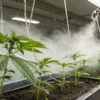
Investing in a cost-effective grow tent can significantly reduce electricity costs. Look for tents with reflective interiors, which enhance light distribution and reduce the need for additional lighting. Many cultivators recommend using tents with built-in ventilation ports to improve air circulation and reduce the load on HVAC systems.
Experienced growers report that using a grow tent with a reflective interior can increase light efficiency by 20-30%. This setup not only reduces electricity costs but also supports healthier plant growth by ensuring even light distribution.
Signs of a Healthy Cannabis Plant
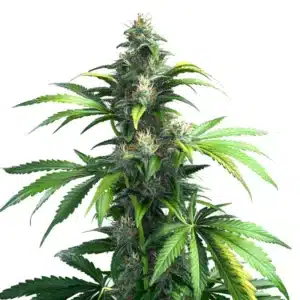
Signs of a healthy cannabis plant include vibrant green leaves, strong stems, and a robust root system. These indicators suggest that your energy use is effectively supporting plant growth. Monitoring plant health regularly ensures that your electricity costs are translating into productive growth.
Master growers have pointed out that yellowing leaves or stunted growth can indicate insufficient light or environmental stress, prompting a review of your energy use and equipment efficiency.
Professional Tips for Managing Electricity Costs
- Maintain 68-77°F (20-25°C) in your grow room. Temperatures outside this range can increase HVAC energy use by 15-20%.
- Use a digital timer to automate light schedules. This ensures consistent energy use, reducing waste by 10%.
- Regularly clean light fixtures and reflectors. Dust can reduce light efficiency by up to 30%, increasing electricity costs.
- Consider upgrading to LED lights for a 30-50% reduction in energy consumption compared to HID lights.
- Monitor and adjust humidity levels to 50-60% RH. High humidity can lead to mold, increasing energy use for dehumidifiers.
- Check for air leaks in your grow tent. Sealing leaks can improve HVAC efficiency by 10%, lowering electricity costs.
Frequently Asked Questions
What are the typical monthly costs of running a 400W grow light?
Running a 400W grow light typically costs around $15-$20 per month, depending on local electricity rates. This estimate assumes an average electricity rate of $0.12 per kWh and 18 hours of daily operation. Using energy-efficient lights and optimizing light schedules can help reduce these costs.
How can I calculate daily electricity usage for a 1000W grow light?
To calculate daily electricity usage for a 1000W grow light, multiply the wattage (1000W) by the hours it runs daily, then divide by 1000 to convert to kilowatt-hours (kWh). For example, 18 hours of use equals 18 kWh per day. Multiply by your local electricity rate for daily costs.
What is the monthly electricity cost for a 1000W grow light?
The monthly electricity cost for a 1000W grow light is approximately $30-$40, based on 18 hours of daily use and an average electricity rate of $0.12 per kWh. Costs can vary with different electricity rates and usage patterns, so monitoring and adjusting your setup is crucial.
How does using grow lights impact my overall electric bill?
Using grow lights can significantly increase your electric bill, with costs depending on the wattage and daily usage hours. For instance, a 1000W light running 18 hours daily can add $30-$40 monthly. Efficient lighting and optimized schedules can help manage these expenses effectively.
What makes LED lights more efficient for cannabis growing?
LED lights are more efficient for cannabis growing because they use 30-50% less energy than HID lights. They provide a full light spectrum, enhancing plant growth while generating less heat, reducing the need for additional cooling. This efficiency translates to lower electricity costs and healthier plants.