The Biggest Weed Plants: Records, Best Strains and How to Grow Them

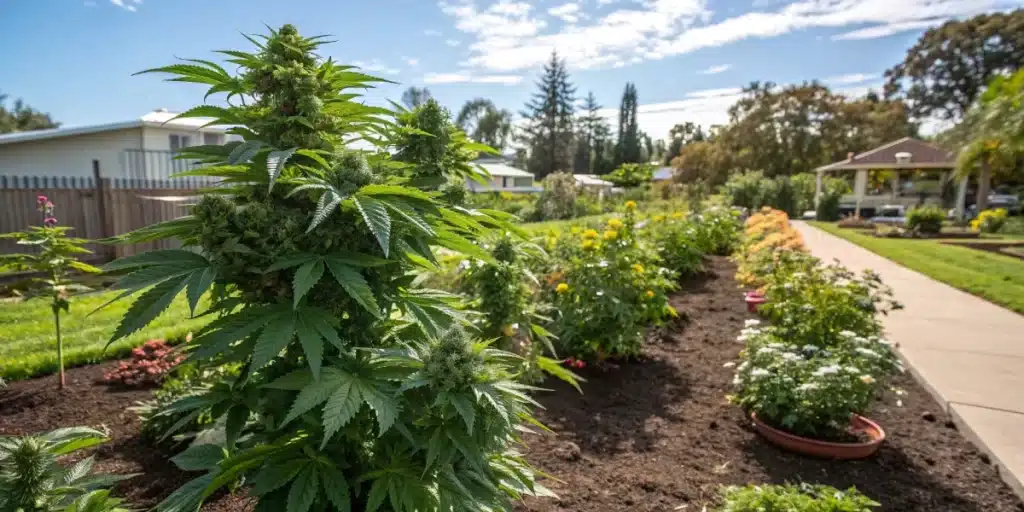
How big can a weed plant get? Outdoors, in ideal conditions, cannabis can reach 10-13 feet (3-4 m), and record plants (including tall hemp) have topped 20 feet. Exceptional outdoor plants have yielded over 10 pounds of bud. Those giants are the product of great genetics, a long season and expert care.
Growing a giant is a real challenge and a point of pride. The right genetics matter most: sativa-leaning strains like Amnesia Haze and Moby Dick can stretch up to 12 feet outdoors, rewarding you with both height and heavy yields.
Recommended Strains
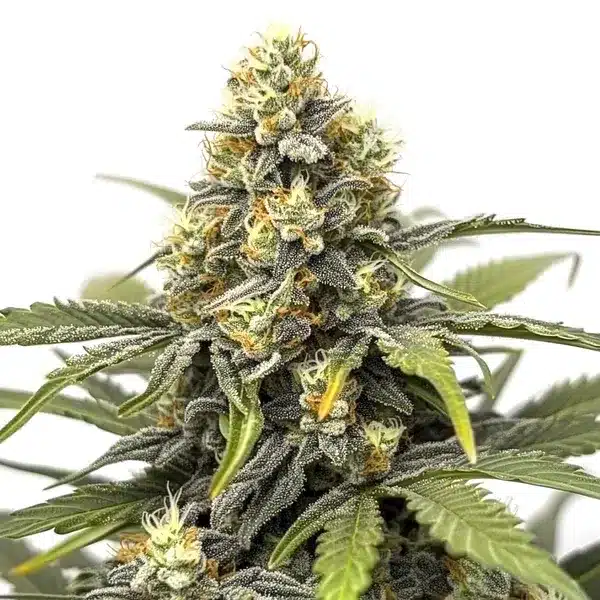
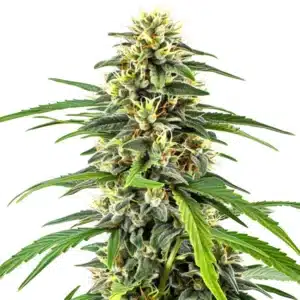
Amnesia

|
THC | 15% - 20% (Medium) |

|
Type | Feminized |

|
Yield | High |

|
Phenotype | 30% Indica / 70% Sativa |
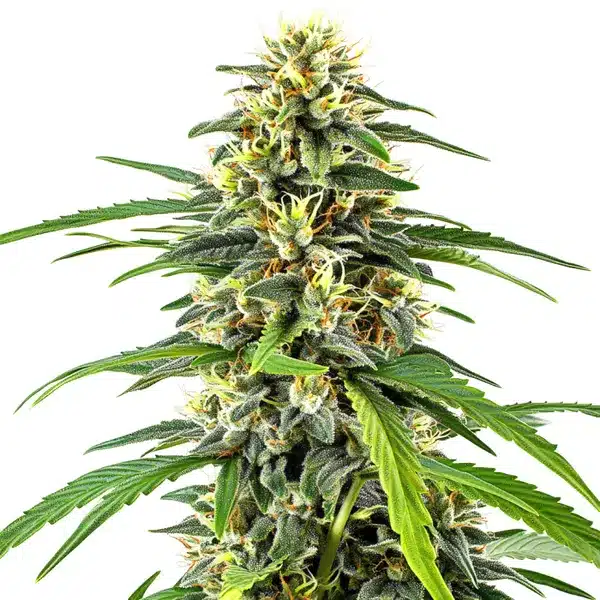
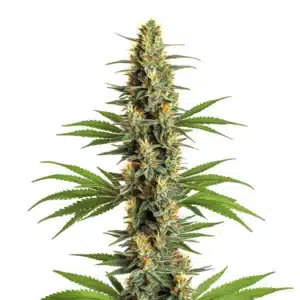
Amnesia Haze
|
|
THC | 18% - 22% (Medium) |
|
|
Type | Feminized |
|
|
Yield | High |
|
|
Phenotype | 30% Indica / 70% Sativa |
Why Grow the Biggest Pot Plants?
Visual Appeal and Yield Potential
There is something impressive about a cannabis plant that towers over you, and the practical payoff is real: bigger plants have more bud sites, so they generally deliver a much larger harvest than compact ones.
Strains like GG4 and Moby Dick pair robust flavor with real size, as they are genetically built to grow tall. With ideal outdoor conditions and expert care, exceptional plants have produced huge harvests, though the 10-pounds figure is a rare best case, not a typical result.
Strain Selection for Maximum Growth
Not all strains grow big. Sativa-dominant and high-vigor genetics like Amnesia Haze and Critical 2.0 are the ones that stretch tall, reaching 10-12 feet outdoors in a long, warm season.
To maximize size, give the plant the longest possible vegetative window: start early in spring outdoors, or begin indoors under lights in winter. A long veg lets the root system develop fully, which is what ultimately supports all that height.
One thing to be clear about: autoflowers are the exception. Because autoflowering strains switch to flower on a fixed internal clock rather than on light, they stay compact and will never reach these towering heights, no matter how you grow them. If sheer size is the goal, choose photoperiod, sativa-leaning genetics and give them a long vegetative stretch before flipping to 12/12.
Promos & Deals

Environmental Factors for Giant Cannabis Plants
Climate Considerations
Giant plants need warmth, strong sun and a long season, with the sweet spot around 70-85F (21-29C), where photosynthesis and growth run at full tilt. In cooler regions a greenhouse buys you extra weeks and shelters the plant from bad weather, both of which help it reach its full size before the season ends.
Timing and location do the rest. Outdoors, get plants in the ground after the last frost so they have the longest possible season, and remember that lower latitudes and longer summers give the biggest results. A greenhouse or hoop house extends the season at both ends, and because giants catch a lot of wind, plan sturdy stakes or a cage early rather than scrambling once the plant is huge.
Soil Quality and Nutrient Management
It all starts with the soil. Use a rich, well-aerated mix that holds moisture but still drains, and boost it with compost or organic fertilizer. A big plant is only as good as the root zone feeding it.
Giants are hungry. Watch for deficiency signs like yellowing leaves or stalled growth and adjust feeding accordingly. A nitrogen-forward NPK of around 3:1:2 in the vegetative stage drives the fast, healthy growth that builds size.
| Feature | Amnesia Haze | Moby Dick | GG4 |
|---|---|---|---|
| Height (outdoors) | Up to 12 ft (3.7 m) | 10-12 ft (3-3.7 m) | 8-10 ft (2.4-3 m) |
| Yield | 21-25 oz/plant (600-700 g) | 22-26 oz/plant (625-750 g) | 20-24 oz/plant (570-680 g) |
| THC | 22-25% | 24-27% | 25-28% |
| Dominant terpene | Myrcene | Caryophyllene | Limonene |
| Flowering time | 10-12 weeks | 9-10 weeks | 8-9 weeks |
Challenges of Growing Large Plants
Structural Support and Pest Control
Heavy colas snap branches, so big plants need support: stakes, a trellis or netting keep the structure intact through late flower. Without it, you can lose top buds right before harvest.
More foliage also means more places for pests. Inspect regularly for aphids, spider mites and caterpillars, and keep them in check with neem oil or beneficial predatory insects rather than waiting for an infestation.
Watering and Avoiding Overwatering
Big plants drink a lot, but it is still easy to overwater them into root rot. Make sure containers drain well and water only when the top inch of soil is dry, then water deeply to encourage the deep roots that hold up all that height. Adjust to the weather rather than a fixed schedule, and water early or late in the day, not in the midday heat, to cut evaporation and heat stress.
As a plant scales up, so does its thirst, but the technique stays the same: water deeply and less often rather than little and constant, and let the top inch dry between sessions. Large fabric pots or open ground drain best, and a layer of mulch keeps roots cool and holds moisture. Watch the leaves, since upward praying leaves signal a happy plant while limp, drooping ones warn you have overdone it.
Training Techniques to Grow Bigger Plants
Genetics and environment set the ceiling, but plant training is how you actually fill it out. Instead of letting a plant grow as a single tall spike, training spreads it wide so more branches reach the light and turn into main colas. A few techniques do most of the work:
- Topping: cut the main stem above a node early in veg to turn one cola into two, and repeat for a bushier, wider plant.
- LST (low-stress training): gently tie branches down and outward to open the canopy and even out the height of the tops.
- SCROG (screen of green): weave branches through a net so the whole canopy grows into an even, light-filled layer of buds.
- Super cropping: carefully bend (not break) thick stems to strengthen them and push more growth into the tops.
Do most training during the vegetative stage, when the plant recovers quickly, and ease off once flowering begins. Combined with good genetics, a long veg and rich soil, training is what turns a tall plant into a genuinely big, high-yielding one.
Quick Tips for Growing the Biggest Pot Plants
- Start early / extend the season: begin outdoors in early spring, or start indoors under lights in late winter, so the plant has months to build size before flowering.
- Give the roots room: big plants need big containers or open ground; a cramped root zone caps height and yield.
- Feed for veg, then flower: a nitrogen-forward mix in veg, switching to phosphorus-heavy feed in flower for dense buds.
- Prune and train: remove lower branches and train the canopy to improve airflow and light penetration.
- Support the branches: use stakes, trellises or netting so heavy colas do not snap.
- Hold pH at 6.0-7.0: check with a meter so the plant can actually absorb all that feed.
FAQs About the Biggest Pot Plants
What is the biggest weed plant in the world?
Record outdoor cannabis and hemp plants have topped 20 feet, with widely cited monster plants over 20 ft tall and yielding several pounds each. Exact ‘world record’ claims are hard to verify, but the pattern is clear: enormous plants come from vigorous sativa genetics, a long warm season, huge root space and expert care.
How big can a pot plant grow?
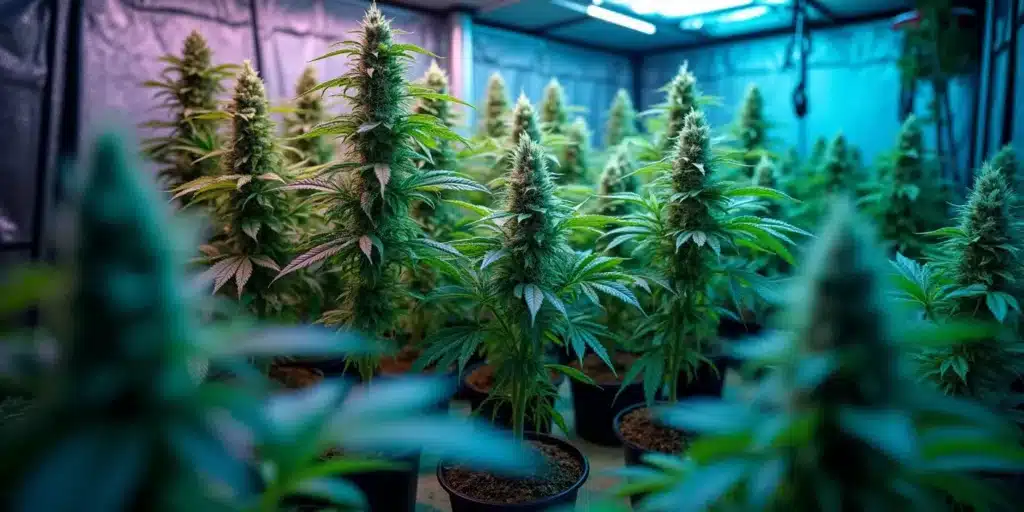
Outdoors in ideal conditions, a cannabis plant commonly reaches 10-13 feet (3-4 m), and exceptional ones grow taller still. Indoors it is usually far shorter, limited by ceiling height and light. Genetics, climate, root space and season length all decide how big any given plant gets.
Can I grow large cannabis plants indoors?
Yes, though indoor plants rarely match outdoor giants because of ceiling and light limits. You will need a tall tent or room, powerful LED or HPS lighting, big containers, and training techniques like topping or SCROG to fill the space and get the most size indoors.