Skunk Strains VOC Profile: An In-Depth Analysis

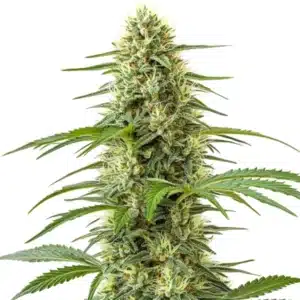
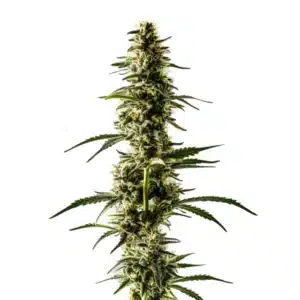
Skunk strains are celebrated for their potent aroma, largely driven by the unique skunk strains VOC profile. This complex profile includes a variety of terpenes and other volatile organic compounds that not only define the unmistakable scent but also influence the overall effects of Skunk cannabis. By knowing these compounds, growers and consumers can better select strains for cultivation or personal use, as certain terpenes may modulate flavor, aroma intensity, and the user experience.
What are VOCs and Why They Matter in Cannabis
The Function of VOCs in Skunk Strains
Volatile organic compounds (VOCs) are crucial in cannabis, especially when exploring the skunk strains VOC profile, due to their role in defining aroma and potential effects. These compounds, including terpenes like myrcene and limonene, are responsible for the skunky scent that many enthusiasts seek. VOCs are synthesized in the plant’s trichomes, which also produce cannabinoids, creating a symbiotic relationship that enhances the plant’s appeal.
Recommended Strains
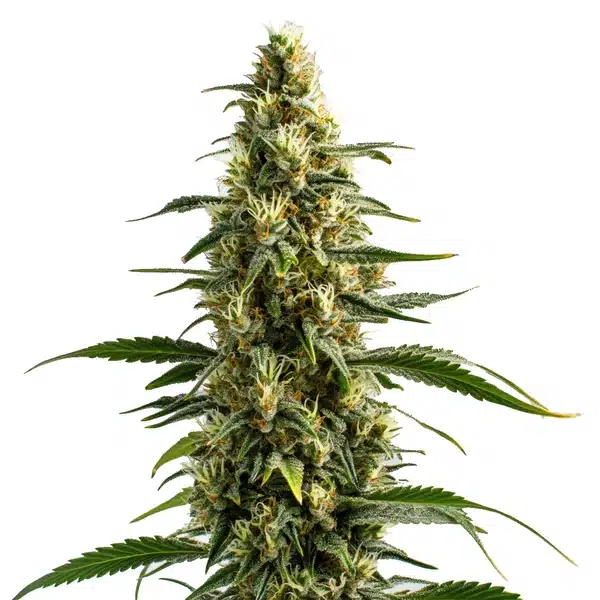
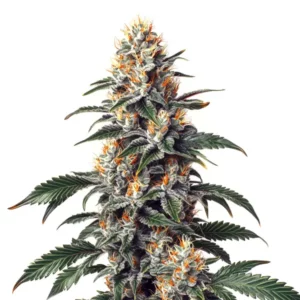
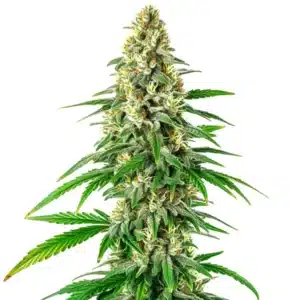
Skunk

|
THC | 18% - 22% (Medium) |

|
Type | Feminized |

|
Yield | High |

|
Phenotype | 65% Indica / 35% Sativa |

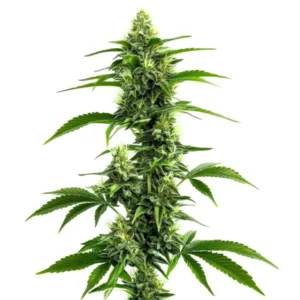
Super Skunk
|
|
THC | 14% - 18% (Medium) |
|
|
Type | Feminized |
|
|
Yield | High |
|
|
Phenotype | 80% Indica / 20% Sativa |
In Skunk strains, myrcene can reach concentrations of 0.8-1.2%, contributing to earthy, musky notes, while limonene, present at 0.5-0.8%, adds a citrusy layer. These terpenes not only define the aroma but also interact with cannabinoids to influence the strain’s effects, such as relaxation or euphoria.
Key VOCs Found in Skunk Strains
Skunk strains are particularly rich in terpenes like myrcene, limonene, and caryophyllene. Myrcene enhances the sedative effects of THC by facilitating its passage through the blood-brain barrier. Limonene, on the other hand, is known for its uplifting effects and potential anti-anxiety properties. Caryophyllene, present at 0.4-0.7%, adds a spicy, peppery note and interacts with CB2 receptors to provide anti-inflammatory benefits.
Knowing these VOCs helps growers and consumers alike to predict the effects and therapeutic potential of Skunk strains. For instance, higher myrcene levels can indicate a more sedative strain, suitable for evening use, while limonene-dominant strains might be better for daytime relief.
Promos & Deals
How VOC Profiles Influence User Experience
Aroma and Flavor Profiles
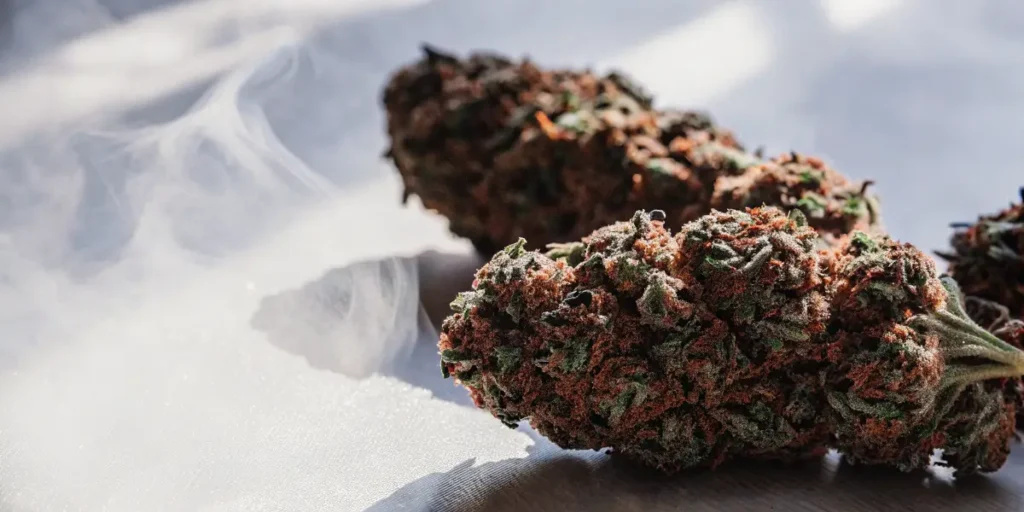
The distinctive aroma of Skunk strains, often described as pungent and earthy, is a direct result of their VOC profile. Terpenes like myrcene and caryophyllene contribute to this robust scent, which can be both enticing and overwhelming to new users. These aromatic compounds are more than just pleasant smells; they are integral to the overall cannabis experience.
For instance, limonene’s citrusy notes can uplift the mood and provide a refreshing taste, making it a popular choice for daytime use. On the other hand, myrcene’s earthy aroma is often associated with calming effects, ideal for relaxation and stress relief. Knowing these nuances can help you select the right Skunk strain for your desired experience.
Potential Effects and Benefits
The skunk strains VOC profile not only shapes aroma but also influences effects. Terpenes like myrcene enhance THC’s sedative properties, making Skunk strains with high myrcene content suitable for evening use. Meanwhile, limonene, known for its mood-enhancing effects, can help counteract anxiety and stress, creating a more balanced and enjoyable cannabis experience.
Experienced users often report that the right combination of VOCs can enhance the entourage effect, where cannabinoids and terpenes work synergistically to amplify therapeutic benefits. This knowing allows for more targeted use of Skunk strains in both recreational and medicinal contexts.
Professional Tips for Skunk Strains
- Maintain 58-62% RH during curing to preserve terpene profiles. Below 55% can lead to terpene degradation, while above 65% risks mold.
- For optimal terpene retention, dry Skunk strains at 60-70°F (15-21°C) with good airflow to prevent terpene loss.
- Use a 12/12 light schedule for photoperiod Skunk strains to promote healthy flowering and terpene production.
- Monitor soil pH at 6.0-6.5 to ensure nutrient uptake and terpene synthesis in Skunk strains.
- Employ low-stress training techniques to maximize light exposure and enhance terpene development in Skunk strains.
- Consider using organic nutrients to enhance the natural terpene profile without chemical interference.
FAQs about skunk strains VOC profile
What is Snoop Dogg’s favourite strain?
Snoop Dogg’s favorite strain is reportedly OG Kush, known for its potent effects and earthy pine aroma. OG Kush typically features THC levels around 20-25%, making it a strong choice for experienced users. Its terpene profile, rich in limonene and myrcene, contributes to its relaxing and euphoric effects.
Is super Skunk strain mold resistant?
Super Skunk is moderately resistant to mold, thriving in controlled environments with humidity levels between 50-60%. Its robust structure and dense buds require careful monitoring to prevent mold, especially during flowering. Ensuring proper air circulation and maintaining optimal humidity are key to preventing mold issues.
Which is stronger, hash or Skunk?
Hash is generally stronger than Skunk strains, with THC concentrations ranging from 40-60%, compared to Skunk’s 15-25%. Hash is a concentrated form of cannabis resin, providing a potent experience. Skunk strains offer a more balanced effect with a rich terpene profile influencing aroma and flavor.
How to store Skunk strains for optimal freshness?
Store Skunk strains in airtight containers at 60-70°F (15-21°C) with 58-62% RH to maintain freshness and terpene profiles. Avoid exposure to light and air, which can degrade cannabinoids and terpenes. Use glass jars with humidity packs for best results, ensuring a long shelf life and preserved potency.