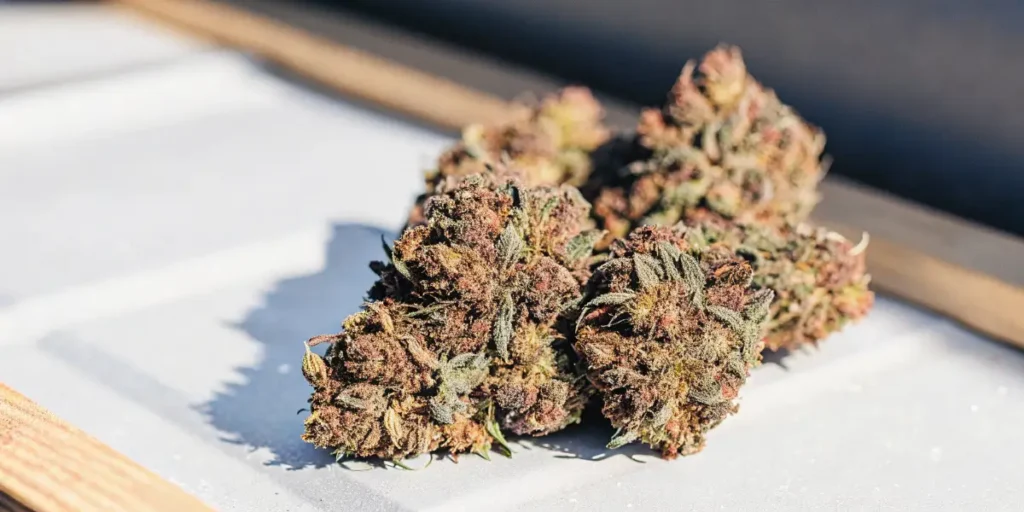
VOC Profiles of Gassy Cannabis Strains

‘Gassy’ strains are cannabis varieties with a pungent, fuel-like or diesel aroma, that sharp, skunky, ‘gas’ smell connoisseurs prize. What creates it? Two things working together: terpenes (especially caryophyllene, myrcene and limonene, which give earthy, peppery, pungent notes) and, crucially, volatile sulfur compounds (VSCs), newly understood aroma molecules that produce the truly ‘gassy’, skunky, fuel-like funk (the same family of compounds behind garlic and skunk smell). It’s the VSCs, more than THC, that make a strain smell like gas. Gassy strains span types, there are gassy sativas, indicas and ‘exotic’ hybrids, and some lean fruity-gassy, so ‘gas’ is a flavor/aroma category rather than one lineage.
Many famous potent strains (OG and Diesel families, and their descendants) are classic ‘gas’. Below: the science of what makes a strain gassy (terpenes + VSCs), and top gassy strains by type, with names kept intact and no invented potency figures. If you love that loud, pungent funk, this is how to find it.
Recommended Strains
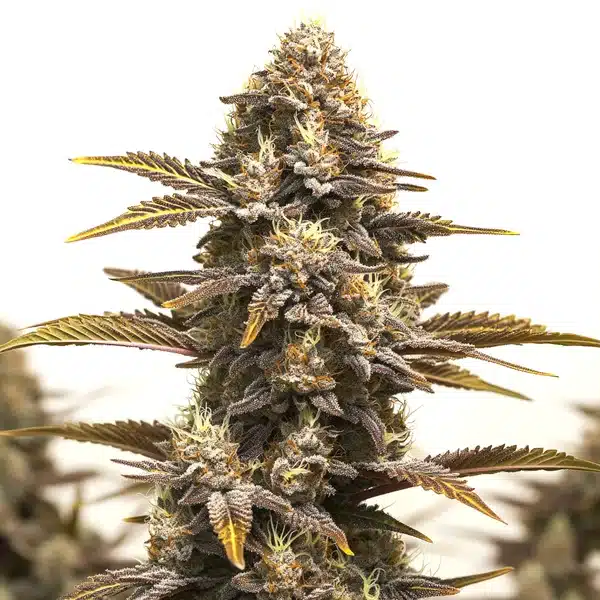
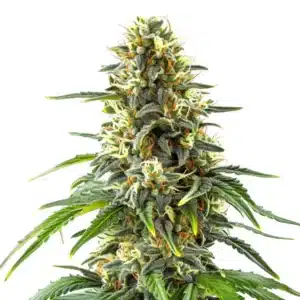
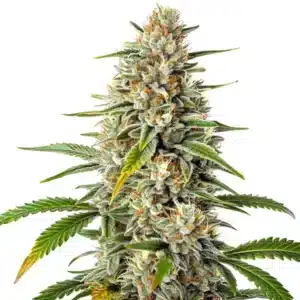
Purple Kush x Mazar

|
Type | Feminized |

|
THC | 15% - 19% (Medium) |

|
Phenotype | 40% Indica / 60% Sativa |

|
Yield | High |

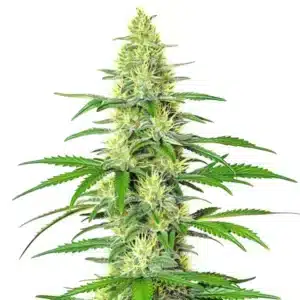
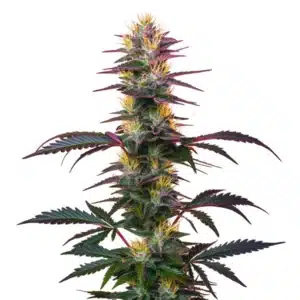
Afghan Kush Regular
|
|
Type | Regular |
|
|
THC | 18% - 22% (Medium) |
|
|
Phenotype | 90% Indica / 10% Sativa |
|
|
Yield | Medium |
Gassy Strains by Type (and the Cause)
What drives the ‘gas’, and where to find it:
| Aspect | Detail |
|---|---|
| What causes ‘gas’ | Terpenes (caryophyllene, myrcene, limonene) + volatile sulfur compounds (VSCs) |
| The signature smell | Fuel, diesel, skunk, pungent funk |
| Gassy lineages | OG and Diesel families and their descendants |
| Types available | Gassy sativas, indicas, and exotic hybrids |
| How to find it | Check terpene profiles; look for ‘gas/diesel/OG’ notes |
Promos & Deals
The Science of ‘Gas’ (Terpenes + VSCs)
For years, that pungent ‘gas’ smell was credited entirely to terpenes, and they do play a big role: caryophyllene (peppery, spicy), myrcene (earthy, musky) and limonene (sharp citrus) combine in many strains to create a heavy, pungent aroma. But more recent research revealed the real secret behind the truly ‘gassy’, skunky funk: volatile sulfur compounds (VSCs). These sulfur-containing molecules, chemically related to the compounds in garlic and actual skunk spray, are present in tiny amounts but have an outsized effect on smell, and they’re now understood to be what gives the loudest, most fuel-like strains their signature pungency.
Importantly, this ‘gassy’ character is an aroma trait, not a potency measure, a strain can smell intensely of gas without necessarily being the strongest, and vice versa, though many classic gassy lineages do happen to be potent. So ‘gas’ describes how a strain smells (fuel, diesel, skunk), driven by its terpene-plus-VSC profile. Understanding this helps you shop for that funk deliberately rather than by luck.
Gassy Strains: Sativa, Indica and Exotic
Because ‘gas’ is an aroma family, you can find it across all types, which is why people search for gassy sativas, indicas, exotics and even fruity-gassy hybrids. The most famously gassy genetics trace to the OG Kush and Diesel families (think the classic ‘OG’ and ‘Sour Diesel’ style funk) and their many descendants, which pass that pungent, fuel-like character down the family tree. Modern ‘exotic’ hybrids often blend gas with sweet, fruity or dessert notes for a ‘fruity-gas’ profile that’s hugely popular.
Rather than claiming specific potency numbers (which vary by batch and should come from lab tests), the practical way to choose a gassy strain is to read the aroma/terpene description: look for words like gas, diesel, fuel, skunk, OG, pungent, and for high caryophyllene/myrcene/limonene, and keep strain names intact when you shop so you get the genetics you want. Whether you prefer an uplifting gassy sativa, a heavy gassy indica, or an exotic fruity-gas hybrid, there’s a loud, pungent strain for you. For aroma shopping by terpene, see our guides below.
Choosing and Preserving the Gas
Two final practical points. First, choosing: since gas is about aroma, pick by the terpene/VSC description rather than THC alone, our guides to the terpene wheel and aromatic strains by terpene help you read profiles and find pungent, caryophyllene/myrcene-rich genetics. Second, preserving the gas: the volatile compounds that create that funk, both terpenes and VSCs, are fragile, so how you grow, harvest and cure dramatically affects how ‘gassy’ the finished flower smells. A careful slow dry and proper cure, plus cool, dark, airtight storage, protect those volatile molecules; a rushed or hot dry burns them off and dulls the gas. So even a genetically gassy strain needs good post-harvest handling to deliver its full pungent potential.
If you grow your own, start with pungent genetics (explore our seed collection and check each strain’s aroma profile) and treat the flower gently from harvest to jar. Pick for gas, grow and cure it right, and you’ll get that loud, fuel-like funk at full strength.
FAQs on Gassy Cannabis Strains
Why do some strains smell like gas?
Two things: terpenes (especially caryophyllene, myrcene and limonene) create a heavy, pungent base, and volatile sulfur compounds (VSCs), molecules related to skunk and garlic smell, produce the truly ‘gassy’, fuel-like funk. It’s the VSCs, more than THC, behind the loudest gas. ‘Gas’ is an aroma trait, not a potency measure, though many gassy lineages are potent.
Which strains are gassy?
The most famously gassy genetics come from the OG Kush and Diesel families and their descendants, and gas is found across sativas, indicas and ‘exotic’ fruity-gas hybrids. Rather than chasing potency numbers, choose by the aroma/terpene description, look for gas, diesel, fuel, skunk or OG notes and high caryophyllene/myrcene. Keep strain names intact when shopping.
Is gassy the same as potent?
Not necessarily. ‘Gassy’ describes aroma, that pungent fuel/diesel/skunk smell from terpenes and volatile sulfur compounds, not potency. A strain can smell intensely of gas without being the strongest, and a mild-smelling strain can still be potent. That said, many classic gassy lineages (OG and Diesel families) do happen to be strong. Judge potency by lab-tested THC, not smell.
How do I preserve the gas aroma?
Protect the volatile terpenes and sulfur compounds that create it: dry slowly, cure properly, and store cool, dark and airtight. A rushed or hot dry burns off those fragile molecules and dulls the gas, while careful handling preserves the pungent funk. So even a genetically gassy strain needs a good cure and storage to smell its loudest.