Set and Setting: Zinberg’s Guide to Safer Cannabis Use

Not all cannabis experiences are equal and the difference rarely comes down to the strain alone. In the 1980s, Harvard Medical School psychiatrist Norman E. Zinberg proposed a deceptively simple framework that explained why the same substance, taken by the same person, could produce radically different outcomes depending on context. He called it drug, set, and setting.
Decades later, this model, sometimes called Zinberg’s triangle, remains one of the most practical tools available for understanding and reducing risk in cannabis use. As legal markets expand, potency increases, and product diversity multiplies, the ability to evaluate these three interacting factors has never been more relevant.
Recommended Strains
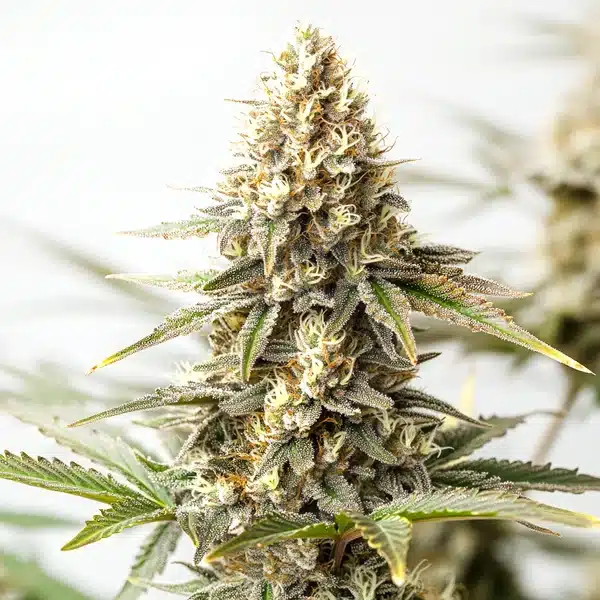
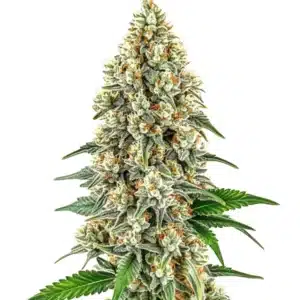
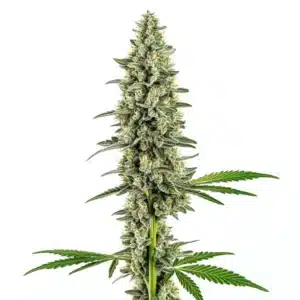
Maracuya Auto

|
THC | 20% - 22% (Medium) |

|
Type | Autoflowering |

|
Yield | High |

|
Phenotype | 50% Indica / 50% Sativa |
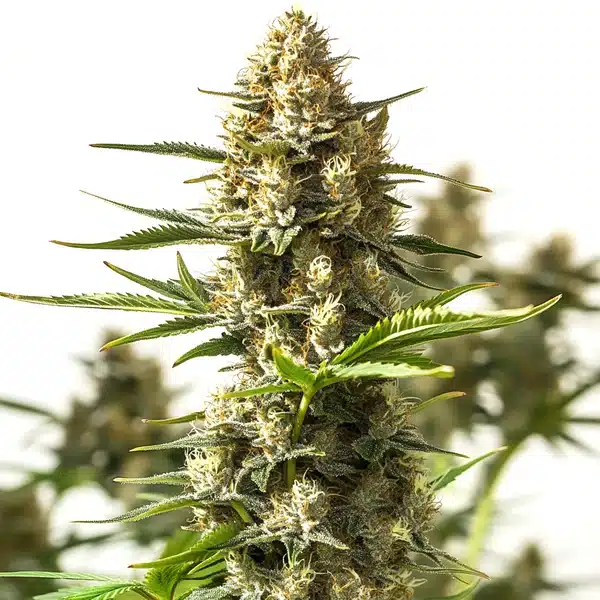
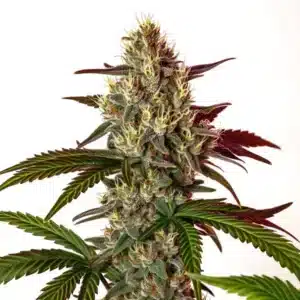
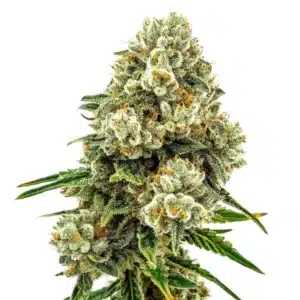
Amnesia Cookies
|
|
THC | 17% - 20% (Medium) |
|
|
Type | Feminized |
|
|
Yield | High |
|
|
Phenotype | 40% Indica / 60% Sativa |
What Is Zinberg’s Drug, Set, and Setting Model?
Norman E. Zinberg published Drug, Set, and Setting: The Basis for Controlled Intoxicant Use (Yale University Press, 1984) after years of research into why certain people used psychoactive substances without problematic outcomes while others did not. His conclusion challenged the conventional view that drugs act uniformly on all people in all situations.
The model identifies three core variables:
- Drug: the substance itself: its chemical properties, potency, and delivery method
- Set: the individual’s internal state: mindset, mood, expectations, personality, and prior experience
- Setting: the external environment: physical surroundings, social context, and cultural norms
No single factor determines the outcome. It is the interaction between all three that shapes the experience. This is why a high-THC strain consumed at home by a relaxed, experienced user can produce a very different result than the same product used by a stressed first-timer in an unfamiliar environment.
For cannabis specifically, this framework translates directly into actionable risk reduction, before, during, and after consumption.
Drug: Understanding What You Are Consuming
The first vertex of the model focuses on the substance itself. In cannabis, this means understanding cannabinoid content, terpene profile, and delivery method, three variables that interact to shape the pharmacological experience.
THC and CBD content are the starting point. Higher THC concentrations produce stronger effects and increase the likelihood of anxiety, disorientation, or discomfort in users who are unprepared or inexperienced. CBD, being non-intoxicating, may moderate some of these effects and is an important consideration for users seeking milder outcomes.
Modern cannabis genetics have made this easier to navigate. Strains like Blue Dream offer balanced cannabinoid profiles suited to a wide range of users, while CBD Strawberry provides a genuinely low-psychoactivity option for those prioritizing minimal intoxication. At the other end, high-potency varieties like GG#4 or Bruce Banner require more deliberate handling within this framework.
Terpenes add another layer. Compounds like myrcene, limonene, and pinene influence how cannabinoids interact with the body a mechanism known as the entourage effect. Breeders at Blimburn Seeds have refined these profiles through selective genetics, producing strains like Gelato with consistent, documented sensory and effect profiles.
Delivery method is perhaps the most underestimated drug-component variable. Smoking and vaporizing produce rapid onset, typically within minutes, allowing users to titrate dosage in real time. Edibles have a delayed onset of 30 minutes to 2 hours, longer duration, and are among the most common causes of overconsumption. Understanding this distinction is fundamental to applying the drug component correctly.
The practical takeaway: choose strains and formats that match your experience level and intention, not just availability.
Set: The Psychological Dimension
The “set” refers to what you bring to the experience internally. Mood, expectations, personality, mental health history, and tolerance all shape how cannabis is processed, not just chemically, but cognitively and emotionally.
This is the component most frequently overlooked, and it explains some of the most common negative experiences. A user who consumes cannabis while anxious, stressed, or emotionally destabilized is not in the same physiological state as one who approaches it calmly and with clear intentions. The compound interacts with both states , but the outcomes can be dramatically different.
Expectation plays a measurable role. Research consistently shows that users who anticipate relaxation are more likely to experience it, partly because of how cognitive framing interacts with cannabinoid receptor signaling. This is not merely placebo, it reflects genuine psychobiological interaction.
Tolerance is another key variable. Regular users develop a different sensitivity threshold than occasional or first-time users. Switching products, from flower to concentrate, or from low-THC to high-THC strains, without adjusting dose is a common source of unintended intensity.
Strain selection can support the “set” component. Girl Scout Cookies is frequently associated with mood elevation and social ease. Northern Lights is often chosen for its calming, predictable effects, a reliable companion for a deliberately relaxed mindset. CBD Critical Mass is similarly valued for its stable, consistent profile.
If your current emotional state is turbulent, delaying consumption is itself a harm reduction strategy and a valid one.
Setting: The Environmental Context
The third element is the environment in which consumption takes place: physical, social, and cultural.
Physical surroundings matter more than most users acknowledge. A familiar, comfortable space, quiet, known, controllable, tends to reduce uncertainty and support positive outcomes. Novel or chaotic environments introduce variables that can amplify anxiety, particularly with higher-potency products.
Social context is equally significant. Consuming cannabis with trusted individuals in a small, controlled group generally produces more predictable results than unfamiliar social situations where expectations and behaviors are harder to anticipate. Peer dynamics can also drive overconsumption, group settings without prior agreement on limits are a consistent risk factor.
Legal and cultural context shapes the experience too. In regions where cannabis is normalized and legal, users tend to feel more at ease. In restrictive environments, background anxiety about legal consequences can directly alter the experience, affecting the “set” component as well, which illustrates how interconnected the three factors are.
Practical setting choices that align with the model:
- Daytime social consumption: Blue Dream in a familiar outdoor or indoor social environment with known companions
- Evening relaxation: Northern Lights at home, minimal external stimuli, no time pressure
- First-time or sensitive users: CBD Strawberry in a private, controlled setting with no social obligation
Promos & Deals

Applying the Framework in Practice
Theory becomes useful only when applied. Here is how the drug, set, and setting model translates into concrete decisions:
Before consuming:
- Review the cannabinoid and terpene profile of your chosen product, legal markets now require labeling that makes this possible
- Honestly assess your current mood and stress level, if something feels off, that is data
- Choose your environment deliberately: familiar space, trusted company if any, no pending obligations
During consumption:
- Start low, increase gradually, this applies to every session, regardless of prior experience with a strain
- Be especially cautious with edibles: wait the full onset window before reassessing dose
- Monitor how set and setting are shifting in real time, both can change during a session
Common mistakes the model helps avoid:
- Selecting a high-potency strain (GG4, Bruce Banner) without adjusting for a stressful day or an unfamiliar environment
- Using edibles without accounting for their delayed onset, then consuming more prematurely
- Allowing social pressure to override individual dose judgment in group settings
- Assuming prior tolerance guarantees the same outcome with a different product or delivery method
The shift the model encourages is from reactive to intentional consumption a fundamentally different relationship with the substance.
Why This Framework Is More Relevant Than Ever
The legal cannabis market has changed the landscape of risk in ways that make Zinberg’s model more applicable today than when it was developed.
THC potency in legal markets has risen dramatically many commercial strains now exceed 20% THC, and concentrates can reach 70–90%. The variety of available formats (flower, edibles, vapes, tinctures, concentrates) each carry different onset times, durations, and intensity curves. Without a framework for evaluating these variables in relation to individual state and environment, navigating this market is genuinely difficult.
Breeders like Blimburn Seeds contribute to this landscape by developing stable, documented genetics strains like Critical Mass and Northern Lights that produce consistent cannabinoid and terpene profiles across harvests. This consistency is not just agronomically valuable, it is a harm reduction tool. Predictable chemistry supports the drug component of the model; unpredictable chemistry undermines it.
Regulatory advances in labeling, lab testing, and consumer education are also creating the infrastructure for this model to be applied at scale. The question is whether consumers, educators, and the industry use that infrastructure deliberately.

Frequently Asked Questions About Set and Setting in Cannabis
What is Zinberg’s drug, set, and setting model?
Developed by Harvard Medical School psychiatrist Norman E. Zinberg and published in his 1984 book Drug, Set, and Setting (Yale University Press), the model proposes that the outcome of any psychoactive substance use is determined not by the drug alone, but by three interacting factors: the substance’s properties (drug), the individual’s internal psychological state (set), and the external environment and social context (setting). It is widely used in harm reduction education and cannabis research.
How does “set and setting” apply specifically to cannabis?
In cannabis use, “drug” refers to THC/CBD content, terpene profile, and delivery method. “Set” includes mood, tolerance, expectations, and mental health. “Setting” covers physical environment, social context, and legal/cultural norms. A high-THC strain consumed in a calm, familiar setting by a relaxed, experienced user carries different risk than the same strain used by an anxious first-timer in an unfamiliar social situation. The model helps users identify which factor to adjust to reduce that risk.
What are the most common mistakes the model can help prevent?
The most frequent issues are: choosing high-potency strains or formats without adjusting for current mood or environment; miscalculating edible dosage due to delayed onset; assuming prior tolerance guarantees consistent outcomes across products; and allowing social pressure to override individual dosage judgment. The model prevents these by encouraging proactive evaluation of all three factors before and during consumption, rather than reacting to problems after they occur.
Does strain selection genuinely matter within this framework?
Yes, significantly. Different strains produce measurably different cannabinoid and terpene profiles, which directly affect the “drug” component of the model. A predictable, balanced strain like Blue Dream or Northern Lights provides a more stable pharmacological baseline than high-variability concentrates or unlabeled products. Selecting genetics with documented, consistent profiles, such as those from Blimburn Seeds, reduces the uncertainty that the model seeks to manage.