Root Cause Analysis for AW Out-of-Spec Cannabis

Root cause analysis for aw out-of-spec cannabis: This process identifies underlying issues affecting water activity levels in cannabis, crucial for maintaining quality and compliance. A 2022 report indicates that 15% of cannabis products fail due to improper aw levels, underscoring the need for thorough analysis. Implementing effective root cause analysis ensures product integrity and aligns with industry standards.
Water activity (aw) plays a pivotal role in cannabis preservation, affecting both terpene profiles and microbial growth. Terpenes like Myrcene, which can range from 0.8% to 1.2%, are sensitive to aw fluctuations. Proper control of aw ensures optimal flowering times, typically 8-9 weeks, enhancing the final product’s quality and safety.
Recommended Strains

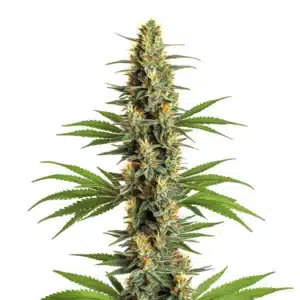
Blueberry

|
THC | 15% - 24% (High) |

|
Type | Feminized |

|
Yield | High |

|
Phenotype | 80% Indica / 20% Sativa |
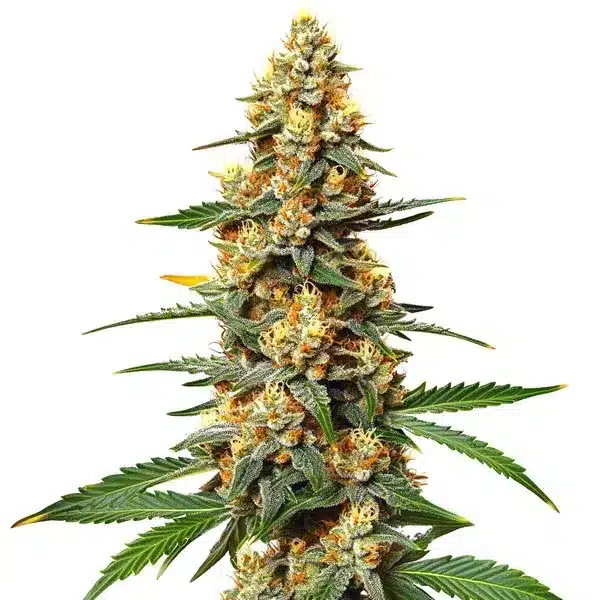
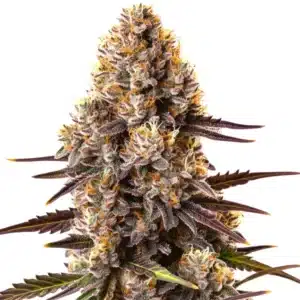
Critical 47
|
|
THC | 15% - 18% (Medium) |
|
|
Type | Feminized |
|
|
Yield | High |
|
|
Phenotype | 60% Indica / 40% Sativa |
AW Control in Cannabis
Importance of AW Control
Water activity (aw) is a measure of the free moisture in cannabis, influencing microbial growth and chemical stability. Maintaining aw between 0.55 and 0.65 is crucial to prevent mold and preserve cannabinoids. Experienced growers emphasize that aw control directly impacts the shelf life and safety of cannabis products, making root cause analysis for aw out-of-spec cannabis an important part of quality assurance programs.
High aw levels, above 0.70, can lead to mold growth within days, while levels below 0.50 can cause terpene degradation, reducing flavor and aroma. This balance is essential for maintaining the integrity of cannabis, especially during storage and transport.
Common Causes and Solutions
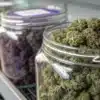
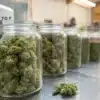
Common causes of aw out-of-spec issues include improper drying and storage conditions. To mitigate these, ensure cannabis is dried to 10-12% moisture content before curing. Use airtight containers with humidity packs to maintain a stable environment. Many cultivators report that digital hygrometers are essential tools for monitoring aw accurately.
Another solution is to implement a controlled drying room with consistent temperatures of 68°F – 72°F (20°C – 22°C) and relative humidity of 55-60%. This setup minimizes fluctuations that can lead to aw instability, ensuring a high-quality product.
Promos & Deals
Root Cause Analysis for AW Out-of-Spec Cannabis
Common Causes and Solutions
Identifying the root cause of aw out-of-spec cannabis involves examining environmental factors, such as humidity and temperature during storage. These factors can lead to microbial contamination if not properly managed. Implementing a root cause analysis helps pinpoint these issues, allowing for corrective actions to be taken.
Technical tools such as data loggers can track environmental conditions, providing insights into fluctuations that may affect aw. By analyzing this data, growers can adjust conditions to maintain optimal aw levels, ensuring product quality and compliance with industry standards.
Tools and Techniques
Effective root cause analysis requires specific tools and techniques. Utilizing digital hygrometers and data loggers helps monitor aw levels accurately. Referencing the UNODC analysis manual can enhance the accuracy of your methods, providing a framework for identifying and addressing aw issues.
Incorporating insights from UNODC drug analysis can refine your approach, ensuring that all potential causes are considered. This comprehensive analysis enables growers to implement targeted solutions, maintaining product integrity and meeting regulatory requirements.
Recommended Methods for Analysis
Tools and Techniques
Explore recommended methods for the identification and analysis of cannabis and cannabis products, focusing on aw control. Techniques such as gas chromatography can assess terpene profiles, while moisture analyzers provide precise aw measurements. These tools are essential for maintaining product quality, compliance, and conducting root cause analysis for aw out-of-spec cannabis.
Utilizing these methods allows for a thorough analysis of cannabis products, ensuring that aw levels remain within the specified range. This approach not only preserves the product’s quality but also aligns with industry standards and regulatory requirements.
Compliance and Enforcement Policies
Knowing the cannabidiol CBD products compliance and enforcement policy is essential for quality control. These policies dictate the acceptable aw levels and the necessary measures to ensure product safety. Compliance with these regulations is crucial for maintaining product integrity and avoiding legal issues.
By adhering to these policies, growers can ensure their products meet industry standards, enhancing consumer trust and satisfaction. This compliance also helps avoid potential penalties and ensures a smooth operation within the cannabis industry.
Regulatory Considerations
Compliance and Enforcement Policies
While discussing compliance, it’s crucial to consider if CBD gummies are illegal in certain jurisdictions. CBD regulations by state vary significantly, impacting how analysis is conducted. Knowing these variations is essential for ensuring compliance and avoiding legal issues.
Consider how FDA approved CBD oil for pain fits into the regulatory framework. This knowing helps align product offerings with legal requirements, ensuring that all products meet the necessary standards for safety and efficacy.
Impact on Cannabis Quality Control Jobs
Roles in cannabis quality control are pivotal for maintaining product quality and ensuring compliance with regulations. These positions require staying informed about the latest quality control methods and regulations. As the industry evolves, these roles will continue to be crucial for ensuring compliance and product integrity.
Professionals in these roles must stay informed about the latest regulations and quality control methods, ensuring that all products meet the necessary standards. This knowledge is crucial for maintaining a competitive edge in the cannabis industry.
| Feature / Merkmal | GG4 | Blueberry | Critical 47 |
|---|---|---|---|
| THC Content | 27% | 15-24% | 15-18% |
| Dominant Terpene | Humulene | Myrcene | Limonene |
| Flavor Profile | Fruity, Pine, Spicy | Berry, Pine, Sweet | Cheese, Fruity, Hashish, Lemon |
| Yield | High | High | High |
| Flowering Time | 8-10 weeks | 8-10 weeks | 8-10 weeks |
Professional Tips for AW Control
- Maintain aw between 0.55 and 0.65 to prevent mold and preserve cannabinoids. Below 0.50, terpenes degrade, reducing flavor.
- Ensure drying conditions are stable at 68°F – 72°F (20°C – 22°C) with 55-60% RH to avoid aw fluctuations.
- Use airtight containers with humidity packs to maintain consistent aw levels during storage.
- Regularly calibrate digital hygrometers to ensure accurate aw readings.
- Implement data loggers to track environmental conditions and adjust as necessary to maintain optimal aw.
- Stay informed about state-specific CBD regulations to ensure compliance with varying legal standards.
FAQs about root cause analysis for aw out-of-spec cannabis
What is a strange symptom linked to cannabis use?
One unusual symptom linked to cannabis use is cannabinoid hyperemesis syndrome, characterized by severe nausea and vomiting. This condition affects a small percentage of users and is often alleviated by hot showers. It’s important to monitor consumption levels, as symptoms can worsen with increased use.
What are the two main chemicals found in cannabis?
The two primary chemicals in cannabis are THC (tetrahydrocannabinol) and CBD (cannabidiol). THC is responsible for the psychoactive effects, while CBD is non-psychoactive and often used for its therapeutic properties. THC levels can range from 15% to 30%, while CBD levels vary widely depending on the strain.
What are the new findings on cannabis?
Emerging insights highlight the potential of minor cannabinoids like CBG and CBN, which may offer unique therapeutic benefits. Many cultivators have signaled that CBG can reduce inflammation, while CBN may aid in sleep. These findings expand the potential applications of cannabis beyond THC and CBD.
What is considered heavy cannabis use?
Heavy cannabis use is typically defined as consuming cannabis more than once daily. This level of use can lead to tolerance, dependence, and potential cognitive effects. Monitoring consumption and taking regular breaks can help mitigate these risks and maintain a balanced lifestyle.
How does water activity affect cannabis storage?
Water activity (aw) is crucial for cannabis storage, influencing microbial growth and chemical stability. Maintaining aw between 0.55 and 0.65 ensures product safety and quality. Improper aw levels can lead to mold growth or terpene degradation, affecting the product’s flavor and aroma.