Reflective Grow Tent Material

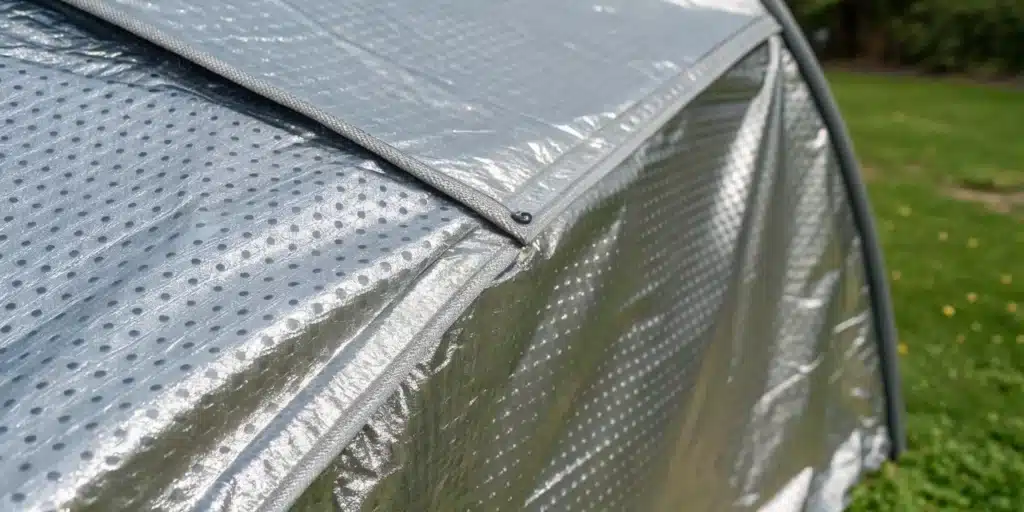
Quick answer: reflective grow tent material bounces stray light back onto your plants instead of letting walls absorb it, which can lift usable light, and yields, by 30% or more. The best options reflect over 90% of light, resist heat and tears, and are non-toxic and fire-resistant. Mylar is the go-to; white paint works for a room, and foil is a low-budget fallback if applied flat. Below: what to look for, the material options, and how to install and maintain them.
Why Reflectivity Matters
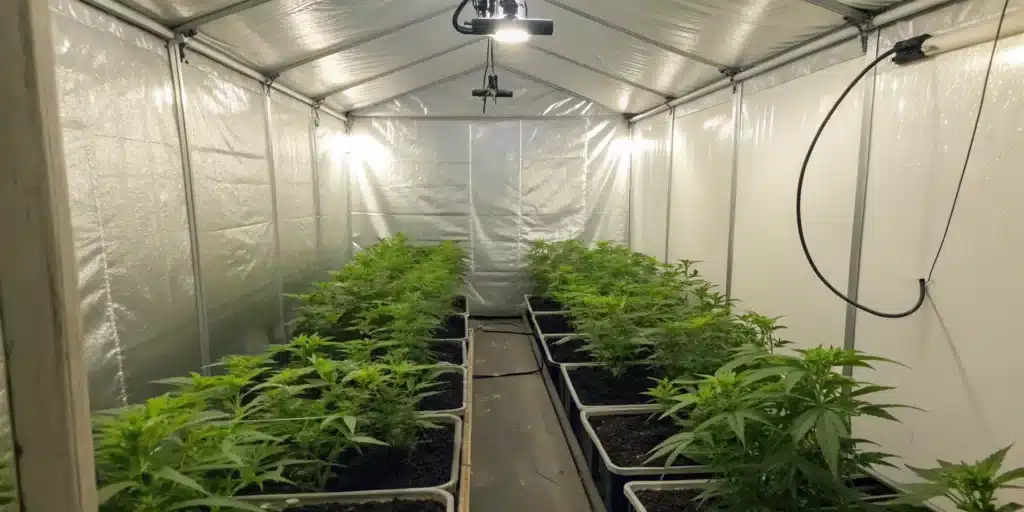
Reflective material amplifies the light you already pay for. Quality options reflect more than 90% of light back into the canopy, so lower branches get closer to the intensity the tops receive, driving stronger, more even photosynthesis. It helps to distinguish two things: reflective walls (like Mylar) bounce residual light back, while reflectors above the lamp focus the beam downward, and the two work together. Growers who light a dark, absorbent space waste a big share of their output; adding reflection can raise harvests by 30% or more.
Recommended Strains
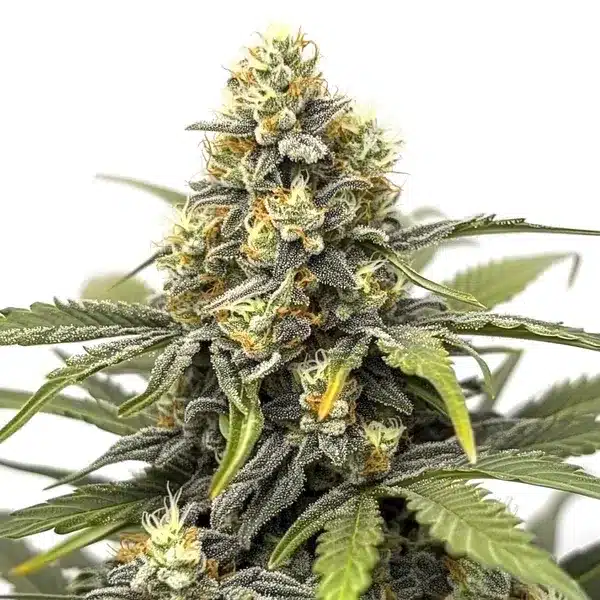
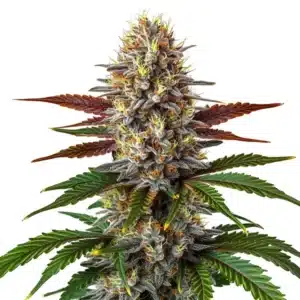
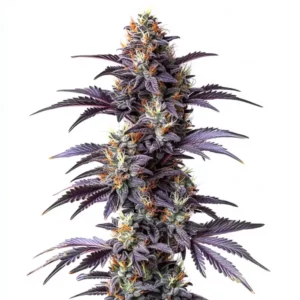
Amnesia

|
Type | Feminized |

|
THC | 15% - 20% (Medium) |

|
Phenotype | 30% Indica / 70% Sativa |

|
Yield | High |

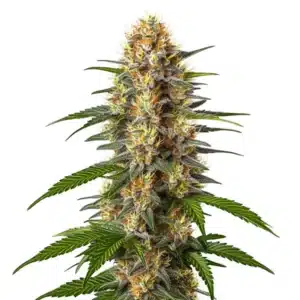
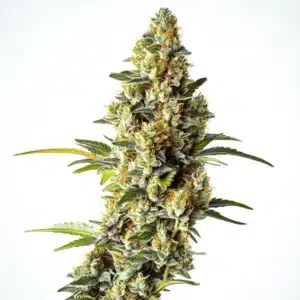
Amnesia Blue Headband
|
|
Type | Feminized |
|
|
THC | 10% - 20% (Medium) |
|
|
Phenotype | 50% Indica / 50% Sativa |
|
|
Yield | High |
Durability and Safety
A good reflective material has to survive daily use in a warm, humid tent, so look for options that resist tears, heat and chemical degradation. Safety is just as important: with intense lighting and heat, choose materials that are non-toxic and fire-resistant, especially in enclosed tents or home rooms where heat and fire hazards must be controlled. Cheap, flimsy films can warp, peel or scorch, so spending a little more on durable, safe material pays off over several grows.
Reflective vs Dark Surfaces
The contrast with non-reflective surfaces is dramatic. Black walls or dark fabric absorb light, create shadows and starve the lower canopy, wasting lumens you paid to produce. Switching to reflective material improves light dispersion, evens out coverage and effectively lowers your electricity cost per usable lumen. If you are not using a tent, paint the room walls flat white or line them with fireproof reflective material like Mylar, and avoid black or colored walls that soak up light.
Benefits for Your Grow
Good reflection pays off three ways. It distributes light evenly so lower leaves get nearly as much as top colas, giving balanced growth and fewer shaded microclimates where mold or pests hide. It boosts growth and, in flower, encourages denser buds with better terpene production because more of the plant is actively photosynthesizing. And it saves energy: bouncing light back means you need fewer watts for the same result, cutting power bills and heat, which also eases cooling and extends equipment life.
Promos & Deals
Installation and Maintenance
Installation is simple but matters. Measure and cut material accurately and secure it flat with no gaps or folds, since wrinkles create hotspots and uneven light. Arrange lights to complement the reflective surfaces and avoid concentrating heat in one spot. In low-budget setups even aluminum foil can help, as long as it is applied tightly and smoothly. For upkeep, wipe the surface with a soft cloth and mild soap to keep it bright, avoid harsh scrubbing, and inspect periodically for damage so it keeps performing.
How Much Yield Reflective Material Adds
Reflective surfaces are one of the cheapest upgrades in an indoor grow because they make light you already generate go further. Instead of letting walls absorb and waste a large share of your output, good reflection returns it to the canopy, and growers commonly report harvest gains of 30% or more after switching from dark surfaces to proper reflective material. The effect is biggest on the lower and outer parts of plants, which otherwise sit in shadow. Because you are not adding any wattage, every reflected lumen is essentially free light, improving your grams-per-watt and lowering the real cost of each harvest. In a small tent, where walls are close to the plants, the benefit is especially pronounced.
White Pots and Other Reflective Touches
Reflection is not only about walls. Dark or black pots absorb light and heat, warming the soil and root zone, which can stress roots in a high-intensity tent. Switching to white pots reflects light and keeps roots cooler, a small change that helps prevent heat stress. The same thinking applies to trays, covers and any large surfaces in the tent: lighter, reflective colors keep light bouncing toward the plants and heat from building up. Combined with reflective walls and well-aimed lights, these touches squeeze maximum value from every watt and help maintain the stable, even conditions that dense, healthy buds need.
| Material | Reflectivity | Notes |
|---|---|---|
| Mylar (incl. diamond) | Very high (90%+) | Durable, standard choice |
| Flat white paint | High | Good for whole rooms; cheap |
| Aluminum foil | Low-moderate | Budget fallback; apply flat, dull side risk of hotspots |
| Black/dark walls | Very low | Avoid: absorbs light |
FAQs about reflective grow tent material
What makes reflective material more effective for grow tents?
Reflective material works by bouncing light that would hit the walls back onto the plants, giving more even illumination and squeezing more use out of every watt. Quality options reflect over 90% of light, so the whole canopy, not just the tops, gets strong coverage. Growers usually see denser lower growth right after switching.
How do I maintain the reflective quality over time?
Clean it gently and regularly. Wipe the surface with a soft cloth and a mild soap solution to keep it bright, and avoid harsh chemicals or scrubbing that can scratch or dull it. Inspect for tears, folds or peeling and fix them, since damage creates shadows and hotspots. Consistent care keeps reflectivity high for years.
Which brands offer the best reflective grow tent material?
Mylar-based materials, including standard and diamond Mylar, are the trusted choice for high reflectivity and durability. Rather than focusing on a single brand, prioritize genuine high-reflectivity, fire-resistant, tear-resistant material and check user reviews. For rooms, flat white paint is a solid, cheaper alternative. Avoid thin, flimsy films that warp or underperform.
Is Mylar better than white paint or foil?
For a tent, quality Mylar is the top choice for high, durable reflectivity. Flat white paint is an excellent, cheaper option for a whole grow room and performs well. Aluminum foil is a last-resort budget fix that must be applied perfectly flat to avoid hotspots, and it reflects less. Prioritize flatness, safety and 90%-plus reflectivity over brand.
Does reflective material cause hotspots?
It can if applied badly. Wrinkles, folds or creases in reflective film concentrate light and heat into bright hotspots that stress plants, which is why foil in particular must be mounted perfectly flat. Smooth, taut installation and well-aimed lights prevent this. Diamond or matte-finish Mylar also diffuses light more evenly than shiny, crinkled surfaces.