Recordkeeping for AW Testing in Cannabis Operations

Effective recordkeeping for AW testing: Accurate recordkeeping for AW testing in cannabis operations is essential for maintaining product quality and meeting regulatory requirements. AW testing evaluates water activity levels, which influence the shelf life and safety of cannabis products. Implementing a robust system ensures compliance and reduces the risk of costly penalties. Proper documentation streamlines operations and supports consistent quality control.
In cannabis cultivation, precise AW testing is pivotal for understanding the impact on terpene profiles and overall product safety. By monitoring water activity, you can enhance flavor retention and prevent microbial growth. This process, combined with effective recordkeeping, not only ensures compliance but also boosts consumer trust by maintaining consistent product quality.
Recommended Strains
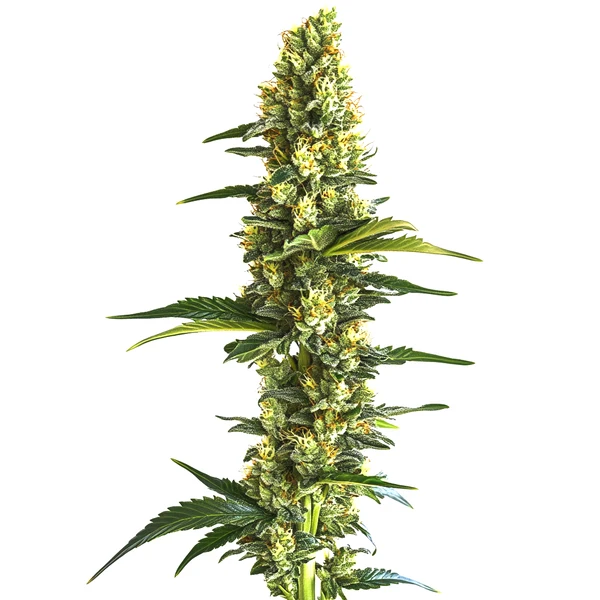
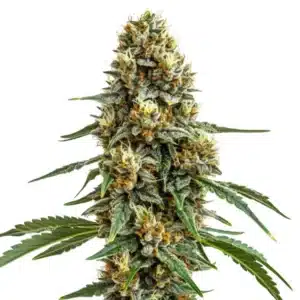
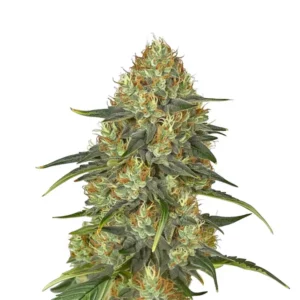
Candy Kush Fast Version

|
THC | 16% - 18% (Medium) |

|
Type | Feminized |

|
Yield | High |

|
Phenotype | 60% Indica / 40% Sativa |

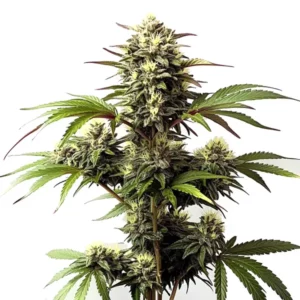
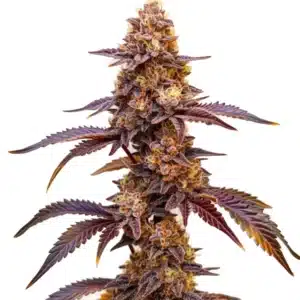
GG4
|
|
THC | 27% (High) |
|
|
Type | Feminized |
|
|
Yield | High |
|
|
Phenotype | 40% Indica / 60% Sativa |
AW Testing in Cannabis
What is Water Activity?
Water activity (aw) measures the free moisture in a product, crucial for determining its stability and safety. In cannabis, aw levels dictate microbial growth potential. Maintaining aw below 0.65 inhibits mold and bacterial growth, safeguarding product integrity. This measurement is distinct from moisture content, which quantifies total water, including bound moisture. Proper recordkeeping for aw testing in cannabis operations helps ensure consistent monitoring, compliance, and product quality throughout storage and distribution.
Experienced growers report that aw levels between 0.55 and 0.65 in cannabis ensure optimal preservation of terpenes and cannabinoids. These compounds significantly influence the aroma and therapeutic effects of strains like GG4, known for its rich myrcene content that enhances relaxation.
Importance of AW Testing in Cannabis
AW testing is critical for compliance with health and safety regulations, impacting shelf life and consumer safety. By maintaining aw levels within the recommended range, you prevent spoilage and extend the product’s marketability. This testing is especially vital for products like edibles and concentrates, where moisture control is paramount.
Master growers have pointed out that failing to monitor aw can lead to product recalls and financial losses. Implementing rigorous testing protocols not only ensures compliance but also enhances brand reputation by delivering consistently safe products.
Promos & Deals
Recordkeeping Essentials for AW Testing
Key Elements to Document
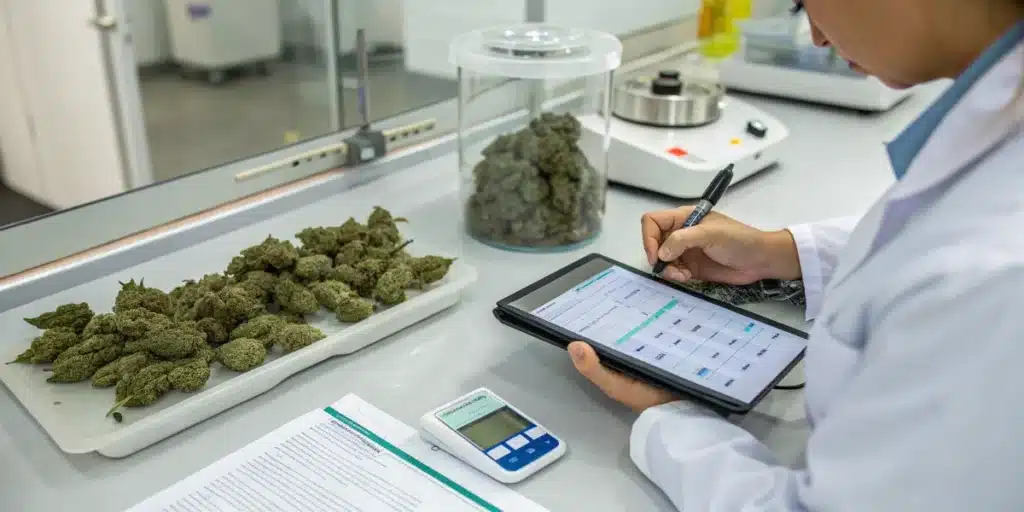
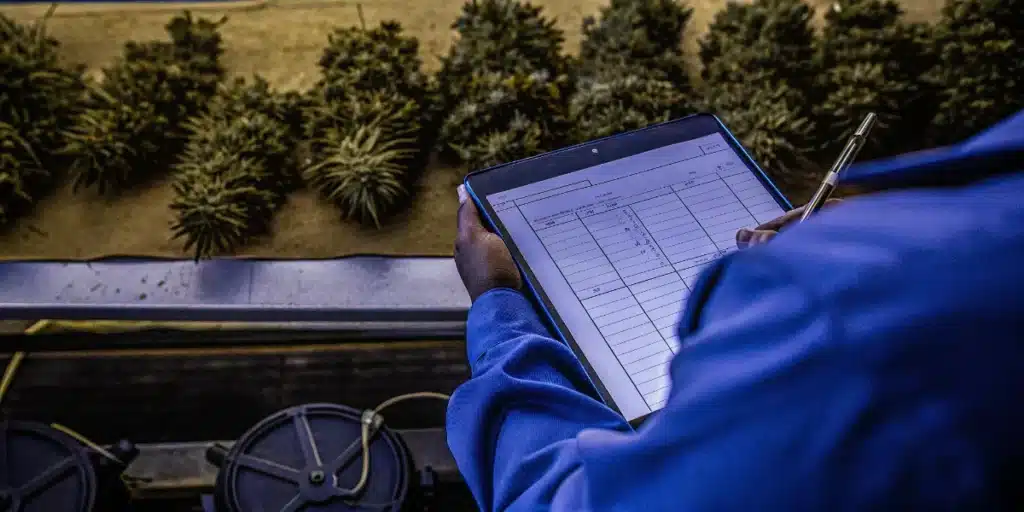
Effective recordkeeping for AW testing involves documenting several key elements: the date of testing, aw values, batch numbers, and testing methods. This information is crucial for traceability and regulatory audits. Detailed records help identify trends and potential issues, allowing for proactive quality control measures.
Many cultivators share that maintaining accurate records can prevent compliance issues and support continuous improvement. Using standardized forms and digital tools ensures consistency and accessibility, streamlining the audit process and enhancing operational efficiency.
Tools and Software for Recordkeeping
Utilizing specialized software for recordkeeping streamlines data management and enhances accuracy. Tools like seed-to-sale tracking systems integrate aw testing data, providing real-time insights into product quality and compliance status. These systems facilitate seamless data retrieval during inspections and audits.
Implementing digital solutions reduces the risk of human error and improves data security. Many cultivators recommend investing in software that offers customizable templates and automated alerts for retesting, ensuring compliance with regulatory timelines. These systems can be particularly useful for tracking quality control data across different cultivars, including Candy Kush Fast Version.
Best Practices for Compliance
Regulatory Requirements
Compliance with regulatory requirements involves adhering to specific aw testing protocols and maintaining accurate records. Regulations often mandate periodic testing and documentation to ensure product safety. Understanding these requirements is crucial for avoiding penalties and maintaining operational integrity.
Master growers emphasize the importance of staying informed about changing regulations and implementing robust compliance strategies. Regular training and audits can help identify areas for improvement, ensuring that your operations remain compliant and competitive.
Lessons from Non-Compliance
Analyzing instances of non-compliance provides valuable insights into the consequences of inadequate recordkeeping. Product recalls and financial penalties highlight the importance of maintaining detailed records and adhering to testing protocols. These examples underscore the need for proactive compliance measures.
Many cultivators have communicated that learning from past mistakes can prevent costly errors and enhance operational efficiency. By implementing best practices and leveraging technology, you can mitigate risks and safeguard your business against regulatory challenges.
Professional Tips for AW Testing
- Maintain aw levels between 0.55 and 0.65 to prevent microbial growth. Below 0.55 can lead to terpene loss, while above 0.65 increases mold risk.
- Use digital hygrometers for precise aw readings. Analog devices may provide inaccurate data, leading to compliance issues.
- Document aw testing results immediately. Delayed recordkeeping can result in data loss and regulatory non-compliance.
- Integrate aw testing with seed-to-sale software for streamlined compliance management. Manual tracking increases the risk of human error.
- Conduct aw testing every 30 days to ensure ongoing product safety and quality. Neglecting regular testing can lead to unexpected spoilage.
- Stay updated on regulatory changes to maintain compliance. Ignorance of new rules can result in significant fines and operational disruptions.
FAQs about recordkeeping for aw testing in cannabis operations
What is the 60-60 rule for drying cannabis?
The 60-60 rule refers to drying cannabis at 60% relative humidity and 60°F (15.5°C) to preserve terpenes and cannabinoids. This method prevents mold growth and ensures optimal flavor and potency. Deviating from these conditions can result in terpene degradation and reduced product quality.
What is the cannabis testing process?
The cannabis testing process involves analyzing samples for potency, contaminants, and aw levels. AW testing specifically measures water activity to prevent microbial growth. Regular testing ensures compliance with safety standards and maintains product quality. Each test provides critical data for maintaining consistency and consumer safety.
How often must a dispensary conduct inventory reconciliation to document and balance the point of sale system?
Dispensaries should conduct inventory reconciliation monthly to ensure accuracy in the point of sale system. Regular checks prevent discrepancies and support compliance with regulatory requirements. Failing to reconcile inventory can lead to financial losses and regulatory penalties.
What is an SOP in cannabis?
An SOP, or Standard Operating Procedure, in cannabis outlines detailed processes for operations like aw testing. SOPs ensure consistency and compliance with industry standards. Implementing SOPs reduces errors and enhances operational efficiency, supporting quality control and regulatory adherence.
How does AW testing fit into the overall cannabis testing process?
AW testing is a crucial component of the cannabis testing process, focusing on water activity levels to prevent microbial growth. It complements potency and contaminant testing, providing a comprehensive analysis of product safety and quality. Regular aw testing ensures compliance and enhances consumer trust.