Audit Checklist: Water Activity Controls in Cannabis Storage

Maintaining water activity levels:Effective control of water activity in cannabis storage is vital to prevent mold and preserve potency. An audit checklist: water activity controls in cannabis storage helps manage these controls, ensuring levels remain below 0.65 aw, significantly reducing microbial risks. This approach maintains product quality and safety, crucial for compliance and consumer satisfaction.
Terpenes play a crucial role in cannabis storage, influencing aroma and effects. Maintaining optimal terpene profiles requires precise control of environmental factors, including temperature and humidity. Flowering time impacts the terpene development, with most strains needing 8-9 weeks for full maturation. Master growers have communicated that these elements ensure quality preservation during storage.
Recommended Strains

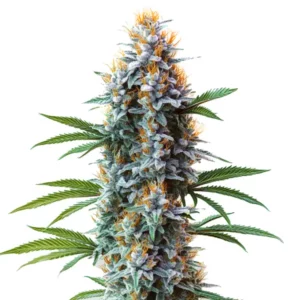
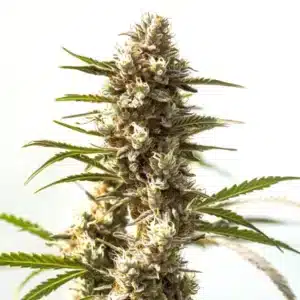
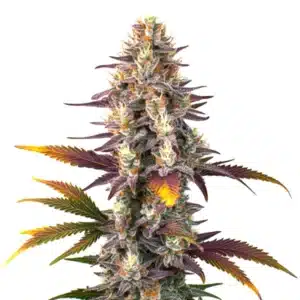
Blueberry Autoflower

|
THC | 17% - 23% (Medium) |

|
Type | Autoflowering |

|
Yield | Low |

|
Phenotype | 80% Indica / 20% Sativa |

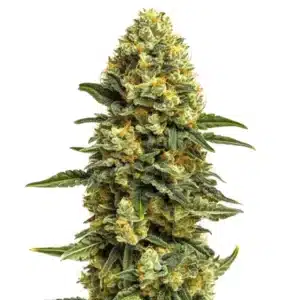
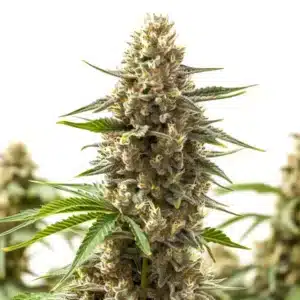
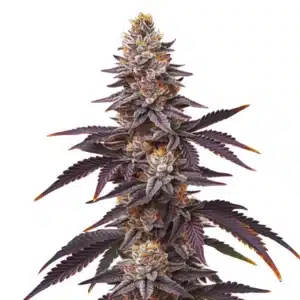
Donny Burger
|
|
THC | 27% - 30% (High) |
|
|
Type | Feminized |
|
|
Yield | High |
|
|
Phenotype | 70% Indica / 30% Sativa |
Water Activity in Cannabis
What is Water Activity?
Water activity (aw) measures the free moisture in cannabis, influencing microbial growth. It’s crucial for maintaining the quality of stored cannabis. Unlike moisture content, which measures total water, aw focuses on water available for microbial use. This distinction is vital for preventing mold and bacteria, ensuring product safety.
Growers aim for a water activity level below 0.65 aw to inhibit microbial growth. This threshold is critical as levels above 0.70 aw can lead to mold within 48 hours. Monitoring aw ensures that cannabis remains safe for consumption and retains its desired potency and flavor.
Importance for Cannabis Storage
Proper water activity control prevents spoilage and maintains potency. High aw levels can degrade cannabinoids and terpenes, affecting the product’s effectiveness and aroma. This is particularly crucial for strains like Donny Burger, known for its potent effects and rich terpene profile.
Maintaining aw below 0.65 ensures that cannabis remains stable during storage, preserving its therapeutic properties. This control is essential for compliance with legal standards, as it directly impacts product quality and consumer safety.
Promos & Deals
Audit Checklist: Water Activity Controls in Cannabis Storage
Tools for Measuring Water Activity
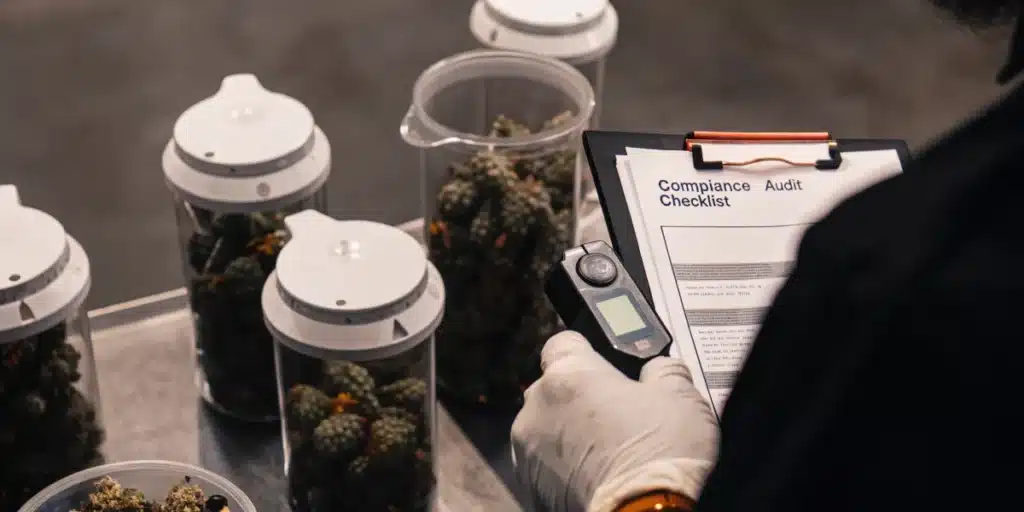
Using precise tools is essential for accurate water activity measurement. Devices like hygrometers and aw meters provide reliable readings, crucial for maintaining optimal storage conditions. Digital hygrometers are preferred for their accuracy, providing real-time data on humidity levels and supporting an effective audit checklist: water activity controls in cannabis storage.
For cannabis storage, maintaining 58-62% relative humidity (RH) is ideal. This range supports terpene preservation and prevents mold growth. Regular calibration of measuring devices ensures consistent accuracy, a critical step in the audit checklist.
Steps to Control Water Activity
Implementing effective control measures involves several key steps. First, ensure storage areas are kept at 59-70°F (15-21°C) to maintain stability. Use airtight containers to prevent humidity fluctuations, a common cause of increased aw.
Regular audits of storage conditions help identify potential issues early. This proactive approach includes checking for leaks and ensuring ventilation systems function correctly. By maintaining these controls, you can preserve cannabis quality and extend shelf life, especially when storing premium varieties such as Blueberry Auto.
Ensuring Compliance in Cannabis Storage
Legal Standards and Guidelines
Compliance with legal standards is essential for cannabis storage. Regulations often mandate specific aw levels and storage conditions to ensure product safety. For instance, many jurisdictions require aw to remain below 0.65 to prevent microbial contamination.
Understanding these guidelines helps avoid legal issues and ensures product integrity. Regular audits and documentation of storage conditions are necessary for compliance, providing a record of adherence to legal standards.
Best Practices for Quality Assurance
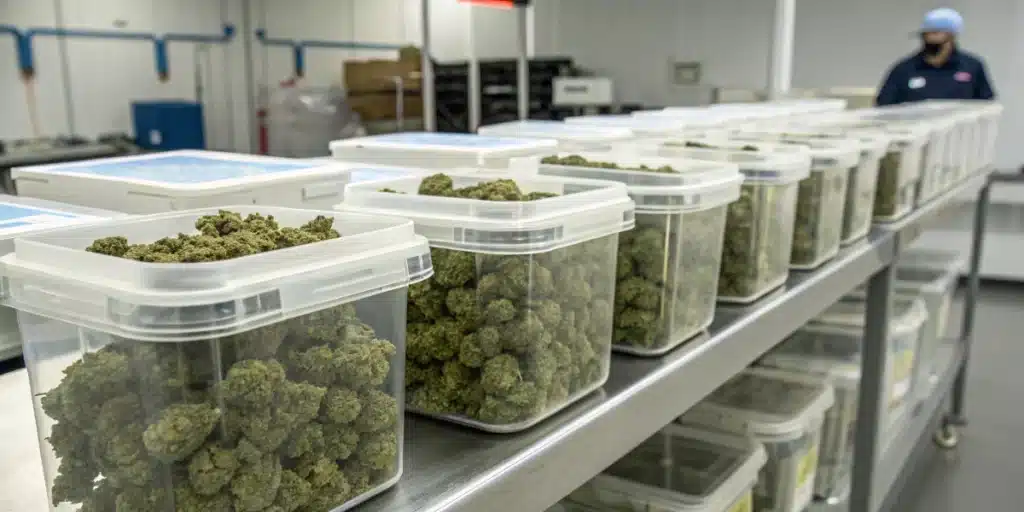
Quality assurance in cannabis storage involves maintaining optimal conditions and regular monitoring. Implementing best practices, such as using desiccants to control humidity, can help maintain desired aw levels.
Regular training for staff on storage protocols ensures consistent quality. This includes understanding the impact of environmental factors on cannabis and the importance of maintaining precise conditions.
Professional Tips for Water Activity Control
- Maintain 58-62% RH during storage. Below 55% can dry out terpenes; above 65% risks mold. Use digital hygrometers for accuracy.
- Store cannabis at 59-70°F (15-21°C). Temperatures outside this range can degrade cannabinoids and terpenes, affecting potency.
- Use airtight containers to prevent humidity fluctuations. This is crucial for preserving cannabis quality and preventing microbial growth.
- Regularly calibrate measuring devices to ensure accurate readings. Inaccurate data can lead to improper storage conditions.
- Conduct regular audits of storage conditions to identify potential issues early. This proactive approach helps maintain product quality.
- Train staff on the importance of maintaining optimal storage conditions. Proper training ensures consistent quality and compliance.
FAQs about audit checklist: water activity controls in cannabis storage
How can I measure water activity in cannabis storage effectively?
Water activity in cannabis is measured using digital aw meters, providing precise readings crucial for maintaining quality. These devices help ensure aw levels remain below 0.65, preventing microbial growth. Regular calibration of these meters is essential for accuracy, supporting compliance with storage standards.
What methods are used to control water activity during cannabis processing?
Controlling water activity during processing involves using desiccants and maintaining controlled environments. Keeping humidity at 58-62% and temperatures at 59-70°F (15-21°C) ensures stability. These measures prevent mold and preserve terpenes, crucial for product quality and compliance.
What are the compliance standards for cannabis storage?
Compliance standards for cannabis storage require maintaining aw below 0.65 to prevent microbial contamination. Legal guidelines often mandate specific humidity and temperature ranges, such as 58-62% RH and 59-70°F (15-21°C), ensuring product safety and quality.
What tools are best for testing bud humidity in cannabis storage?
Digital hygrometers are the best tools for testing bud humidity, offering accurate readings essential for maintaining optimal storage conditions. These devices help ensure humidity levels remain within the 58-62% range, preventing degradation and microbial growth.
How does water activity impact cannabis potency and safety?
Water activity directly impacts cannabis potency and safety by influencing microbial growth and terpene preservation. Maintaining aw below 0.65 prevents mold, while optimal humidity levels preserve cannabinoid potency, ensuring a safe and effective product.