Proven Zeolite and Clay Amendments for Smart Soil Stabilization

Growing cannabis successfully involves more than just planting seeds in any patch of dirt. Soil quality plays a crucial role in determining the health of your plants. So, what happens if your soil is contaminated with heavy metals? This is where zeolite and clay amendments for heavy metal stabilization in soil come into play.
Zeolite and clay amendments are like superheroes for soil. They help trap heavy metals, reducing their mobility and availability to plants. This is especially important for cannabis growers who need to ensure their soil is safe for their crops. By using these amendments, you can transform contaminated soil into a more suitable environment for growing premium cannabis.
Recommended Strains

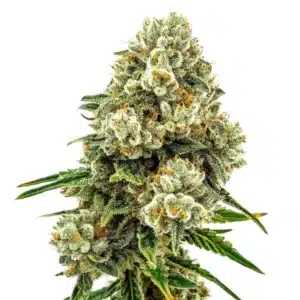
Wedding Cake

|
THC | 17% - 23% (Medium) |

|
Type | Feminized |

|
Yield | High |

|
Phenotype | 60% Indica / 40% Sativa |

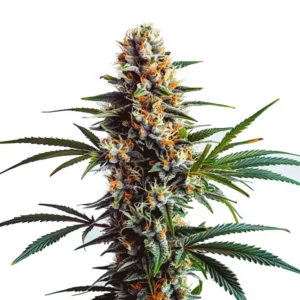
Gelato
|
|
THC | 27% (High) |
|
|
Type | Feminized |
|
|
Yield | High |
|
|
Phenotype | 50% Indica / 50% Sativa |
Take, for example, the Blimburn Seeds strain, Gelato. This strain thrives in nutrient-rich environments. However, heavy metals can inhibit growth and affect the quality of your yield. By incorporating zeolite and clay amendments, you give your Gelato plants the best chance to flourish.
How Zeolite Works in Soil Remediation
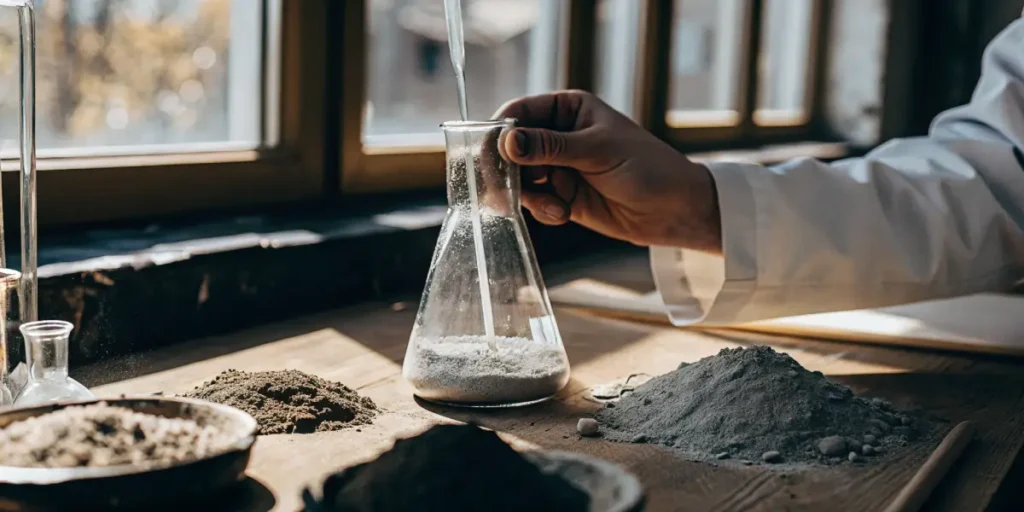
Zeolite is a naturally occurring mineral known for its ability to trap heavy metals. Its porous structure acts like a sponge, soaking up harmful elements and preventing them from affecting your plants. This makes zeolite soil amendment for heavy metal stabilization an effective strategy for cannabis growers.
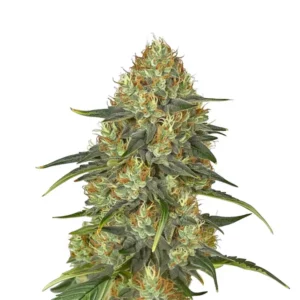
For those growing the popular Blimburn Seeds strain, GG4, zeolite can be a game-changer. GG4 demands a clean environment to reach its full potential. By using zeolite, you ensure that your soil is primed for optimal growth, reducing the risk of heavy metal uptake by your plants.
Moreover, zeolite is not only exceptional at capturing heavy metals but also enhances the overall soil structure. By improving aeration and drainage, it creates a favorable environment for root development. This additional benefit is vital for ensuring your cannabis plants remain vigorous and healthy throughout their growth cycle.
Zeolite soil amendment for heavy metal stabilization also supports microbial activity, which is crucial for nutrient cycling in the soil. As beneficial microbes thrive, they further aid in breaking down organic matter, contributing to a balanced and fertile soil ecosystem. This synergy of benefits makes zeolite indispensable for soil remediation efforts.
Benefits of Combining Zeolite and Clay
Combining zeolite and clay for soil heavy metal stabilization offers a one-two punch for soil health. While zeolite absorbs metals, clay adds structure and stability to the soil. This combination is especially beneficial for cannabis strains that require precise growing conditions.
Consider the Blimburn Seeds strain, Wedding Cake. This strain is sensitive to soil conditions and needs a stable environment to produce high-quality buds. Using both zeolite and clay amendments ensures your Wedding Cake plants have a solid foundation for growth.
Furthermore, clay amendments to reduce soil heavy metal contamination complement the zeolite’s action by binding with the metals. This dual approach ensures that heavy metals are both captured and immobilized, preventing their uptake by plants. The result is a cleaner, safer growing medium for your cannabis strains.
Combining zeolite and clay for soil heavy metal stabilization not only enhances soil quality but also contributes to long-term soil health. Over time, the impact of zeolite and clay on heavy metal soil retention leads to cumulative improvements, making your garden more resilient and productive with each passing season.
Practical Application of Zeolite and Clay
Incorporating zeolite and clay into your soil is straightforward. Start by testing your soil to determine the level of contamination. Once you know what you’re dealing with, you can decide on the right amount of amendments to use.
For many growers, a mix of zeolite and clay added to the topsoil works wonders. Simply mix the amendments into the soil and water thoroughly. Over time, you’ll notice a positive impact on your plant’s growth and health.
It’s important to note that the effectiveness of zeolite in heavy metal soil remediation is enhanced by proper application techniques. Make sure to distribute the amendments evenly across the soil surface and incorporate them to a depth that matches the rooting zone of your plants. This ensures that the amendments are positioned where they can offer maximum protection.
To further optimize results, consider timing the application of zeolite and clay amendments with your soil’s natural cycles. For instance, applying them during the off-season allows ample time for integration, ensuring that your soil is ready to support robust plant growth when the next planting season arrives.
Promos & Deals

Effectiveness and Impact of Soil Amendments
The effectiveness of zeolite in heavy metal soil remediation is well-documented. This mineral not only traps metals but also improves soil aeration and drainage, which are crucial for healthy cannabis growth.
On the other hand, the impact of zeolite and clay on heavy metal soil retention means that over time, the soil becomes safer for future planting cycles. This is a long-term investment in your garden’s health and productivity.
With each application, zeolite and clay amendments for heavy metal stabilization in soil contribute to building a safer and more productive growing environment. The gradual improvement in soil quality translates to healthier plants and better yields, providing tangible rewards for cannabis cultivators.
As the soil’s heavy metal levels decrease and its structure improves, you’ll notice increased resilience in your plants. They become more resistant to environmental stressors, allowing them to thrive even in challenging growing conditions. This robustness is a testament to the long-term benefits of using these amendments.

FAQs about zeolite and clay amendments for heavy metal stabilization in soil
What are zeolite and clay amendments?
Zeolite and clay amendments are materials added to soil to help stabilize heavy metals. Zeolite is a mineral with a porous structure, ideal for trapping metals. Clay adds structure to the soil and binds with metals, reducing their availability to plants.
For cannabis growers, these amendments are crucial. They ensure the soil remains safe and productive. Whether you’re a novice or seasoned grower, knowing these amendments can enhance your cultivation practices.
By leveraging the unique properties of zeolite and clay, growers can effectively manage soil contamination and create an optimal environment for cannabis cultivation. These amendments not only mitigate the risks associated with heavy metals but also support overall plant health.
Incorporating zeolite and clay amendments for heavy metal stabilization in soil is a proactive approach to sustainable gardening. By investing in soil health, you pave the way for consistent yields and high-quality cannabis crops, year after year.
How do I use zeolite and clay in my garden?
Using these amendments is simple. First, test your soil to assess contamination levels. Then, mix the right amount of zeolite and clay into your topsoil. Ensure you water the soil adequately to help the amendments integrate effectively.
By using zeolite and clay, you’re taking proactive steps to secure a healthier growing environment. Your cannabis plants will thank you for the extra care, growing stronger and yielding better results.
It’s crucial to monitor your soil’s condition regularly through testing. This will help you determine the appropriate application rate and timing for zeolite and clay amendments. By staying informed, you can tailor your approach to meet the specific needs of your garden.
For optimal results, consider integrating zeolite and clay amendments into your regular soil management practices. This routine application ensures that your soil remains in top condition, setting the stage for successful and sustainable cannabis cultivation.
Can I use zeolite and clay for all cannabis strains?
Yes, zeolite and clay can benefit all cannabis strains. Whether you’re growing Gelato, Gorilla G4, or Wedding Cake from Blimburn Seeds, these amendments will help ensure a stable growing environment.
Different strains have unique needs, but they all benefit from clean, uncontaminated soil. Using zeolite and clay amendments is a smart move to support your plants’ health and productivity.
While each strain may have specific soil preferences, the universal need for a clean and stable growing medium makes zeolite and clay amendments beneficial across the board. By addressing soil contamination, these amendments help unlock the full genetic potential of your cannabis plants.
Beyond individual strain requirements, zeolite and clay amendments also promote a balanced soil ecosystem. This holistic approach to soil management supports not only cannabis cultivation but also the overall health of your garden, regardless of the crops you choose to grow.
Are there any downsides to using soil amendments?
While generally beneficial, it’s important to use the correct amount of amendments. Overuse can lead to soil imbalances. Always follow guidelines and test your soil regularly to avoid any issues.
With careful application, the benefits of zeolite and clay amendments for heavy metal stabilization in soil far outweigh any potential downsides. Your cannabis garden will thrive with this added layer of protection.
Knowing the specific needs of your soil is key to maximizing the benefits of these amendments. By tailoring your approach based on soil tests, you can avoid potential issues and optimize your growing conditions.
Ultimately, the strategic use of zeolite and clay amendments can transform your garden into a haven for healthy plant growth. With each application, you’re investing in the long-term success of your cannabis cultivation endeavors.
How often should I apply zeolite and clay amendments?
Application frequency depends on the initial contamination levels and the results of ongoing soil testing. Typically, applying these amendments once every growing season is sufficient.
Regular soil testing will guide your future applications, ensuring your plants always have the best conditions to grow. By monitoring your soil’s health, you set your garden up for success, season after season.
In cases of severe contamination, more frequent applications may be necessary. Adjusting the frequency based on soil test results allows you to respond effectively to changing soil conditions, ensuring continuous protection for your plants.
The impact of zeolite and clay on heavy metal soil retention is cumulative, meaning that consistent applications over time lead to progressively better soil conditions. This approach pays dividends in the form of healthier plants and improved yields.