Proven Ways: Is Chlorosis Reversible in Cannabis Plants?

Chlorosis is a common issue cannabis growers face. It manifests as yellowing leaves, often due to nutrient deficiencies. Fixing chlorosis in marijuana plants can be straightforward with the right approach. Many growers wonder is chlorosis reversible in cannabis plants, and in most cases, recognizing the symptoms early and taking action can help reverse chlorosis in cannabis leaves.
When leaves turn yellow, it affects the plant’s ability to photosynthesize. This can slow growth and reduce yields. Fortunately, chlorosis treatment for cannabis plants involves simple steps. With some knowledge and effort, you can improve cannabis health chlorosis recovery.
Recommended Strains
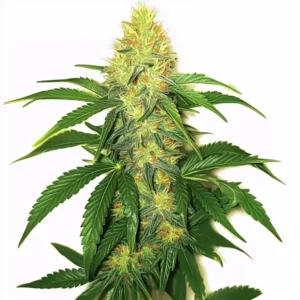
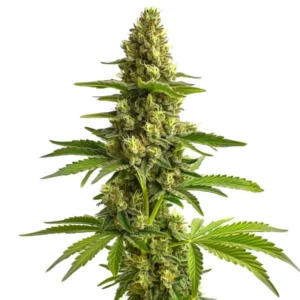
AK 47

|
THC | 16% - 19% (Medium) |

|
Type | Feminized |

|
Yield | Medium |

|
Phenotype | 35% Indica / 65% Sativa |
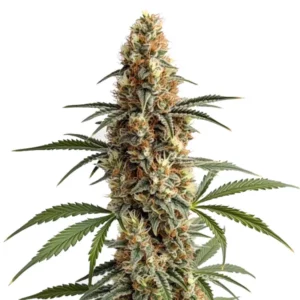
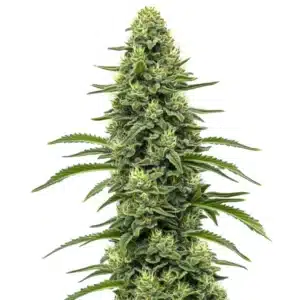
Mamba Negra
|
|
THC | 18% (Medium) |
|
|
Type | Feminized |
|
|
Yield | High |
|
|
Phenotype | 55% Indica / 45% Sativa |
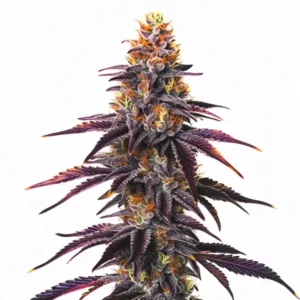
Cannabis plants, like the potent Bruce Banner #3 from Blimburn Seeds, are susceptible to chlorosis if not provided with the right care. Identifying the root cause is the first step toward reversal. Let’s delve deeper into how this process works.
Common Causes of Chlorosis in Cannabis Plants
Chlorosis usually arises from nutrient deficiencies or imbalances. Cannabis plants need a balanced diet to thrive. Essential nutrients include nitrogen, magnesium, and iron. A lack of these can lead to the yellowing of leaves.
Improper pH levels can also cause nutrient lockout, preventing the plant from absorbing what it needs. The ideal pH range for cannabis is between 6.0 and 7.0 in soil. Regularly testing and adjusting pH levels can prevent these issues before they start.
Another contributing factor to chlorosis is environmental stress. Conditions such as extreme temperatures, inadequate light, or poor airflow can exacerbate nutrient deficiencies. Ensuring optimal growing conditions is crucial for minimizing the occurrence of chlorosis.
Additionally, the use of poor-quality water can lead to nutrient imbalances. It is vital to use filtered or distilled water to ensure that cannabis plants are not exposed to harmful minerals or chemicals, which can hinder their ability to absorb essential nutrients.
Promos & Deals
Steps to Reverse Chlorosis in Cannabis Plants
To start reversing chlorosis in cannabis leaves, implement a nutrient solution tailored to the plant’s needs. If nitrogen deficiency is the issue, a nitrogen-rich fertilizer can help. For magnesium or iron deficiencies, specific supplements are available. Many growers ask is chlorosis reversible in cannabis plants, and in most cases, the answer is yes when deficiencies are corrected early and nutrient balance is restored.
Monitoring your plants closely is crucial. Regularly checking for signs of nutrient deficiencies allows for timely intervention. Consistent care and adjustments lead to successful chlorosis treatment for cannabis plants.
Incorporating organic matter such as compost or worm castings into the soil can enhance nutrient availability. This approach supports the development of healthy soil microbiota, which plays a vital role in nutrient uptake and overall plant health.
Another effective method is foliar feeding, where nutrients are sprayed directly onto the leaves. This allows for immediate absorption and can be particularly beneficial when addressing micronutrient deficiencies. It’s a practical step in fixing chlorosis in marijuana plants.
Choosing the Right Strains for Easier Chlorosis Management
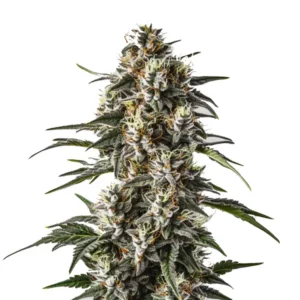
Some cannabis strains are more resilient to chlorosis. For example, the AK-47 strain from Blimburn Seeds is robust and forgiving. This makes it a great choice for beginners. It handles minor nutrient fluctuations well, reducing the risk of chlorosis.
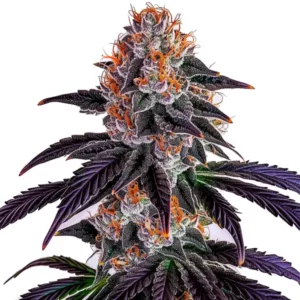
Another strain to consider is Mamba Negra. Known for its vigor, this strain can withstand various growing conditions. It’s ideal for growers looking to minimize issues related to nutrient deficiencies.
When selecting strains, consider their growth patterns and nutrient demands. Strains that are bred for hardiness tend to require less intensive care, making them ideal for those new to cannabis cultivation or dealing with challenging environments.
Resilient strains like those from Blimburn Seeds provide a buffer against environmental stress. This resilience aids in improving cannabis health chlorosis recovery, as these plants can better cope with nutrient imbalances and other adverse conditions.
Practical Tips for Chlorosis Prevention and Treatment
Prevention is often easier than treatment. Regularly assess your cannabis plants for early signs of chlorosis. This includes checking leaf color and overall plant vigor. Early detection allows for quicker chlorosis recovery.
Investing in quality soil and nutrients makes a difference. Products designed for cannabis cultivation tend to provide balanced nutrition, reducing the chance of deficiencies. This is crucial for preventing and reversing chlorosis in cannabis plants.
Creating a comprehensive grow plan that includes regular monitoring and maintenance schedules can prevent nutrient imbalances. This proactive approach reduces the likelihood of developing severe chlorosis.
Utilizing tools such as soil moisture meters and pH testers can simplify the process of maintaining optimal growing conditions. These tools provide valuable data, enabling growers to make informed decisions and apply effective cannabis plant nutrient deficiency solutions.
FAQs about is chlorosis reversible in cannabis plants
What are the first signs of chlorosis in cannabis plants?
The initial signs of chlorosis include yellowing leaves, usually starting from the tips or edges. This discoloration can spread if not addressed. It’s typically a sign of nutrient deficiency or imbalance.
Spotting these early indicators allows growers to take corrective action. Regular monitoring can prevent progression and aid in effective chlorosis treatment for cannabis plants.
Besides to yellowing, leaves may exhibit curling or become brittle over time. These symptoms indicate that the plant is struggling to access necessary nutrients and requires immediate attention.
Observing the overall growth rate of the plant can also provide clues. A slowdown in growth may accompany chlorosis, signaling that intervention is needed to restore nutrient balance and vitality.
How can I prevent chlorosis in my cannabis grow?
Prevention involves maintaining proper nutrient levels and pH balance. Using quality soil and fertilizers designed for cannabis can help. Regularly test your soil’s pH and adjust as needed.
Choosing resilient strains, like those from Blimburn Seeds, also aids in prevention. These strains are bred to withstand varying conditions, minimizing the risk of chlorosis.
Implementing a crop rotation strategy can also benefit long-term soil health. Rotating crops helps prevent nutrient depletion and supports a balanced ecosystem within the growing medium.
Ensuring adequate spacing between plants improves air circulation and light penetration, reducing the risk of environmental stress that could exacerbate nutrient deficiencies and chlorosis.
Can overwatering cause chlorosis?
Yes, overwatering can lead to chlorosis by suffocating the roots. This prevents the uptake of essential nutrients. It’s important to allow soil to dry adequately between waterings.
Proper watering techniques are a vital aspect of reversing chlorosis in cannabis leaves. Ensure your pots have good drainage to prevent waterlogging.
Besides to proper drainage, using aerated soil mixes can enhance root health and prevent water accumulation. This step is crucial in avoiding conditions that lead to chlorosis.
Monitoring the weight of your pots is an easy way to gauge moisture levels. Lighter pots typically indicate that the soil is dry and ready for watering, helping prevent overwatering and its associated problems.
Is chlorosis reversible in cannabis plants if caught late?
Chlorosis can still be reversible if caught late, but it requires more intensive care. Implement a targeted nutrient regimen and closely monitor the plant’s progress.
Recovery might take longer, but with persistence, you can improve cannabis health chlorosis recovery, even if the issue is advanced.
Employing techniques such as root pruning can stimulate new growth and encourage nutrient uptake, particularly if root health has been compromised by prolonged chlorosis.
Consistently documenting plant responses to interventions allows growers to fine-tune their approach, enhancing the chances of successful recovery and long-term plant health.
How does the strain choice affect chlorosis management?
Strain choice plays a crucial role in chlorosis management. Some strains are more tolerant to nutrient fluctuations. This resilience can make them easier to manage for new growers.
Opting for strains like AK-47 or Mamba Negra from Blimburn Seeds can simplify your grow process. These strains are known for their hardiness and consistent growth patterns.
Strains with a reputation for robust genetics often have a greater capacity to withstand environmental changes, providing a buffer against the factors that commonly lead to chlorosis.
When selecting strains, researching their specific nutrient requirements can prevent over- or under-fertilization, ensuring optimal conditions for growth and reducing the likelihood of chlorosis.