Proven Ways How Sugar Levels Reflect Cannabis Plant Vitality

When it comes to growing cannabis, sugar levels play a critical role in reflecting the plant’s vitality. These sugar levels, known scientifically as Brix levels, are an essential indicator of how healthy your cannabis plants are. High sugar levels usually mean your cannabis plant is thriving, while low sugar levels could signal stress or poor health.
Monitoring sugar levels can help you make informed decisions about your growing techniques. Imagine it as a health check-up for your plants. If you notice a dip in these levels, it could be time to adjust your watering schedule or nutrient feeding. By keeping a close eye on sugar levels, you can maintain vibrant, healthy plants that are more resistant to pests and diseases.
Recommended Strains

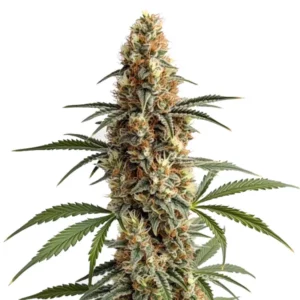
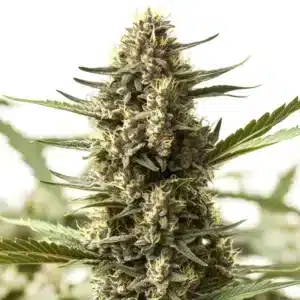
GG4

|
THC | 27% (High) |

|
Type | Feminized |

|
Yield | High |

|
Phenotype | 40% Indica / 60% Sativa |

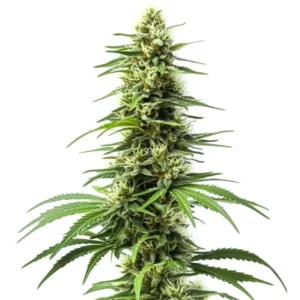
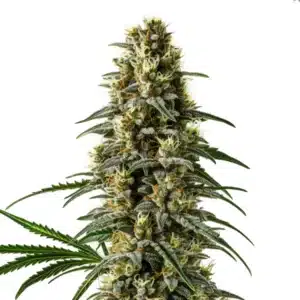
Jack Herer
|
|
THC | 20% (Medium) |
|
|
Type | Feminized |
|
|
Yield | High |
|
|
Phenotype | 40% Indica / 60% Sativa |
For example, Blimburn Seeds offers strains like GG4, which are known for their robust sugar levels. By measuring and managing these levels, you can ensure your plants achieve their full potential. This is particularly important for first-time growers who are eager to see results but might not yet understand all the nuances of plant care.
Why Sugar Levels Matter in Cannabis Cultivation
Sugar levels in cannabis plants are more than just a measure of sweetness. They are a direct reflection of how well your plant is photosynthesizing. Photosynthesis is the process by which plants convert light into energy, and sugars are a vital byproduct. Therefore, higher sugar levels generally indicate that your plant is converting light into energy efficiently.
This efficiency in photosynthesis contributes to overall plant health, resulting in robust growth, vibrant leaves, and potent buds. The impact sugar levels have on cannabis vitality cannot be overstated. They serve as a barometer for plant health, helping growers adjust care practices to optimize growth conditions.
Furthermore, knowing how sugar levels reflect cannabis plant vitality can be a game-changer in cultivation practices. By keeping consistent sugar levels, growers can ensure their plants are in peak condition. This can lead to more consistent yields and higher quality harvests, which are the ultimate goals for any cannabis cultivator.
Moreover, sugar content indicators of cannabis plant health are valuable for growers interested in sustainable practices. Plants with optimal sugar levels are more efficient at utilizing resources, leading to less waste and more environmentally friendly growing operations. This holistic approach not only benefits the plants but also contributes to a more sustainable planet.
Using Brix Levels to Gauge Plant Health
Brix levels measure the sugar content in plant sap and are a reliable indicator of cannabis plant vitality. To measure Brix levels, growers often use a refractometer a simple tool that can be purchased online or at gardening stores. By placing a drop of plant sap on the device, you can gauge the sugar content, which reflects your plant’s health.
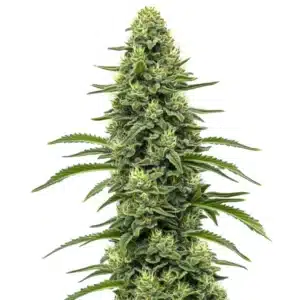
High Brix levels indicate that your cannabis plant is healthy and stress-resistant. Plants with high sugar content are less appealing to pests and can better withstand environmental stresses such as drought or nutrient deficiencies. For instance, if you’re growing a strain like Blue Dream from Blimburn Seeds, you want to maintain high sugar levels for the best results.
Regular monitoring of Brix levels provides a proactive approach to plant care. By tracking these levels over time, you can identify patterns that may indicate a change in plant health. This early detection system allows for timely interventions, potentially saving your crop from more severe issues down the line.
Additionally, cannabis sugar levels plant health is closely linked to the plant’s ability to fend off diseases. Healthy plants with high sugar levels are generally more robust, making them less susceptible to infections. This natural defense mechanism underscores the importance of maintaining optimal sugar levels throughout the growth cycle.
Promos & Deals

Practical Tips for Monitoring Sugar Levels
Regular monitoring of sugar levels can help maintain cannabis plant vitality. Start by establishing a routine to check these levels, ideally every week. This helps you stay on top of any fluctuations that could indicate stress or poor health.
For growers cultivating strains like Jack Herer from Blimburn Seeds, maintaining optimal sugar levels can make a significant difference in yield and quality. By keeping an eye on these levels, you can tweak your growing conditions to suit the specific needs of your chosen strain.
Incorporating a routine for sugar measurement into your growing practices can significantly enhance your plant care regimen. Use a refractometer regularly to measure Brix levels and document your findings. This historical data can be invaluable for diagnosing issues or creating a more effective growth strategy.
Knowing how sugar levels reflect cannabis plant vitality can also guide future cultivation endeavors. As you become adept at reading these indicators, you’ll be better equipped to select strains that are likely to thrive in your specific growing conditions, ensuring a prosperous and healthy crop.
Common Factors Affecting Sugar Levels
Several factors can influence the sugar levels in your cannabis plants. Nutrient deficiencies are a common culprit. If your plant lacks essential nutrients, its ability to photosynthesize efficiently diminishes, leading to lower sugar levels.
Environmental conditions also play a role. Too much or too little light can stress your plants, affecting their sugar production. Similarly, improper watering either overwatering or underwatering—can impact your plant’s health and sugar levels. Always aim for a balanced environment to support optimal sugar production.
Another factor affecting sugar levels is the plant’s genetic makeup. Some strains naturally produce more sugars due to their genetic predisposition. By selecting strains known for their high sugar content, such as those from Blimburn Seeds, you can set yourself up for success from the start.
Moreover, the impact of sugar levels on cannabis vitality is also influenced by external stress factors. Sugar levels in cannabis plant stress response are crucial indicators. Stress from temperature fluctuations or physical damage can lead to a decrease in sugar production, making it vital to maintain stable growing conditions.
Improving Sugar Levels for Better Plant Health
Improving sugar levels in cannabis plants involves optimizing several aspects of your growing environment. Start with light. Ensure your plants receive adequate light for photosynthesis. Adjust your lighting setup as needed to provide consistent, quality light throughout the growing cycle.
Nutrients are another key factor. Provide a balanced nutrient mix tailored to your plant’s growth stage. This ensures that your plants have the building blocks they need for robust sugar production. Using organic fertilizers can be especially beneficial in boosting sugar levels naturally.
Additionally, creating a conducive environment for your plants can significantly impact sugar levels and cannabis vitality. Ensure that your grow area has proper ventilation to maintain ideal humidity and temperature levels. This will minimize environmental stress and promote healthy sugar production.
Moreover, implementing a holistic approach to plant care can further enhance sugar levels. Regularly pruning and removing dead leaves can improve airflow and light penetration, fostering an environment that supports healthy growth and increased sugar production. These practices contribute to overall cannabis plant vitality, leading to a bountiful harvest.
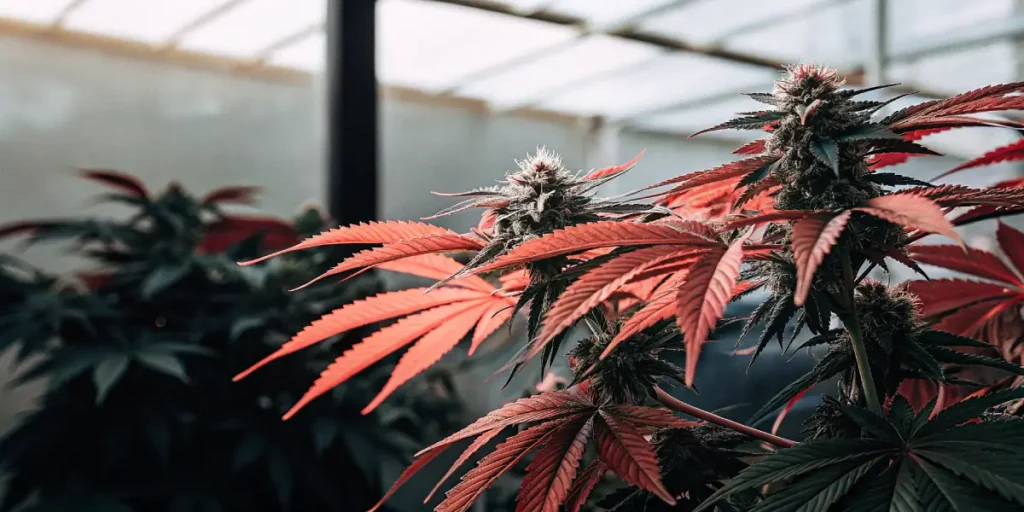
Adjusting Growing Techniques
Adjusting your growing techniques can also help improve sugar levels. For instance, consider using techniques such as Low-Stress Training (LST) or topping to encourage better light distribution across the plant. These methods can enhance photosynthetic efficiency, leading to higher sugar content.
Another technique is to monitor and adjust your watering schedule. Consistent watering helps maintain optimal sugar levels by preventing stress from drought or waterlogging. Always check the moisture level of the soil before watering to avoid overwatering, a common mistake among novice growers.
Companion planting is another effective strategy to boost sugar levels. By growing supportive plants alongside cannabis, you create a symbiotic environment. For example, legumes can fix nitrogen in the soil, enhancing nutrient availability and supporting better sugar production.
Furthermore, rotating crops and incorporating organic matter can enrich the soil, providing a steady supply of nutrients essential for sugar production. These adjustments in growing techniques not only enhance sugar levels but also improve the overall ecosystem, promoting a healthy and sustainable grow operation.
FAQs about how sugar levels reflect cannabis plant vitality
What are Brix levels, and why are they important?
Brix levels measure the sugar content in plant sap, offering insights into the plant’s overall health. High Brix levels are a sign of a healthy, photosynthetically active plant. They indicate that your plant is efficiently converting light into energy, which is crucial for growth and resilience.
Knowing Brix levels is key to maintaining cannabis plant vitality. Regularly monitoring these levels can help you identify potential issues before they escalate. It enables you to make timely adjustments to your growing practices, ensuring your plants remain healthy and productive.
Brix levels also serve as a useful tool for comparing different strains and their sugar production capabilities. By knowing how sugar levels reflect cannabis plant vitality, growers can select strains that are more likely to thrive under their specific growing conditions.
Moreover, knowing your plant’s Brix levels can aid in optimizing harvest timing. Plants with high Brix levels often have a higher concentration of essential oils and terpenes, which contribute to the flavor and potency of the final product. Thus, monitoring these levels ensures a premium quality harvest.
How can I measure sugar levels in my cannabis plants?
Measuring sugar levels in cannabis plants is simple with a refractometer. This device measures the Brix level of plant sap, offering a snapshot of the plant’s health. To measure, simply extract a small amount of sap from the plant and place it on the refractometer’s glass surface.
Read the scale to determine the Brix level. A higher reading indicates better plant health. Regular measurements allow you to track changes over time and make necessary adjustments to your growing practices.
Incorporating regular sugar measurement into your routine can provide valuable insights into your plant’s health. By knowing the relationship between sugar levels and cannabis plant vitality, growers can make informed decisions that enhance overall plant health and yield.
Additionally, by documenting Brix levels over time, you can build a comprehensive knowing of how various factors affect your plant’s health. This data-driven approach allows you to fine-tune your growing practices, ensuring the best possible outcomes for your cannabis crop.
What should I do if my cannabis plants have low sugar levels?
If you find that your cannabis plants have low sugar levels, it’s time to evaluate your growing conditions. Start by checking for nutrient deficiencies and adjusting your feeding schedule. Ensure your plants are receiving adequate light and that your watering practices are consistent.
Consider using organic fertilizers to boost plant health naturally. Additionally, inspect your plants for any signs of pest infestations or disease, as these can also impact sugar levels. Taking these steps can help improve your plant’s health and sugar content.
Besides adjusting immediate growing conditions, consider adopting long-term strategies to improve sugar levels. Implementing crop rotation and using cover crops can enhance soil health over time, positively impacting sugar production in subsequent growing cycles.
Furthermore, maintaining a clean and pest-free environment is crucial. Regularly inspect your plants and grow area to prevent infestations that could divert energy away from sugar production. A proactive approach ensures healthier plants and better yields.
Can sugar levels indicate stress in cannabis plants?
Yes, sugar levels are a reliable indicator of stress in cannabis plants. Low sugar levels often signal that a plant is under stress, whether from environmental factors, pests, or nutrient deficiencies. Monitoring sugar levels can help you identify stress early and take corrective action.
By maintaining optimal sugar levels, you can ensure your plants are healthy and robust. This makes them more resilient to stress, improving overall vitality and yield. Regular monitoring is key to staying ahead of potential issues and maintaining plant health.
Knowing the sugar levels cannabis plant stress response can lead to more targeted interventions. By recognizing stress early through sugar measurements, you can prevent minor issues from developing into significant problems, safeguarding your crop’s health and productivity.
Moreover, maintaining high sugar levels not only reduces the likelihood of stress but also enhances the plant’s ability to recover from adverse conditions. This resilience is crucial for achieving a successful harvest, particularly in challenging growing environments.
How do sugar levels impact the final yield of cannabis plants?
Sugar levels have a direct impact on the final yield of cannabis plants. High sugar levels indicate that your plant is healthy and efficiently producing energy. This leads to more vigorous growth, larger buds, and a higher yield.
By optimizing sugar levels throughout the growing process, you can maximize your plant’s potential. This is especially important for high-yield strains like those offered by Blimburn Seeds. Consistent monitoring and adjustments ensure that your plants reach their full potential at harvest time.
Additionally, the final quality of your harvest is closely tied to sugar levels. High sugar content enhances the plant’s aroma and potency, delivering a superior product that stands out in the market. This is a critical factor for growers aiming for top-tier cannabis production.
Ultimately, knowing how sugar levels reflect cannabis plant vitality is key to achieving both high yields and premium quality. By focusing on sugar levels as a core component of your growing strategy, you can ensure a successful and rewarding cultivation experience.