Proven Tips: How to Fix Chlorosis in Cannabis Plants Easily

Chlorosis in cannabis plants can be a frustrating issue. It shows as yellowing leaves, which can affect plant health and yield. To fix chlorosis in cannabis, you need to identify the cause and apply the right solution. Whether you’re a newbie or a seasoned grower, knowing how to fix chlorosis in cannabis plants is essential for restoring leaf health and maintaining a strong, productive crop.
Nutrient deficiencies are a common cause of chlorosis. Cannabis plants need a balanced diet to thrive. This means the right amount of iron, nitrogen, magnesium, and other vital nutrients. When any of these are lacking, you’ll see the telltale yellowing leaves. Let’s dive into fixing nutrient deficiency in marijuana plants with practical steps and examples.
Recommended Strains

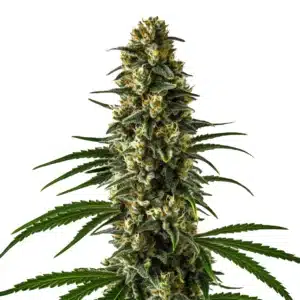
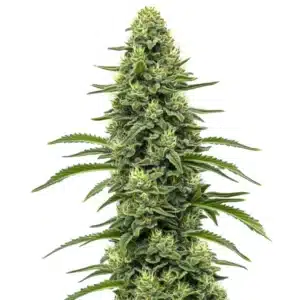
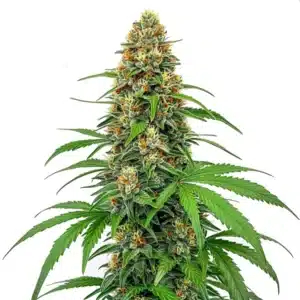
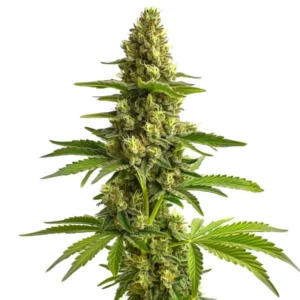
GG4

|
THC | 27% (High) |

|
Type | Feminized |

|
Yield | High |

|
Phenotype | 40% Indica / 60% Sativa |

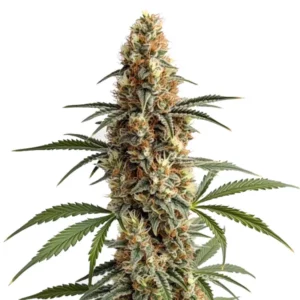
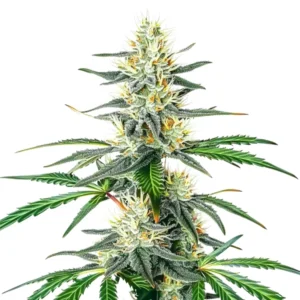
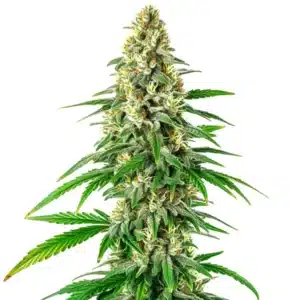
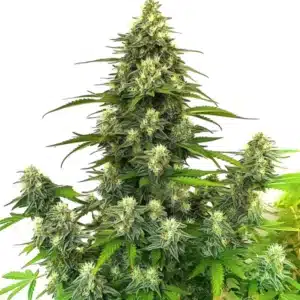
Blue Dream
|
|
THC | 17% - 24% (Medium) |
|
|
Type | Feminized |
|
|
Yield | High |
|
|
Phenotype | 50% Indica / 50% Sativa |
Consider growing strains renowned for resilience, such as Blimburn Seeds GG4, Blue Dream, and Girl Scout Cookies. These strains are known for their robustness and can help mitigate chlorosis risks.
Identifying the Causes of Chlorosis in Cannabis Plants
Chlorosis often signals a deeper issue. First, check your soil’s pH. Cannabis prefers slightly acidic soil, around 6.0 to 6.5. If the pH is off, nutrients become unavailable, causing deficiencies. Use a pH meter to test and adjust accordingly. Knowing how to fix chlorosis in cannabis plants starts with correcting pH imbalances, and a simple soil pH kit from a gardening store can do wonders.
Water quality is another factor. Hard water or water with high chlorine levels can lead to chlorosis. If you suspect your water source, switch to filtered or rainwater. This small change can significantly impact your plants’ health and help in addressing yellowing leaves in cannabis.
Another aspect to consider is the overall growing environment, which includes temperature and humidity. Extreme conditions can stress cannabis plants, making them more susceptible to chlorosis. Maintaining a stable environment is crucial in preventing these stress-induced symptoms.
Inspect your plants regularly for signs of pests, as they can cause damage that leads to nutrient deficiencies. Keep pests at bay with preventative measures, such as introducing beneficial insects or using organic repellents. A pest-free environment can reduce the chances of chlorosis.
Promos & Deals
Correcting Iron Deficiency in Cannabis Plants
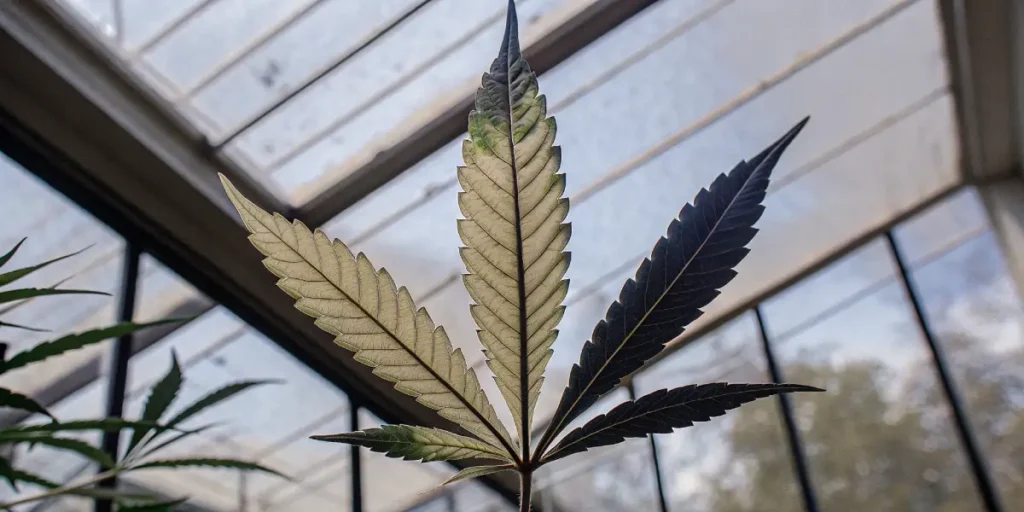
Iron deficiency is a common cause of chlorosis. It often shows as yellow leaves with green veins. Luckily, it’s one of the easier issues to fix. Start by checking pH levels since iron uptake is pH-dependent. Adjust your soil to the ideal range if necessary. This simple step can often resolve the issue.
If pH isn’t the problem, consider using iron supplements. Foliar sprays are a quick way to deliver iron directly to the leaves. Apply during the early morning or late evening to avoid leaf burn. After a few applications, you should see improvement.
Integrating chelated iron supplements into your nutrient regimen can also be effective. These are designed to be readily absorbed by plants, providing a quick solution to iron deficiency. Regular monitoring and adjustment of nutrient levels can prevent the recurrence of such issues.
Besides to iron, ensure other micronutrients are available in sufficient quantities. Magnesium and manganese can also influence chlorophyll production, and their deficiency might mimic symptoms of iron deficiency. A comprehensive approach to nutrient balance is essential in correcting iron deficiency in cannabis plants.
Effective Cannabis Chlorosis Treatment Methods
When addressing chlorosis, it’s crucial to act fast. Begin with a thorough inspection of your growing conditions. Look for signs of pest infestations or fungal infections, which can also cause yellowing leaves. Knowing how to fix chlorosis in cannabis plants involves identifying the root cause early and using organic pesticides or fungicides to treat these issues without harming your plants.
Next, consider your feeding schedule. Overfeeding can lead to nutrient lockout, where plants can’t absorb nutrients. Follow a balanced feeding regimen and give your plants time to process nutrients. If you suspect lockout, flush your plants with pure water to reset the soil.
Implementing a consistent watering routine can also aid in cannabis chlorosis treatment methods. Overwatering or underwatering can exacerbate nutrient uptake issues, so ensure your plants receive adequate moisture without being waterlogged.
Another effective approach is using beneficial microbes to enhance soil health. Products containing mycorrhizae and beneficial bacteria can improve nutrient availability and plant resilience, helping in fixing nutrient deficiency in marijuana plants. These natural allies can be a game-changer in preventing and treating chlorosis.
Choosing the Right Cannabis Strains to Prevent Chlorosis
Some cannabis strains are better suited for novice growers due to their resilience. Blimburn Seeds GG4 is a robust strain known for its ability to withstand less-than-ideal conditions. Its strong genetic background makes it a good choice if you’re worried about chlorosis.
Blue Dream is another strain renowned for its hardiness. It adapts well to various growing environments and is less prone to nutrient deficiencies. Growing strains like these can minimize the risk of chlorosis and lead to a more successful harvest.
By choosing strains with a history of resistance to nutrient deficiencies and environmental stress, growers can focus more on fine-tuning other cultivation aspects. This proactive selection of genetics plays a crucial role in mitigating potential chlorosis issues.
Additionally, it’s beneficial to research and invest in strains that have been bred specifically for resilience. Collaborating with trusted seed providers like Blimburn Seeds ensures access to robust and reliable genetics, enhancing your chances of a healthy crop.
Maintaining Healthy Soil and Nutrient Levels
Healthy soil is the foundation of a thriving cannabis plant. Start by using high-quality potting mix with good drainage. This prevents waterlogging, which can lead to root problems and nutrient deficiencies. Mix in perlite or vermiculite to improve soil aeration.
Regularly test soil nutrient levels. Use a soil test kit to ensure your plants are getting what they need. If nutrients are lacking, amend the soil with organic fertilizers. These slow-release options provide a steady nutrient supply, helping in fixing nutrient deficiency in marijuana plants.
Incorporating organic matter such as compost or worm castings can enhance soil structure and nutrient content, providing a more balanced ecosystem for cannabis plants. This practice not only supports growth but also aids in preventing nutrient-related issues.
Utilizing crop rotation and cover cropping techniques can also contribute to healthier soil. These methods improve soil fertility and biodiversity, reducing the likelihood of nutrient depletion and subsequent chlorosis in cannabis plants.
FAQs about how to fix chlorosis in cannabis plants
What is chlorosis in cannabis plants?
Chlorosis refers to the yellowing of leaves due to a lack of chlorophyll. In cannabis, it’s usually a sign of nutrient deficiency or poor growing conditions. Identifying the root cause is crucial for effective treatment. Regular monitoring can prevent chlorosis from affecting your yield.
By checking pH levels, water quality, and nutrient balance, you can keep chlorosis at bay. A proactive approach is often the best way to ensure a healthy and robust cannabis crop. Remember, healthy leaves mean a thriving plant.
Knowing the early signs of chlorosis is vital for timely intervention. Look for patterns in yellowing, such as specific leaf veins remaining green, which can indicate specific nutrient deficiencies like iron or nitrogen.
Employing a holistic approach that combines environmental management, nutrient balance, and strain selection can significantly reduce the occurrence of chlorosis. This comprehensive strategy is key to maintaining plant vitality and optimizing yields.
How do you fix chlorosis in cannabis plants?
Fixing chlorosis involves addressing the underlying causes. Start with a soil pH test and adjust as needed. Ensure your plants receive a balanced diet of nutrients. If deficiencies are suspected, using supplements like foliar sprays can provide a quick remedy.
Regularly inspect your plants for signs of pests or disease, which can also cause chlorosis. Early detection and treatment are key to resolving these issues before they impact your plants’ health. With careful observation, you can effectively fix chlorosis in cannabis plants.
Maintaining a consistent care routine is essential in preventing nutrient imbalances that lead to chlorosis. This includes adhering to a regular feeding schedule and monitoring environmental conditions closely.
Education and experience play a significant role in improving your ability to diagnose and treat chlorosis. Engaging with the cannabis growing community can provide insights and strategies for managing this common issue.
Why are my cannabis leaves turning yellow?
Yellowing leaves can result from various issues. Nutrient deficiencies, such as a lack of nitrogen or iron, are common culprits. Poor soil pH and water quality can also contribute. Identifying the specific cause is the first step in addressing yellowing leaves in cannabis.
Once the cause is known, take corrective action. Adjust the pH, switch to filtered water, or amend the soil with the necessary nutrients. By knowing your plants’ needs, you can prevent yellowing and promote vigorous growth.
Environmental factors, including inadequate lighting and extreme temperatures, can exacerbate yellowing. Ensuring optimal growing conditions is essential in preventing stress-induced chlorosis.
Regularly documenting and analyzing your growing practices helps in identifying patterns that lead to chlorosis. This proactive approach can prevent recurrence and support healthier plant development.
Can chlorosis be prevented in cannabis plants?
Yes, prevention is possible with proper care. Start with selecting resilient strains, like those from Blimburn Seeds. Ensure your growing environment meets all the basic needs, such as appropriate lighting, temperature, and humidity levels.
Regular monitoring and maintenance are crucial. Conduct soil tests, check water quality, and follow a balanced feeding schedule. By staying vigilant, you can prevent chlorosis and ensure your cannabis plants grow healthy and strong.
Implementing an integrated pest management system can further safeguard plants from factors that may lead to chlorosis. This strategy focuses on preventing pest-related stress that could compromise nutrient uptake.
Another preventative measure is to maintain a detailed growing journal. Tracking environmental conditions, feeding schedules, and plant responses can provide valuable insights for preventing future chlorosis issues.
Are there specific strains less prone to chlorosis?
Some strains are more resilient to environmental stressors. Blimburn Seeds offers strains like GG, Blue Dream, and Girl Scout Cookies, which are known for their hardiness. These strains are less likely to suffer from nutrient deficiencies, making them ideal for beginners.
These robust strains can handle various growing conditions better than others. By choosing such strains, you reduce the risk of chlorosis and increase your chances of a successful harvest. Strong genetics are a valuable asset in any cannabis garden.
Strains with high adaptability can thrive even in less-than-optimal conditions, providing a buffer against common growing challenges. This adaptability is crucial for reducing the frequency of nutrient-related issues such as chlorosis.
Consulting with experienced growers and reputable seed banks like Blimburn Seeds can guide you in selecting the best strains for your specific growing environment and goals, minimizing the risk of chlorosis.