Proven Tips for Preventing Residue Issues: GAP for Cannabis

Knowing GAP for Cannabis Cultivation
Good Agricultural Practices (GAP) are a set of principles that aim to minimize risks in agricultural production, including cannabis. By adhering to these principles, growers can effectively manage and prevent residue issues in their cannabis crops. In fact, preventing residue issues: GAP for cannabis starts with careful planning, proper monitoring, and consistent execution throughout the entire cultivation process.
Implementing GAP guidelines for cannabis residue management involves meticulous monitoring of every stage of the cultivation process. From soil preparation to harvesting, each step should be evaluated and optimized to ensure that the final product is free from harmful residues. This not only benefits the consumer but also enhances the credibility and marketability of the product.
Recommended Strains

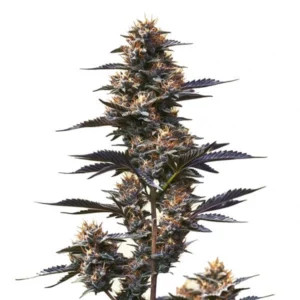
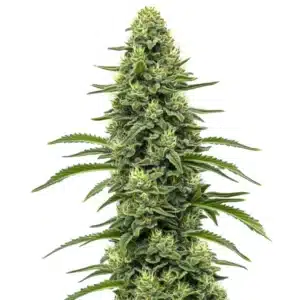
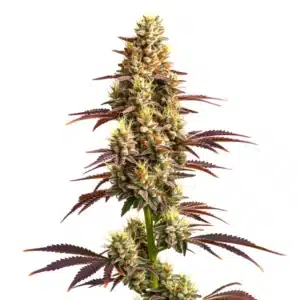
Mamba Negra

|
THC | 18% (Medium) |

|
Type | Feminized |

|
Yield | High |

|
Phenotype | 55% Indica / 45% Sativa |
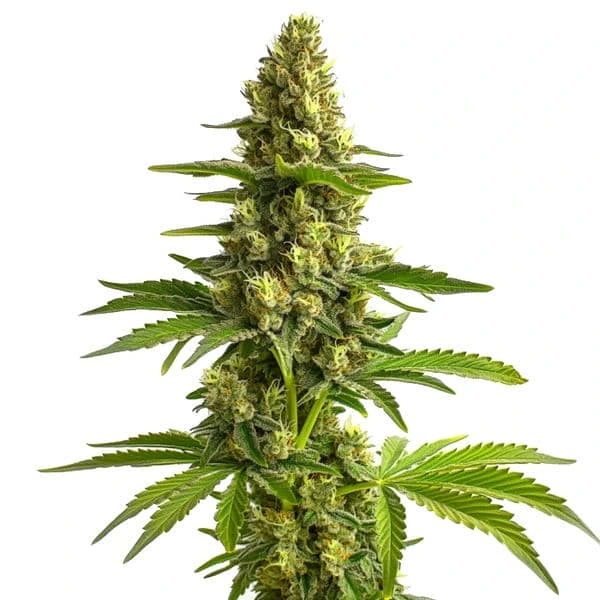
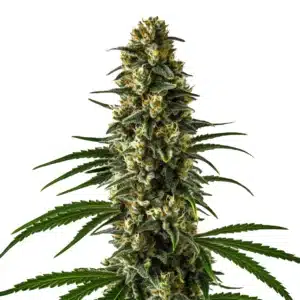
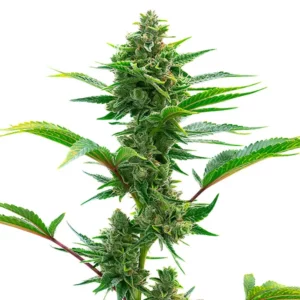
Bruce Banner #3
|
|
THC | 20% - 29% (High) |
|
|
Type | Feminized |
|
|
Yield | High |
|
|
Phenotype | 50% Indica / 50% Sativa |
Another essential aspect of GAP for cannabis is the knowing and application of ecological balance. By promoting biodiversity within the cultivation environment, growers can naturally reduce pests and diseases, thereby minimizing chemical residue in cannabis production. This approach aligns with the broader goals of sustainable agriculture and environmental stewardship.
Effective GAP implementation also requires ongoing education and training for cultivators. By staying informed about the latest advancements in agricultural practices and residue prevention strategies in cannabis farming, growers can continuously improve their methods. This commitment to learning ensures that cannabis cultivation remains both innovative and responsible.
Promos & Deals


Techniques for Minimizing Chemical Residue
Preventing residue issues: GAP for cannabis starts with selecting the right inputs. Use organic fertilizers and pest control methods whenever possible. This reduces the likelihood of chemical residues lingering in the final product. It’s not just about using fewer chemicals; it’s about choosing the right ones.
Regular soil testing is another crucial aspect of cannabis agricultural practices to avoid residue. By knowing the nutrient makeup of your soil, you can adjust your growing practices accordingly. This helps in maintaining a balanced ecosystem that supports healthy plant growth without the need for excessive chemical interventions.
Incorporating crop rotation and diversification can also aid in minimizing chemical residue. By rotating crops and introducing a variety of plant species, growers can disrupt pest life cycles and reduce the build-up of specific pathogens. This practice not only contributes to residue management but also boosts soil health and fertility.
Another effective technique is the implementation of precision agriculture technologies. Tools such as drones and sensors can provide real-time data on crop health and soil conditions, enabling more targeted interventions. This precision reduces the indiscriminate use of chemicals, aligning with GAP guidelines for cannabis residue management.
Monitoring and Record-Keeping
Effective record-keeping is a cornerstone of residue prevention strategies in cannabis farming. Documenting every aspect of the growing process, from seed selection to harvest, allows you to identify potential issues before they become significant problems. This proactive approach is essential in preventing pesticide residue in cannabis cultivation.
Invest in tools and technology that assist in monitoring environmental conditions. Devices that track humidity, temperature, and soil moisture can help in fine-tuning your growing environment. This ensures that plants receive optimal care, reducing the need for chemical interventions that can lead to residue issues.
Besides to traditional methods, digital record-keeping solutions can streamline data collection and analysis. Cloud-based platforms allow for easy access and sharing of information, facilitating collaboration among team members. This modern approach to record-keeping supports transparency and accountability in cannabis production.
Regular audits and reviews of records can further enhance residue prevention. By conducting periodic evaluations of cultivation practices, growers can identify areas for improvement and ensure compliance with GAP guidelines. This continuous assessment process is vital for maintaining high standards in cannabis agricultural practices to avoid residue.
Consider employing a system of Integrated Pest Management (IPM). This approach uses a combination of biological, physical, and chemical tools to manage pests in a way that is environmentally and economically sustainable. It emphasizes prevention, monitoring, and control, which are all in line with GAP guidelines for cannabis residue management.
Practical Examples of GAP in Action
Let’s explore some real-life applications of GAP in cannabis cultivation. Consider the strain Bruce Banner from Blimburn Seeds. Known for its robust growth and high yields, this strain can benefit significantly from GAP practices. By ensuring a clean and balanced growing environment, you can maximize Bruce Banner’s potential, yielding a high-quality product with minimal residue.
Another example is the Girl Scout Cookies strain. This popular choice among growers can thrive under GAP conditions. By utilizing organic pest control methods and maintaining detailed records, you can produce a cleaner, residue-free crop. This not only enhances the strain’s natural flavors but also ensures a safer product for consumers.
The Mamba Negra strain from Blimburn Seeds further illustrates the benefits of GAP. Its natural resistance to pests and diseases makes it an ideal candidate for organic cultivation methods. By implementing GAP guidelines, growers can harvest a product that meets high safety standards while preserving the strain’s potency and aroma.
These practical examples underscore the importance of aligning strain selection with GAP principles. By choosing strains that naturally complement sustainable practices, growers can achieve both quality and efficiency. This strategic approach is crucial for preventing residue issues: GAP (good agricultural practices) for cannabis.
Strain Selection and GAP
Strain selection plays a vital role in minimizing chemical residue in cannabis production. Opt for strains that are known for their resilience and adaptability, such as the Mamba Negra by Blimburn Seeds. This strain is naturally resistant to common pests and diseases, making it an excellent choice for those looking to reduce reliance on chemical pest control methods.
Choosing the right strain can significantly impact your ability to adhere to GAP principles. Strains that require minimal chemical intervention allow for a more organic approach to cultivation. This aligns with the overall goal of preventing residue issues: GAP (good agricultural practices) for cannabis.
Collaborating with seed banks like Blimburn Seeds can provide access to a diverse range of suitable strains. These partnerships offer growers insights into strain characteristics and optimal growing conditions, supporting informed decision-making in line with GAP guidelines. This collaboration enhances the ability to produce high-quality, residue-free cannabis.
Moreover, knowing the genetic makeup of strains can lead to innovative breeding programs. By focusing on traits that promote resilience and yield, breeders can develop new varieties that align with modern GAP standards. This forward-thinking approach ensures that cannabis cultivation continues to evolve responsibly.
By selecting strains wisely and implementing GAP guidelines, growers can achieve a harmonious balance between high yields and product safety. This not only satisfies consumer demand for cleaner cannabis but also enhances the sustainability of the cultivation process.

FAQs about preventing residue issues: GAP for cannabis
What are Good Agricultural Practices (GAP) for cannabis?
Good Agricultural Practices (GAP) for cannabis involve a set of standardized protocols designed to enhance the quality and safety of cannabis production. These practices focus on minimizing risks, including chemical residues that may result from the use of pesticides and fertilizers. By implementing GAP, growers can ensure that their cannabis products are safe for consumption while also being environmentally sustainable.
GAP guidelines encompass various aspects of cultivation, such as soil management, water use, and pest control. These guidelines encourage the use of organic and eco-friendly methods to maintain plant health and productivity. Following GAP helps in ensuring consistency in product quality and can also improve market access by meeting consumer and regulatory expectations.
Furthermore, GAP protocols support traceability throughout the supply chain. By maintaining detailed records and documentation, growers can verify the integrity of their cultivation practices. This traceability is crucial for building trust with consumers and addressing any potential residue issues promptly.
Adhering to GAP also involves regular training and certification for farm workers. By ensuring that all personnel are knowledgeable about best practices and safety standards, producers can maintain high levels of compliance and operational efficiency. This commitment to quality is central to preventing pesticide residue in cannabis cultivation.
How can I prevent pesticide residue in my cannabis crops?
Preventing pesticide residue in cannabis crops involves adopting a proactive approach to pest management. One effective method is Integrated Pest Management (IPM), which combines biological, physical, and chemical tools to control pest populations. By prioritizing preventive measures, such as crop rotation and habitat diversification, you can reduce the need for chemical pesticides.
Additionally, choosing pest-resistant strains like those offered by Blimburn Seeds, such as Mamba Negra, can significantly reduce pesticide dependency. Regular monitoring and record-keeping also play a crucial role in early pest detection, allowing you to address issues promptly and minimize chemical interventions.
Leveraging advances in biotechnology can also aid in preventing pesticide residues. Genetic engineering and microbial solutions offer innovative ways to enhance plant resistance and reduce the reliance on traditional pesticides. These cutting-edge techniques are compatible with residue prevention strategies in cannabis farming.
Furthermore, ongoing research and development in alternative pest control methods continue to provide new options for growers. By staying informed about these developments, cultivators can adopt more effective and sustainable practices, aligning with GAP guidelines for cannabis residue management.
What are some natural ways to manage pests in cannabis cultivation?
Natural pest management methods are an integral part of GAP guidelines for cannabis residue management. Introducing beneficial insects, such as ladybugs and predatory mites, can help control pest populations without chemical pesticides. These insects naturally prey on common cannabis pests like aphids and spider mites.
Companion planting is another effective strategy. By planting specific herbs and flowers near cannabis crops, you can repel pests and attract beneficial insects. For example, marigolds and basil are known to deter aphids and other harmful insects, providing a natural barrier for your cannabis plants.
Utilizing bio-control agents is another natural approach. These agents include fungi, bacteria, and viruses that specifically target pest species, reducing their populations without harming beneficial organisms or the environment. This method aligns with cannabis agricultural practices to avoid residue.
Furthermore, maintaining optimal plant health through balanced nutrition and stress management can naturally enhance pest resistance. Healthy plants are better equipped to withstand pest pressures, reducing the need for chemical interventions and supporting GAP objectives.
How does strain selection affect residue management?
Strain selection is crucial in cannabis agricultural practices to avoid residue. Some strains, like Girl Scout Cookies and Bruce Banner from Blimburn Seeds, are naturally resilient and require fewer chemical interventions. By choosing strains with high resistance to pests and diseases, growers can reduce the need for pesticides and fertilizers.
Strain-specific growing requirements also influence residue management. Knowing the unique needs of each strain allows for optimized growing conditions, reducing stress on plants and minimizing the potential for residue accumulation. This careful selection aligns with the overall strategy of residue prevention in cannabis farming.
Additionally, selecting strains with shorter flowering periods can reduce the exposure to pests and environmental stressors. This shorter lifecycle minimizes the window for potential residue accumulation, supporting cleaner cultivation outcomes.
Engaging in phenotype selection within strains can further refine residue management practices. By identifying and propagating phenotypes with superior resilience and quality traits, growers can enhance the overall effectiveness of GAP implementation in their operations.
Why is record-keeping important in cannabis cultivation?
Record-keeping is a fundamental component of preventing residue issues: GAP (good agricultural practices) for cannabis. It allows growers to track every aspect of the cultivation process, from planting to harvest. This detailed documentation helps identify trends and potential issues, enabling timely corrective actions.
Accurate records also facilitate compliance with regulatory requirements and enhance transparency. By maintaining thorough records, growers can demonstrate their commitment to quality and safety, building trust with consumers and stakeholders. This proactive approach is essential for minimizing chemical residue in cannabis production.
Moreover, comprehensive records support data-driven decision-making. By analyzing historical data, growers can optimize inputs and practices, improving efficiency and sustainability in line with GAP standards. This analytical approach is vital for advancing the science of cannabis cultivation.
Finally, effective record-keeping can aid in securing certifications and market access. Certifications that require robust documentation can open new opportunities for growers, aligning their products with consumer demands for safety and quality. This market advantage underscores the importance of meticulous record-keeping in the cannabis industry.