Proven Microbial Remediation for Heavy Metal Contaminated Soil

Imagine your soil is loaded with heavy metals, which can be a nightmare for growing cannabis or any other plants. Microbial remediation for heavy metal contaminated soil is a game-changer. This approach uses tiny living organisms to clean up soil, making it healthier and fit for your crops.
Microbial remediation techniques for heavy metal soil contamination involve using bacteria, fungi, and other microorganisms. These little helpers can break down or absorb heavy metals, reducing their harmfulness. This process is natural and can be more cost-effective than traditional methods.
Recommended Strains

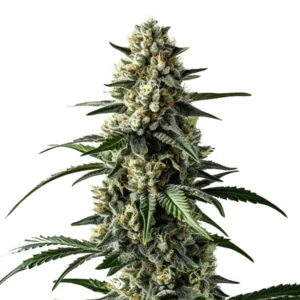
Blue Dream

|
THC | 17% - 24% (High) |

|
Type | Feminized |

|
Yield | High |

|
Phenotype | 50% Indica / 50% Sativa |

Pineapple Express
|
|
THC | 18% - 22% (Medium) |
|
|
Type | Feminized |
|
|
Yield | High |
|
|
Phenotype | 40% Indica / 60% Sativa |
For cannabis growers, using microbial strategies for heavy metal removal in soil offers a safer and healthier growing environment. Blimburn Seeds offers strains like Pineapple Express, which thrive in clean, detoxified soil, ensuring robust growth and bountiful yields.
Microbial Remediation Techniques
The use of microbes in soil detoxification is gaining popularity. Bacteria and fungi are the primary agents in this method. They can transform heavy metals into less toxic forms or immobilize them, preventing absorption by plants.
These microbial remediation techniques for heavy metal soil contamination can be categorized into bioaccumulation and biotransformation. Bioaccumulation involves microbes absorbing heavy metals, and biotransformation changes metals into safer compounds.
Besides to bioaccumulation and biotransformation, another effective approach is bioleaching, where microbes solubilize heavy metals, making them easier to remove from the soil. This technique can be particularly useful in severely contaminated sites where other methods may fall short.
Moreover, the integration of multiple microbial strategies can enhance the overall efficiency of heavy metal removal. By combining different microbial species that work synergistically, growers can achieve a more comprehensive detoxification, allowing for a cleaner and more fertile growing medium.
Benefits of Microbial Remediation
There are many benefits of microbial remediation in heavy metal contaminated soil. First, it improves soil health naturally. By using microbes, soil retains its fertility without needing harsh chemicals. This is crucial for cannabis plants, which are sensitive to soil quality.
Microbial remediation also offers a sustainable solution. It reduces the need for mechanical soil treatments, which can disrupt the soil’s natural structure. This approach can lead to healthier plant growth and better yields from your cannabis strains, such as the Blue Dream from Blimburn Seeds.
Additionally, microbial remediation enhances soil structure by increasing organic matter content, which in turn improves water retention and aeration. These factors are vital for the healthy root development of cannabis plants, ensuring they can access nutrients efficiently.
Another key benefit is the reduction of greenhouse gas emissions. Traditional remediation methods often involve excavation and transport, contributing to carbon emissions. In contrast, microbial remediation is an on-site process, minimizing environmental impact while enhancing soil health through microbial heavy metal remediation.
Practical Application in Cannabis Cultivation
For cannabis growers, enhancing soil health through microbial heavy metal remediation is a matter of yield and quality. When soil is free from heavy metals, plants like Sour Diesel from Blimburn Seeds can grow stronger and healthier.
In practice, growers can introduce specific microbes to their soil. This can be done through composting or using microbial-rich amendments. Over time, these microbes will work to detoxify the soil, allowing your cannabis plants to absorb only the nutrients they need.
Implementing microbial remediation for heavy metal contaminated soil in cannabis cultivation also involves monitoring microbial activity and soil conditions regularly. This ensures that the microbes remain active and effective in detoxifying the soil, providing a consistent and safe growing environment.
Furthermore, collaborating with soil scientists or agricultural experts can provide valuable insights and tailored solutions for specific soil challenges. By knowing the microbial dynamics in their fields, growers can fine-tune their approaches for optimal heavy metal soil detoxification using microbes.
Promos & Deals



Choosing the Right Cannabis Strains
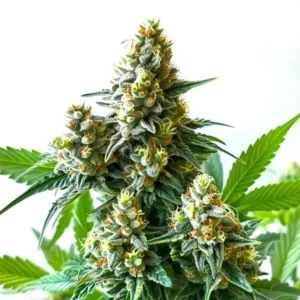
Selecting the right cannabis strains to grow in remediated soil is crucial. Different strains have varying needs and tolerances. For instance, Pineapple Express is known for its resilience and can thrive in detoxified soil conditions.
Another excellent choice is Blue Dream, which benefits from the improved soil structure and nutrient availability offered by microbial remediation. These strains from Blimburn Seeds are not only high-yielding but also produce potent and flavorful buds.
Knowing the specific growth characteristics and nutrient requirements of each strain can help maximize the benefits of microbial remediation. By matching the right strain to the enhanced soil conditions, growers can achieve optimal growth and potency in their cannabis plants.
Moreover, experimenting with different strains in remediated soil can provide insights into their adaptability and performance. This experimentation can lead to discovering new favorite strains that flourish in healthier soil, offering a diverse and robust harvest.

FAQs about microbial remediation for heavy metal contaminated soil
What is microbial remediation for heavy metal contaminated soil?
Microbial remediation for heavy metal contaminated soil involves using microorganisms to clean and detoxify soil. These organisms can absorb or transform heavy metals, making the soil safer for plant growth. This natural method is gaining traction for its effectiveness and sustainability.
It’s an eco-friendly alternative to chemical treatments, providing a healthier growing environment for crops like cannabis. By using microbial strategies, growers can enhance soil health and improve the quality of their yields.
As awareness of environmental impacts grows, more cultivators are turning to microbial remediation techniques for heavy metal soil contamination. This shift not only supports sustainable practices but also aligns with consumer demand for organic and environmentally friendly products.
Microbial remediation also encourages biodiversity in the soil ecosystem. The introduction of beneficial microbes can support a balanced and resilient soil microbiome, further enhancing plant health and productivity.
How do microbes help in heavy metal soil detoxification?
Microbes assist in heavy metal soil detoxification by either absorbing the metals or altering them into less harmful forms. This process can involve bacteria, fungi, or a combination of both, depending on the specific soil and contamination levels.
For cannabis cultivators, this means creating a cleaner and more nutrient-rich environment for their plants. This method supports the growth of robust strains, ensuring healthier plants and higher yields.
Microbial remediation for heavy metal contaminated soil leverages the natural metabolic processes of microbes. Through these processes, heavy metals are either immobilized or transformed, reducing their bioavailability and potential toxicity to plants.
The adaptability of microbes to different environmental conditions makes them invaluable in various soil types. By selecting the right microbial consortia, growers can target specific contaminants effectively, tailoring the remediation approach to their unique soil challenges.
Why is microbial remediation preferred over chemical methods?
Microbial remediation is often preferred over chemical methods due to its natural and sustainable properties. Unlike chemicals, which can leave residues and alter soil composition, microbes work harmoniously with the soil’s ecosystem.
This approach is particularly beneficial for cannabis growers who prioritize organic and clean cultivation practices. By using microbial remediation, they can ensure their crops are free from chemical contaminants and safe for consumption.
Additionally, the long-term benefits of microbial remediation include improved soil fertility and resilience. Without the adverse effects associated with chemical treatments, soil can sustain healthy plant growth over successive cultivation cycles.
For growers committed to eco-friendly practices, microbial remediation techniques for heavy metal soil contamination offer a practical and ethical choice. This method aligns with sustainable agriculture goals, promoting environmental stewardship and crop safety.
Can microbial remediation techniques be used for all types of soil?
While microbial remediation techniques are versatile, their effectiveness can vary depending on the soil type and contamination level. It’s essential to assess the specific needs of the soil and choose appropriate microbial solutions.
For cannabis cultivation, this means testing the soil and selecting microbes that will best address its unique challenges. With the right approach, most soils can benefit from microbial remediation, leading to healthier crops.
In some cases, combining microbial remediation with other soil improvement practices, such as organic amendments or tillage, can enhance overall effectiveness. This integrative approach allows for the remediation of even the most challenging soil conditions.
Ongoing research into microbial ecology continues to expand the potential applications of microbial remediation across different soil types. As our knowing of these interactions grows, so does the ability to tailor solutions to specific agricultural needs.
What are some challenges of using microbial remediation in soil?
One challenge of using microbial remediation in soil is ensuring the right conditions for microbes to thrive. This might require adjusting soil pH, moisture levels, and nutrient balance to support microbial activity.
Growers must also be patient, as microbial remediation can take time to show results. However, with proper management and monitoring, this method can significantly improve soil health and support sustainable cannabis cultivation.
Another challenge is the initial identification and selection of the appropriate microbial strains. This can require expertise and resources to ensure that the chosen microbes are effective against the specific heavy metals present in the soil.
Despite these challenges, the potential rewards of enhanced soil health and crop quality make microbial remediation for heavy metal contaminated soil a worthwhile investment. Through education and collaboration, growers can overcome these obstacles and achieve successful outcomes.