Essential Guide: Trichoderma and Heavy Metal Interactions in Soil-Grown Cannabis

Trichoderma fungi are popular among cannabis growers for their beneficial effects on plant health. These microscopic allies play a crucial role in enhancing soil fertility and protecting plants from pathogens. Beyond these advantages, trichoderma and heavy metal interactions in soil-grown cannabis have become an increasingly important topic for cultivators seeking cleaner and safer harvests. Knowing how these fungi interact with heavy metals can help both novice and experienced growers cultivate healthier, more resilient plants while improving overall soil quality.
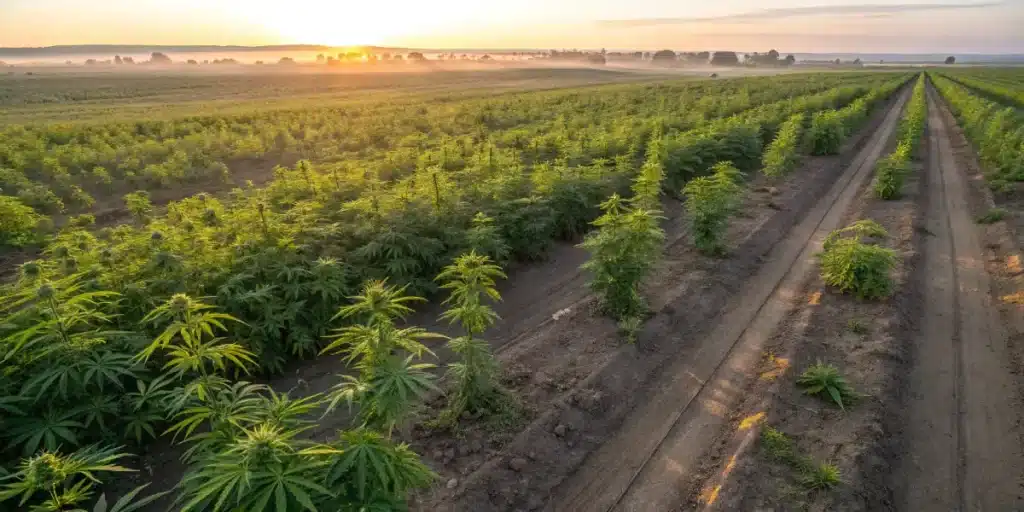
Heavy metals in soil can pose significant challenges for cannabis cultivation. They may originate from fertilizers, pesticides, or industrial pollution, potentially harming plant growth and quality. However, incorporating Trichoderma into your soil can be a game-changer. This fungus helps mitigate the impact of heavy metals, enabling your cannabis plants to thrive even in challenging soil conditions.
Recommended Strains
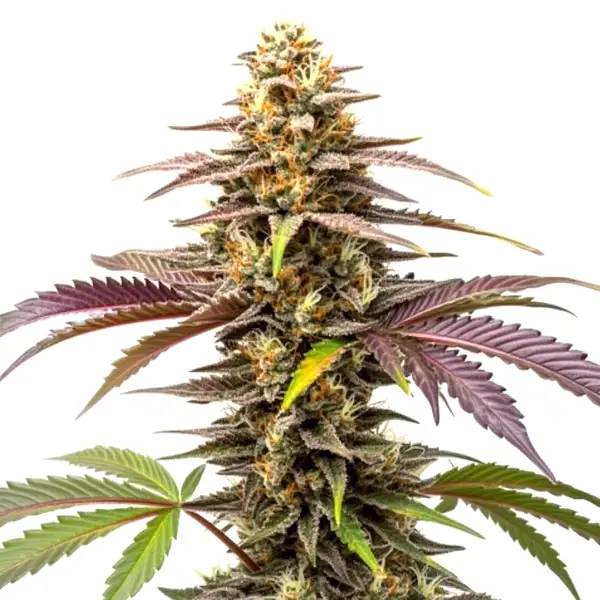
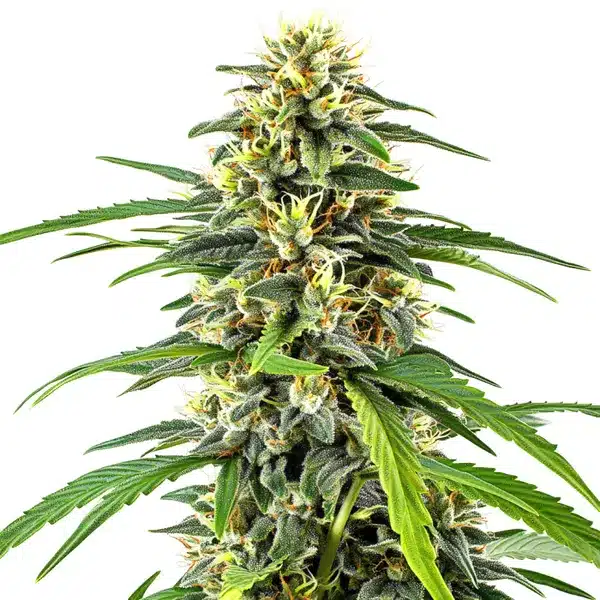
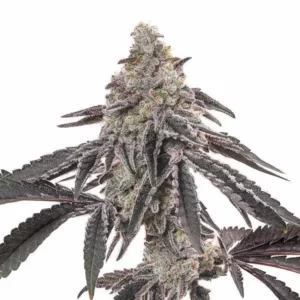
Z OG

|
THC | 16% - 20% (Medium) |

|
Type | Feminized |

|
Yield | High |

|
Phenotype | 75% Indica / 25% Sativa |
Amnesia Haze
|
|
THC | 18% - 22% (Medium) |
|
|
Type | Feminized |
|
|
Yield | High |
|
|
Phenotype | 30% Indica / 70% Sativa |
For those growing popular strains like Bruce Banner 2.0 from Blimburn Seeds, knowing the complex dynamics between Trichoderma and heavy metals can lead to healthier, more robust plants. With Trichoderma, you can boost your soil’s resilience, allowing your plants to reach their full potential.
How Trichoderma Impacts Heavy Metals in Cannabis Soil
Trichoderma fungi act as natural bio-remediators in the soil, playing a crucial role in trichoderma and heavy metal interactions in soil-grown cannabis. They possess an incredible ability to degrade and transform heavy metals, reducing their toxicity. This makes them invaluable in cannabis cultivation, where soil quality is paramount. By breaking down these metals, Trichoderma ensures that your cannabis plants are less likely to absorb harmful substances.
Trichoderma works by secreting enzymes and acids that bind with heavy metals, making them less available for plant uptake. This interaction significantly lowers the risk of metal toxicity in your cannabis plants, promoting healthier growth. Whether growing GG4 or other strains from Blimburn Seeds, integrating Trichoderma into your soil can lead to more robust plants with fewer heavy metal issues.
The effectiveness of Trichoderma in heavy metal remediation is linked to its adaptive nature and ability to thrive in diverse soil conditions. By colonizing the root zone, it creates a protective barrier that optimizes nutrient uptake while minimizing heavy metal absorption. This dual functionality is essential for growers looking to enhance the resilience of their cannabis plants against environmental stressors.
Moreover, the application of Trichoderma can lead to long-term improvements in soil health. Over time, the fungal networks established by Trichoderma contribute to a more balanced soil microbiome, which can further amplify its benefits in heavy metal reduction. This holistic approach allows cannabis cultivators to sustainably manage their soil resources, ensuring productive yields and healthy plants.
Heavy Metal Uptake in Cannabis with Trichoderma
Cannabis plants, much like other crops, absorb nutrients and elements from the soil. Unfortunately, this includes heavy metals if they are present. Trichoderma helps by altering the soil chemistry around the roots, effectively limiting the amount of heavy metal uptake. This process is crucial for growers aiming to produce cannabis that is both potent and safe for consumption.
For example, in heavy metal-contaminated soils, cannabis strains such as Z OG from Blimburn Seeds could be at risk of absorbing harmful levels of metals. However, with Trichoderma, the interactions between the fungus and metals can reduce this risk by binding metals in forms that are less absorbable by the plant roots.
Trichoderma’s impact on heavy metals in cannabis soil is not only evident in reduced uptake but also in the overall vigor of the plants. By enhancing root architecture and soil structure, Trichoderma ensures that essential nutrients are more readily available, leading to improved growth and resilience. This is particularly beneficial for growers looking to maximize the genetic potential of their crops.
Besides, the presence of Trichoderma can enhance the plant’s ability to withstand environmental stressors beyond heavy metals. Research into trichoderma and heavy metal interactions in soil-grown cannabis highlights its role in improving resilience and nutrient uptake under challenging conditions. This includes improved resistance to drought and diseases, making it a versatile tool for cannabis growers facing a variety of soil challenges. The integration of Trichoderma into cultivation practices can therefore contribute to a more sustainable and productive growing environment.
Promos & Deals
Trichoderma and Cannabis Soil Heavy Metal Remediation
Heavy metal remediation is a critical aspect of sustainable cannabis cultivation. Trichoderma fungi are at the forefront of this process, providing an eco-friendly solution to soil contamination. By breaking down heavy metals, Trichoderma not only improves soil health but also enhances the overall quality of your cannabis.
Implementing Trichoderma soil amendments can lead to significant reductions in heavy metal concentrations. This is particularly beneficial for growers using strains like Strawberry Banana from Blimburn Seeds, where maintaining soil purity is essential for flavor and potency. By reducing heavy metal levels, Trichoderma ensures that your plants can express their genetic potential without interference from soil contaminants.
The function of Trichoderma in cannabis soil heavy metal remediation extends beyond immediate detoxification. It fosters a more resilient soil ecosystem by promoting beneficial microbial activity. This activity contributes to the natural breakdown and immobilization of heavy metals, ensuring that their presence in the soil does not compromise plant health over time.
Furthermore, the use of Trichoderma aligns with the growing demand for sustainable agricultural practices. By opting for this biological solution, cannabis cultivators can reduce reliance on chemical inputs, promoting a healthier environment and producing cleaner, safer cannabis products. This holistic approach to cultivation is increasingly important in the cannabis industry, which values both quality and sustainability.
Interactions Between Trichoderma and Heavy Metals in Cannabis Cultivation
The interactions between Trichoderma and heavy metals in cannabis cultivation are complex but highly effective. The fungi thrive in diverse soil environments, forming symbiotic relationships with plant roots. These interactions help stabilize the soil ecosystem, making it more resilient against heavy metal stress.
Trichoderma not only helps in reducing heavy metal uptake but also improves nutrient availability. This dual action makes it an essential component of any soil amendment strategy aimed at enhancing cannabis yields. By improving nutrient cycling, Trichoderma supports healthier plant growth and better yields, regardless of soil quality.
The symbiotic relationship between Trichoderma and cannabis plants is a cornerstone of effective cultivation strategies. By supporting root health and soil balance, Trichoderma enhances the plant’s natural defenses against heavy metals and other soil-borne stressors. This interaction is particularly valuable in organic growing systems, where maintaining soil integrity is crucial.
For cultivators interested in optimizing their soil management practices, knowing the interactions between Trichoderma and heavy metals in cannabis cultivation is essential. This knowledge allows growers to implement targeted interventions that improve both plant health and yield. As a result, Trichoderma becomes a pivotal element in the pursuit of high-quality, sustainable cannabis production.
Trichoderma Soil Amendments for Heavy Metal Reduction in Cannabis
Using Trichoderma soil amendments is an effective strategy for reducing heavy metal content in cannabis cultivation. These amendments can be applied directly to the soil or through pre-treated compost. They work by establishing beneficial fungal networks that enhance soil quality and plant health.
For instance, growers of popular strains like Amnesia Haze from Blimburn Seeds can benefit from reduced heavy metal levels through the use of Trichoderma. The fungus creates a more balanced soil environment, which supports more vigorous plant growth. This is particularly important in areas where soil contamination could otherwise limit the effectiveness of traditional growing methods.
Trichoderma soil amendments offer a practical solution for growers facing heavy metal contamination. By integrating these amendments into their cultivation practices, growers can effectively manage soil health without resorting to harsh chemical treatments. This approach not only safeguards plant health but also enhances the overall sustainability of the growing operation.
Moreover, the use of Trichoderma aligns with industry trends towards eco-friendly cultivation techniques. As consumers become more conscious of the environmental impact of their products, the demand for sustainably grown cannabis is on the rise. Incorporating Trichoderma into soil management strategies supports this movement, providing a cleaner, greener path to cannabis cultivation.
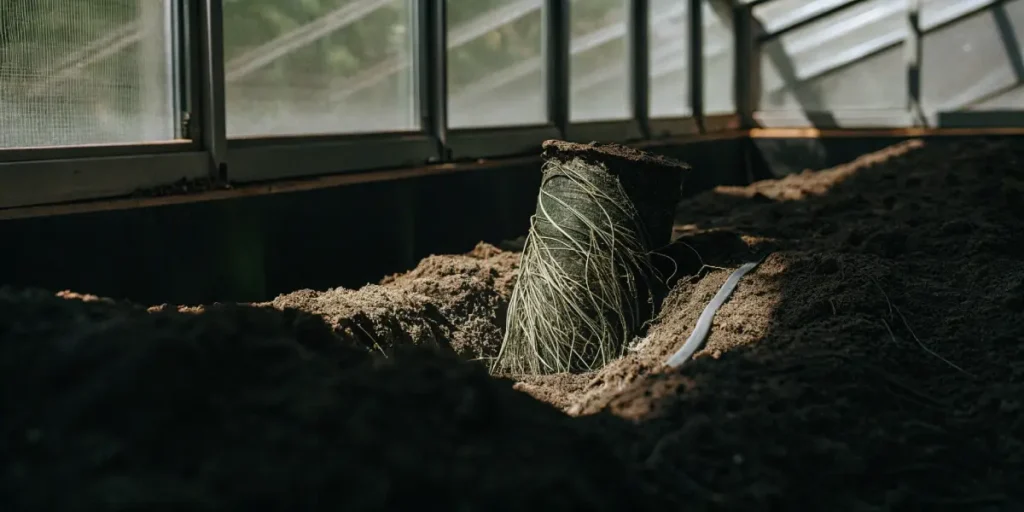
FAQs about Trichoderma and heavy metal interactions in soil-grown cannabis
What are the benefits of using Trichoderma in cannabis soil?
Trichoderma fungi provide multiple benefits when used in cannabis soil. They enhance soil fertility by breaking down organic matter and improving nutrient availability. This leads to better plant growth and increased resistance to diseases. Trichoderma also reduces the uptake of harmful heavy metals, which can compromise plant health and yield quality.
Growers using strains like Sour Diesel from Blimburn Seeds will find that Trichoderma helps maintain a healthier root system. This is crucial for maximizing plant potential and ensuring high-quality harvests. Overall, Trichoderma acts as a natural ally in promoting a thriving cannabis garden.
Another key benefit of Trichoderma is its ability to improve soil structure, facilitating better water retention and aeration. This enhances root penetration and overall plant vigor, which is especially beneficial in suboptimal soil conditions. By improving the root zone environment, Trichoderma supports enhanced nutrient uptake and plant resilience.
Besides to its soil-enhancing properties, Trichoderma contributes to a more balanced soil microbiome. This biological diversity helps suppress harmful pathogens, reducing the need for chemical interventions and promoting a healthier growing environment. These cumulative benefits make Trichoderma an indispensable tool for any cannabis grower focused on quality and sustainability.
How does Trichoderma affect heavy metal uptake in cannabis plants?
Trichoderma affects heavy metal uptake by altering soil chemistry and structure. It secretes compounds that bind with heavy metals, reducing their availability to plant roots. This process prevents cannabis plants from absorbing toxic levels of metals, which can hinder growth and reduce yield quality.
For example, in soils with high metal concentrations, using Trichoderma can significantly lower metal absorption in strains like OG Kush from Blimburn Seeds. This ensures that your plants maintain a high level of quality and safety for consumption.
The reduction in heavy metal uptake due to Trichoderma results in healthier plants that are more capable of reaching their full genetic potential. By minimizing the stress associated with heavy metal toxicity, plants can focus their energy on growth and production, leading to more robust yields.
This protective effect is particularly valuable in regions where soil contamination is prevalent. By incorporating Trichoderma, growers can effectively manage the risks associated with heavy metal exposure, ensuring that their cannabis products meet the highest standards of safety and quality.
Can Trichoderma completely eliminate heavy metals from soil?
While Trichoderma is highly effective in reducing heavy metal availability, it may not completely eliminate these metals from the soil. It acts more as a mitigator, transforming metals into less harmful forms and reducing their uptake by plants. This makes it an invaluable tool for improving soil conditions and plant health.
For cannabis growers, this means that while Trichoderma can significantly decrease heavy metal risks, additional soil management practices may still be necessary. These could include regular soil testing and using complementary soil amendments to maintain optimal growing conditions.
It’s important to view Trichoderma as part of an integrated soil management strategy. While it plays a crucial role in mitigating heavy metal toxicity, other practices such as crop rotation, organic matter addition, and proper irrigation management should also be employed to further enhance soil health and productivity.
Ultimately, the effectiveness of Trichoderma in heavy metal remediation underscores the potential for biological solutions in modern agriculture. By leveraging these natural allies, growers can achieve a more sustainable and efficient cultivation process, aligning with both environmental and consumer expectations.
How do I apply Trichoderma to my cannabis soil?
Trichoderma can be applied in several ways, depending on your growing setup. For soil-grown cannabis, it is often mixed with the soil or added as a top dressing. It can also be integrated into compost or used as a liquid drench to inoculate the soil around the plant roots.
When growing strains like Critical Mass from Blimburn Seeds, applying Trichoderma early in the planting process ensures that the beneficial fungi establish quickly. This leads to improved plant health and better yields as the growing season progresses.
For best results, growers should consider multiple application methods to ensure comprehensive coverage and maximum fungal activity. For instance, incorporating Trichoderma into seedling mixes or using it during transplanting can provide plants with a head start in establishing a healthy root system.
Regular reapplication may also be beneficial, especially in intensive cultivation systems where soil disturbance is frequent. By maintaining an active presence of Trichoderma, growers can continuously benefit from its soil-enhancing and protective properties, ensuring consistent plant performance throughout the growth cycle.
Are there any specific cannabis strains that benefit most from Trichoderma?
While all cannabis strains can benefit from Trichoderma, those grown in challenging soil conditions will see the most significant improvements. Strains known for their robustness, such as Girl Scout Cookies from Blimburn Seeds, will thrive even more with the added soil health benefits of Trichoderma.
Ultimately, the use of Trichoderma is advantageous for any cannabis cultivar. Its ability to improve soil conditions, enhance nutrient uptake, and reduce heavy metal absorption makes it a versatile and valuable addition to any cannabis growing strategy.
In particular, strains that are sensitive to heavy metals or require high nutrient availability can experience marked improvements in growth and yield with the use of Trichoderma. By optimizing soil conditions, these strains can achieve their full genetic potential, resulting in superior quality and potency.
Additionally, cultivators exploring new or experimental strains may find that Trichoderma provides a safety net against unforeseen soil challenges. By promoting a healthier root environment and reducing stress factors, Trichoderma supports successful trials and innovations in cannabis breeding and cultivation.