Proven Ways: Can You Grow Safe Cannabis in Contaminated Soil?

Can you grow safe cannabis in contaminated soil? This question often arises among both novice and experienced cannabis cultivators. The short answer is yes, but it requires careful planning and strategies to ensure safety. Soil contamination can come from various sources like industrial waste, pesticides, or heavy metals. Each has its own challenges and solutions.
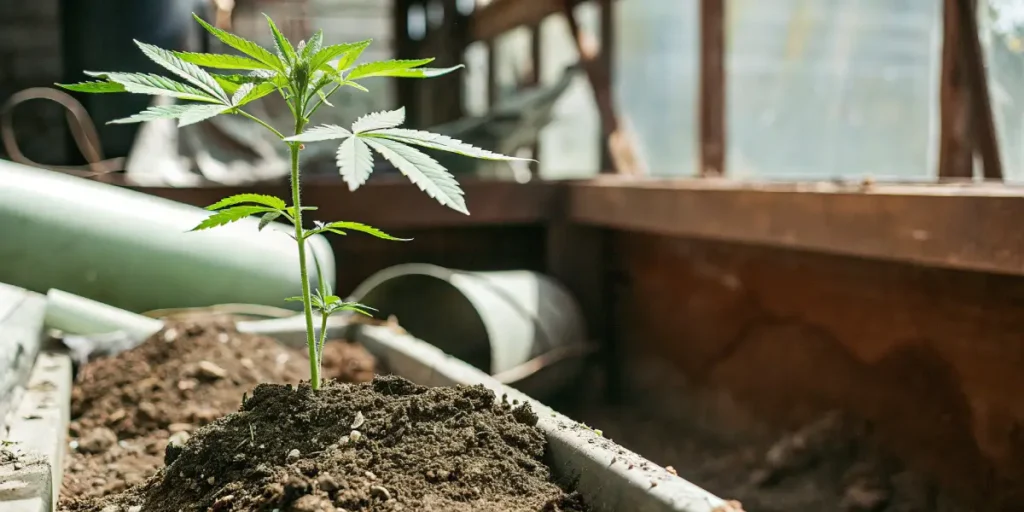
To grow cannabis safely on polluted land, you must first assess the level of contamination. Testing the soil is a crucial first step. Once you know what you’re dealing with, you can explore methods for growing cannabis in toxic soil that minimize risk. Solutions range from soil amendments to selecting the right cannabis strains.
Recommended Strains
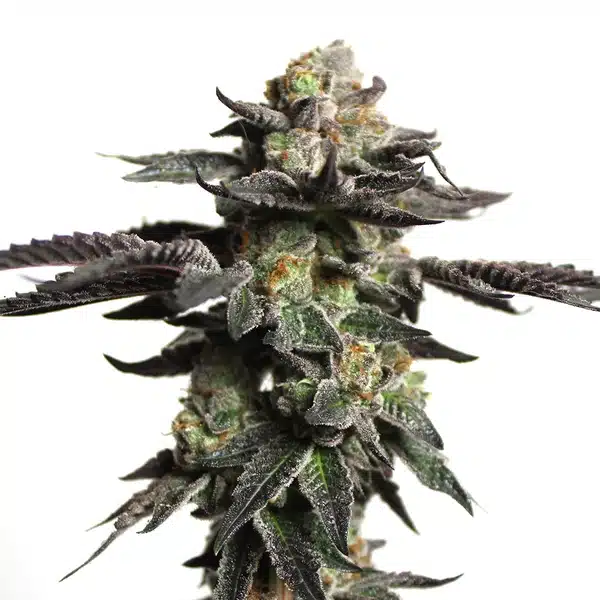
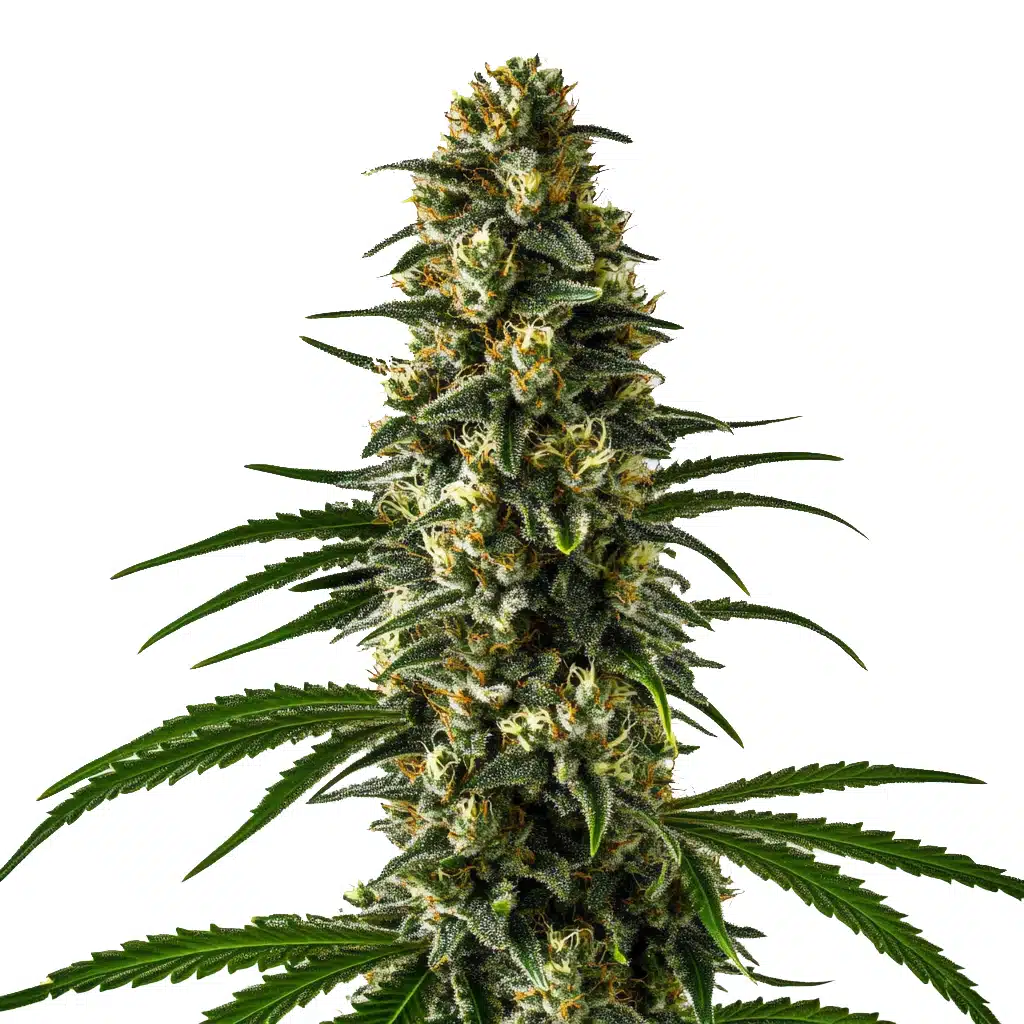
Zombie Death Fuck

|
THC | 23% (Medium) |

|
Type | Feminized |

|
Yield | Medium |

|
Phenotype | 50% Indica / 50% Sativa |
Girl Scout Cookies
|
|
THC | 18% - 25% (High) |
|
|
Type | Feminized |
|
|
Yield | High |
|
|
Phenotype | 60% Indica / 40% Sativa |
For example, Blimburn Seeds offers strains that are resilient to various environmental stresses. Strains like GG4, Zombie Death Fuck, and Girl Scout Cookies are excellent choices for challenging conditions. These strains can help ensure safe cannabis cultivation in contaminated environments, yielding healthy and potent plants.
Assessing Soil Contamination
Before planting your cannabis, it’s vital to know what’s in your soil especially if you’re wondering can you grow safe cannabis in contaminated soil. Soil testing kits are available online and at garden centers, making it easy to assess potential risks. These kits help identify harmful chemicals, heavy metals, and other pollutants present in the soil. Accurate identification of contaminants is the first and most crucial step toward growing safe cannabis on polluted land.
Once you have the results, you can tailor your approach to growing cannabis in polluted soil safely. If heavy metals like lead or cadmium are present, you may need to employ specific techniques to mitigate their effects. For instance, adding organic matter can sometimes bind contaminants, making them less available to plants.
Knowing the specific contaminants in your soil also allows for a more targeted approach. For example, certain soil amendments are more effective against particular pollutants. This precision helps in creating a safer environment for your cannabis plants. An accurate assessment ensures that subsequent steps are both effective and efficient in addressing soil issues.
Additionally, regular monitoring of soil conditions is important. Over time, the levels of pollutants may change, either increasing or decreasing. Keeping track of these changes will help you adjust your cultivation practices as needed. This ongoing assessment is part of a comprehensive strategy for ensuring safe cannabis in contaminated environments.
Promos & Deals

Methods to Mitigate Soil Contaminants
There are several methods to ensure safe cannabis in contaminated environments. One popular technique is phytoremediation, which uses plants to clean up soil pollutants. While not a fast solution, it can significantly improve soil quality over time. Selecting cannabis strains that naturally possess phytoremediation properties can be an advantage.
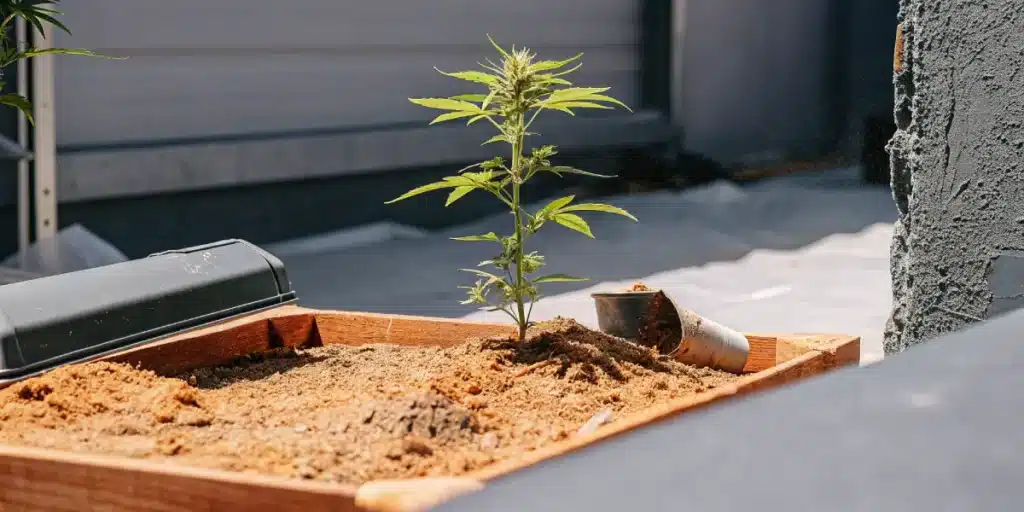
Another approach involves using raised beds or containers. This method allows you to control the soil environment completely. By importing clean soil and using raised beds, you effectively bypass the contaminated ground. This technique is often used in urban farming, where soil contamination is a common issue.
Soil amendments are another effective method. Adding organic matter such as compost or biochar can improve soil structure and reduce pollutant bioavailability. These amendments can be mixed into the soil, providing a medium that supports healthy plant growth while minimizing risks associated with contaminated soil.
Integrating a combination of these methods often yields the best results. For example, using raised beds while simultaneously applying phytoremediation techniques can enhance soil recovery. This multi-faceted approach ensures that each technique complements the others, creating a robust strategy for how to grow cannabis in polluted soil safely.
Incorporating innovative technologies, such as soil sensors, can further optimize your methods for growing cannabis in toxic soil. These devices provide real-time data on soil conditions, allowing for timely interventions. By staying informed, you can make proactive decisions that enhance the safety and success of your cannabis cultivation efforts.
Choosing the Right Cannabis Strains
Your choice of cannabis strain can also impact how well your plants grow in contaminated soils. Blimburn Seeds offers a variety of strains that are suitable for challenging conditions. For instance, GG4 is known for its resilience and potency, making it a popular choice among growers facing tough environments.
Another great option is the Zombie Death Fuck strain, which is not only resilient but also yields high-quality buds. This strain can thrive in less-than-perfect soil conditions, making it ideal for growers looking to cultivate cannabis in polluted soil safely.
Girl Scout Cookies is another top choice, offering a balance between quality and resilience. This strain is well-regarded for its ability to perform in various environments, including those with some soil contamination. These strains ensure that even in less-than-ideal conditions, you can grow cannabis that is both safe and effective.
When selecting strains, consider the specific challenges posed by your contaminated soil. If you’re wondering can you grow safe cannabis in contaminated soil, the answer largely depends on choosing the right genetics. Some strains may offer better resistance to certain pollutants, while others excel in nutrient-poor conditions. Tailoring your choice of strain to the specific conditions of your soil can significantly impact your success in cannabis cultivation in contaminated soil.
Additionally, consulting with experts or local growers who have experience with similar conditions can provide valuable insights. Their firsthand knowledge can guide your selection of strains and help you understand the nuances of safe cannabis farming on polluted land. This collaborative approach enhances your chances of a successful harvest.
Practical Tips for Safe Cannabis Cultivation
Knowing how to grow cannabis in polluted soil safely is key to successful cultivation. Regular soil testing can help monitor changes and improvements. This ongoing assessment will guide you in knowing when further interventions are needed. A vigilant approach ensures a healthier crop.
Implement a crop rotation strategy. This involves alternating cannabis with other plants that can help improve the soil. Certain cover crops are known to enhance soil health and can be integrated into your growing cycle. This method benefits your cannabis plants by maintaining a balanced ecosystem.
Consider implementing a water management plan. Contaminated water can exacerbate soil issues. Use filtered water systems to irrigate your plants. This reduces the risk of adding more pollutants to your soil and ensures your cannabis plants receive clean, safe hydration.
Another practical tip is to create a buffer zone around your growing area. This involves planting other vegetation around your cannabis to absorb potential airborne contaminants. This additional layer of protection can be essential, especially in industrial or urban settings where pollution levels can be high.
Lastly, engaging in regular education and staying updated with the latest research can empower you to make informed decisions about can you grow safe cannabis in contaminated soil. Advances in agricultural science often introduce new techniques and tools that can enhance cannabis cultivation in contaminated soil tips. Remaining open to learning ensures that your methods evolve with the best practices in the industry.
FAQs about can you grow safe cannabis in contaminated soil
What is the best way to test soil contamination?
Testing your soil is crucial, and there are several methods to do so. Home testing kits are widely available and can provide a general idea of your soil’s condition. For more detailed analysis, professional laboratory tests are recommended. These tests can identify specific contaminants, including heavy metals and pesticides.
Professional tests offer more comprehensive results, guiding you on how to proceed with safe cannabis farming on polluted land. Armed with this information, you can choose the right amendments or decide if raised beds or containers are necessary.
While home kits are convenient, the depth of analysis they offer is limited. For a more thorough knowing of your soil’s condition, professional lab tests are invaluable. These tests not only reveal the type and quantity of contaminants but also provide insights into potential remediation strategies.
Additionally, periodic testing is recommended to monitor the effectiveness of your interventions. Over time, the levels of contaminants may fluctuate, requiring adjustments in your cultivation strategy. Regular testing forms the backbone of a proactive approach to ensuring safe cannabis in contaminated environments.
Can raised beds completely eliminate risks from contaminated soil?
Raised beds are an excellent method for minimizing risks associated with contaminated soil. By using clean, imported soil, you effectively isolate your cannabis plants from the existing ground contaminants. This approach is especially useful in urban settings where soil pollution is prevalent.
However, raised beds do not address the contamination of surrounding areas. It’s important to monitor water sources and ensure that no additional pollutants are introduced. With careful management, raised beds can be a highly effective solution for growing cannabis in toxic soil environments.
While raised beds offer a significant level of control over soil conditions, they require careful planning and maintenance. Ensuring that the imported soil remains uncontaminated is crucial. Regular checks and maintenance can prevent the introduction of pollutants from external sources.
Furthermore, the design of the raised beds can influence their effectiveness. Proper drainage and the use of non-toxic materials are essential to maintaining a healthy growing environment. By considering these factors, you can optimize the benefits of raised beds in your cultivation efforts.
How can amendments like compost help in cannabis cultivation?
Compost and other organic amendments can significantly improve soil health. By adding organic matter, you enhance soil structure, increase nutrient availability, and reduce contaminant bioavailability. Compost binds certain pollutants, making them less accessible to plant roots.
This method is beneficial for ensuring safe cannabis cultivation in contaminated environments. It enriches the soil, supports beneficial microorganisms, and provides nutrients that promote healthy plant growth. Regular application of compost can lead to long-term improvements in soil quality.
The use of compost also contributes to the sustainability of your cultivation practices. By recycling organic waste into valuable soil amendments, you reduce your environmental footprint. This practice aligns with broader goals of sustainable agriculture and responsible resource management.
Incorporating compost into your soil management plan can also enhance the resilience of your plants. Healthier soil supports stronger root systems, enabling plants to better withstand environmental stressors. This resilience is particularly valuable in challenging growing conditions, such as those found in contaminated soils.
Are there any cannabis strains specifically bred for polluted soils?
While there aren’t strains specifically bred for polluted soils, many strains exhibit resilience to adverse conditions. Blimburn Seeds offers several strains like GG4, Zombie Death Fuck, and Girl Scout Cookies that are known for their adaptability and robustness.
These strains can thrive in less-than-ideal conditions, making them suitable for growers working with contaminated soils. Selecting the right strain is crucial for success, as certain genetics are naturally better suited to handle environmental stressors.
Besides to the strains offered by Blimburn Seeds, exploring local seed banks may reveal other resilient varieties. Local strains often have adaptations that enable them to thrive in specific regional conditions, including those with existing soil pollutants.
Collaborating with other growers and participating in cannabis cultivation forums can provide additional insights into effective strains for your specific conditions. Sharing experiences and knowledge fosters a community approach to solving the challenges of growing in contaminated environments.
What role does water quality play in growing cannabis in contaminated soil?
Water quality is a critical factor when growing cannabis in contaminated soil. Polluted water can introduce additional contaminants, compounding existing soil issues. It’s vital to use clean, filtered water to ensure safe cannabis farming on polluted land.
Controlling water quality helps maintain a stable growing environment. It prevents the buildup of harmful substances and supports the overall health of your plants. Regularly testing your water source can prevent potential issues and ensure a successful harvest.
Besides to filtering, consider the source of your water. Rainwater collection systems can provide a natural, uncontaminated water source. By utilizing rainwater, you reduce your dependency on external water supplies that may be compromised.
Moreover, implementing an efficient irrigation system reduces water waste and ensures that your plants receive consistent hydration. Drip irrigation systems are particularly effective, minimizing water exposure and reducing the risk of spreading soil contaminants.