Proven Insights: Can Overwatering Cause Leaf Chlorosis in Weed?

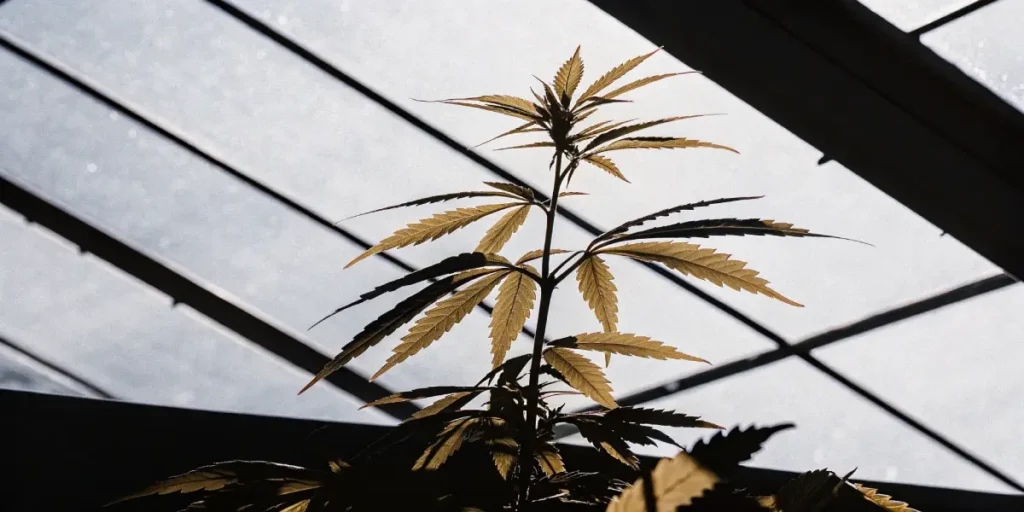
Many cannabis growers find themselves asking, “Can overwatering cause leaf chlorosis in weed?” The answer, in short, is yes. Overwatering is a common issue that can lead to a range of problems, including leaf chlorosis. This condition manifests as yellowing leaves, indicating that the plant is under stress.
Leaf chlorosis in weed due to excess water happens because the roots are deprived of oxygen. Roots need air to function properly, and when submerged in water, they struggle to absorb essential nutrients. This nutrient deficiency leads to the yellowing of the leaves, a clear signal that the plant is not happy.
Recommended Strains


It’s crucial to recognize the symptoms of overwatering in cannabis plants early on. Not only does it help in saving your current crop, but it also aids in preventing future issues. Identifying these signs can make the difference between a bountiful harvest and a disappointing yield.
Symptoms of Overwatering in Cannabis Plants
When it comes to diagnosing the problem, several telltale signs indicate cannabis plants are receiving too much water. First and foremost, yellowing leaves or leaf chlorosis is a primary symptom. This happens because the plant cannot access the nutrients it needs, despite their presence in the soil.
Another symptom is wilting, which might surprise some. While often associated with lack of water, wilting can occur due to overwatering as well. The roots cannot take in the necessary oxygen, leading to a wilting appearance. The plant may also exhibit slow growth, which is less apparent but equally important.
Besides to these, drooping leaves and a soggy soil surface are common indicators of overwatering and leaf chlorosis in cannabis. If not addressed, these symptoms can progress to more severe issues, such as root rot. Observing the plant’s overall vigor and checking for these signs can help prevent long-term damage.
Being vigilant about these symptoms of overwatering in cannabis plants is essential for maintaining plant health. Regular monitoring and adjusting watering practices can prevent the onset of chlorosis and ensure that your cannabis plants remain vibrant and productive throughout their growth cycle.
Promos & Deals
How Overwatering Causes Chlorosis in Marijuana
Delving into how overwatering causes chlorosis in marijuana, it’s essential to remember that cannabis roots need a balance of water and air. When soil is too wet, it becomes compacted, and air pockets are reduced. This lack of oxygen impairs root function, leading to nutrient deficiencies.
Nutrients like nitrogen, potassium, and magnesium become inaccessible to the plant. Without these vital nutrients, the plant’s photosynthesis process is disrupted. This disruption leads to the yellowing of leaves, or chlorosis, as the plant struggles to perform its basic functions.
knowing how overwatering causes chlorosis in marijuana is crucial for any grower. The excess water essentially suffocates the roots, preventing them from taking up the nutrients they need. This can lead to a cascade of negative effects, ultimately compromising the plant’s ability to thrive.
To mitigate these issues, growers should focus on creating an optimal environment for root health. Ensuring good soil aeration and avoiding waterlogged conditions are key to preventing overwatering-induced chlorosis in cannabis. By fostering healthier root systems, the risk of chlorosis can be significantly reduced.
Preventing Overwatering-Induced Chlorosis in Cannabis
Avoiding this issue begins with proper watering techniques. Make sure your pots have adequate drainage. Excess water should be able to drain away from the roots to prevent them from sitting in waterlogged soil. This simple step can prevent many problems associated with overwatering.
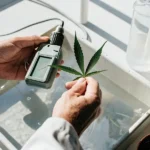
Consider using a moisture meter to gauge soil moisture levels accurately. This tool can help you determine when it’s time to water your plants, removing the guesswork and reducing the risk of overwatering. It’s a small investment that can save your crop.
Besides to these practical tools, adopting a watering schedule based on the plant’s stage of growth can be beneficial. Young plants often require less water than mature plants, and adjusting your practices accordingly can help in preventing overwatering-induced chlorosis in cannabis.
Furthermore, selecting the right growing medium can play a significant role in preventing overwatering. Soils with good drainage properties or using a mix that includes perlite or coconut coir can enhance aeration and support healthy root development. These steps collectively contribute to healthier cannabis plants.
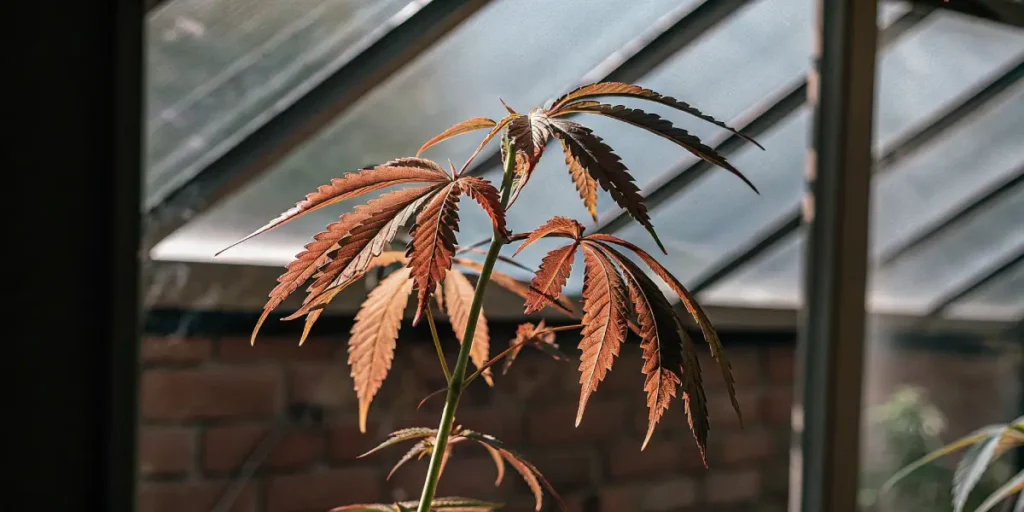
Real-Life Examples of Overwatering Issues
Imagine growing a strain like GG4 by Blimburn Seeds. You’re excited about its potent effects and high yields. However, if you overwater, you might notice its lush green leaves turning yellow. The plant’s growth slows, and soon, you’re facing a diminished harvest.
Another scenario involves the popular OG Kush strain. Known for its robust nature, even this hardy plant can suffer from overwatering. Leaves start to droop and yellow, and unless corrected, the plant’s overall health declines rapidly.
These real-life examples underscore the importance of knowing how overwatering and leaf chlorosis in cannabis are interconnected. Both novice and experienced growers can face these issues if they overlook proper watering techniques, which are vital for maintaining plant health and productivity.
By learning from these scenarios and implementing proactive measures, growers can avoid the pitfalls of overwatering. Whether you’re cultivating indoors or outdoors, maintaining a balance in watering practices is key to achieving a successful harvest and maximizing the potential of your cannabis strains.
FAQs about can overwatering cause leaf chlorosis in weed
What is leaf chlorosis, and how does it affect cannabis plants?
Leaf chlorosis refers to the yellowing of leaves due to a lack of chlorophyll. In cannabis plants, this means the plant is struggling to perform photosynthesis, which is crucial for growth and health. Chlorosis is often a symptom of nutrient deficiencies, which can be caused by overwatering.
When cannabis plants experience chlorosis, it indicates stress. This stress can lead to reduced growth rates, lower yields, and in severe cases, plant death. Addressing the underlying cause, such as overwatering, is essential to restore plant health.
Can overwatering cause leaf chlorosis in weed even in well-drained soils? Yes, if the frequency of watering is too high, even well-drained soils can retain excess moisture, leading to similar issues. Monitoring both soil type and watering habits is crucial for avoiding chlorosis.
Additionally, growers should be aware of other factors that can exacerbate chlorosis, such as inadequate light or poor soil quality. These elements can compound the effects of overwatering, making it essential to maintain a holistic approach to cannabis cultivation.
How can I tell if my cannabis plant is overwatered?
Signs of overwatering include yellowing leaves, wilting, and slow growth. The soil may also remain wet for extended periods, and roots may appear brown and mushy if inspected. Monitoring these signs can help you adjust your watering practices accordingly.
Using a moisture meter can aid in determining soil moisture levels. This tool helps ensure you water your plants only when necessary, preventing the common pitfall of overwatering and the resulting leaf chlorosis in weed.
Observing the plant’s response to environmental changes can also provide clues. For instance, if your plant wilts despite the soil being moist, it’s a strong indicator of overwatering. Adjusting your approach based on these observations can improve plant resilience.
It’s also beneficial to compare the symptoms with those of other common issues, such as nutrient burn or pest infestations. Accurate diagnosis will guide appropriate interventions, ensuring the health and vigor of your cannabis plants are maintained.
Are there specific cannabis strains more resistant to overwatering?
Some strains are more resilient to stressors like overwatering. For example, Blimburn Seeds offers the resilient Blue Dream, which can handle varying conditions better than some other strains. Selecting robust strains can help mitigate the risk of overwatering.
While strain selection can help, proper watering practices are crucial for all cannabis types. Ensuring good drainage and monitoring soil moisture remain key strategies in preventing overwatering-induced chlorosis in cannabis.
Strains such as Northern Lights and White Widow are also known for their adaptability, making them suitable choices for growers concerned about overwatering. These strains have a robust root system that can tolerate occasional fluctuations in moisture levels.
However, reliance solely on strain resilience is not advised. Even the hardiest strains require attentive care and optimal growing conditions to truly thrive. Balancing strain selection with proper cultivation techniques will yield the best results.
Can overwatering cause leaf chlorosis in weed even in outdoor grows?
Yes, overwatering can affect outdoor plants as well. Factors like heavy rainfall or improper irrigation can lead to excess water retention in soil, causing chlorosis. Outdoor growers should consider natural drainage and soil composition to prevent waterlogging.
Incorporating raised beds or containers with good drainage can help manage water levels effectively. Outdoor growers need to be particularly attentive to weather conditions and adjust watering practices accordingly.
Furthermore, analyzing the terrain and selecting appropriate planting sites can mitigate the risk of water accumulation. Areas with natural slopes or well-draining soil are preferable for outdoor cultivation to avoid potential issues related to waterlogging.
Mulching can also support outdoor cannabis plants by regulating moisture levels and enhancing soil structure. This practice, combined with mindful watering, can help maintain optimal growth conditions and prevent overwatering-related chlorosis in outdoor grows.
How can I recover a cannabis plant affected by leaf chlorosis due to overwatering?
Recovery starts by adjusting your watering routine to allow the soil to dry out. Ensure pots have proper drainage and consider repotting if necessary to improve soil aeration. Pruning yellow leaves can also help direct the plant’s energy towards recovery.
After addressing the water issue, consider supplementing with nutrients to correct any deficiencies. Products designed for root health can also support recovery. Patience and careful monitoring will aid in bringing your cannabis plant back to health.
In some cases, using a root stimulant can aid in revitalizing the root system, promoting faster recovery. These products often contain beneficial microbes that enhance nutrient uptake and recovery from stress conditions like overwatering.
Consistent observation and gradual adjustments will be key to recovery. By maintaining an optimal environment and closely monitoring changes, growers can ensure their cannabis plants regain health and return to robust growth, ultimately avoiding future episodes of leaf chlorosis.