Proven Insights: Brix Levels and Nutrient Uptake in Weed Plants

For those stepping into the world of cannabis cultivation, knowing the significance of Brix levels and nutrient uptake in weed plants is crucial. Brix levels, a measure of the sugar content in plant sap, can offer insights into the overall health of your cannabis plants. These levels impact how efficiently a plant absorbs nutrients, influencing its growth and yield.
Many growers might wonder why Brix levels matter. Simply put, higher Brix levels indicate healthier plants that can fend off pests and diseases more effectively. For cannabis enthusiasts, this means robust plants with potent buds. In contrast, low Brix levels often signal nutrient deficiencies, which can hinder growth and reduce yield.
Recommended Strains

OG Kush

|
THC | 20% - 24% (Medium) |

|
Type | Feminized |

|
Yield | Medium |

|
Phenotype | 55% Indica / 45% Sativa |
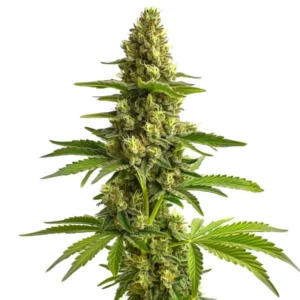
Bruce Banner #3
|
|
THC | 20% - 29% (High) |
|
|
Type | Feminized |
|
|
Yield | Medium |
|
|
Phenotype | 50% Indica / 50% Sativa |
To optimize Brix levels, consider factors like light, water, and nutrient balance. Techniques such as ensuring adequate sunlight, maintaining proper hydration, and using balanced fertilizers play a role in enhancing these levels. By focusing on these aspects, growers can significantly boost cannabis health and productivity.
Measuring Brix Levels in Marijuana Cultivation
Measuring Brix levels in marijuana cultivation is a straightforward process. A refractometer, a handy tool for growers, is used to measure Brix levels. This device gauges the sugar content in plant sap by how much it bends light. The reading you get on the refractometer is your plant’s Brix level.
To measure, simply extract a few drops of sap from a cannabis leaf and place it on the refractometer’s glass. Look through the eyepiece to see the Brix level. Consistent monitoring helps in adjusting cultivation practices to optimize plant health. Regular checks can show whether the plants are absorbing nutrients efficiently.
Knowing how Brix affects weed plant nutrient uptake is crucial for successful cultivation. Regular measurements can reveal trends in plant health and allow for timely interventions. Growers can fine-tune their nutrient schedules, ensuring that plants receive the right elements at the right time, thus enhancing Brix levels and boosting overall plant vitality.
Incorporating a routine for measuring Brix levels in marijuana cultivation can also serve as an early warning system. By identifying fluctuations in Brix levels promptly, growers can address potential issues such as pest infestations or environmental stresses before they become severe. This proactive approach ensures the continuous health and productivity of cannabis plants.
Promos & Deals



Impact of Nutrient Uptake on Brix in Cannabis
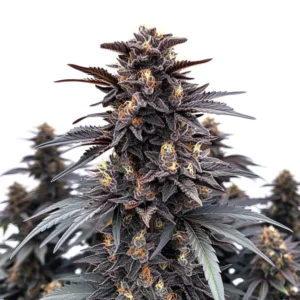
The impact of nutrient uptake on Brix in cannabis cannot be overstated. Nutrient uptake is the process by which plants absorb minerals and water from the soil. This process directly affects the Brix levels in cannabis nutrient absorption. A well-fed plant will typically have higher Brix levels, indicating healthy growth.
A practical example is the Blimburn Seeds strain, Bruce Banner #3. Known for its vigorous growth and high yield, this strain thrives with balanced nutrient uptake. By ensuring optimal Brix levels, growers can achieve the strain’s full potential, resulting in potent buds and abundant harvests.
Optimizing Brix levels for weed plant health involves an knowing of the delicate balance between nutrient absorption and plant growth. Ensuring that plants receive the correct ratios of essential nutrients can lead to higher Brix levels, reflecting better overall health and resilience against environmental challenges.
Furthermore, the impact of nutrient uptake on Brix in cannabis is closely linked to soil quality and composition. Employing soil amendments that enhance nutrient availability and uptake can significantly influence Brix levels, leading to a more robust and productive cannabis crop.
How Brix Affects Weed Plant Nutrient Uptake
When considering how Brix affects weed plant nutrient uptake, the relationship between sugar levels and plant health becomes evident. Higher Brix levels often mean the plant is photosynthesizing efficiently, producing more sugars and absorbing nutrients more effectively. This increased absorption capability promotes robust plant growth.
In practical terms, a grower might notice that a cannabis strain like Gelato, available from Blimburn Seeds, exhibits enhanced growth when Brix levels are high. This strain benefits from optimal nutrient uptake, resulting in flavorful and aromatic buds.
High Brix levels serve as an indicator of efficient photosynthesis, which is central to how Brix affects weed plant nutrient uptake. The sugars produced during this process provide the energy needed for nutrient transport within the plant, facilitating better growth and higher yields.
Conversely, knowing the implications of low Brix levels can guide growers in making necessary adjustments. Whether it’s improving soil conditions, adjusting watering schedules, or enhancing light exposure, addressing these factors can help restore optimal Brix levels and nutrient uptake efficiency.

Optimizing Brix Levels for Weed Plant Health
Optimizing Brix levels for weed plant health involves a strategic approach to cultivation. Start by ensuring your plants receive adequate sunlight. Light is essential for photosynthesis, the process that increases sugar levels in plants. More light typically means higher Brix levels.
Water management is another critical factor. Overwatering or underwatering can affect nutrient uptake and, consequently, Brix levels. Ensure that your cannabis plants have the right moisture balance to facilitate efficient nutrient absorption. Consider strains like OG Kush from Blimburn Seeds, which thrive when these conditions are met.
Balancing the nutrient mix is also key to optimizing Brix levels for weed plant health. Providing the right proportions of nitrogen, phosphorus, and potassium can dramatically influence Brix levels, reflecting healthier and more resilient plants. Tailoring nutrient regimens to specific plant stages ensures that each growth phase receives the appropriate nourishment.
Additionally, environmental controls such as temperature and humidity play a significant role in optimizing Brix levels. Maintaining optimal conditions for cannabis plants supports their metabolic processes, enhancing photosynthesis and nutrient absorption, leading to improved Brix levels and overall plant health.
Practical Tips for Enhancing Brix Levels
For enhancing Brix levels, consistent monitoring and adjustments are key. Use a refractometer regularly to check the Brix levels in your cannabis plants. These readings can guide your cultivation practices, allowing for timely interventions to boost plant health.
Consider the nutrient mix you provide. Balanced fertilizers that cater to the specific needs of cannabis can significantly impact Brix levels. For example, nitrogen is crucial during the vegetative stage, while phosphorus and potassium are vital during flowering.
Incorporating organic matter into the soil can also enhance Brix levels by improving soil structure and nutrient availability. Compost and other organic amendments can increase microbial activity, promoting healthier root systems and better nutrient uptake.
Furthermore, integrating crop rotation and companion planting strategies can improve soil health and contribute to higher Brix levels. These practices can naturally suppress pests and diseases, reduce soil erosion, and enhance nutrient cycling, all of which support robust cannabis growth.

FAQs about Brix Levels and Nutrient Uptake in Weed Plants
What tools do I need to measure Brix levels in weed plants?
To measure Brix levels in weed plants, a refractometer is the primary tool you’ll need. This device measures the sugar content in plant sap, which correlates with Brix levels. Refractometers are relatively inexpensive and easy to use, making them accessible to growers at all experience levels.
Besides a refractometer, you’ll need a clean, sharp tool to extract sap from the cannabis leaves. A small knife or razor blade works well for this purpose. Regular checks with these tools can provide valuable insights into your plants’ health and nutrient uptake efficiency.
Knowing how to properly use these tools is essential for accurate measurements. Ensure that the refractometer is calibrated correctly, and always clean the glass surface with distilled water after each use to maintain precision.
Additionally, integrating technology such as digital refractometers can enhance accuracy and ease of use. These devices often come with features like automatic temperature compensation, ensuring that readings remain consistent despite environmental variations.
How often should I check Brix levels in my cannabis plants?
Checking Brix levels regularly is important for maintaining healthy cannabis plants. Ideally, measure Brix levels once a week. This frequency allows you to track changes and make timely adjustments to your cultivation practices.
Frequent monitoring helps identify trends in plant health and nutrient uptake. If you notice a decline in Brix levels, investigate potential issues such as nutrient deficiencies or environmental stressors. Addressing these can help restore optimal levels and promote vigorous plant growth.
Adjusting the frequency of checks based on plant growth stages can also be beneficial. For instance, more frequent measurements during critical periods like flowering can ensure that plants maintain optimal health and productivity.
Incorporating Brix level checks into your regular cultivation routine not only aids in immediate troubleshooting but also contributes to long-term soil and plant health management strategies, leading to consistently higher yields.
Can Brix levels indicate pest or disease presence in weed plants?
Yes, Brix levels can be an early indicator of pest or disease presence in weed plants. High Brix levels suggest that a plant is healthy and resilient, making it less susceptible to pests and diseases. Conversely, low Brix levels may signal stress, making plants more vulnerable to infestations.
For instance, if a strain like Northern Lights from Blimburn Seeds shows a sudden drop in Brix levels, it could indicate an underlying issue. Investigate for signs of pests or disease and take corrective action to protect your plants and restore their health.
Regularly monitoring Brix levels allows growers to detect potential pest or disease threats early, enabling prompt interventions that can prevent significant crop loss. This proactive approach also supports sustainable cultivation practices by reducing the need for chemical treatments.
Knowing the correlation between Brix levels and plant stressors equips growers with the knowledge to implement integrated pest management (IPM) strategies, combining physical, biological, and chemical methods to maintain healthy cannabis ecosystems.
What environmental factors influence Brix levels in cannabis?
Several environmental factors influence Brix levels in cannabis plants. Light, water, and soil quality are primary contributors. Adequate sunlight is crucial for photosynthesis, which increases sugar production and, consequently, Brix levels.
Water management is equally important. Both overwatering and underwatering can affect nutrient uptake and stress plants, leading to lower Brix levels. Ensure your plants receive the right amount of water for optimal growth and sugar production.
Temperature regulation also plays a significant role. Maintaining consistent temperatures can enhance metabolic activities within the plant, promoting better photosynthesis and nutrient absorption, which in turn boosts Brix levels.
Moreover, air quality, including CO2 concentration, can affect photosynthetic rates. Ensuring adequate ventilation and CO2 levels can further enhance Brix levels, supporting robust growth and development in cannabis plants.
How do nutrient levels affect Brix levels in cannabis plants?
Nutrient levels have a direct impact on Brix levels in cannabis plants. A well-balanced nutrient mix ensures efficient photosynthesis and sugar production, resulting in higher Brix levels. Essential nutrients like nitrogen, phosphorus, and potassium play significant roles in plant health.
When nutrient levels are imbalanced, it can lead to deficiencies or toxicities, affecting Brix levels. Monitoring and adjusting nutrient inputs based on Brix readings can help maintain optimal plant health and maximize growth and yield.
Utilizing soil tests to determine nutrient availability can guide growers in making informed decisions about fertilizer applications, thus directly influencing Brix levels and plant health.
Additionally, considering the role of micronutrients such as calcium and magnesium can further refine nutrient management strategies. These elements, though needed in smaller quantities, are crucial for enzyme function and plant structure, contributing to the overall Brix levels and health of cannabis plants.