Expert Guide: Proven Function of Genetics in Smart Cannabis Seed Selection

When diving into the world of cannabis cultivation, the function of genetics in cannabis seed selection is a pivotal factor. It determines the plant’s growth patterns, potency, and resilience. For both novice growers and seasoned experts, knowing these genetic nuances can significantly impact your harvest.
Genetic traits in cannabis cultivation are like the DNA blueprint of a plant. These traits guide the plant’s characteristics, such as height, flowering time, and THC content. When selecting seeds, paying attention to these genetic markers is crucial. They will help you predict how a plant will behave in your growing environment.
Recommended Strains

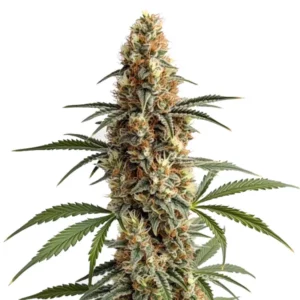
GG4

|
THC | 27% (High) |

|
Type | Feminized |

|
Yield | High |

|
Phenotype | 40% Indica / 60% Sativa |
Mamba Negra
|
|
THC | 18% (Medium) |
|
|
Type | Feminized |
|
|
Yield | High |
|
|
Phenotype | 55% Indica / 45% Sativa |
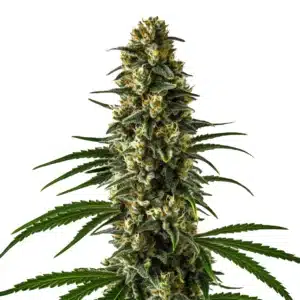
Blimburn Seeds offers a variety of strains that cater to different preferences. For instance, their “Mamba Negra” strain is known for its robust growth and high yield, making it a favorite for many cultivators. This showcases how genetics play a fundamental role in shaping cannabis seed selection.
Genetic Traits and Their Impact
Genetic traits in cannabis cultivation are the foundation of each plant’s individuality. These traits influence everything from flavor profiles to growth resilience. By selecting seeds with desirable traits, you can cultivate plants that meet your specific needs.
Consider the “GG4” strain offered by Blimburn Seeds. Known for its high THC levels, this strain is a prime example of selective breeding for cannabis potency. By choosing seeds with such potent genetic profiles, you’re ensuring a powerful end product.
Besides to potency, genetic traits also affect a plant’s adaptability to different environments. Whether you are growing indoors or outdoors, selecting seeds with the right genetic makeup can enhance the plant’s ability to thrive and resist stressors.
Moreover, knowing genetic traits in cannabis cultivation can help growers avoid undesirable characteristics. By focusing on the function of genetics in cannabis seed selection, cultivators can steer clear of plants prone to pests or diseases, ensuring a healthier crop.
Inheritance Patterns in Cannabis Genetics
Inheritance patterns in cannabis genetics can seem complex, but they are essentially the way traits are passed from parent plants to offspring. These patterns help growers predict outcomes, making seed selection a strategic decision.
For example, if you desire a strain with both high yield and disease resistance, knowing these inheritance patterns becomes essential. You can select parent plants that are likely to pass on these traits, increasing your chances of success.
The function of genetics in cannabis seed selection is closely tied to knowing inheritance patterns. By analyzing these patterns, growers can make informed choices that align with their cultivation goals.
Inheritance patterns also provide insights into the stability of a strain. Consistent expression of desirable traits across generations ensures that the plant will perform as expected, making inheritance patterns a vital consideration for commercial producers.
Selective Breeding for Superior Strains
Selective breeding for cannabis potency has been a cornerstone of cannabis cultivation. By choosing plants with the strongest genetics, growers can enhance specific traits such as flavor, aroma, and cannabinoid content.
This method allows for the development of strains with superior qualities. Whether you’re after a relaxing effect or a burst of creativity, selective breeding can produce the ideal strain to meet those desires.
Selective breeding for cannabis potency also enables the creation of unique strains that offer distinct therapeutic benefits. This tailored approach provides options for both recreational users and those seeking specific medicinal properties.
Furthermore, selective breeding extends beyond potency and flavor, allowing for the refinement of growth characteristics. By focusing on genetic traits that promote faster flowering or increased yield, breeders can develop strains that maximize efficiency and productivity.
Promos & Deals
Practical Approaches to Seed Selection
When selecting cannabis seeds, it’s important to consider the plant’s genetic profile. This includes factors like flowering time, cannabinoid level, and plant size. Knowing the function of genetics in cannabis seed selection allows you to choose seeds that truly fit your growing conditions and cultivation goals, improving consistency and overall results.
Real-life examples show the importance of matching seed selection with your environment. If you’re growing indoors, a strain with a compact size and quick flowering time may be ideal. Conversely, outdoor growers might prioritize hardiness and resistance to pests.
Knowing cannabis seed genetic profiles is crucial for making informed decisions. These profiles provide a comprehensive overview of potential growth outcomes, helping align your selection with your specific cultivation environment.
Practical approaches to seed selection also involve considering the end-use of the plant. Whether aiming for high THC content or a balanced cannabinoid profile, aligning your seed choices with desired outcomes ensures a successful harvest.

Genetic Markers in Strain Development
Genetic markers in cannabis strain development serve as signals for desirable traits. These markers are used to identify and select the best plants for breeding, ensuring the desired characteristics are passed on.
For growers, knwoing these markers can simplify the selection process. By focusing on these genetic signals, you can create a more predictable and successful growing experience.
Blimburn Seeds utilizes genetic markers in cannabis strain development to consistently produce high-quality seeds. This scientific approach guarantees that the strains align with the expectations and requirements of growers worldwide.
Utilizing genetic markers also enhances the efficiency of breeding programs. By pinpointing specific genes linked to desired traits, breeders can expedite the development of new and improved strains, keeping pace with the evolving demands of the market.
FAQs on function of genetics in cannabis seed selection
What are genetic traits in cannabis cultivation?
Genetic traits in cannabis cultivation refer to the specific characteristics that define a cannabis plant. These traits include aspects such as growth rate, resistances, and cannabinoid profile. Recognizing these traits helps in selecting the right seeds for your growing conditions.
For example, if a strain is genetically predisposed to be mold-resistant, it may be preferable for humid environments. Knowing these genetic traits allows growers to make informed decisions, ultimately leading to a more successful cultivation process.
Furthermore, genetic traits influence the overall quality and appeal of the final product. By selecting seeds with optimal traits, growers can enhance the sensory experience, ensuring that the end product meets both personal and market standards.
Besides, genetic traits play a crucial role in determining the plant’s adaptability to various stressors. By prioritizing traits like drought resistance or pest resilience, cultivators can improve the overall robustness of their crops.
How do inheritance patterns affect cannabis seed selection?
Inheritance patterns affect cannabis seed selection by determining how traits are passed down from one generation to the next. These patterns help predict which characteristics will appear in the offspring, making them a crucial factor in seed selection.
By analyzing these patterns, growers can select parent plants that are likely to produce offspring with desirable traits, whether that’s higher THC levels, increased yield, or specific growth characteristics.
Knowing inheritance patterns also allows breeders to maintain genetic diversity while focusing on desirable traits. This balance is key to developing resilient and adaptable strains that can thrive in different environments.
Moreover, inheritance patterns provide insights into the genetic stability of a strain. Strains that consistently express desirable traits are more reliable for commercial cultivation, ensuring consistent quality and yield.
Why is selective breeding important for cannabis potency?
Selective breeding is important for cannabis potency because it allows growers to enhance and concentrate specific traits like THC and CBD levels. By selecting only the best plants for breeding, the potency and quality of subsequent generations are improved.
This process also helps in developing strains with unique and desirable effects, catering to both medicinal and recreational users. It ensures that the final product meets the expectations of its intended use.
Selective breeding for cannabis potency also contributes to the development of new medicinal strains with targeted therapeutic benefits. By focusing on specific cannabinoids and terpenes, breeders can create strains that address particular health conditions.
Besides, selective breeding enhances the plant’s aesthetic qualities, such as color and aroma, further increasing its market appeal and consumer preference.
What is the significance of cannabis seed genetic profiles?
Cannabis seed genetic profiles provide a comprehensive overview of a seed’s potential. These profiles include information on expected growth patterns, cannabinoid content, and other essential traits. They guide growers in selecting seeds that align with their goals.
Knowing these profiles is akin to having a roadmap for cultivation. It allows growers to anticipate challenges and optimize their strategies for achieving the best possible outcomes.
Cannabis seed genetic profiles also offer valuable insights into the plant’s expected performance in specific climates and conditions. This information is crucial for tailoring cultivation practices to maximize yield and quality.
Furthermore, these profiles support the function of genetics in cannabis seed selection by highlighting the unique attributes of each strain, assisting growers in making informed choices that align with their cultivation objectives.
How do genetic markers aid in cannabis strain development?
Genetic markers aid in cannabis strain development by identifying specific genes associated with desirable traits. These markers act as guides for breeders, helping them select plants that will produce offspring with targeted characteristics.
This scientific approach ensures that the resulting strains are consistent and high-quality. It provides a level of predictability and reliability that is invaluable for both commercial and personal growers.
Genetic markers in cannabis strain development also streamline the breeding process by pinpointing the most promising candidates for propagation. This targeted approach accelerates the creation of new strains with enhanced attributes.
Additionally, genetic markers support the maintenance of genetic diversity within breeding programs. By selecting for specific traits while preserving overall genetic health, breeders can develop robust strains that thrive in a variety of conditions.