Optimal PPFD for Autoflowers: Maximize Your Yield

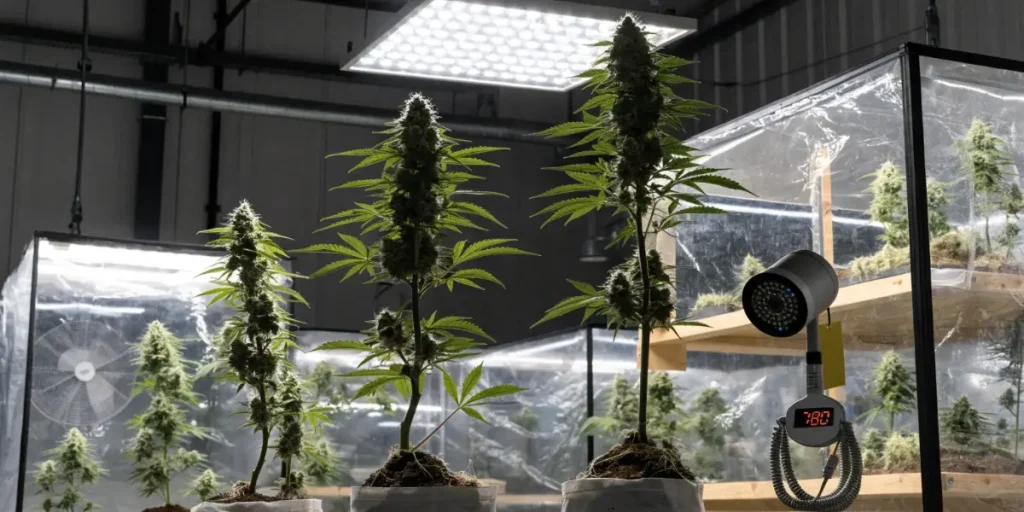
PPFD for autoflowers changes with each stage: aim for roughly 100-300 umol/m2/s for seedlings, 400-600 during vegetative growth, and 600-900 in flowering, measured at the canopy. Because autoflowers run long light schedules (often 18/6 or 20/4), building intensity up gradually avoids light stress on young plants. The quickest way to dial it in is an autoflower PPFD chart by week (below), raising levels as the plant matures and backing off if you see bleaching at the top of the canopy.
Autoflower PPFD Chart by Week
Autoflowers move fast, so light demand climbs week by week. Use this as a baseline (PPFD at the canopy) and adjust to the plant’s response:
Recommended Strains
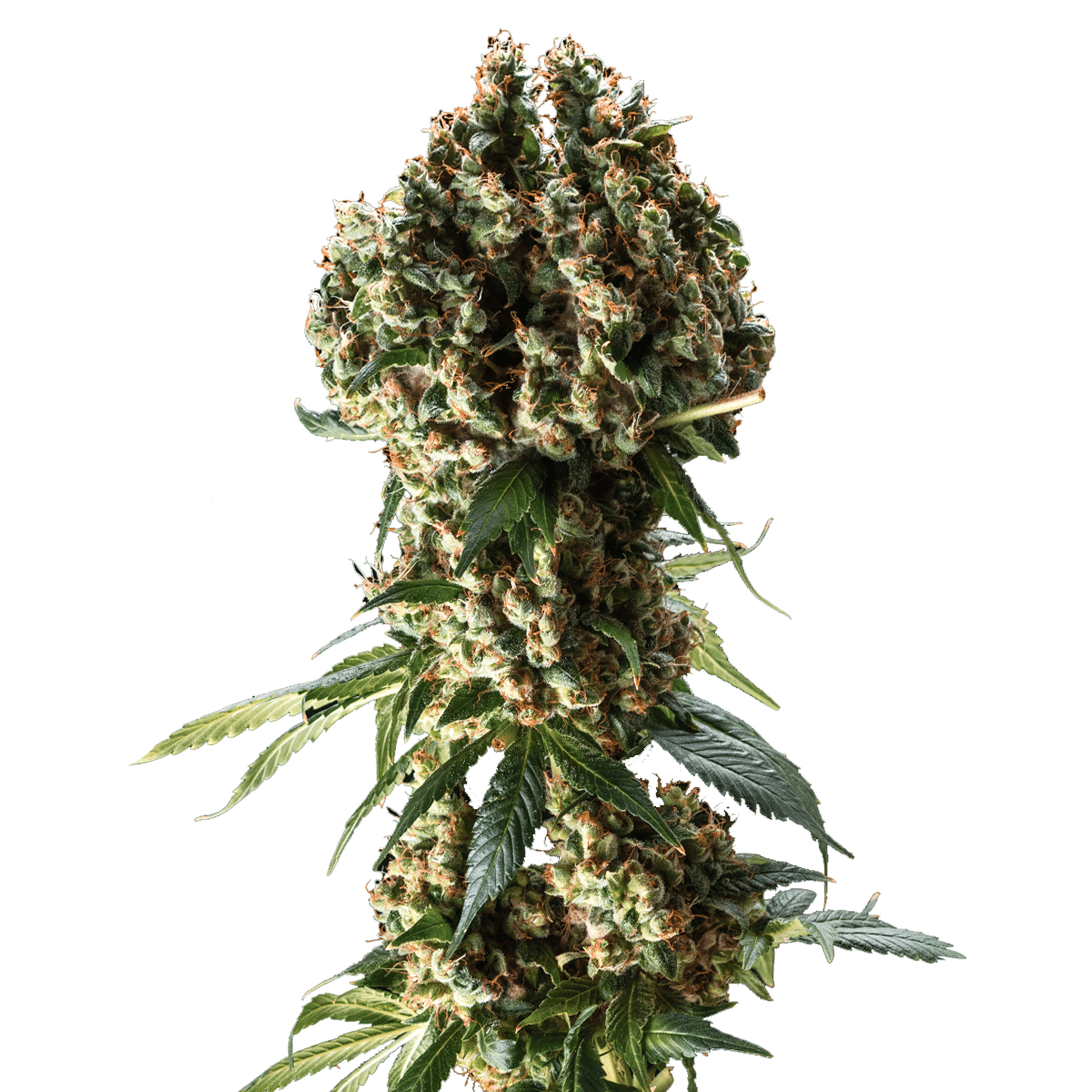
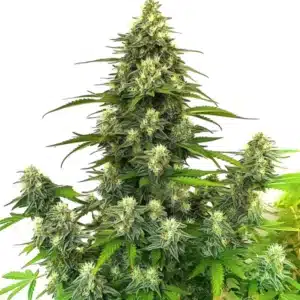
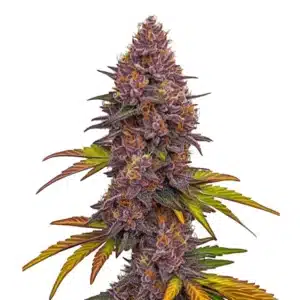
Granddaddy Purple

|
THC | 25% (High) |

|
Type | Feminized |

|
Yield | High |

|
Phenotype | 70% Indica / 30% Sativa |

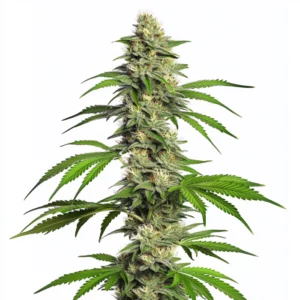
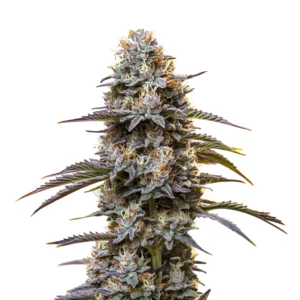
Granddaddy Purple Auto
|
|
THC | 16% - 19% (Medium) |
|
|
Type | Autoflowering |
|
|
Yield | High |
|
|
Phenotype | 80% Indica / 20% Sativa |
| Week / Stage | PPFD (umol/m2/s) | Notes |
|---|---|---|
| Weeks 1-2 (seedling) | 100-300 | Start low; dim LEDs or raise the light |
| Weeks 3-4 (veg) | 400-600 | Ramp up as the plant fills out |
| Weeks 5-6 (early flower) | 600-750 | Increase into bloom |
| Weeks 7+ (peak flower) | 750-900 | Peak demand; watch for bleaching above ~900 |
With added CO2 and ideal conditions some growers push higher, but 900 is a sensible ceiling for most tents.
Promos & Deals
How Much PPFD for Autoflower Seedlings?
Seedlings are the stage growers most often get wrong. Young autoflowers need only about 100-300 PPFD, far less than mature plants, because their small leaf area is easily overwhelmed. Too much light now causes bleaching, cupping and stalled growth, and with autos you cannot afford lost time. Keep LEDs dimmed or raised during the first week or two, then increase gradually as true leaves develop. If you are asking ‘how much PPFD for autoflower seedlings’, erring on the low side is far safer than blasting them early.”
Signs Your PPFD Is Wrong
The plant tells you when the light is off. Too much PPFD shows as bleaching (pale or white tops), leaf cupping or taco-ing, and crispy edges near the light. Too little shows as stretching, with long gaps between nodes as the plant reaches for more light, plus thin, floppy growth. Adjust by raising or lowering the fixture or using its dimmer, and always measure at canopy height rather than the tent floor. Making small changes and watching the new growth over a few days is the reliable way to correct imbalances without shocking the plant.
Measuring and Dialing In PPFD
You cannot optimise what you do not measure. A dedicated PAR meter is the most accurate tool, but quantum-sensor-based options and even reasonably good phone apps can give a useful estimate at the canopy. Many modern LED fixtures also publish PPFD maps at set heights, which is a solid starting point before fine-tuning.
Measure at several points across the canopy, not just the center, since edges often receive much less. Combine good PPFD with the right pot size and a steady environment for the best autoflower results, and see our guide to setting up indoor grow lights. For young plants and cuttings specifically, our PPFD for clones guide covers the gentler levels they need.
PPFD, DLI and Light Cycle Together
PPFD is intensity at a moment, but plants respond to the total light they receive over a day, the DLI (daily light integral). Because autoflowers run long schedules like 18/6 or 20/4, a moderate PPFD delivered over many hours can add up to a strong DLI, which is why you should not simply crank intensity to the maximum.
Balance the two: hit the stage-appropriate PPFD from the chart above, keep the long autoflower light cycle, and let the extended hours build a healthy daily total. Pushing very high PPFD on top of a long cycle often stresses plants rather than boosting yield, so steady, correct intensity beats brute force.
The Bottom Line on PPFD for Autoflowers
Dial PPFD to the stage: around 100-300 for seedlings, 400-600 in veg, and 600-900 through flower, measured at the canopy and raised gradually week by week. Use a PPFD chart as your baseline, measure with a meter or reliable app, watch for bleaching or stretching, and balance intensity against your long autoflower light cycle. Get PPFD right and you get healthier plants and bigger, denser harvests.
Pot Size, Environment and PPFD
Light does not work in isolation. High PPFD only pays off if the rest of the environment keeps up: the right pot size so roots can support fast growth, stable temperature and humidity, adequate airflow, and balanced feeding. Push intensity without those in place and the plant cannot use the extra light, leading to stress rather than yield.
Think of PPFD as one dial among several, dial it to the stage, then make sure water, nutrients, airflow and container size all match, and your autoflowers will convert that light into dense, resinous buds.

FAQs
What is the PPFD schedule for autoflowers?
Build PPFD up by stage: about 100-300 for seedlings (weeks 1-2), 400-600 in veg (weeks 3-4), 600-750 in early flower, and 750-900 at peak flower, all measured at the canopy. Raise levels gradually as the plant matures, and back off if you see bleaching at the top.
What is the PPFD for autoflower seedlings?
Autoflower seedlings need only about 100-300 PPFD at the canopy. Their small leaf area is easily overwhelmed, so too much light causes bleaching and stalled growth. Keep LEDs dimmed or raised in the first week or two, then increase gradually as the seedling develops its first true leaves.
Is 400 PPFD too much for seedlings?
It is on the high side. Most autoflower seedlings do best around 100-300 PPFD; 400 can stress a very young plant, causing bleaching or cupping. If your fixture reads around 400, raise it or dim it for the first couple of weeks, then ramp up toward veg levels as the plant grows.
What happens if PPFD is too high?
Excess PPFD causes light stress: bleached white or pale tops, cupped or taco-shaped leaves, crispy edges and stalled growth, because the plant gets more light than it can use. Raise or dim the fixture until symptoms stop. Beyond roughly 900 PPFD (without added CO2), most plants see diminishing returns anyway.