Optimal PPFD for Flowering Cannabis: A Complete Guide

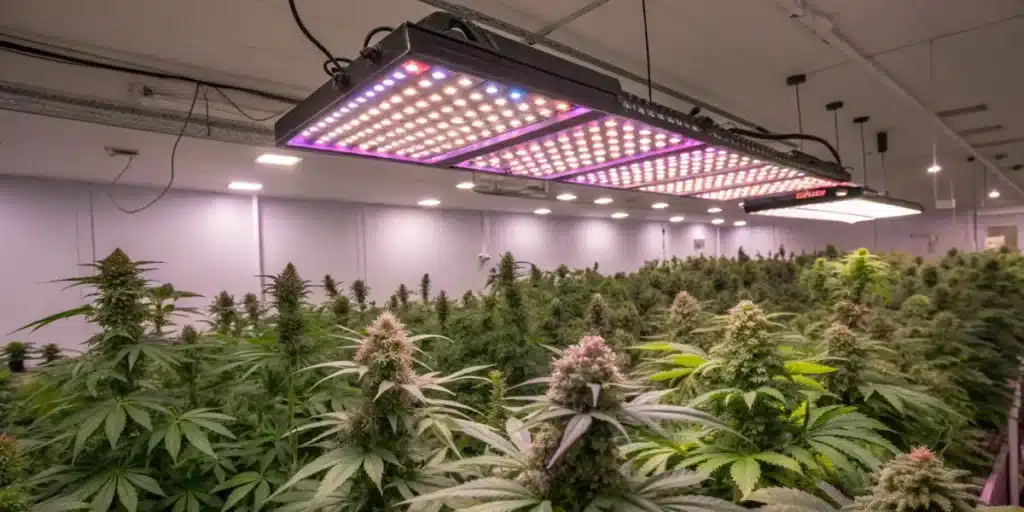
Optimal PPFD for Flowering: For cannabis flowering, maintaining a PPFD (Photosynthetic Photon Flux Density) between 600-900 μmol/m²/s is ideal. Advanced growers may push up to 1,000 μmol/m²/s with CO₂ enrichment. This range supports robust bud development and maximizes yield potential while minimizing the risk of light stress. Monitoring and adjusting PPFD according to growth stages is crucial for optimal plant health.
During the flowering phase, cannabis plants benefit from precise light management to enhance terpene profiles and cannabinoid potency. Terpenes like myrcene and caryophyllene play significant roles in aroma and therapeutic effects. Flowering typically spans 8-9 weeks, with light schedules and PPFD adjustments crucial for maximizing resin production and overall plant vigor.
Recommended Strains

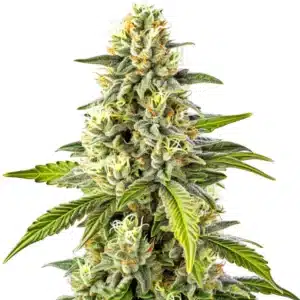
Cake Batter

|
THC | 28% - 30% (High) |

|
Type | Feminized |

|
Yield | Medium |

|
Phenotype | 70% Indica / 30% Sativa |
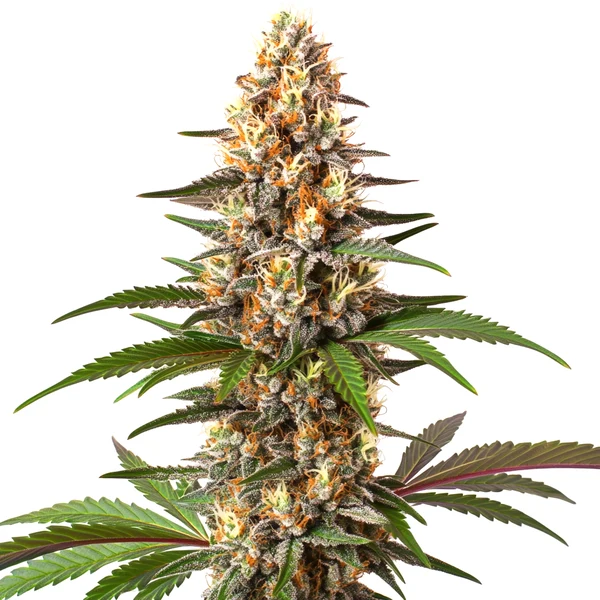
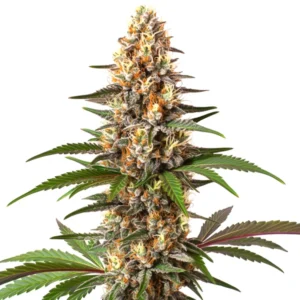
Cake Bomb
|
|
THC | 15% - 20% (Medium) |
|
|
Type | Feminized |
|
|
Yield | High |
|
|
Phenotype | 50% Indica / 50% Sativa |
PPFD and Its Importance
What is PPFD?
PPFD, or Photosynthetic Photon Flux Density, measures the number of light photons reaching a plant’s canopy per second, expressed in micromoles per square meter per second (μmol/m²/s). This metric is vital for photosynthesis, enabling cannabis plants to convert light into energy for growth. Without adequate PPFD, plants may produce suboptimal, airy buds.
Light intensity directly affects a plant’s ability to synthesize energy. Insufficient light results in weak buds, while excessive light can cause stress, nutrient deficiencies, and light burn. Maintaining the right PPFD balance is essential for achieving optimal yields and plant health.
Why PPFD Matters for Flowering
During flowering, cannabis plants require increased light intensity to support bud development and resin production. A PPFD range of 600-900 μmol/m²/s is generally recommended, with some experienced growers pushing up to 1,000 μmol/m²/s with supplemental CO₂. This ensures plants receive enough light without being overwhelmed, enhancing bud density and potency.
Monitoring PPFD closely and adjusting it according to growth stages helps prevent light stress, which can negatively impact bud quality. Proper light management during flowering is crucial for maximizing yield potential and plant health.
Promos & Deals
Optimal PPFD Levels for Each Flowering Stage
Early Flowering Stage
In the early flowering stage (weeks 1-3), a PPFD of around 600 μmol/m²/s helps plants transition smoothly from the vegetative stage. This level allows plants to adapt to higher light intensities without experiencing shock, promoting healthy bud formation.
Maintaining this PPFD range ensures that plants receive sufficient light for photosynthesis, supporting robust growth and development. Adjusting light distance and intensity as plants grow helps prevent light stress and optimize energy conversion.
Mid Flowering Stage
During the mid flowering stage (weeks 4-6), increasing PPFD levels to 700-800 μmol/m²/s encourages robust bud development and resin production. This range supports the plant’s energy needs for flowering, enhancing terpene and cannabinoid synthesis.
Monitoring PPFD and adjusting light intensity as needed helps maintain optimal growth conditions. This stage is critical for maximizing bud density and potency, with proper light management playing a key role in achieving desired results.
Late Flowering Stage
In the late flowering stage (weeks 7-9), boosting PPFD intensity up to 800-900 μmol/m²/s maximizes bud density and potency while maintaining plant health. This level supports the final stages of bud maturation, enhancing resin production and overall quality.
Careful monitoring of PPFD and environmental conditions ensures that plants receive the necessary light for optimal growth. Proper light management during this stage is crucial for achieving high-quality yields and maximizing plant potential.
Environmental Factors Influencing PPFD Efficiency
Temperature and Humidity
Temperature and humidity play significant roles in PPFD efficiency. Ideal temperatures for cannabis flowering range between 68-78°F (20-26°C). Excessive heat can cause photoinhibition, while cooler temperatures might slow metabolic processes, reducing light absorption.
Maintaining relative humidity (RH) at 40-50% during flowering prevents excess transpiration, allowing plants to use light energy more effectively. Proper environmental control is essential for maximizing PPFD efficiency and plant health.
| Feature / Merkmal | Blue Dream Auto | Bruce Banner 2.0 | Critical Kush |
|---|---|---|---|
| THC Content | 18-22% | 27-30% | 20-25% |
| Dominant Terpene | Myrcene | Caryophyllene | Limonene |
| Flavor Profile | Berry, Sweet | Earthy, Diesel | Citrus, Pine |
| Flowering Time | 9-10 weeks | 8-9 weeks | 9-10 weeks |
| Yield | 1.5-2 oz/ft² (450-600 g/m²) | 2-3 oz/ft² (600-900 g/m²) | 1.8-2.2 oz/ft² (500-650 g/m²) |
Air Circulation and Nutrient Availability
Proper air circulation prevents hotspots and ensures uniform distribution of CO₂, which is vital for photosynthesis. Adequate airflow helps maintain consistent PPFD levels across the canopy, promoting even growth and development.
A well-balanced nutrient regimen allows plants to fully harness PPFD, as deficiencies in key elements like phosphorus and potassium can limit energy conversion. Monitoring nutrient levels and adjusting as needed ensures optimal plant health and growth.
Measuring and Adjusting PPFD
Tools for Measuring PPFD
Using a PAR (Photosynthetically Active Radiation) meter is the most accurate way to measure PPFD. This device measures the intensity of usable light your plants receive, allowing you to fine-tune your lighting setup for the best flowering results.
Regularly measuring PPFD helps ensure that plants receive the optimal light intensity for growth. Adjusting light distance and type based on these measurements helps maintain consistent PPFD levels and maximize plant health.
Adjusting Light Distance and Type
Light distance and type significantly impact PPFD levels. Adjusting the height of your grow lights affects intensity, with lower lights increasing intensity and higher lights decreasing it. Maintaining an optimal distance (usually between 12-24 inches depending on the light type) prevents stress and promotes even growth.
Different grow lights, such as LED, HPS, and CMH, have varying PPFD outputs. LED lights tend to provide more targeted lighting with minimal heat output, while HPS lights offer a broader spectrum but generate more heat. Selecting the right light type and adjusting distance are crucial for optimizing PPFD levels.
Troubleshooting Common PPFD Issues
Symptoms of Light Stress
Light stress can manifest in several ways, including leaf yellowing, burning, and curling. These symptoms indicate that plants are receiving too much light, which can lead to nutrient deficiencies and reduced growth.
Monitoring plant response and adjusting PPFD levels as needed helps prevent light stress and maintain optimal growth conditions. Regularly checking for signs of stress ensures that plants receive the right amount of light for healthy development.
Solutions for PPFD-Related Problems
Addressing PPFD-related issues involves adjusting light intensity, distance, and type. Lowering light intensity or increasing distance can help reduce stress and promote healthy growth.
Ensuring proper environmental conditions, such as temperature and humidity, also supports optimal PPFD efficiency. Regularly monitoring and adjusting these factors helps maintain healthy plants and maximize yield potential.
Professional Tips for Optimal PPFD
- Maintain 600-900 μmol/m²/s PPFD during flowering. This range supports robust bud development and maximizes yield potential. Avoid exceeding 1,000 μmol/m²/s without CO₂ supplementation to prevent light stress.
- Use a PAR meter to measure PPFD accurately. Regularly monitor light intensity to ensure plants receive optimal light for growth. Adjust light distance and type based on measurements to maintain consistent PPFD levels.
- Keep temperatures between 68-78°F (20-26°C) during flowering. Excessive heat can cause photoinhibition, while cooler temperatures might slow metabolic processes, reducing light absorption.
- Maintain relative humidity at 40-50% during flowering. This prevents excess transpiration, allowing plants to use light energy more effectively. Proper humidity control is essential for maximizing PPFD efficiency.
- Ensure proper air circulation to prevent hotspots and ensure uniform CO₂ distribution. Adequate airflow helps maintain consistent PPFD levels across the canopy, promoting even growth and development.
- Balance nutrient levels to support increased PPFD demands. Deficiencies in key elements like phosphorus and potassium can limit energy conversion. Monitoring nutrient levels and adjusting as needed ensures optimal plant health and growth.

FAQs About PPFD for Flowering
What is the optimal PPFD for flowering plants?
The optimal PPFD for flowering cannabis plants typically ranges between 600-900 μmol/m²/s. This level supports robust bud development and maximizes yield potential. Advanced growers may push up to 1,000 μmol/m²/s with CO₂ enrichment to enhance photosynthesis and plant health.
What is the secret to big buds?
Achieving big buds involves maintaining optimal PPFD levels, ensuring proper nutrient balance, and managing environmental conditions. A PPFD range of 600-900 μmol/m²/s, combined with adequate nutrients and environmental control, supports robust bud development and maximizes yield potential.
How many PPFD are in a flower?
PPFD is not measured in a flower but rather the light intensity reaching the plant canopy. During flowering, maintaining a PPFD of 600-900 μmol/m²/s is ideal for promoting healthy bud development and maximizing yield potential.
Is 1200 PPFD too much?
A PPFD of 1200 μmol/m²/s can be too much for most cannabis plants without CO₂ supplementation. Excessive light intensity can cause stress, nutrient deficiencies, and light burn. Monitoring plant response and adjusting PPFD levels as needed helps prevent these issues.
Can PPFD affect nutrient uptake?
Yes, higher PPFD levels increase the plant’s nutrient demands, particularly for macronutrients like nitrogen, phosphorus, and potassium. Ensuring a balanced nutrient regimen supports increased energy conversion and plant health under intense lighting conditions.