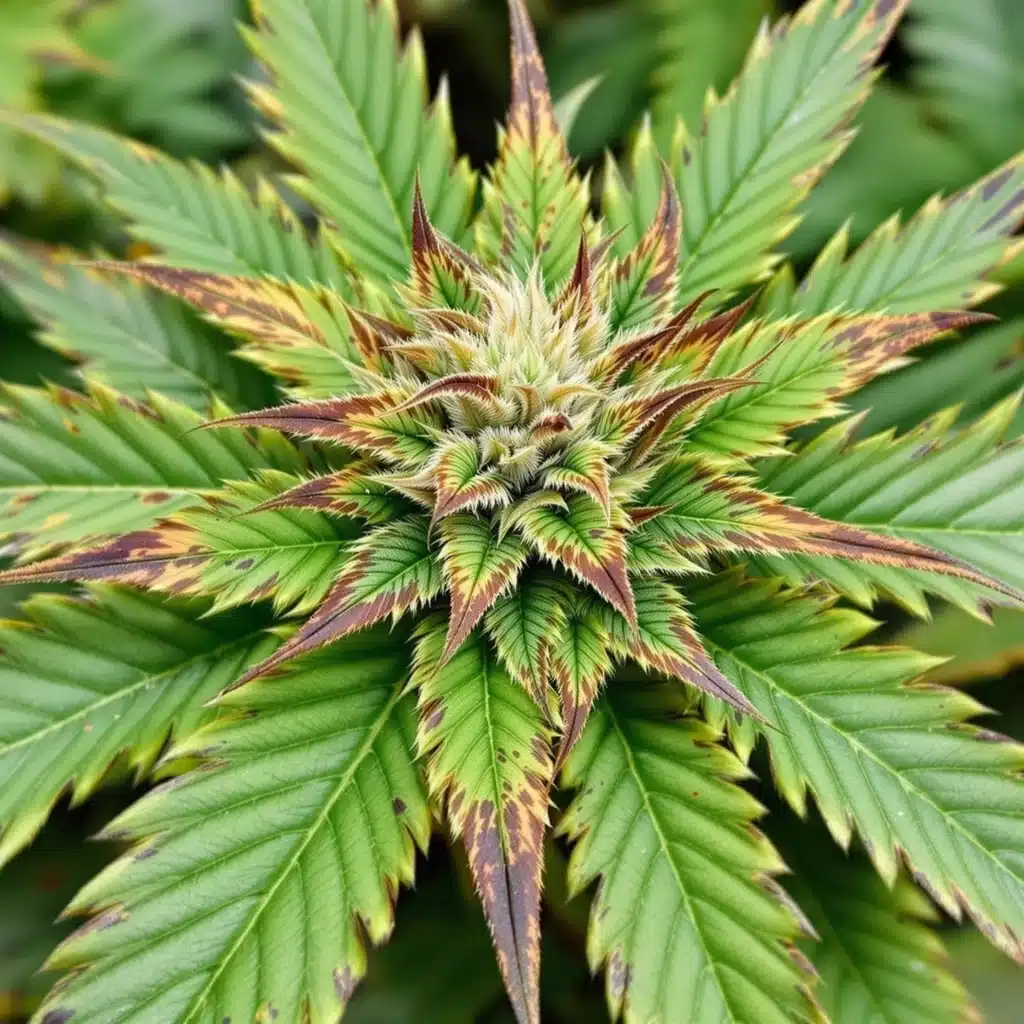
Pot Leaves Turning Brown: Causes & Solutions

Pot leaves turning brown: Brown cannabis leaves often indicate nutrient deficiencies or environmental stress. A lack of potassium, calcium, or magnesium can cause browning, while environmental factors like high heat or poor humidity exacerbate the issue. According to expert growers, maintaining a pH level of 6.5 for soil and 5.5-6.5 for hydroponics, along with ensuring proper nutrient balance, is crucial for healthy growth. Addressing these factors can prevent browning and improve plant vitality, leading to better yields and potency.
The terpene profile and flowering time of your cannabis plants can significantly impact their health and yield. Terpenes like myrcene and caryophyllene not only contribute to aroma but also influence plant resilience. Flowering time, ranging from 8 to 10 weeks, is critical for optimizing growth conditions. By focusing on these aspects, you can better manage environmental factors and nutrient uptake, preventing issues like browning leaves.
Recommended Strains
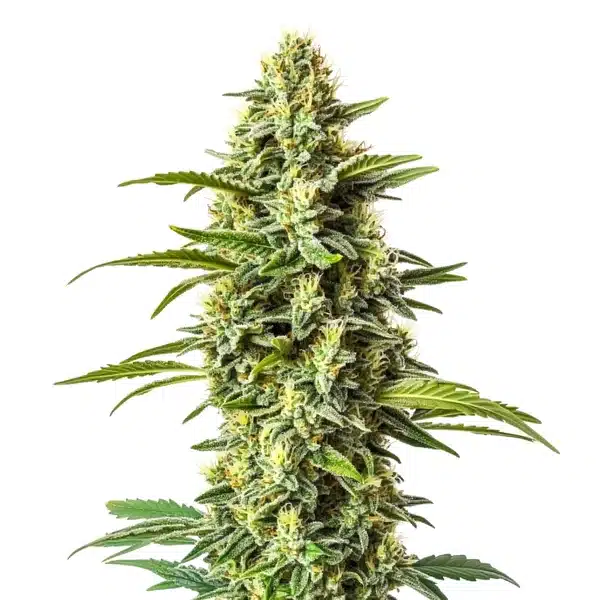
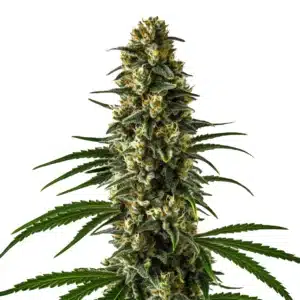
Northern Critical

|
THC | 15% - 18% (Medium) |

|
Type | Feminized |

|
Yield | High |

|
Phenotype | 60% Indica / 40% Sativa |

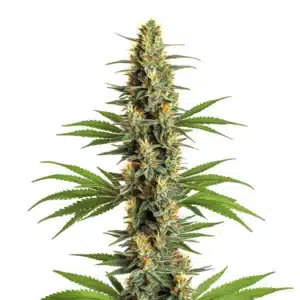
Northern Lights
|
|
THC | 17% (Medium) |
|
|
Type | Feminized |
|
|
Yield | High |
|
|
Phenotype | 90% Indica / 10% Sativa |
Common Causes of Brown Cannabis Leaves
Nutrient Deficiencies
Nutrient deficiencies are a primary cause of brown pot leaves. Potassium deficiency, for example, often results in brown tips and edges. Potassium is crucial for water transport and enzyme activation, directly affecting photosynthesis. Without adequate potassium, plants struggle to maintain cellular functions, leading to browning. Calcium and magnesium deficiencies also cause brown spots, as these nutrients are vital for cell wall integrity and chlorophyll production.
In cannabis cultivation, maintaining a balanced nutrient regimen is essential. For instance, a 3:1:2 NPK ratio during the vegetative stage supports robust growth. During flowering, a 1:3:2 ratio is recommended to enhance bud development. Monitoring nutrient levels with soil testers can prevent deficiencies that lead to browning. Additionally, the role of calcium in strengthening cell walls cannot be overstated, as it helps prevent physical damage and pathogen entry, which can also cause browning.
Environmental Stress
Environmental stressors like high temperatures and low humidity can cause cannabis leaves to turn brown. Heat stress, often due to lights placed too close to plants, results in scorched leaves. Low humidity can dry out leaves, while high humidity fosters fungal growth. Both conditions compromise plant health and lead to browning.
To mitigate these issues, maintain temperatures between 68-77°F during the day, with a drop of 8-11°C at night, and humidity levels of 40-50% during flowering. Use fans and dehumidifiers to control the environment, ensuring optimal conditions for cannabis growth. Avoid watering leaves directly under intense light to prevent burn spots. It’s crucial to understand that stomatal function is impaired under stress, reducing CO2 uptake necessary for photosynthesis, which can exacerbate browning.
Promos & Deals

Identifying Specific Leaf Discolorations
Brown Spots on Cannabis Leaves
Brown spots on cannabis leaves can be attributed to fungal infections like rust. Rust fungi thrive in humid environments and create brown patches on leaves. This infection disrupts photosynthesis, reducing energy production and plant growth. Early detection and treatment are crucial to prevent spread.
To combat rust, maintain humidity levels between 40-50% and improve airflow with fans. Fungicides or natural remedies like neem oil can effectively treat infections. Regular inspections help catch issues early, ensuring healthy plant development. The presence of rust fungi can also indicate compromised stomatal function, reducing CO2 intake and photosynthetic efficiency.
Cannabis Leaf Tips Turning Brown
Brown leaf tips often indicate nutrient burn, a result of over-fertilization. Excessive nutrients cause salt buildup, leading to dehydration and leaf damage. This condition impairs nutrient uptake, stunting growth and reducing yield.
To prevent nutrient burn, follow a balanced feeding schedule and flush soil with pH-balanced water. Monitor electrical conductivity (EC) levels, keeping them between 1.2-2.0 mS/cm during flowering. Adjust nutrient concentrations based on plant needs to avoid overfeeding. It’s important to understand that nutrient burn can also affect root health, reducing their ability to absorb water and nutrients effectively.
| Feature / Merkmal | Kush Mints Regular | Koji | Northern Lights x Blueberry Auto |
|---|---|---|---|
| Flowering Time | 8-9 weeks | 9-10 weeks | 70-80 days |
| Yield | 450-500 g/m² | 500-550 g/m² | 400-450 g/m² |
| THC Content | 20-23% | 22-25% | 18-20% |
| Terpene Profile | Myrcene 1.0%, Limonene 0.8% | Caryophyllene 0.9%, Linalool 0.7% | Pinene 0.6%, Humulene 0.5% |
| Resistance | High | Medium | High |
Prevention and Treatment Strategies
Nutrient Management
Effective nutrient management is essential for preventing brown leaves. Regularly test soil pH, maintaining a range of 6.5 for soil and 5.5-6.5 for hydroponics. This ensures optimal nutrient availability and uptake. Use fertilizers with appropriate NPK ratios for each growth stage.
Incorporate cal-mag supplements to address secondary nutrient deficiencies. These supplements enhance cell wall strength and chlorophyll production, preventing browning. Apply as a foliar spray or soil amendment for quick results. Additionally, understanding the role of magnesium in chlorophyll synthesis can help in optimizing photosynthesis, thereby enhancing plant growth and vitality.
Environmental Controls
Controlling environmental factors is key to healthy cannabis growth. Maintain temperatures between 68-77°F during the day, with a night drop of 8-11°C, and humidity levels of 40-50%. Use fans, dehumidifiers, and air conditioning to manage these parameters. Ensure proper light placement to avoid heat stress and leaf burn.
Regularly inspect plants for signs of stress, such as wilting or discoloration. Adjust environmental conditions promptly to prevent further damage. Consistent monitoring and adjustments create a stable growing environment, reducing the risk of browning. It’s critical to understand that environmental stress can lead to stomatal closure, reducing CO2 uptake and photosynthetic activity, which are essential for plant growth.
Professional Tips for Preventing Brown Leaves
- Maintain 58-62% RH during cure. Below 55% arrests terpene development; above 65% promotes Botrytis within 48h. Check with a calibrated digital hygrometer, never analog.
- Ensure light intensity at 800-1000 µmol/m²/s during peak flowering. Excessive light causes leaf burn, while insufficient light reduces yield. Adjust light height to optimize exposure.
- Keep soil pH at 6.5 to prevent nutrient lockout. Imbalances lead to deficiencies and browning. Use pH up or down solutions to maintain optimal levels.
- Monitor EC levels, keeping them at 1.2-2.0 mS/cm during flowering. High EC indicates salt buildup, causing nutrient burn. Flush with pH-balanced water to reset.
- Use fans to maintain airflow and prevent fungal growth. Stagnant air increases humidity, fostering infections. Position fans to circulate air without directly hitting plants.
- Apply cal-mag supplements at 5-10 ml per gallon of water. Calcium and magnesium deficiencies cause brown spots. Regular supplementation ensures strong cell walls and chlorophyll production.

FAQs About Brown Cannabis Leaves
Why are my pot leaves turning brown?
Pot leaves turn brown due to nutrient deficiencies, environmental stress, or pests. Common deficiencies include potassium, calcium, and magnesium, which are vital for plant health. Environmental factors like high temperatures or low humidity can also cause browning. Pests such as spider mites damage leaves, leading to discoloration. Regular monitoring and maintaining optimal growing conditions can prevent these issues, ensuring healthy plant growth and maximizing yields.
What does calmag deficiency look like?
Calcium and magnesium deficiencies manifest as brown spots or edges on cannabis leaves. Calcium is crucial for cell wall integrity, while magnesium is essential for chlorophyll production. Deficiencies lead to weak, discolored leaves, reducing photosynthesis and growth. Address these issues by applying cal-mag supplements at 5-10 ml per gallon of water. Regular supplementation ensures strong cell walls and optimal chlorophyll levels, preventing browning and promoting healthy development.
Is Bud still potent after it turns brown?
Brown buds may still retain potency, but quality is often compromised. Browning indicates stress or nutrient deficiencies, which can affect THC levels and terpene profiles. While some cannabinoids remain, the overall experience may be diminished. To preserve potency, address underlying issues promptly and maintain optimal growing conditions. Proper drying and curing at 58-62% RH further enhance cannabinoid and terpene retention, ensuring a high-quality end product.
What does nutrient burn look like in plants?
Nutrient burn appears as brown, crispy leaf tips and edges, resulting from over-fertilization. Excess nutrients cause salt buildup, leading to dehydration and leaf damage. This condition impairs nutrient uptake, stunting growth and reducing yield. To prevent nutrient burn, follow a balanced feeding schedule and flush soil with pH-balanced water. Monitor electrical conductivity (EC) levels, keeping them between 1.2-2.0 mS/cm during flowering to avoid overfeeding.
How do I prevent rust fungus on cannabis leaves?
Rust fungus is a common issue in humid environments, causing brown patches on cannabis leaves. To prevent it, maintain humidity levels between 40-50% and ensure good airflow with fans. Regularly inspect plants for early signs of infection and treat with fungicides or natural remedies like neem oil. Improving air circulation and reducing humidity create an inhospitable environment for fungi, protecting your plants from rust and other infections.