Cannabis Flower Headspace VOCs: Technical Analysis

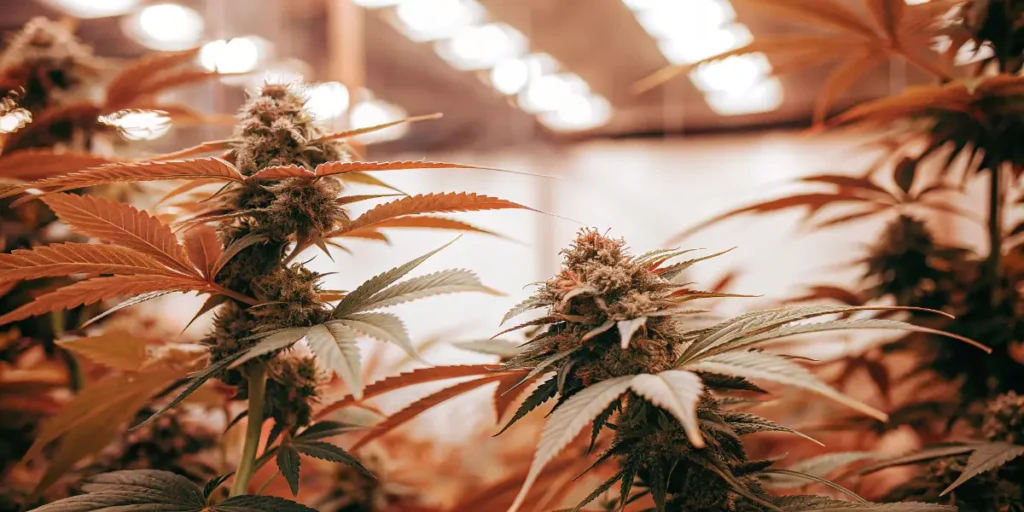
In the world of cannabis, terpenes play a vital role in defining the plant’s aromatic and flavor characteristics. These compounds, often analyzed through cannabis flower headspace VOCs, are intricately linked to the plant’s flowering time, which typically ranges from 8 to 10 weeks. The interaction of terpenes with cannabinoids also influences the overall experience, making their analysis essential for both growers and consumers.
What are VOCs in Cannabis?
Definition and Importance
Volatile Organic Compounds (VOCs) are a broad group of organic chemicals that easily evaporate at room temperature. In cannabis, these compounds are responsible for the plant’s distinctive aroma and flavor. VOCs include terpenes and terpenoids, which are critical for the plant’s interaction with its environment, influencing pollinators and deterring pests. Researchers often analyze cannabis flower headspace VOCs to better understand the aromatic profile and chemical composition released by different cannabis strains.
Experienced growers report that terpenes like myrcene and limonene, found in concentrations of 0.5-1.5%, are key contributors to the plant’s scent profile. Myrcene, for instance, offers earthy notes and enhances THC uptake, while limonene provides citrusy aromas and mood-enhancing effects.
Methods to Analyze Cannabis VOCs
Analyzing cannabis VOCs involves sophisticated techniques such as gas chromatography (GC) and headspace GC. These methods allow for the separation and identification of individual compounds within the plant. GC is often used for its precision in quantifying terpene concentrations, while headspace GC is favored for its ability to analyze volatile compounds without altering their natural state.
Master growers have pointed out that headspace GC is particularly effective in preserving the integrity of VOCs, providing a more accurate representation of the plant’s aroma profile. This method is crucial for ensuring that the final product meets consumer expectations for flavor and aroma.
Promos & Deals
Impact of VOCs on Cannabis Quality
Aroma and Flavor Profiles
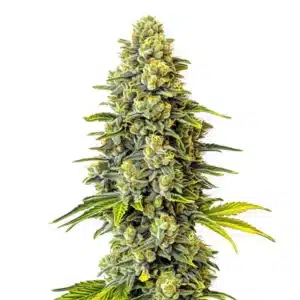
The aroma and flavor profiles of cannabis are directly influenced by its VOC content, especially within cannabis flower headspace VOCs. Terpenes such as pinene and caryophyllene, present in concentrations of 0.3–1.0%, contribute to the piney and spicy notes, respectively. Premium strains like Watermelon Og Auto are especially appreciated for their rich terpene expression and complex aromatic profile. These compounds interact with cannabinoids to create the entourage effect, enhancing the overall sensory experience.
Many cultivators share that maintaining the right balance of VOCs is essential for producing high-quality cannabis. This balance not only affects the plant’s marketability but also its therapeutic potential, as different terpenes can modulate the effects of cannabinoids.
Practical Applications of VOCs in the Cannabis Industry
In the cannabis industry, VOCs are used to enhance product quality and consumer satisfaction. By knowing the specific VOC profile of a strain, producers can tailor their cultivation and extraction processes to preserve these compounds. This ensures that the final product delivers the desired aroma and flavor.
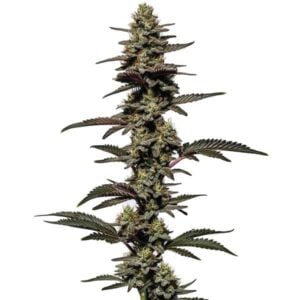
For example, maintaining a curing environment with 58–62% RH helps preserve terpenes, preventing degradation and ensuring a rich sensory profile. This practice is a common recommendation among expert growers to avoid the common mistake of terpene loss due to improper storage conditions, especially when working with aromatic strains like G13 x OG Kush.
Professional Tips for Cannabis VOC Management
- Maintain 58-62% RH during curing to preserve terpenes. Below 55% can cause terpene loss, while above 65% promotes mold growth.
- Use headspace GC for accurate VOC analysis. This method prevents alteration of volatile compounds, ensuring true aroma profiles.
- Monitor terpene levels regularly. Consistent levels indicate stable environmental conditions, crucial for quality control.
- Store cannabis in airtight containers at 59-70°F (15-21°C) to prevent terpene degradation over time.
- Integrate VOC analysis in breeding programs to enhance desired aroma profiles and consumer appeal.
- Regularly calibrate analytical instruments to ensure precision in VOC measurement, avoiding false readings.
FAQs on Cannabis Flower Headspace VOCs
Does cannabis flower release volatile organic compounds?
Yes, cannabis flowers emit volatile organic compounds (VOCs) that contribute to their unique aroma and flavor. These compounds include terpenes and terpenoids, which can be present in concentrations ranging from 0.1% to 3%. Knowing VOCs is essential for enhancing the sensory experience and quality of cannabis products.
How do GC and headspace GC differ in analyzing cannabis VOCs?
Gas chromatography (GC) and headspace GC are both used to analyze cannabis VOCs, but they differ in approach. GC requires sample preparation that may alter volatile compounds, while headspace GC analyzes the gaseous phase above the sample, preserving the natural state of VOCs. This distinction is critical for accurate aroma profiling.
Which chemical in cannabis is most psychoactive?
Tetrahydrocannabinol (THC) is the most psychoactive chemical in cannabis, responsible for the “high” sensation. THC concentrations in cannabis strains can range from 5% to 30%. Its psychoactive effects are influenced by the presence of terpenes and other cannabinoids, which modulate its impact through the entourage effect.
What are the vacuum boiling points of key cannabinoids?
The vacuum boiling points of cannabinoids vary, with THC boiling at approximately 157°C (315°F) and CBD at around 160-180°C (320-356°F). These temperatures are lower under vacuum conditions, which is crucial for extraction processes that aim to preserve cannabinoid integrity while avoiding degradation.
What makes cannabis VOCs important for product quality?
Cannabis VOCs are vital for product quality as they define the plant’s aroma and flavor, influencing consumer preference. VOCs like myrcene and limonene, found in concentrations of 0.5-1.5%, enhance the sensory experience and therapeutic effects. Proper analysis and preservation of VOCs ensure a high-quality, appealing product.