Guide to Over Ripe Trichomes: What You Need to Know

Quick Summary: Over-ripe trichomes turn dark amber or blackish, signaling THC degradation into CBN. While this weed still gets you high, the effect shifts from euphoric to heavily sedative (“couch-lock”). Harvesting at 50% milky and 50% amber ensures peak potency before quality declines.
Over Ripe Trichomes and Cannabinoid Degradation
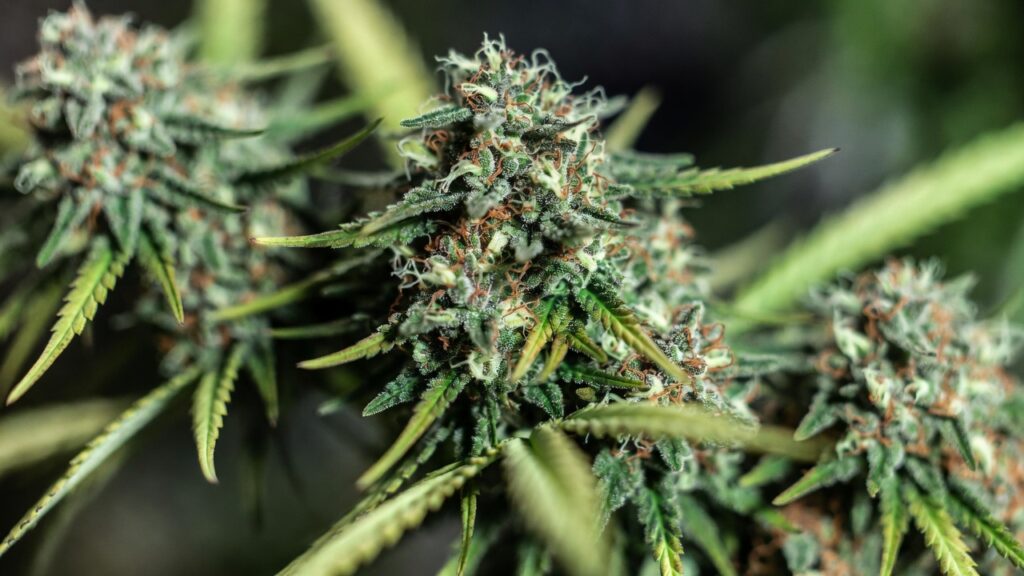
Trichomes are the microscopic resin glands where cannabis produces its most valuable compounds. These “plant hairs” are factory sites for THC, CBD, and aromatic terpenes like Myrcene and Limonene. As the plant nears the end of its life cycle, these glands undergo visible chemical changes. When you see ripe cannabis buds, the trichomes have transitioned from clear to a milky white or “cloudy” state, indicating maximum THC concentration.
Recommended Strains
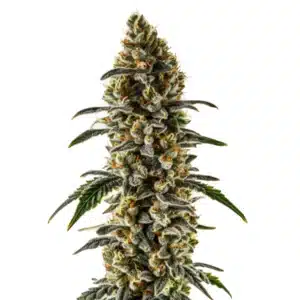
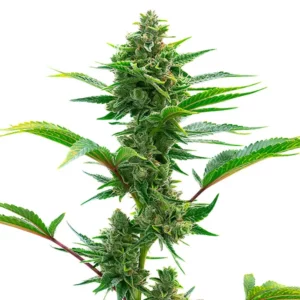
Sweet Zombie

|
THC | 20% - 25% (Medium) |

|
Type | Feminized |

|
Yield | High |

|
Phenotype | 80% Indica / 20% Sativa |
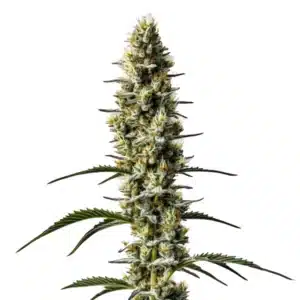
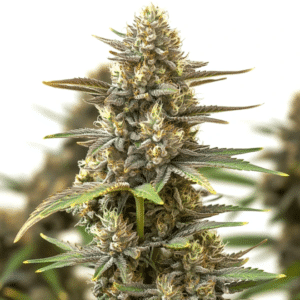
Sweet Zombie Auto
|
|
THC | 18% - 20% (Medium) |
|
|
Type | Autoflowering |
|
|
Yield | Medium |
|
|
Phenotype | 65% Indica / 35% Sativa |
However, if left too long, you will encounter over ripe trichomes. Biologically, this is the stage where the resin begins to senesce. The once-upright glandular stalks may collapse, and the spherical heads turn from a warm amber to a dark, almost blackish-purple or opaque brown. This visual shift is a warning that the THC is breaking down due to oxidation and UV exposure.
The chemical transformation during this late stage is significant. Through a process called degradation, THC converts into CBN (Cannabinol). Unlike THC, which is highly psychoactive and cerebral, CBN is known for its heavy sedative properties. This explains why over ripe weed often results in a “couch-lock” effect, making it less suitable for creative work and more effective as a sleep aid or for deep physical relaxation.
Promos & Deals
How to Spot Over Ripe Buds Using Visual Cues
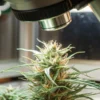
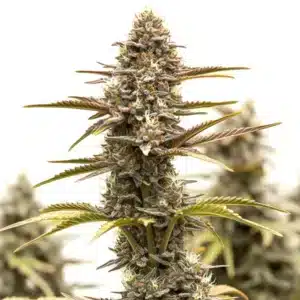
Identifying the exact moment of peak maturity requires more than just a quick glance. Professional growers focus on checking trichomes for ripeness using at least 30x magnification. While pistils over ripe buds, the hair-like structures, will turn from white to a dark brownish-red and curl tightly against the calyx, they are not the most reliable indicator. Some strains may show dark pistils while the resin is still clear and immature.
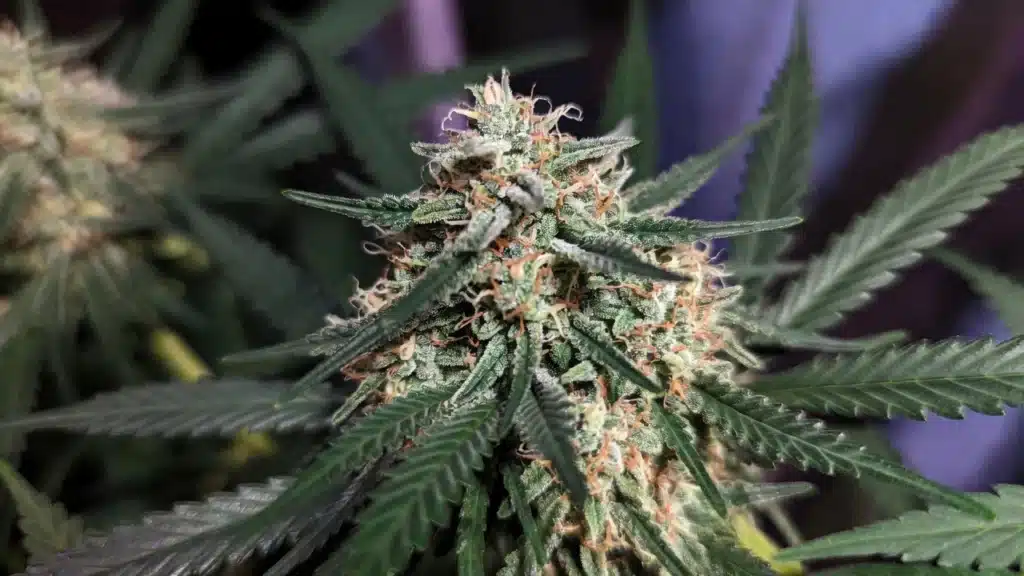
The real secret lies in the color of the resin head. Cannabis ripe trichomes look like tiny glass mushrooms with a translucent milky interior. When they become over-ripe, the “ball” on top may fall off entirely or become brittle. If the majority of your resin has turned a deep, dark amber, you are moving past the “Heady” high and into the “Stony” or sedative territory.
| Ripeness Stage | Trichome Appearance | Pistil Condition | Chemical Profile | Typical Effect |
|---|---|---|---|---|
| Early / Immature | Crystal Clear | 100% White / Upright | Low THC / High THCA | Weak / Racing Heart |
| Peak Ripe | Milky White / Cloudy | 50-70% Orange/Brown | Maximum THC Content | Cerebral / Euphoric |
| Mature / Ripe | 50% Milky / 50% Amber | 70-90% Darkened | THC + Terpene Balance | Hybrid Head & Body |
| Over Ripe | Dark Amber / Brown | 90% + Faded / Receded | THC degrading to CBN | Heavy Sedative |
| Senescent | Opaque / Blackish | Dry / Brittle | High CBN / Low Potency | Sleep-Inducing |
Preventing Quality Loss: Harvesting and Environmental Care
To avoid over ripe cannabis, environmental control during the final two weeks is vital. Temperatures should be kept below 70°F (21°C) to prevent volatile terpenes like Pinene and Caryophyllene from evaporating. High heat doesn’t just ruin the smell; it accelerates the aging of resin glands, pushing them toward over-ripeness faster than the plant can mature.
Another strategy is harvesting top buds first. In many indoor setups, the upper colas receive more intense PAR (Photosynthetically Active Radiation) and reach maturity several days before the lower branches. By taking the top buds when they show ripe trichomes, you allow the lower sections more light and time to finish, preventing a harvest where half the plant is over-ripe and the other half is premature.
Professional Cultivation Tips
- The Rain Rule: Never harvest immediately after a rain or a heavy foliar spray. Excess moisture in the dense flower structure significantly increases the risk of Botrytis (gray mold) during the drying phase.
- Morning Harvest: Cut your plants in the morning or just after the lights turn on. This is when terpene concentration is at its daily peak before heat causes them to volatilize.
- Handling Resin: Always wear gloves. The friction from “fondling” hands ruptures delicate trichome heads, leading to rapid oxidation and potency loss.
- Flushing Rituals: Stop all nutrients 10–14 days before harvest. This forces the plant to consume its own stored starches and sugars, preventing a “chemical” or “green” taste in the final smoke.
- Check the Calyx, Not the Leaves: When checking trichomes for harvest, always look at the resin on the calyx (the actual bud) rather than the sugar leaves. Leaf trichomes often turn amber weeks before the buds are actually ready.
FAQs About Over Ripe Trichomes
Will overripe weed still get you high?
Yes, over-ripe weed will definitely get you high, but the quality of the high changes. Because the THC has begun converting into CBN, the effect is much more physical and narcotic. You will likely feel a heavy “body stone” and significant drowsiness rather than the energetic or euphoric buzz associated with peak-harvest flowers.
Where to check trichomes for harvest?
You should always check the trichomes located directly on the calyxes (the pods that make up the bud) and the small “sugar leaves” tucked inside the flower. Avoid basing your decision on the large fan leaves or the very outer edges of the leaves, as these areas mature much faster and can give a false reading of over-ripeness.
What is the difference between milky and over ripe trichomes?
Milky trichomes indicate peak THC levels and a balanced terpene profile, offering the most potent psychoactive experience. Over-ripe trichomes have turned amber or brown, signaling that the THC is degrading into CBN. Milky resin is best for daytime use, while over-ripe resin is better suited for nighttime or medicinal pain relief.
Can you fix over ripe buds during the curing process?
Unfortunately, curing cannot reverse the biological aging of trichomes. Once THC has converted to CBN, it cannot be changed back. However, a slow, cool cure (60°F/60% humidity) will help preserve the remaining terpenes and prevent further degradation, ensuring that your over-ripe buds still provide a smooth and flavorful smoking experience.