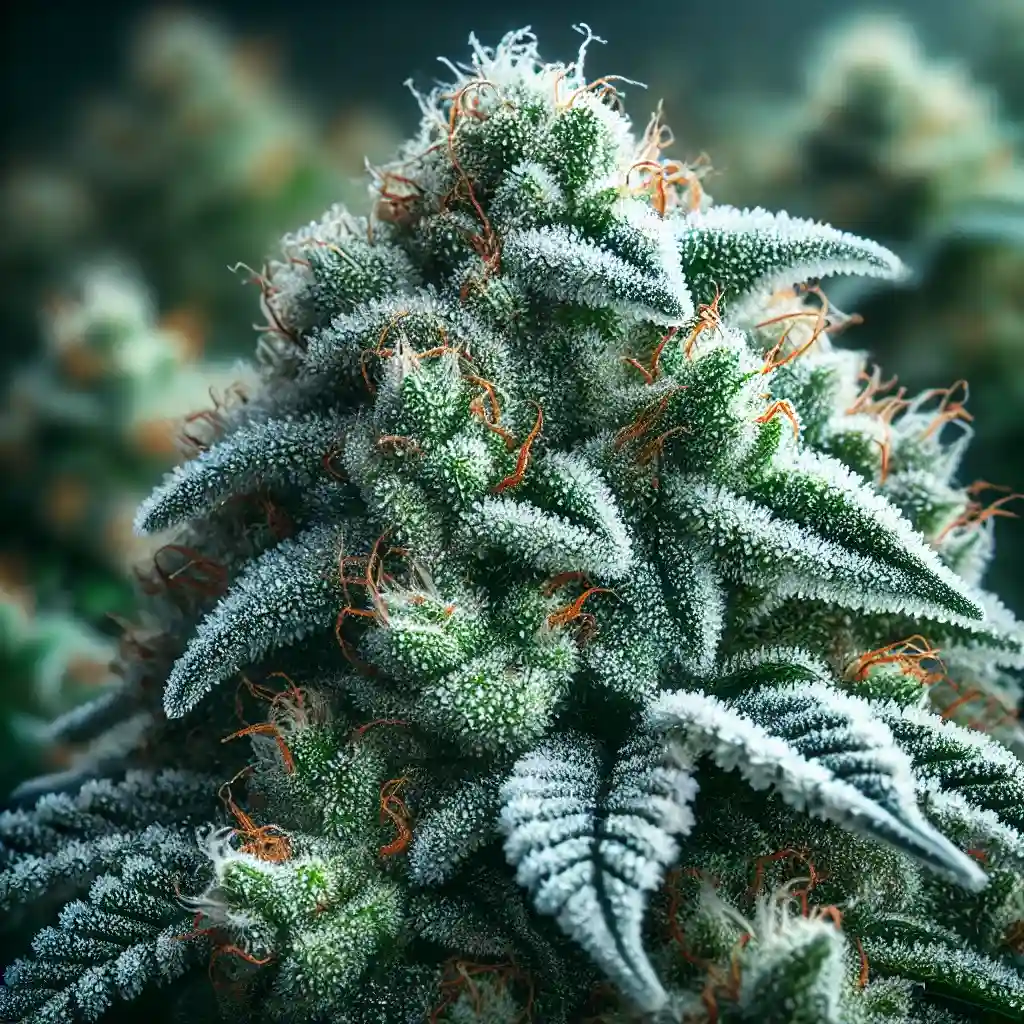
The Most Frosty Strains of Cannabis

Quick answer: ‘Frosty’ strains are those coated in dense trichomes, the crystal-like resin glands that hold cannabinoids and terpenes, so heavy frost usually signals high potency. Some of the frostiest, easy-to-find strains are White Widow, GG4 and Purple Punch. Good light, cool late-flower nights and the right genetics are what bring the frost out. That thick trichome coating often appears on the highest-yielding indoor strains and other big-yield varieties.
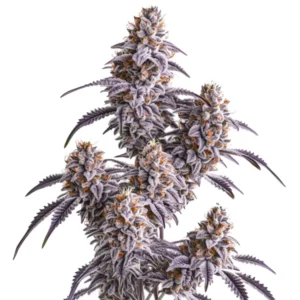
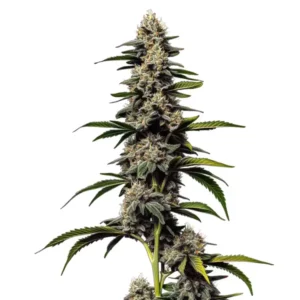
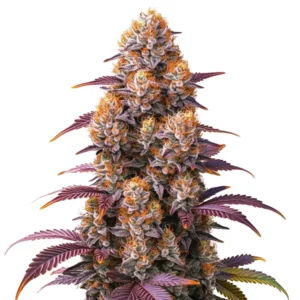
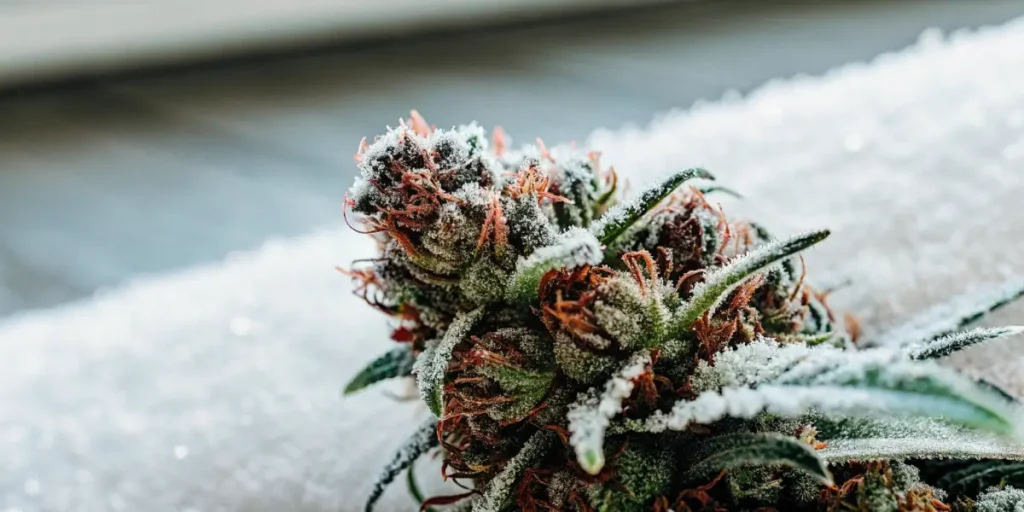
In cannabis, ‘frosty’ describes buds so thickly coated in trichomes that they look dusted with sugar or snow. Those trichomes are the plant’s resin glands, where THC, other cannabinoids and terpenes are made and stored, so a heavy frost is not just pretty, it is a visual shorthand for potency and flavour.
Recommended Strains
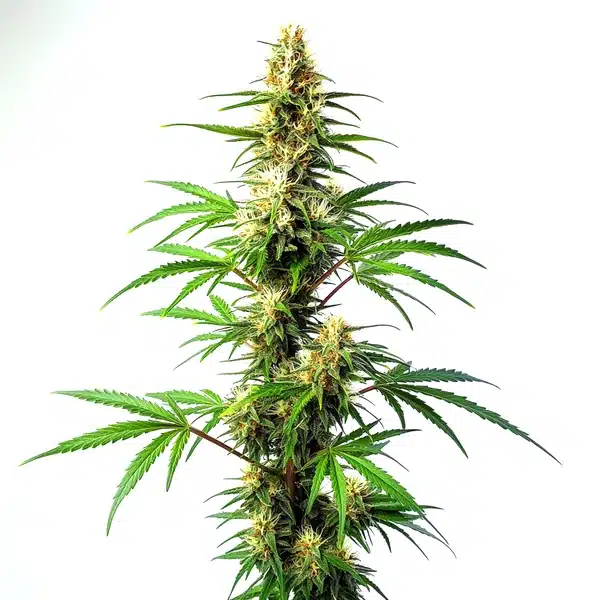
Blue Amnesia Auto

|
THC | 17% - 18% (Medium) |

|
Type | Autoflowering |

|
Yield | Low |

|
Phenotype | 40% Indica / 60% Sativa |

Blue Amnesia Regular
|
|
THC | 22% - 24% (High) |
|
|
Type | Regular |
|
|
Yield | High |
|
|
Phenotype | 30% Indica / 70% Sativa |
Some strains are simply bred to frost up more than others, and with the right conditions they can look spectacular. Below are some of the most reliably frosty strains to grow, followed by the techniques that help any plant develop more trichomes.
What Makes a Strain Frosty?
A frosty look comes down to trichome density. Trichomes are tiny, crystal-like glands the plant grows as a defence against UV light, pests and other stress, and the more of them a plant produces, the frostier and generally more potent the buds. It is partly genetic and partly down to how the plant is grown.
This is why strains from harsh, high-UV environments, like the mountain landraces behind many modern hybrids, tend to be especially resinous. Breeders have since selected hard for that trait, which is how we got today’s famously frosty strains.
Promos & Deals
Top Frosty Strains to Try
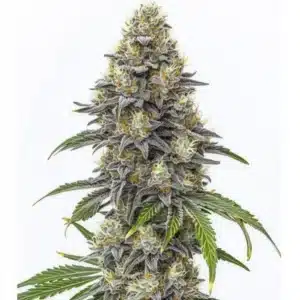
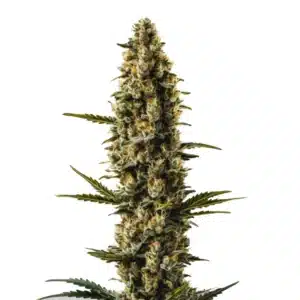
A few strains are benchmarks for frost. White Widow is the classic, glittering with trichomes and offering balanced, versatile effects. GG4 produces sticky, resin-drenched buds with a pungent aroma and heavy, relaxing potency, while Purple Punch pairs a frosty coat with sweet, fruity flavour and deep relaxation. Each leans on different dominant terpenes, which shape their distinct aromas.
| Strain | Dominant terpene | Effect |
|---|---|---|
| White Widow | Myrcene | Balanced, euphoric and relaxing |
| GG4 | Caryophyllene | Heavy, euphoric, sedating |
| Purple Punch | Limonene | Sweet, calming, relaxing |
How to Grow Frostier Buds
Genetics set the ceiling, but good growing decides how close you get to it. Strong light is the biggest lever: intense, quality light through flowering pushes the plant to produce more protective trichomes, so ample full-spectrum LED or HID coverage helps, as long as you avoid light burn by keeping a sensible distance.
Feeding and climate matter too. Easing off nitrogen and leaning into phosphorus and potassium in bloom supports resin production, while cool late-flower nights and moderate humidity encourage frost without inviting mold. Harvesting at the right trichome maturity, when they turn cloudy, locks in that peak frosty look.
Frosty vs ‘White’ Strains
‘Frosty’, ‘white’ and ‘crystal’ strains all describe the same thing from different angles: buds heavy with trichomes. Many famous ‘white’ strains, like White Widow, are frosty precisely because of that trichome load, so the terms overlap a lot.
If you specifically want the classic white-named genetics, see our guide to white weed strains. And if you are trying to work out whether a white coating is good frost or harmful mold, our guide on white weed and mold explains how to tell them apart safely.
More Frosty Strains Worth Growing
Beyond the big three, plenty of modern strains are bred for heavy frost. Gelato and its many crosses are famous for thick, sparkling resin, while cookies-family strains like GSC tend to coat up beautifully. Many ‘white’ and ‘kush’ lines are also reliably frosty, since trichome density has been a key breeding target for years.
Autoflowering options have caught up too, so you do not have to grow photoperiods to get frost. When choosing, read the breeder’s description and look at real grow photos rather than marketing shots, and prioritise genetics with a track record for resin. Pair good genetics with the growing tips below and you will see the difference.
Frosty Buds and Potency: What the Frost Tells You
Because trichomes are where the plant concentrates its THC, other cannabinoids and terpenes, a thick frost is a genuine clue to quality, not just looks. When you see buds glittering with resin, you are essentially seeing the parts of the plant that carry the effect and the aroma, which is why growers and buyers prize frosty flower so highly.
That said, frost is a guide rather than a guarantee. A heavy coat usually means solid potency and flavour, but the exact strength still depends on the strain and how it was grown and cured. Use frostiness as a strong first impression, then confirm with the strain details and, where available, lab-tested cannabinoid content.
FAQs About Frosty Strains
What are the frostiest weed strains?
Some of the most reliably frosty strains are White Widow, GG4 and Purple Punch, all famous for dense, trichome-heavy buds. Frost is partly genetic and partly down to growing conditions, so strong light, cool late-flower nights and the right cure help any of them reach their full crystal-covered potential.
Does frosty weed mean it is stronger?
Usually, yes. Frost comes from trichomes, which hold most of the cannabinoids and terpenes, so a heavy coating generally signals higher potency and richer flavour. It is a reliable visual cue, but not absolute: confirm strength with the strain’s genetics and, where available, lab-tested THC rather than looks alone.
How do I make my buds frostier?
Start with trichome-heavy genetics, then give them strong, full-spectrum light without burning them, cool nights late in flower, and bloom feeding higher in phosphorus and potassium. Keep humidity moderate to avoid mold, and harvest when trichomes turn cloudy. Genetics set the limit; growing conditions help you reach it.
Why are my buds not frosty?
Usually it is genetics or growing conditions. A strain not bred for heavy resin will never frost up much, but even good genetics underperform with weak light, heat stress, or harvesting too early. Give strong light, cool late-flower nights and bloom-stage nutrients, and harvest when trichomes turn cloudy for maximum frost.
Which is the single frostiest strain?
GG4 is often named among the frostiest, thanks to its thick, sticky, resin-drenched buds, with White Widow a close classic rival. There is no absolute winner, since frost depends on phenotype and growing conditions too, but both are safe bets if a heavy trichome coat is your main goal.