Nutrient Film Technique Hydroponics Explained

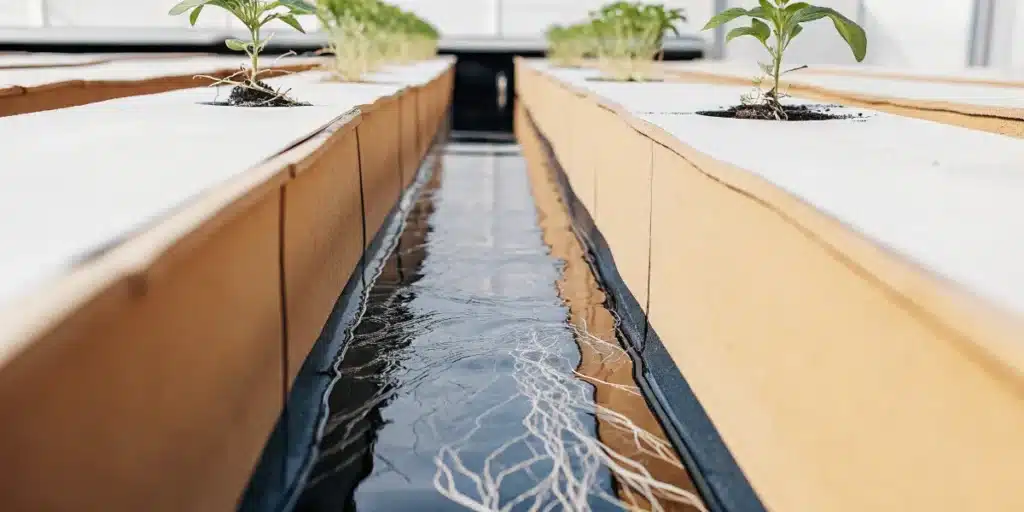
Efficient Hydroponic Growth: Nutrient Film Technique Hydroponics is a dynamic hydroponic system where a thin, continuous stream of nutrient-laden water flows over plant roots. This method ensures optimal oxygenation and nutrient delivery, promoting rapid plant growth. It is highly efficient, often increasing yields by up to 30% compared to traditional soil cultivation.
In the world of hydroponics, the Nutrient Film Technique (NFT) stands out for its efficiency and effectiveness. Unlike traditional methods, NFT uses a thin film of water to deliver nutrients directly to plant roots, enhancing growth rates. This technique is particularly favored for its ability to boost oxygenation and nutrient uptake, making it a go-to choice for many hydroponic enthusiasts.
Recommended Strains

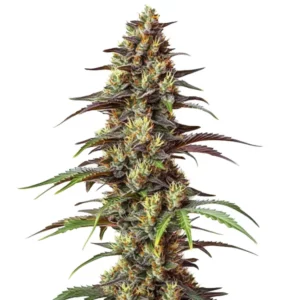
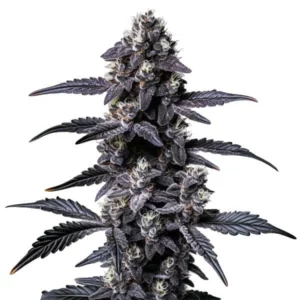
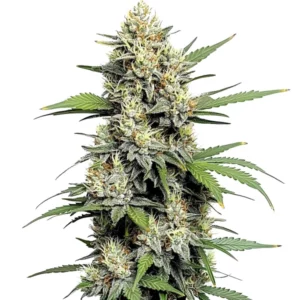
Peyote Cookies

|
THC | 19% - 22% (Medium) |

|
Type | Feminized |

|
Yield | High |

|
Phenotype | 90% Indica / 10% Sativa |
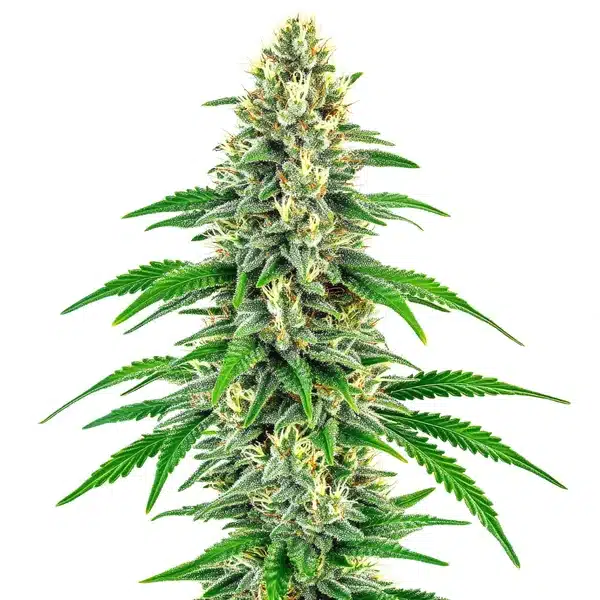
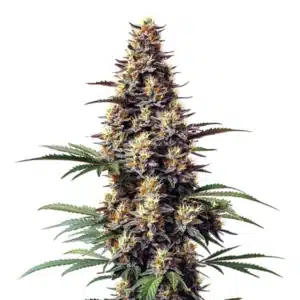
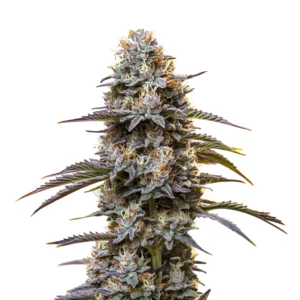
Mochalope
|
|
THC | 22% - 25% (High) |
|
|
Type | Feminized |
|
|
Yield | High |
|
|
Phenotype | 45% Indica / 55% Sativa |
What is Nutrient Film Technique Hydroponics?
How NFT Works
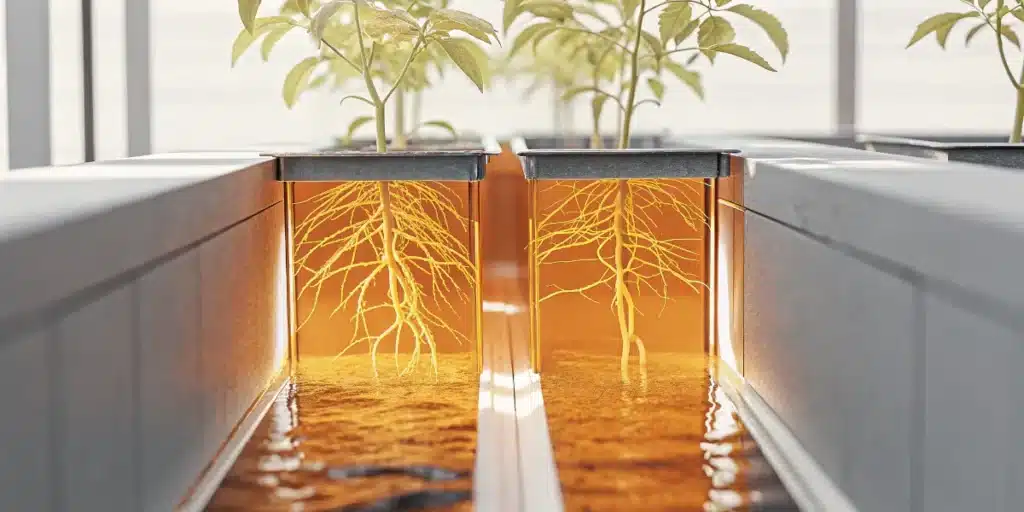
The Nutrient Film Technique hydroponics system operates by circulating a shallow stream of nutrient-rich water over the plant roots. This continuous flow ensures that the roots receive a steady supply of nutrients while being exposed to air, which enhances oxygenation. The system typically uses a slight slope to allow gravity to assist the movement of the nutrient solution.
Experienced growers report that maintaining a flow rate of 0.5-1 liter per minute is optimal for most plants. The nutrient solution should have a pH of 5.5-6.5 and an electrical conductivity (EC) of 1.0-2.5 mS/cm to ensure proper nutrient absorption.
Practical Application & Impact
Setting up a nutrient film technique hydroponics system requires a few essential components: a reservoir, a pump, a channel or tube for the nutrient film, and a return system. This setup allows for efficient nutrient delivery and easy monitoring of plant health.
Many cultivators share that using an NFT hydroponics kit simplifies the setup process, providing all necessary components in one package. This approach minimizes errors and ensures a smoother start for beginners.
Promos & Deals

Setting Up a Nutrient Film Technique System
Essential Components
To establish a successful NFT system, you’ll need a reservoir to hold the nutrient solution, a submersible pump to circulate the solution, and channels where the plants will be placed. The channels should be slightly inclined to facilitate the flow of nutrients back to the reservoir.
Download our NFT hydroponic system design PDF for step-by-step instructions on building your system. Many growers find that using PVC pipes or custom-built channels works best, with a slope of 1-3% to ensure proper drainage and nutrient flow.
Setting Up Your System
Consider starting with an NFT hydroponics kit for a hassle-free setup. These kits typically include all necessary components and are designed for easy assembly. Setting up involves connecting the pump to the reservoir, placing the channels at the correct slope, and ensuring the return system efficiently channels the nutrient solution back to the reservoir.
In our nutrient film technique hydroponics review, we found that kits with adjustable flow rates and easy-to-clean components are preferred by many growers. This flexibility allows for fine-tuning the system to suit different plant types and growth stages.
| Feature | Peyote Cookies | Bruce Banner Regular | Mochalope |
|---|---|---|---|
| THC Content | 19-22% | 25-32% | 22-25% |
| Dominant Terpene | Myrcene | Myrcene | Caryophyllene |
| Flavor Profile | Earthy, Fruity, Lemon | Citrus, Diesel, Sweet | Earthy, Fruity |
| Effect | Creative, Energetic, Relaxed | Focused, Happy, Relaxed | Happy, Relaxed, Talkative |
| Yield Indoor | 1.31 – 1.97 oz/ft² | 400 – 600 g/m² | 1.47 – 1.97 oz/ft² | 450 – 600 g/m² | 1.31 – 1.8 oz/ft² | 400 – 550 g/m² |
Advantages and Disadvantages of NFT
Benefits of Using NFT
The nutrient film technique offers several advantages and disadvantages. Among its benefits, NFT systems are known for their efficient use of water and nutrients, reducing waste and operational costs. The continuous flow of nutrients ensures that plants have constant access to essential elements, promoting faster growth and higher yields.
Many cultivators highlight that NFT systems are ideal for leafy greens and herbs, which thrive in the consistent nutrient environment. However, the system’s reliance on electricity for pumps can be a drawback in areas with unstable power supply.
Challenges to Consider
One of the primary disadvantages of the nutrient film technique is its sensitivity to pump failures. A power outage or pump malfunction can quickly lead to root drying, as the thin film of water provides minimal moisture retention. Additionally, the system requires regular monitoring to prevent nutrient imbalances.
Master growers have pointed out that maintaining the correct slope and flow rate is crucial to prevent waterlogging or nutrient deficiencies. Regular checks and adjustments are necessary to ensure optimal plant health.
NFT vs Other Hydroponic Systems
NFT vs DWC
When comparing NFT to Deep Water Culture (DWC), the primary difference lies in the nutrient delivery method. While NFT uses a thin film of water, DWC submerges roots in a nutrient-rich solution, providing constant access to nutrients and oxygen. This makes DWC more forgiving in terms of pump failures.
In terms of setup, NFT systems are typically more space-efficient, making them suitable for smaller growing areas. However, DWC systems can support larger plants due to their robust nutrient delivery, making them ideal for fruiting crops.
Choosing the Right System
When deciding between NFT and other hydroponic systems, consider your specific needs and constraints. NFT systems are excellent for fast-growing, smaller plants, while DWC may be better for larger, fruit-bearing varieties. Evaluate the space, budget, and maintenance requirements to make an informed choice.
Many growers recommend starting with a smaller NFT setup to gain experience before expanding to more complex systems. This approach allows for gradual learning and adaptation to the nuances of hydroponic cultivation.
Integrating NFT with Aquaponics
Benefits of Combining Systems
Integrating nutrient film technique with aquaponics can enhance sustainability and efficiency. In an aquaponics system, fish waste provides natural nutrients for plants, reducing the need for synthetic fertilizers. The NFT system can then circulate these nutrients, optimizing plant growth while maintaining water quality for the fish.
Experienced growers report that combining these systems can lead to a more balanced ecosystem, promoting healthier plant and fish growth. However, careful monitoring of water parameters is essential to prevent nutrient imbalances and ensure the health of both plants and fish.
Practical Considerations
When setting up an integrated system, ensure that the fish tank and NFT channels are appropriately sized to maintain balance. The water pH should be kept between 6.8-7.2, and the temperature should remain stable at 68-75°F (20-24°C) to support both plant and fish health.
Many cultivators share that using hardy fish species and fast-growing plants can help stabilize the system, reducing the risk of nutrient deficiencies or toxic buildup. Regular testing and adjustments are crucial for maintaining optimal conditions.
Reviews and Case Studies of NFT Systems
User Experiences and Feedback
In our nutrient film technique hydroponics review, we found that users appreciate the system’s efficiency and ease of use. Many report significant improvements in plant growth and yield compared to traditional soil methods. However, some users note that regular maintenance and monitoring are essential to prevent issues.
Master growers have pointed out that NFT systems are particularly effective for commercial operations, where consistent quality and high yields are critical. The system’s scalability and adaptability make it a popular choice among professional cultivators.
Expert Tips for Successful NFT Hydroponics
- Maintain a flow rate of 0.5-1 liter per minute to ensure adequate nutrient delivery. Too high a flow can cause nutrient wastage, while too low can lead to deficiencies.
- Ensure the nutrient solution has a pH of 5.5-6.5 and an EC of 1.0-2.5 mS/cm for optimal nutrient uptake. Regularly test and adjust to prevent imbalances.
- Keep the system’s slope at 1-3% to facilitate proper drainage and prevent waterlogging. Incorrect slopes can lead to root rot or nutrient deficiencies.
- Use a reliable power source to prevent pump failures. Backup systems or alarms can help mitigate risks associated with power outages.
- Regularly inspect and clean channels to prevent algae buildup, which can block nutrient flow and reduce efficiency.
- Start with hardy plants like leafy greens to gain experience before trying more sensitive or demanding varieties.
FAQs about Nutrient Film Technique Hydroponics
Which is better, NFT or DWC?
NFT and DWC each have their strengths. NFT is space-efficient and ideal for fast-growing plants, while DWC supports larger plants with constant nutrient access. Choose based on your space and crop type. DWC may yield more robust plants, but NFT offers quicker growth cycles.
Is NFT suitable for beginners?
NFT can be suitable for beginners due to its simplicity and efficiency. However, it requires regular monitoring and maintenance to prevent issues like pump failures. Starting with a pre-assembled NFT hydroponics kit can simplify the process and reduce the learning curve.
Which country is leading in hydroponics?
The Netherlands is a leader in hydroponics, known for its advanced technology and innovation in sustainable agriculture. The country has optimized hydroponic systems for high yields and efficient resource use, setting a benchmark for global practices.
Which indoor garden is best?
The best indoor garden for hydroponic systems like NFT depends on your space and plant types. Systems with adjustable lighting and automated nutrient delivery are highly recommended. Ensure the system supports the specific needs of your chosen plants for optimal growth.
Can NFT be integrated with aquaponics?
Yes, NFT can be integrated with aquaponics to enhance sustainability. The fish waste provides natural nutrients for plants, reducing the need for synthetic fertilizers. Careful monitoring of water parameters is crucial to maintain a balanced ecosystem.