Nitrogen Stress in Cannabis Plants

Nitrogen is essential for the healthy growth of cannabis plants. But what happens when there’s too much or too little? Both situations can lead to nitrogen stress in cannabis plants, affecting their overall health and yield. Let’s dive into the details to help you grow lush, vibrant plants.
When cannabis plants experience nitrogen stress, it can manifest in various ways. Leaves might turn yellow, or the plants may stop growing altogether. Knowing how to manage these issues is key to successful cultivation. Whether you’re a first-time grower or have years of experience, mastering nitrogen management is crucial.
Recommended Strains

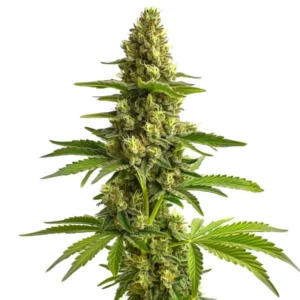
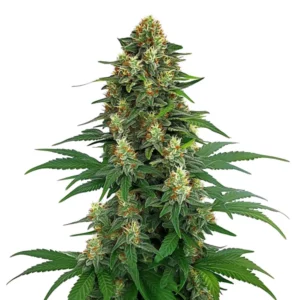
Green Crack

|
THC | 21% (Medium) |

|
Type | Feminized |

|
Yield | High |

|
Phenotype | 35% Indica / 65% Sativa |
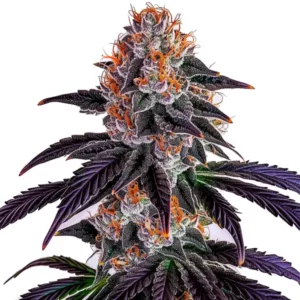
Tangie
|
|
THC | 19% - 22% (Medium) |
|
|
Type | Feminized |
|
|
Yield | High |
|
|
Phenotype | 30% Indica / 70% Sativa |
Not all cannabis strains respond the same way to nitrogen stress. Some, like the Green Crack from Blimburn Seeds, are more forgiving than others. Knowing the specific needs of your chosen strain can make a big difference in how you approach the problem.
Signs of Nitrogen Deficiency in Cannabis Plants
One of the first signs of nitrogen deficiency in cannabis plants is yellowing leaves. This happens because nitrogen is a mobile nutrient, moving to new growth areas. Older leaves often turn yellow first as the plant redirects nitrogen to newer leaves.
Stunted growth is another sign of nitrogen deficiency. Cannabis plants need nitrogen for photosynthesis, the process by which they convert light into energy. Without enough nitrogen, they can’t produce the energy needed for healthy growth, leading to smaller plants and lower yields.
Besides to yellowing and stunted growth, nitrogen deficiency can cause a general lack of vigor in cannabis plants. The leaves may become thin and weak, and the plant may appear frail overall. This weakness can make the plant more susceptible to pests and diseases, compounding the stress already caused by nutrient imbalance.
To prevent nitrogen stress in cannabis plants, it’s crucial to monitor them regularly for these signs. Early detection can make the difference between a quick recovery and prolonged stress. By knowing and identifying the signs of nitrogen deficiency, you can take swift action to restore your plants to optimal health.
Managing Nitrogen Deficiency
How do you fix nitrogen stress in cannabis? Start by ensuring your plants have access to nutrient-rich soil. Sometimes, simply adding a nitrogen-rich fertilizer can solve the problem. Look for fertilizers that are specifically formulated for cannabis, as they will have the optimal nitrogen levels for cannabis growth.
Using organic compost is another effective way to boost nitrogen levels. Compost not only provides nitrogen but also improves soil structure, allowing roots to absorb nutrients more efficiently. Organic matter breaks down slowly, offering a steady supply of nutrients.
Beyond fertilizers and compost, rotating your crops and practicing companion planting can enhance nitrogen levels in your soil. Leguminous plants, for instance, can naturally enrich the soil with nitrogen, reducing the risk of deficiency in cannabis plants.
Regularly testing your soil is also essential in managing nitrogen deficiency. Soil tests can provide insights into nutrient imbalances, allowing you to tailor your fertilization strategy more effectively. Addressing deficiencies promptly will ensure your cannabis plants remain robust and productive.
Promos & Deals


Managing Nitrogen Toxicity in Marijuana Cultivation
Nitrogen toxicity is the flip side of the coin. It occurs when there’s too much nitrogen in the soil. Symptoms include dark green leaves, weak stems, and sometimes, leaf burn. Over time, plants may also develop a claw-like appearance where leaves curl downwards.
This condition can be just as harmful as deficiency. Too much nitrogen can hinder the plant’s ability to produce flowers, directly impacting yield. It’s crucial to monitor nutrient levels regularly to prevent this issue.
Nitrogen stress in cannabis plants due to toxicity can also lead to delayed flowering and reduced resistance to environmental stressors. This can make plants more vulnerable to changes in temperature and humidity, which can further exacerbate the stress.
The root zone is particularly important when managing nitrogen toxicity in marijuana cultivation. Ensuring healthy root development by preventing over-fertilization and maintaining balanced nutrient levels will promote better overall plant health and higher yields.
Correcting Nitrogen Toxicity
Flushing the soil is a common method to manage nitrogen toxicity. Use plain water to wash excess nitrogen out of the soil. This process can quickly restore balance, but it’s essential to do it carefully to avoid shocking the plant.
Switching to a balanced nutrient solution can help. Look for a formula with lower nitrogen content. Consider strains like Northern Lights from Blimburn Seeds, which can be more resilient to changes in nitrogen levels.
Besides to flushing, implementing a strategic nutrient management plan is crucial. Gradually reducing nitrogen inputs and allowing time for the plant to adjust can prevent further stress and promote recovery. Observing how your plants respond will guide you in making necessary nutrient adjustments.
As you address nitrogen toxicity, consider using microbial inoculants to improve soil health. These beneficial microbes can help in breaking down excess nutrients, promoting a more balanced soil environment and supporting healthier plant growth.
Effects of Nitrogen Stress on Cannabis Yield
Both nitrogen deficiency and toxicity can significantly affect cannabis yield. Plants that don’t receive the right amount of nitrogen may produce fewer buds, impacting the overall harvest. In severe cases, nitrogen stress can lead to plant death.
Leaf quality also suffers under nitrogen stress. Healthy, vibrant leaves are essential for photosynthesis. When leaves are damaged, the plant’s energy production decreases, leading to smaller, less potent buds. Strains like Tangie from Blimburn Seeds thrive with balanced nitrogen levels, resulting in a bountiful harvest.
The effects of nitrogen stress on cannabis yield are not limited to quantity alone. The quality of the buds, including their potency and flavor profile, can also be compromised. Ensuring optimal nitrogen levels for cannabis growth is, therefore, essential for both yield and quality.
Continual monitoring and adjusting of your nutrient regimen are key to mitigating the effects of nitrogen stress. By maintaining a detailed grow journal and regularly testing your soil, you can make informed decisions that support healthy plant development and maximize harvest potential.
Optimizing Nitrogen Levels for Maximum Yield
Testing your soil regularly is the best way to maintain optimal nitrogen levels for cannabis growth. Soil test kits are inexpensive and provide valuable insights into nutrient content. Adjust your feeding schedule based on the results to ensure your plants get what they need.
Learning from others can also be beneficial. Join cannabis growing forums or local grower groups to exchange tips and experiences. Fellow growers can offer practical advice and solutions that have worked for them.
Incorporating slow-release fertilizers can be an effective strategy for maintaining steady nitrogen levels over time. These fertilizers provide a consistent nutrient supply, minimizing the risk of sudden fluctuations that can stress your plants.
Additionally, knowing the specific needs of your cannabis strain is essential for optimizing nitrogen levels. Some strains may require more or less nitrogen at different growth stages, so tailor your approach accordingly to achieve the best results.
FAQs
What are the signs of nitrogen deficiency in cannabis plants?
Yellowing leaves and stunted growth are primary indicators. Older leaves often turn yellow first as nitrogen moves to newer growth areas. If you notice these signs, check your nutrient levels and consider adding a nitrogen-rich fertilizer.
Other symptoms can include smaller leaves and reduced bud development. Ensuring your plants have access to nutrient-rich soil and the right fertilizers can prevent these issues. Regular soil testing can also help you monitor nitrogen levels.
In severe cases, nitrogen deficiency can lead to necrosis or the death of plant tissue. This highlights the importance of addressing signs of nitrogen deficiency in cannabis plants promptly to avoid long-term damage.
Maintaining optimal nitrogen levels for cannabis growth is critical in preventing these symptoms. By staying proactive and attentive to your plants’ needs, you can ensure they remain healthy and productive throughout their life cycle.
How can I fix nitrogen stress in cannabis?
For nitrogen deficiency, adding a nitrogen-rich fertilizer is often effective. Organic compost can also provide a steady supply of nitrogen. Ensure your soil has good drainage and avoid over-watering, as it can wash away nutrients.
For nitrogen toxicity, flushing the soil with plain water can help. Switch to a nutrient solution with lower nitrogen content. Monitor your plants closely and adjust your nutrient plan based on their response.
Besides to these methods, integrating cover crops can enhance soil health and naturally balance nitrogen levels. This practice can improve the resilience of your cannabis plants and support sustainable growing practices.
Knowing how to fix nitrogen stress in cannabis is crucial for maintaining plant health and maximizing yield. By implementing a comprehensive nutrient management plan, you can prevent stress and ensure optimal plant performance.
What are the effects of nitrogen stress on cannabis yield?
Nitrogen stress can lead to reduced yields and lower quality buds. Both deficiency and toxicity can hinder the plant’s ability to produce flowers, directly impacting the harvest. Leaf damage can also affect energy production, resulting in smaller buds.
Maintaining balanced nitrogen levels is crucial for maximum yield. Regular soil testing and careful monitoring of plant health can help prevent nitrogen stress and ensure a bountiful harvest.
Beyond yield, nitrogen stress can impact the overall growth cycle of cannabis plants, leading to prolonged maturation times and uneven flowering. This can complicate harvest planning and reduce overall efficiency.
To mitigate the effects of nitrogen stress on cannabis yield, consider adopting precision agriculture techniques. These methods can optimize nutrient delivery and enhance plant performance, ultimately leading to more consistent and abundant harvests.
How do I manage nitrogen toxicity in marijuana cultivation?
Flushing the soil is a common method to manage nitrogen toxicity. Use plain water to wash excess nitrogen out of the soil. Switching to a balanced nutrient solution with lower nitrogen content can also help.
Monitoring your plants closely is vital. Adjust your nutrient plan based on how your plants respond. Regular observation will help you make informed decisions and maintain a healthy growing environment.
Consider implementing a nutrient management system that includes regular monitoring of soil and plant tissue. This approach can provide a more accurate assessment of nutrient needs and prevent nitrogen toxicity from occurring.
Knowing the specific requirements of your cannabis strain is also essential. By tailoring your nutrient strategy to the needs of your plants, you can effectively manage nitrogen toxicity in marijuana cultivation and promote robust growth.
What are optimal nitrogen levels for cannabis growth?
Optimal nitrogen levels vary depending on the growth stage. Seedlings require less nitrogen than mature plants. During the vegetative stage, higher nitrogen levels promote leafy growth. In the flowering stage, reduce nitrogen to encourage bud development.
Regular soil testing is the best way to maintain optimal nitrogen levels. Adjust your feeding schedule based on test results and the specific needs of your cannabis strain. This approach ensures healthy growth and a successful harvest.
Incorporating advanced growing techniques, such as hydroponics or aeroponics, can allow for more precise control of nitrogen levels. These systems can optimize nutrient uptake and improve overall plant health.
Knowing the function of nitrogen in plant physiology will further aid in maintaining optimal nitrogen levels for cannabis growth. This knowledge can help you anticipate the needs of your plants and make timely adjustments to your nutrient regimen.