Most Colorful Weed Strains: The Best-Looking Cannabis

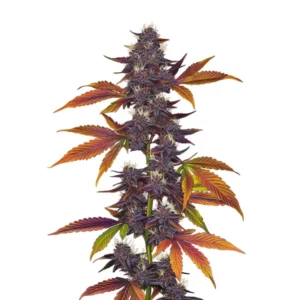
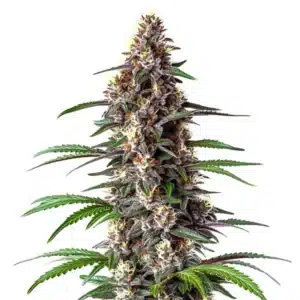
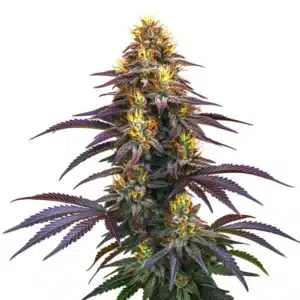
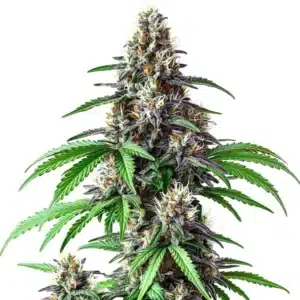
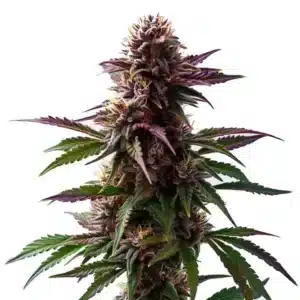
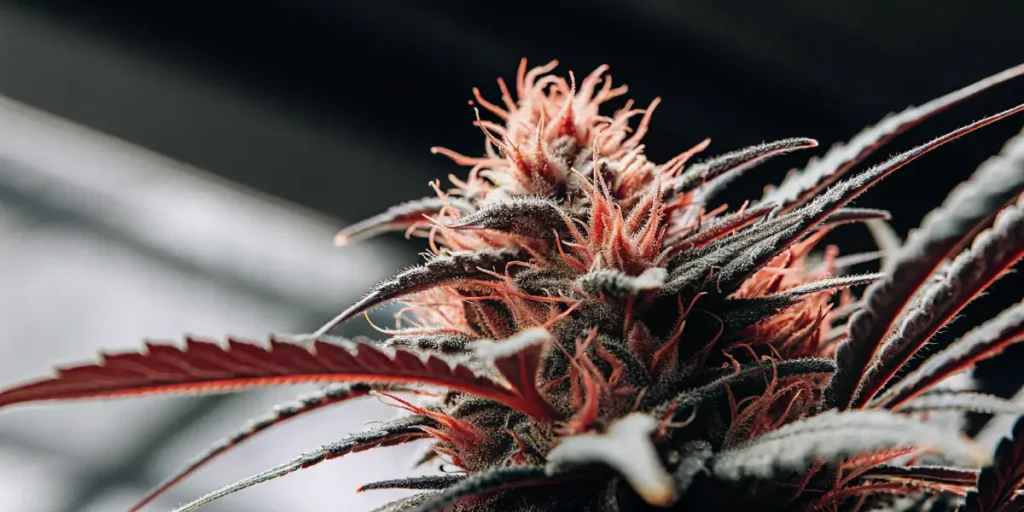
The most colorful weed strains show off striking shades of purple, blue, red, pink and even near-black, thanks to pigments called anthocyanins that emerge as the plant’s green chlorophyll fades in flower. If you are after the best-looking, most photogenic cannabis, this is your shortlist. Here are standout colorful strains grouped by color:
| Color | Standout strains | Look |
|---|---|---|
| Purple | Purple Kush, Critical Purple Auto, Granddaddy Purple | Deep violet buds, often frosted with trichomes |
| Blue | Blueberry | Blue-lavender hues with a sweet berry nose |
| Red / pink | Cherry AK | Red-orange pistils and pink-tinged calyxes |
| Near-black | Black Domina | The darkest of all, purple so deep it looks black |
Why Cannabis Turns Different Colors
The Function of Anthocyanins
Anthocyanins are the same natural pigments that color blueberries and red cabbage, and they create the purples, blues and reds in cannabis. They are always present but hidden by green chlorophyll; as chlorophyll fades in flower, usually helped by cooler temperatures, the colors finally show through. They also help protect the plant from UV light and pests.
Recommended Strains
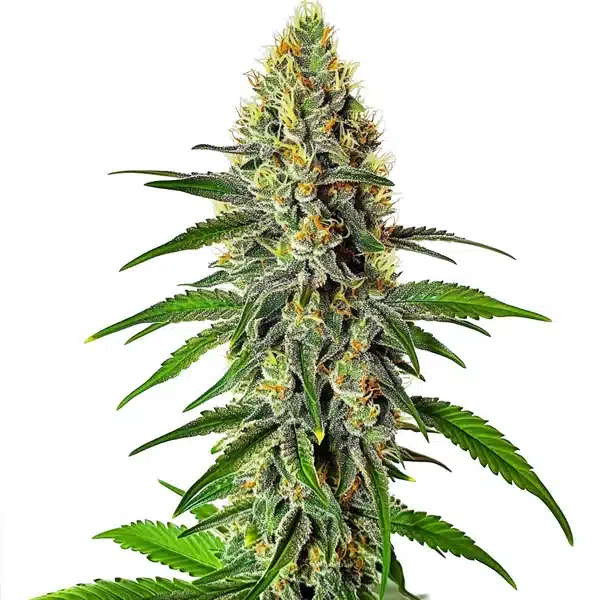
Cherry AK

|
THC | 15% - 25% (High) |

|
Type | Feminized |

|
Yield | Medium |

|
Phenotype | 30% Indica / 70% Sativa |
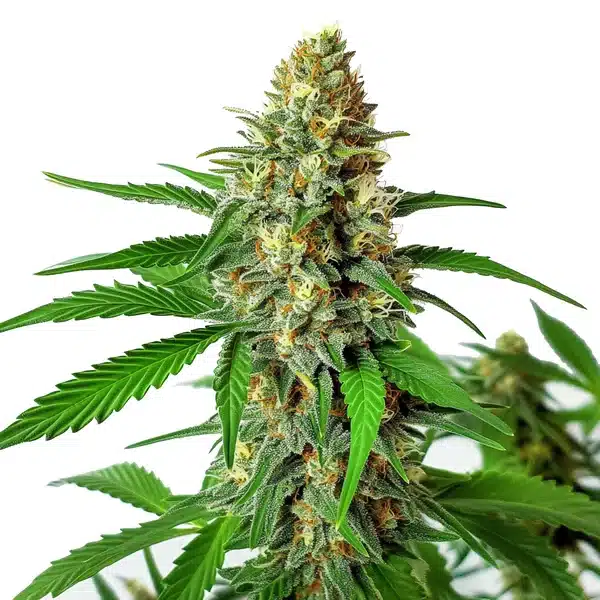
Cherry Ak Auto
|
|
THC | 15% - 22% (Medium) |
|
|
Type | Autoflowering |
|
|
Yield | Medium |
|
|
Phenotype | 50% Indica / 50% Sativa |
Genetics decide how much color you get: strains like Purple Kush are bred to produce heaps of anthocyanins, while a typical green strain makes very little no matter how cold it gets. So color always comes down to the right genetics plus the right environment.
How Temperature Brings Out Color
Temperature is the trigger you control. A night-time drop to around 55-60°F (13-16°C) in late flower mimics autumn and pushes the plant to shed chlorophyll and reveal its color. This is why outdoor plants often finish more colorful in a cool fall, and why indoor growers deliberately lower night temps near harvest.
Feeding plays a supporting role: too much nitrogen keeps buds stubbornly green, so easing off nitrogen in flower helps the colors come through. Keep pH in the 6.0-6.5 range so the plant stays healthy enough to show its best hues.
Promos & Deals
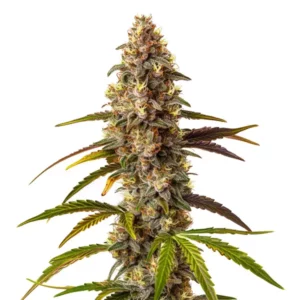
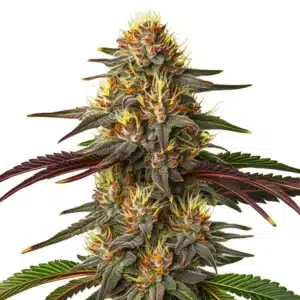
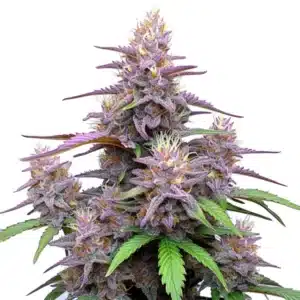
The Color Families of Cannabis
Purple Strains
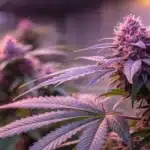
Purples are the most famous colorful cannabis, deep violet-to-magenta buds seen in classics like Granddaddy Purple and Purple Kush. They tend to be indica-leaning and relaxing, and they color up best with cool nights. For a full roundup, see our guide to purple cannabis strains.
That violet color comes from anthocyanin pigments, the same ones in blueberries, which deepen when the plant is exposed to cool nights late in flowering. Alongside Granddaddy Purple and Purple Kush, strains like Purple Punch and Purple Haze show the range from heavy indicas to brighter hybrids. One thing to keep in mind: the color itself does not determine the effect or the potency, so choose a purple strain for its genetics and aroma, not on the assumption that purple means stronger.
Blue Strains
Blues, led by the legendary Blueberry, show a cooler blue-lavender tint, the same anthocyanins as purples but shifted by genetics and pH. They are famous for sweet, berry-like flavors, which is a big part of why blue strains are such enduring favorites.
Beyond purples and blues, some strains lean red or pink, like Cherry AK with its red-orange pistils, while the darkest varieties such as Black Domina turn so deep they look almost black. If you love those inky tones, our guide to black and dark weed strains goes further.
| Strain | Main color | THC | Flowering time |
|---|---|---|---|
| Purple Kush | Deep purple | ~20-24% | 8-9 weeks |
| Blueberry | Blue-lavender | ~17-24% | 9-10 weeks |
| Granddaddy Purple | Violet-purple | ~23-25% | 8-9 weeks |
How to Bring Out the Colors
Start With the Right Genetics
Color starts with genetics. A strain will only turn purple, blue or red if it carries the anthocyanin genes, so pick a variety bred for color rather than hoping a green strain will change. Once you have the right seed, the environment does the rest.
In practice that means shopping by trait: reputable seed banks label strains bred for purple, blue or red expression, so start there rather than hoping an ordinary strain turns colorful. Genetics set the ceiling, but they are only half the equation, since the plant still needs the right environmental triggers to actually show those colors, which is where the next section comes in.
Dial In the Environment
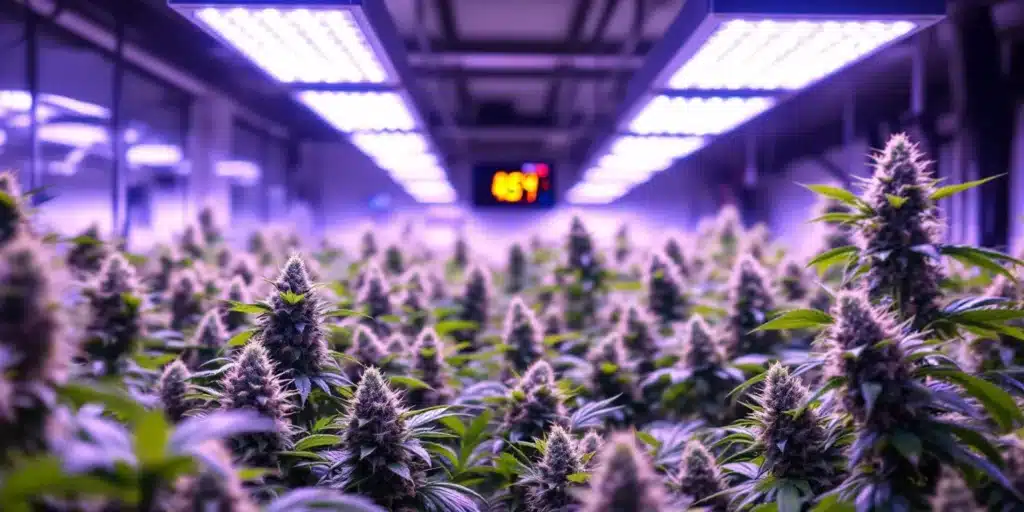
With the right genetics, a few simple moves bring the color out. The most important is a cool night-time drop in late flower; the rest is about keeping the plant healthy and patient. Here is the short version:
- Start with the right genetics: a strain only colors up if it carries the anthocyanin genes, so choose a purple, blue or dark variety to begin with.
- Cool the nights: a night-time drop to about 55-60°F (13-16°C) in late flower is the single biggest trigger for vivid color.
- Do not overfeed nitrogen: too much nitrogen keeps buds green, so ease off in flower and let the colors emerge.
- Be patient in late flower: the deepest colors appear in the final couple of weeks, so let the plant ripen fully.
- Do not starve for color: stressing a plant to force color hurts yield; healthy plants in cool nights color up on their own.
FAQs: Colorful Weed Strains
What’s the most colorful weed strain?
Granddaddy Purple is a top pick for the most colorful weed strain, famous for its deep violet buds. Purple Kush and Blueberry are close rivals, and for the darkest look, Black Domina turns almost black. In every case the vivid color comes from anthocyanins plus cool growing temperatures.
What does it mean if weed is colorful?
Colorful weed simply means the strain produced anthocyanins, pigments revealed as green chlorophyll fades in flower. It points to the right genetics grown in the right conditions, usually cool nights. It is mostly a cosmetic and genetic trait, though, so a colorful bud is not automatically stronger or better than a green one.
How do you enhance the color of cannabis plants?
First choose a color-capable strain, then drop night temperatures to about 55-60°F (13-16°C) in late flower to trigger the pigments. Ease off nitrogen so buds are not forced to stay green, keep pH around 6.0-6.5, and let the plant ripen fully. Never starve or stress it for color, that costs yield.
Are colorful buds more potent than green ones?
No. Potency comes from trichome density and cannabinoid content, not color, so a bright green bud can easily be stronger than a purple one. That said, the cool late-flower temperatures that bring out color can also help preserve trichomes and terpenes, so a well-grown colorful bud often looks and tastes great regardless.